
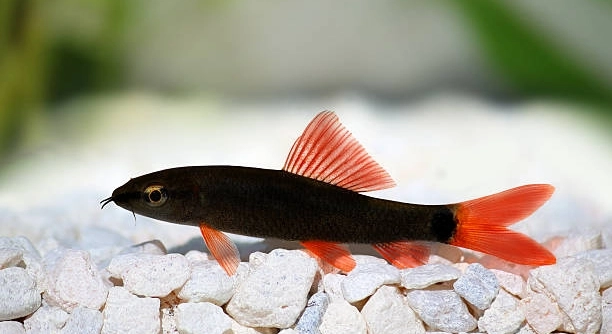
Are your rainbow sharks feeling cramped or aggressive in their current setup, making it hard to create a peaceful and healthy tank environment?
The best way to start a rainbow shark tank is by choosing a spacious aquarium, adding plenty of hiding spots, and selecting peaceful tankmates. Proper filtration, consistent water parameters, and early planning are also essential for long-term success.
Understanding these simple tips will help you build a safer, more enjoyable space for your rainbow shark and other aquatic companions.
Choose the Right Tank Size
A rainbow shark needs enough space to swim and establish territory. A tank that’s too small can trigger stress and aggression. The minimum size should be 55 gallons for one adult shark. This gives it room to move and keeps water conditions more stable. Avoid placing them in smaller tanks as it increases conflict with other fish. Tall tanks don’t help much since rainbow sharks prefer horizontal swimming space. Focus on a tank that is long and wide. It also helps to keep the tank lightly stocked to reduce tension. Add a tight-fitting lid because they’re known to jump. A well-sized tank leads to a healthier shark and fewer issues.
Small tanks increase aggression and stress. Always go bigger if you plan to add other fish.
A large tank gives your rainbow shark enough territory to feel secure. This reduces fights, supports better behavior, and makes maintenance easier in the long term.
Set Up Proper Hiding Spots
Rainbow sharks are territorial and need areas to claim as their own. Without enough hiding spots, they may become overly aggressive.
Use rocks, driftwood, and plants to create caves and shaded areas along the tank bottom. This breaks up sightlines and helps reduce chasing or harassment. Spread these hiding areas evenly, especially if you plan to keep more than one bottom-dwelling fish. Avoid stacking decorations too tightly as they may trap fish or restrict movement. Use live plants like Java fern or Anubias for cover without crowding the tank. These also help stabilize the water. A tank with good cover creates natural zones, giving the rainbow shark places to retreat when needed. It also gives other fish the chance to stay out of sight and lowers the chances of fights. Just make sure to leave open swimming space in the center. That balance helps keep peace and makes the tank look more natural.
Maintain Consistent Water Conditions
Rainbow sharks need stable water to stay healthy and behave well. Sudden changes can make them sick or more aggressive. Keep temperature, pH, and ammonia levels within safe limits by checking them regularly and doing weekly water changes.
Keep the water temperature between 75°F and 80°F. A pH of 6.5 to 7.5 works best. Use a reliable heater and thermometer to avoid sudden drops or spikes. Test water weekly using liquid test kits, not strips. Ammonia and nitrite should stay at zero, and nitrate should be below 40 ppm. Do a 25% water change every week to remove waste and keep parameters stable. Always treat tap water with a conditioner to remove chlorine and chloramine. Avoid overfeeding, as leftover food can mess with water quality.
Consistency is key. Set a schedule for maintenance and stick to it. Use a filter rated for more than your tank size to keep things clean and clear.
Pick Peaceful Tankmates Carefully
Choose fish that swim in other zones and won’t challenge your rainbow shark. Avoid bottom-dwellers or other territorial species. This lowers stress and keeps aggression from becoming a problem.
Good tankmates include schooling fish like barbs, rasboras, and danios. These fish are fast and stay mid to upper tank levels, away from the shark’s preferred bottom space. Keep them in groups of six or more to reduce stress and aggression within their own kind. Avoid slow-moving fish, fancy guppies, or any with long fins, as they may be nipped at. Never house rainbow sharks with red-tailed sharks or other similar species—territorial fights are almost guaranteed. Add the rainbow shark last so other fish can claim space first. This helps lower the shark’s sense of ownership. Monitor interactions closely in the first few weeks. If things don’t work out, have a backup plan ready to move fish if needed.
Feed a Balanced Diet
Rainbow sharks are omnivores, so they need both plant and protein-based foods. Offer a mix of sinking pellets, algae wafers, and frozen foods like bloodworms or brine shrimp. This keeps them healthy and supports bright colors.
Avoid overfeeding to prevent waste buildup and poor water quality. Feed once or twice daily in small amounts they can finish in under two minutes.
Avoid Housing Multiple Sharks
Keeping more than one rainbow shark in a single tank often leads to territorial fighting. They do not tolerate others of their kind unless the tank is extremely large, with many hiding zones and sight breaks. Even then, it’s risky. If you do try it, monitor them closely and be ready to separate.
Add Moderate Lighting
Rainbow sharks don’t need intense lighting. Moderate levels work well and help plants grow without stressing the fish. Avoid harsh light to reduce territorial displays.
FAQ
Can rainbow sharks live with other rainbow sharks?
It’s not recommended to keep multiple rainbow sharks in the same tank. They are very territorial and don’t tolerate others of their species. Even in large tanks, they will likely fight. If you attempt it, the tank should be over 125 gallons with lots of hiding spots and clear boundaries. One dominant shark will often bully the other, leading to injury or death. It’s much safer to keep just one per tank unless you’re highly experienced and can monitor them closely from the start. Always have a backup plan in case separation becomes necessary.
How big do rainbow sharks get?
Rainbow sharks can grow up to 6 inches long in a home aquarium. Some may stay slightly smaller, but this is their average adult size. They grow steadily over time, especially when fed properly and kept in a spacious tank. If your shark appears stunted, the tank may be too small or water conditions may be poor. A bigger tank allows them to reach their full size. It also helps reduce stress and allows for more natural swimming behavior. Their size is one of the reasons why small tanks aren’t ideal.
Are rainbow sharks aggressive?
Rainbow sharks can be aggressive, especially toward other bottom dwellers or fish that enter their territory. They often chase or nip at slow or timid tankmates. This behavior becomes worse in small tanks or when hiding spaces are limited. However, aggression can be managed. Provide a large tank, plenty of hiding spots, and avoid housing them with similar-looking species. Adding them last to the tank can also reduce their territorial behavior. While not the most peaceful fish, they can do well in community tanks when care is taken in planning the setup.
How long do rainbow sharks live?
Rainbow sharks typically live between 5 to 8 years in captivity. With excellent care, some may reach 10 years. Their lifespan depends on water quality, diet, tank size, and stress levels. Clean water, a balanced diet, and proper tank mates all help extend their life. Avoiding stress and injuries from fights or poor tank conditions is also important. If you want your rainbow shark to live a long time, stick to a regular maintenance schedule and make their environment as calm and stable as possible.
What should I feed my rainbow shark daily?
A good daily feeding routine includes high-quality sinking pellets or algae wafers as a base. You can rotate in frozen or live foods like brine shrimp or bloodworms a few times a week. Offer small portions once or twice a day. Feed only what they can finish in two minutes to avoid uneaten food polluting the tank. Including some vegetables, like blanched zucchini or spinach, once a week adds variety and supports digestion. A mix of protein and plant-based foods keeps them healthy and active.
Do rainbow sharks need a filter and heater?
Yes, both are necessary. A filter keeps the water clean, removes waste, and maintains healthy oxygen levels. Choose a filter rated for a tank larger than yours for best results. A heater is needed to maintain a stable temperature between 75°F and 80°F. Rainbow sharks don’t handle temperature swings well. Use a thermometer to monitor conditions daily. Sudden drops or spikes in temperature can lead to illness or stress. These basic tools are important for keeping your shark healthy over time. Without them, your tank conditions may become unsafe quickly.
Can I keep a rainbow shark in a planted tank?
Yes, rainbow sharks do well in planted tanks. In fact, live plants help create a natural environment and reduce stress by offering cover. Use hardy species like Java fern, Anubias, or Vallisneria. These plants can tolerate the moderate lighting rainbow sharks prefer. Avoid delicate plants that can’t handle activity near the substrate. Planted tanks also improve water quality by absorbing nitrates. Make sure the plants don’t block swimming space. Use them to break up sightlines and define territories, which helps reduce chasing and aggression in a shared tank.
Final Thoughts
Setting up a rainbow shark tank takes planning, patience, and the right equipment. These fish are beautiful and active, but they need a space that supports their behavior. A tank that’s too small, crowded, or poorly maintained will only lead to stress, aggression, and health issues. Choosing the correct tank size, adding hiding spots, and keeping the water clean are the first steps in building a balanced home. Each detail matters, from the type of substrate you use to the kind of lighting you install. Every choice should support both the shark and the tankmates you plan to keep.
Feeding a rainbow shark a balanced diet and creating a stable environment helps prevent problems before they start. These fish need both plant and protein-based food to stay active and healthy. Overfeeding or using poor-quality food can affect their behavior and pollute the tank. It’s also important to avoid adding incompatible fish. Many conflicts in aquariums come from poor tankmate choices. Keeping rainbow sharks with peaceful, fast-swimming species that stay in other areas of the tank makes things easier. Give your rainbow shark space to explore, rest, and establish a territory without constant competition or pressure.
Rainbow sharks are not hard to care for, but they do best when their needs are met from the beginning. Regular water testing, scheduled maintenance, and observation will help you catch issues early. When cared for properly, rainbow sharks can live for years and become a striking part of your aquarium. If you’re prepared to give them the space, care, and attention they need, they can thrive in a well-designed tank. Every aquarium is different, so make choices based on your setup, your experience, and the time you can commit. A successful rainbow shark tank is calm, balanced, and rewarding to watch—built with care and maintained with consistency.

Hello,
If you enjoy the content that we create, please consider saying a "Thank You!" by leaving a tip.
Every little bit helps us continue crafting quality advice that supports the health, happiness, and well-being of pets around the world, for pets of all shapes, sizes, and species.
We really appreciate the kindness and support that you show us!