
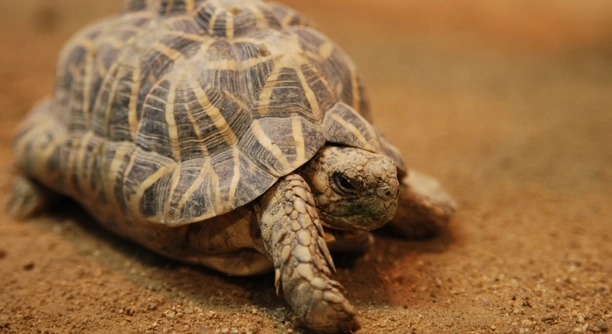
Is your Indian star tortoise’s water becoming dirty too quickly? Keeping their water clean is essential for their health, preventing bacteria buildup and ensuring proper hydration. Understanding the best methods can help you maintain fresh, safe water for your tortoise.
The most effective way to keep your Indian star tortoise’s water clean is by regularly changing it and using a shallow dish that prevents contamination. Additionally, placing the dish in a shaded area and cleaning it daily helps prevent algae growth and bacterial buildup.
A few simple steps can make a big difference in maintaining clean and fresh water for your tortoise. Let’s explore the best ways to keep their water safe and healthy.
Change the Water Daily
Dirty water can quickly lead to bacterial growth, making your tortoise’s habitat unhealthy. Changing the water daily prevents contamination and ensures they always have a fresh supply. Even if the water looks clean, small particles and bacteria can accumulate. A shallow water dish makes cleaning easier and minimizes debris buildup. Regular water changes also reduce the risk of algae growth, which can form when water sits for too long. Keep the dish in a shaded area to slow bacterial growth. Fresh water not only keeps your tortoise hydrated but also helps maintain their overall health.
A daily water change is one of the easiest ways to keep your tortoise’s environment clean. It requires little effort but has a big impact on their well-being.
Even with clean water, bacteria can develop quickly. Regularly scrubbing the dish prevents buildup, ensuring the water stays fresh and free of harmful contaminants.
Use a Shallow Water Dish
A deep water dish increases the chances of contamination, as your tortoise may track dirt and waste into it. A shallow dish helps keep the water cleaner for longer. It also makes it easier to remove debris and change the water when needed.
Shallow dishes are safer and more practical for an Indian star tortoise. They allow for easy access to drinking water without the risk of accidental drowning. A dish with a low rim ensures that your tortoise can comfortably drink and soak without struggling to get in or out. Additionally, placing a flat rock or a few small pebbles in the dish can help reduce splashing and further minimize mess. Choosing the right dish size and depth can significantly improve water cleanliness, making maintenance easier and keeping your tortoise’s habitat healthier.
Clean the Water Dish Regularly
Bacteria and algae can quickly build up on the surface of the dish, even if the water looks clean. Scrubbing the dish with warm water and a brush every day prevents harmful buildup, keeping the water safe for your tortoise to drink.
Avoid using harsh chemicals, as they can leave behind harmful residues. Instead, wash the dish with mild soap or vinegar and rinse thoroughly. If algae start to form, soak the dish in a vinegar solution for a few minutes before scrubbing. Drying the dish completely before refilling can also help prevent bacteria from spreading. A clean dish ensures that fresh water stays uncontaminated for as long as possible.
Keeping a backup dish allows for easy rotation while one is being cleaned. This simple step reduces the risk of bacteria exposure and makes maintenance more manageable. A clean dish leads to cleaner water and a healthier tortoise.
Keep the Water Dish in a Shaded Area
Direct sunlight can cause the water to heat up quickly, making it uncomfortable for your tortoise to drink. Warm water also promotes bacterial growth and encourages algae to form. Placing the dish in a shaded area keeps the water cooler and fresher for a longer time.
Choose a location that remains shaded throughout the day to prevent constant temperature fluctuations. If shade is limited, consider using a small shelter or placing the dish under a plant. This will help maintain a consistent temperature and reduce evaporation. Cooler water discourages bacteria and algae from spreading, making it easier to keep the dish clean.
A shaded water source is especially important in warmer climates where water can become stagnant more quickly. By keeping the dish out of direct sunlight, you provide a more comfortable and safer drinking area for your tortoise while reducing the need for constant cleaning.
Avoid Placing the Dish Near Bedding
Loose bedding can easily get into the water, making it dirty faster. Keeping the dish away from substrate helps reduce debris and prevents contamination. Placing it on a flat surface, like a tile or a smooth rock, can keep unwanted particles out.
If the dish is too close to bedding, small pieces can stick to your tortoise’s feet and end up in the water. This leads to frequent changes and unnecessary mess. A separate, designated water area keeps things cleaner and makes maintenance easier.
Use Filtered or Dechlorinated Water
Tap water may contain chlorine and other chemicals that can be harmful to your tortoise over time. Using filtered or dechlorinated water ensures a safer drinking source. If tap water is your only option, let it sit out for 24 hours to allow chlorine to evaporate before use.
Avoid Overfilling the Dish
Too much water can lead to unnecessary splashing and faster contamination. A shallow amount is enough for drinking while keeping messes to a minimum. Keeping the water level low also makes it easier to refresh and clean the dish throughout the day.
FAQ
How often should I change my Indian star tortoise’s water?
You should change the water every day. Even if it doesn’t look dirty, bacteria can build up quickly, which can be harmful to your tortoise. Fresh water is essential for their health, so daily changes are necessary to keep them hydrated and safe.
Can I use tap water for my tortoise’s water dish?
Tap water can be used, but it’s important to remove any chlorine or other chemicals. Let the water sit for 24 hours to allow chlorine to dissipate, or use a water filter to ensure it’s safe. Avoid using hard water, as it may cause mineral buildup.
Should I add anything to the water to keep it cleaner?
You can add small rocks or pebbles to the bottom of the dish to reduce splashing. This helps to keep the water level stable and prevents the water from becoming too dirty too quickly. Be sure to remove any debris daily to keep the water clean.
Can I use a water conditioner for my tortoise’s water?
Water conditioners are not usually necessary, but they can be used if you have concerns about the quality of your water. Look for ones that specifically mention being safe for reptiles and avoid chemicals that could harm your tortoise.
How do I prevent algae from growing in the water dish?
The best way to prevent algae growth is to keep the water dish in a shaded area, away from direct sunlight. Regular cleaning and water changes will also help prevent algae from taking root. If algae do form, scrub the dish with vinegar and rinse thoroughly.
What size water dish is best for my tortoise?
A shallow dish that allows easy access to water is ideal. It should be large enough for your tortoise to drink from comfortably but not too deep that it creates a risk of drowning. A small, flat dish or a low-rimmed bowl works best.
Should I provide my tortoise with a water bowl or a soaking dish?
A soaking dish is not necessary for drinking water, but some tortoises enjoy soaking. If you want to provide one, ensure it’s shallow enough for your tortoise to enter and exit without difficulty. A separate drinking bowl should be provided for hydration.
How can I tell if the water is dirty?
If the water appears cloudy, has a strong odor, or contains visible debris, it’s time for a change. Even if the water looks clear, it’s a good idea to clean the dish regularly to prevent hidden bacteria or algae from forming.
Can I use a sponge to clean the water dish?
A sponge is fine for cleaning the dish, but make sure it’s not too abrasive. Use a soft sponge or cloth to avoid scratching the surface of the dish, which could trap bacteria. Always rinse thoroughly to remove any soap or cleaner residue.
Is it okay to have multiple water dishes for my tortoise?
Yes, having multiple water dishes can be helpful, especially if you have a large enclosure. Having extra water sources ensures your tortoise always has access to clean water. Just make sure they’re all in easily accessible, clean spots.
How do I clean the water dish if it has mold?
If you notice mold or mildew in the dish, clean it immediately with a mixture of vinegar and water. Soak the dish for about 15 minutes, then scrub it with a soft brush to remove the mold. Rinse thoroughly before adding fresh water.
Can my tortoise drink from a dish with rocks in it?
Yes, small, smooth rocks can be placed in the dish to prevent debris from floating and help keep the water level steady. Just ensure the rocks are clean and free from sharp edges, which could injure your tortoise.
Final Thoughts
Maintaining clean and fresh water for your Indian star tortoise is an essential part of keeping them healthy. Water is not only needed for hydration but also to help with digestion and overall well-being. By following simple steps like changing the water daily, keeping the water dish in a shaded area, and cleaning it regularly, you can ensure your tortoise always has access to clean water. These small efforts go a long way in preventing health issues that can arise from dirty or stagnant water.
It’s also important to remember that water quality affects the long-term health of your tortoise. Tap water can contain chemicals like chlorine that may not be ideal for their health. Using dechlorinated or filtered water is a good habit to adopt. Additionally, choosing the right size dish and placing it in an area where it won’t get contaminated by bedding or debris will save you time and effort in cleaning. Each of these steps ensures that your tortoise has a safe and comfortable environment to thrive in.
Keeping the water dish clean doesn’t need to be a difficult task. A little daily attention and preventive care can make a big difference. Regular cleaning and proper placement are key in providing your tortoise with a healthy habitat. With a few simple changes and consistent maintenance, your tortoise can enjoy a cleaner, more comfortable living space, leading to a healthier and happier life.

Hello,
If you enjoy the content that we create, please consider saying a "Thank You!" by leaving a tip.
Every little bit helps us continue crafting quality advice that supports the health, happiness, and well-being of pets around the world, for pets of all shapes, sizes, and species.
We really appreciate the kindness and support that you show us!