
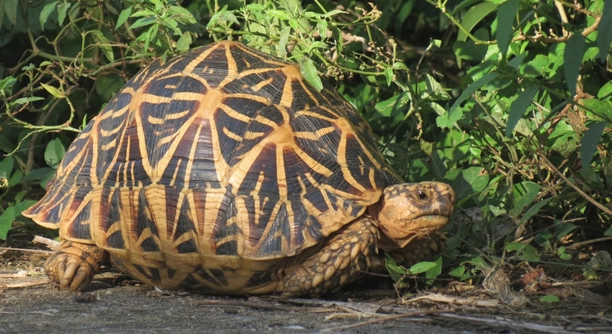
Is your curiosity leading you to learn more about the Indian star tortoise’s natural habitat? Understanding its environment is essential to appreciating how this unique reptile thrives in the wild. Its habitat plays a key role in its survival and behavior.
The Indian star tortoise is native to dry scrub forests, grasslands, and semi-arid regions of India, Pakistan, and Sri Lanka. These areas provide warm temperatures, low humidity, and seasonal rainfall, which influence the tortoise’s diet, activity levels, and hibernation patterns.
From temperature variations to the types of vegetation it relies on, many factors shape this tortoise’s habitat. Learning about these conditions offers insight into its natural behaviors and conservation needs.
Climate and Terrain of the Indian Star Tortoise’s Habitat
The Indian star tortoise thrives in warm, dry environments with seasonal rainfall. It primarily inhabits scrub forests, grasslands, and semi-arid regions, where temperatures range from 77°F to 95°F. These conditions provide the right balance of warmth and shelter. The terrain consists of sandy or rocky soil, which allows the tortoise to burrow for protection. Vegetation in these areas includes grasses, shrubs, and scattered trees, offering food and shade. During the rainy season, temporary water sources form, giving the tortoise access to hydration. These environmental factors directly influence the species’ behavior, diet, and survival.
Rainfall in these regions is seasonal, creating periods of abundance and scarcity. The tortoise adapts by adjusting its activity levels and food consumption. Dry spells lead to reduced movement, while monsoon rains encourage feeding and breeding. This cycle shapes its daily routines and overall health.
Understanding how climate and terrain affect this tortoise helps explain its natural behaviors. It seeks shade during extreme heat, burrows for safety, and relies on seasonal vegetation for sustenance. These adaptations highlight its resilience and ability to thrive in challenging conditions.
Vegetation and Food Sources
The Indian star tortoise primarily feeds on grasses, succulents, and fallen fruit. It prefers fibrous, low-protein plants that support slow digestion and overall health. Seasonal changes impact food availability, influencing its diet throughout the year.
In dry months, the tortoise relies on drought-resistant plants, such as cacti and hardy shrubs. During the monsoon season, fresh grasses and flowers become more abundant, providing additional nutrition. These shifts affect its foraging habits, encouraging movement when food is plentiful and conservation of energy when resources are scarce. Unlike some reptiles, the Indian star tortoise does not consume animal protein, relying solely on vegetation for sustenance.
Its diet plays a key role in its shell growth, digestion, and overall well-being. Access to varied plant life ensures a balanced intake of fiber and essential nutrients. Conservation efforts often focus on preserving its native vegetation to maintain natural feeding patterns. In captivity, replicating this diet is essential to keeping the tortoise healthy. By understanding its food preferences, caretakers can provide a diet that closely resembles what it would eat in the wild.
Water Sources and Hydration
Water availability depends on seasonal rainfall, forming temporary pools and small streams. The Indian star tortoise drinks from these sources and absorbs moisture from food. During dry periods, it conserves water by reducing activity and seeking shade, minimizing dehydration risks in its arid environment.
Rainwater collected in natural depressions provides essential hydration. The tortoise may also obtain moisture by consuming dew-covered plants in the early morning. Unlike aquatic turtles, it does not rely on standing water for survival. Instead, it efficiently stores water within its body, allowing it to endure extended dry periods. These adaptations help it survive in unpredictable conditions.
In captivity, hydration should be maintained by misting enclosures, providing shallow water dishes, and offering fresh vegetables. Dehydration can lead to health issues, such as kidney problems and shell deformities. Keeping humidity levels stable and ensuring consistent water access mimics its natural environment, promoting overall well-being.
Shelter and Protection
The Indian star tortoise relies on natural shelters such as bushes, rock crevices, and burrows to escape extreme temperatures and predators. These hiding spots offer shade during the day and warmth at night, helping the tortoise regulate its body temperature and avoid potential threats in its environment.
Predators include birds of prey, wild dogs, and larger reptiles. To protect itself, the tortoise retreats into its shell, using its unique star-patterned markings as camouflage. It blends into dry grass and rocky terrain, making it difficult for predators to spot. Burrowing is another defense mechanism, providing both safety and insulation against temperature changes.
Human activity has reduced the availability of natural shelters, forcing some tortoises to adapt to new environments. Conservation efforts focus on preserving native habitats to ensure these reptiles have access to the protective cover they need. Maintaining shelter options in captivity, such as rock formations and shaded areas, supports their natural behaviors.
Temperature and Seasonal Changes
The Indian star tortoise experiences temperature shifts throughout the year. Summers are hot and dry, with temperatures reaching up to 95°F, while winters remain mild. It adapts by adjusting activity levels, seeking shade during extreme heat, and becoming more active when temperatures are moderate.
Monsoon season provides temporary relief from the heat. Increased humidity and rainfall create cooler conditions, encouraging feeding and breeding. However, prolonged wet conditions can lead to respiratory issues. The tortoise relies on natural shelters to stay dry while still taking advantage of the seasonal food abundance.
Human Impact on Habitat
Urban expansion, deforestation, and agriculture have reduced the tortoise’s natural habitat. As grasslands and forests disappear, food sources and shelter become scarce, forcing the species to adapt to unfamiliar conditions. Poaching and illegal pet trade further threaten wild populations, increasing the risk of population decline.
Conservation Efforts
Wildlife protection laws aim to prevent habitat destruction and illegal trade. Conservation programs focus on habitat restoration, anti-poaching efforts, and education to raise awareness. Preserving natural ecosystems ensures long-term survival for the Indian star tortoise.
FAQ
Where do Indian star tortoises live?
Indian star tortoises are found in dry forests, grasslands, and scrublands across India, Sri Lanka, and parts of Pakistan. They prefer areas with seasonal rainfall and scattered vegetation, which provide food and shelter. These tortoises thrive in regions with moderate humidity and warm temperatures throughout the year.
What do Indian star tortoises eat in the wild?
Their diet consists mainly of grasses, leaves, flowers, and fruits. They forage early in the morning or late in the afternoon to avoid extreme heat. Some tortoises also consume small amounts of cacti or succulents, which help them stay hydrated in dry conditions.
How do Indian star tortoises survive in extreme heat?
They seek shade under rocks, bushes, or burrows during the hottest parts of the day. Their shells help retain moisture, reducing water loss. When temperatures become too high, they minimize movement to conserve energy and avoid dehydration, ensuring survival in harsh environments.
Do Indian star tortoises need water sources?
Yes, they rely on natural water sources like puddles and dew-covered plants. While they can survive in dry areas, they still need hydration. They absorb moisture from their food, and during monsoon season, they take advantage of the increased availability of water.
How does the Indian star tortoise protect itself from predators?
Its patterned shell provides camouflage, blending into dry grass and rocky terrain. When threatened, it withdraws into its shell for protection. If necessary, it remains motionless to avoid detection. Some tortoises also burrow to escape danger and regulate their body temperature.
Are Indian star tortoises social animals?
They are mostly solitary but tolerate others in shared habitats. Interactions occur during mating season, but they do not form strong social bonds. If kept in captivity, they should have ample space to prevent stress and territorial behavior.
How do seasonal changes affect their behavior?
During hot, dry seasons, they reduce activity to conserve water. Monsoon season encourages increased movement, breeding, and feeding due to the abundance of food. Temperature shifts influence their daily routines, as they adjust to maintain hydration and body temperature stability.
What threats do Indian star tortoises face in the wild?
Habitat destruction, illegal pet trade, and poaching are major threats. Urban expansion and agriculture reduce available food and shelter. Conservation efforts focus on protecting their natural environment and preventing illegal trafficking to ensure their long-term survival.
Why are Indian star tortoises popular in the pet trade?
Their unique star-patterned shell makes them highly desirable. However, they require specific care, making them difficult to keep healthy in captivity. Many captured tortoises suffer from stress, dehydration, and poor nutrition, leading to health issues.
Are Indian star tortoises endangered?
They are classified as vulnerable due to habitat loss and illegal trade. Conservation programs work to protect their populations, but continued efforts are needed to prevent further decline. Protecting natural habitats and enforcing wildlife protection laws are crucial to their survival.
Final Thoughts
The Indian star tortoise’s natural habitat plays a crucial role in its survival, providing the right conditions for feeding, shelter, and reproduction. These tortoises have adapted to dry forests, scrublands, and grasslands, where seasonal changes affect their behavior and diet. While they can survive in hot climates, they rely on moisture from food and natural water sources to stay hydrated. Their distinctive shell patterns help them blend into their surroundings, offering protection from predators. However, habitat loss and illegal pet trade pose serious threats, making conservation efforts essential for their long-term survival.
Understanding their natural habitat helps highlight the challenges they face in the wild. Deforestation, urban expansion, and agriculture continue to shrink their living space, reducing access to food and shelter. Many tortoises are taken from the wild for the pet trade, leading to declining populations. While some efforts are in place to protect them, illegal trafficking remains a significant issue. Conservation programs focus on habitat preservation, education, and law enforcement to prevent further harm. Keeping these tortoises in captivity requires careful attention to their natural needs, which many owners struggle to provide.
Protecting the Indian star tortoise means preserving its habitat and discouraging illegal trade. Awareness and responsible action can help prevent further population decline. By supporting conservation programs and respecting wildlife protection laws, people can contribute to their survival. These tortoises play an important role in their ecosystems, and preserving their natural environment ensures they continue to thrive in the wild.

Hello,
If you enjoy the content that we create, please consider saying a "Thank You!" by leaving a tip.
Every little bit helps us continue crafting quality advice that supports the health, happiness, and well-being of pets around the world, for pets of all shapes, sizes, and species.
We really appreciate the kindness and support that you show us!