
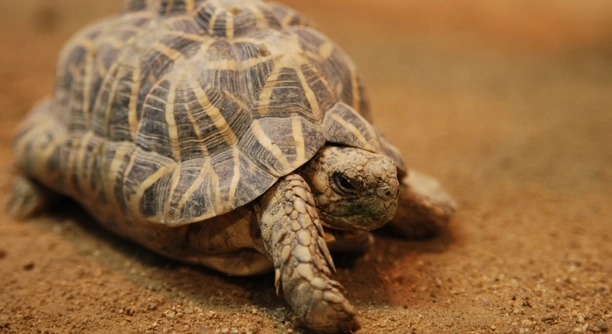
An Indian Star Tortoise is a unique and fascinating pet, but if it’s not eating, it can be worrying. There are various reasons why this might happen, from environmental factors to health concerns. Understanding these causes can help.
The most common reasons your Indian Star Tortoise may not be eating include stress, improper habitat conditions, health issues, or even changes in its routine. Ensuring a comfortable environment, proper diet, and regular health checks are key to solving the problem.
Identifying the cause of your tortoise’s loss of appetite will guide you toward the right solution. Keep reading to learn how to address the issue effectively.
Stress and Anxiety
Stress is a common issue that can lead to a loss of appetite in your tortoise. Changes in their surroundings, such as new pets, loud noises, or even too much handling, can be overwhelming. Tortoises are naturally sensitive creatures, and stress can quickly affect their eating habits.
A stressed tortoise may retreat into its shell and refuse food, sometimes for extended periods. The best way to prevent this is by maintaining a calm, quiet environment. Place your tortoise’s enclosure in a space where it feels secure, and avoid handling it too often.
In addition to reducing stressors, ensure that its habitat has all the necessary elements, such as proper temperature, humidity, and lighting. These factors directly impact your tortoise’s mood and overall well-being. A calm, stable environment can help restore its appetite and encourage healthier eating habits.
Improper Habitat Conditions
An uncomfortable habitat can also lead to eating issues. Tortoises need specific conditions to thrive, including a warm basking spot, a cool hiding area, and adequate humidity levels. Without these, they can become stressed or lethargic, which impacts their desire to eat.
To create the best environment for your tortoise, maintain the right temperature gradient and humidity levels. This includes having a heat source for basking and ensuring the cool side of the enclosure isn’t too cold. Without these basic needs met, your tortoise may lose its appetite and even experience other health issues.
Health Issues
If your tortoise isn’t eating, health problems may be the underlying cause. Infections, parasites, or even internal issues like digestive problems can cause a loss of appetite. These conditions often require a vet’s attention for proper diagnosis and treatment.
It’s important to watch for other signs of illness, such as lethargy, abnormal behavior, or changes in shell appearance. A healthy tortoise should be active and interested in food. If these signs are missing, it’s time to schedule a vet appointment. Prompt care can help prevent further complications and restore your tortoise’s appetite.
A proper diet, along with regular checkups, can keep your tortoise’s health in check. A well-balanced diet consisting of fresh greens, vegetables, and the occasional protein will boost its immune system and prevent common illnesses that can affect appetite.
Diet and Nutrition
The food you offer your tortoise can directly affect its eating habits. If your tortoise isn’t interested in the food you provide, it could be due to improper diet or lack of variety. Offering a range of vegetables and greens keeps things exciting for your tortoise.
Certain foods may also be more appealing to your tortoise. For example, leafy greens like dandelion leaves or clover can be a favorite. Avoid feeding them too much fruit, as it can lead to an imbalanced diet and may not be as appetizing for them. If your tortoise isn’t eating, try offering different food options to see what it prefers.
Sometimes, food preparation can make a difference. Chop the vegetables into smaller pieces to make them easier to eat. Even adding a little water to soften the food may encourage your tortoise to eat. Keep experimenting with various types of food until you find what your tortoise likes best.
Temperature Fluctuations
Tortoises are very sensitive to temperature changes, which can affect their appetite. If the temperature in the enclosure fluctuates too much, your tortoise may become stressed and stop eating. Keeping the temperature consistent is key.
Ensure that the basking area is warm enough, but not too hot, while the cooler side allows for temperature regulation. A stable environment is crucial for your tortoise’s comfort and health. You can use a thermometer to regularly monitor the temperature to make sure it’s within the recommended range for your tortoise’s species.
Improper Lighting
Lighting plays an essential role in your tortoise’s health and appetite. Without proper UVB lighting, your tortoise might experience vitamin D3 deficiency, which can cause appetite loss and overall lethargy. UVB light helps them absorb calcium and maintain a healthy metabolism.
A good UVB light source should be placed over the basking area. Keep the light on for about 10-12 hours each day. If your tortoise isn’t eating, check whether its lighting needs are being met. Regular exposure to UVB light is important for its overall well-being.
Boredom
Boredom can lead to a loss of appetite, as your tortoise might not feel stimulated enough to eat. Tortoises are curious animals and need activities to engage their minds. Adding variety in their environment can encourage eating.
You can add some hiding spots or safe objects for them to explore. A change of scenery in their habitat, like rearranging decorations or adding plants, can make a big difference. Boredom can also lead to stress, so keep things interesting to encourage your tortoise to stay active and hungry.
FAQ
Why is my Indian Star Tortoise not eating?
There could be several reasons your tortoise isn’t eating, including stress, poor habitat conditions, health problems, or an unbalanced diet. Begin by checking for any environmental factors that could be affecting its behavior. Ensure the temperature, humidity, and lighting are correct. If everything seems in order, consider any health issues like parasites or infections. It’s also possible your tortoise is bored or simply doesn’t like the food you’re offering. Regular health checks and a varied diet can help solve the issue.
How do I know if my tortoise is stressed?
Stress in tortoises often manifests through changes in behavior such as lethargy, hiding more than usual, or refusing food. Your tortoise may also withdraw into its shell when it feels threatened or anxious. Environmental changes, loud noises, or handling can all contribute to stress. To reduce stress, make sure the habitat is calm and quiet, and avoid frequent handling.
What temperature should my Indian Star Tortoise’s habitat be?
Indian Star Tortoises need a temperature gradient in their enclosure. The basking area should be around 90°F (32°C), while the cooler side should be between 75°F and 80°F (24°C to 27°C). This allows your tortoise to regulate its body temperature and stay healthy. Use a thermometer to monitor the conditions, and make adjustments as needed.
How much food should I feed my Indian Star Tortoise?
A general guideline is to offer food once a day. The amount depends on your tortoise’s size and age. Young tortoises need more frequent feedings, while adults may eat less. Offer a variety of fresh greens, vegetables, and occasionally fruits. Overfeeding can lead to obesity, so be sure to offer enough to keep them active but not too much that it overwhelms their appetite.
What is the best diet for an Indian Star Tortoise?
The ideal diet for your tortoise includes leafy greens like dandelion, collard greens, and mustard greens, along with other vegetables like zucchini and bell peppers. Avoid feeding them too much fruit or high-protein foods, as these can upset their digestion. A balanced diet is crucial for their health and well-being. You can also sprinkle calcium powder on the food to support their shell and bone health.
Should I provide UVB lighting for my Indian Star Tortoise?
Yes, UVB lighting is essential for your tortoise’s health. It helps them synthesize vitamin D3, which is necessary for calcium absorption. Without proper UVB light, your tortoise may develop metabolic bone disease or lose appetite. Keep the UVB light on for about 10-12 hours daily, ensuring it’s positioned correctly over the basking area.
How do I handle a sick Indian Star Tortoise?
If your tortoise is sick and not eating, it’s important to take it to a vet who specializes in reptiles. Common signs of illness include lethargy, a lack of appetite, swollen limbs, or abnormal shell conditions. A vet can diagnose the problem and provide appropriate treatment. In the meantime, keep your tortoise warm and in a stress-free environment.
How long can an Indian Star Tortoise go without food?
Indian Star Tortoises can survive for a week or longer without food, depending on their age and health. However, it’s not ideal for them to go too long without eating, as it can affect their health. If your tortoise isn’t eating for more than a few days, consider seeking advice from a vet to rule out any health problems.
Can I feed my Indian Star Tortoise fruits?
Yes, but in moderation. Fruits like melon, berries, and papaya can be offered as a treat. However, too much fruit can cause digestive issues and unbalanced nutrition. It’s best to focus on offering leafy greens and vegetables as the main part of their diet. Fruits should only make up about 10% of their overall food intake.
What do I do if my Indian Star Tortoise is eating less during winter?
In colder months, tortoises tend to eat less due to their reduced metabolism. As long as the temperature and humidity levels are maintained properly, a decrease in appetite can be normal. If your tortoise is still healthy and active, there’s usually no cause for concern. However, if the lack of appetite persists, consult a vet.
Is it normal for my Indian Star Tortoise to not eat for a few days?
Occasional periods of not eating are normal, especially if your tortoise is adjusting to new conditions or experiencing mild stress. However, if the refusal to eat lasts for more than a few days or is accompanied by other symptoms like lethargy or a change in behavior, it’s important to get a professional opinion.
What kind of water should I provide for my Indian Star Tortoise?
Your tortoise needs fresh, clean water at all times. Offer shallow dishes of water, as tortoises can easily drown in deep water. The water should be changed daily to keep it clean. Some tortoises prefer drinking from a shallow bowl, while others may enjoy soaking in it, so observe your tortoise’s habits.
How do I know if my Indian Star Tortoise is healthy?
A healthy Indian Star Tortoise should have clear eyes, a smooth shell, and be active. It should also have a regular appetite and appear alert. If your tortoise seems lethargic, has a dull shell, or refuses food for an extended period, it could be a sign of health issues. Regular checkups with a vet can help maintain its health.
Final Thoughts
Caring for an Indian Star Tortoise requires attention to detail, especially when it comes to their diet, environment, and health. These tortoises thrive in a well-maintained habitat with the right temperature, humidity, and lighting. Their diet should primarily consist of leafy greens and vegetables, with occasional fruits as treats. By providing a balanced diet and proper care, you can help your tortoise stay healthy and active.
If your tortoise is not eating, it’s important to address potential issues as soon as possible. Factors like stress, improper habitat conditions, or health problems can all contribute to a lack of appetite. Regularly check the temperature, lighting, and humidity of their enclosure to ensure they are comfortable. It’s also important to observe their behavior closely to spot any signs of illness early. If the issue persists, consulting a vet is always a good idea.
In the end, keeping your Indian Star Tortoise healthy is a combination of providing the right environment, a balanced diet, and regular monitoring for any signs of distress. With patience and care, you can ensure that your tortoise lives a long, healthy life. Always be proactive in maintaining its habitat and checking for any signs of illness. By understanding their needs, you’ll be better equipped to help them thrive.

Hello,
If you enjoy the content that we create, please consider saying a "Thank You!" by leaving a tip.
Every little bit helps us continue crafting quality advice that supports the health, happiness, and well-being of pets around the world, for pets of all shapes, sizes, and species.
We really appreciate the kindness and support that you show us!