
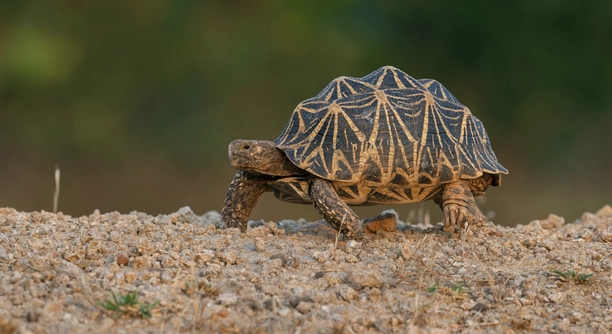
Keeping your Indian Star Tortoise’s tank clean and safe is essential for its health and well-being. Regular maintenance helps prevent potential issues and creates a comfortable environment for your pet. Here are some key tips to keep in mind.
To maintain a clean and safe tank for your Indian Star Tortoise, frequent cleaning is crucial. Regularly change the bedding, remove any waste, and monitor humidity levels. Ensure proper filtration and spot clean daily to maintain optimal health and hygiene.
By following these tips, you can ensure your tortoise’s habitat remains healthy and secure, allowing for a long, happy life.
Regularly Clean the Tank
Keeping the tank clean is the first and most important step in maintaining a safe environment for your tortoise. The enclosure should be spot cleaned daily to remove any waste, uneaten food, and water droplets. Removing waste quickly helps prevent bacteria buildup, which could lead to infections. It’s also a good idea to replace the substrate regularly, depending on what you use—such as coconut coir or paper towels. A deep clean of the entire tank should be done at least once a month to maintain hygiene and comfort for your pet.
A clean tank makes it easier to monitor your tortoise’s health and well-being. Checking for signs of illness, such as changes in behavior or appetite, is more straightforward when the environment is regularly maintained.
By keeping the tank free of waste and debris, you’re reducing the risk of your tortoise developing infections or skin irritations. This also helps prevent odors and keeps your pet in a safe and hygienic living space.
Ensure Proper Humidity and Temperature Levels
Maintaining the right temperature and humidity levels is essential for the health of your Indian Star Tortoise. Too much moisture can cause respiratory issues, while low humidity can lead to dehydration. It’s important to monitor these conditions with a reliable thermometer and hygrometer. Ideal humidity for these tortoises is between 50-70%. Make sure the basking area is warm, around 85-90°F, while the cooler side of the tank should be around 70-75°F.
A simple way to ensure the proper conditions is by using a heat lamp and a misting system to regulate both temperature and humidity levels. This will keep your tortoise comfortable and allow it to thrive. Regularly check the temperature to avoid sudden fluctuations, which can stress your pet.
Getting these environmental factors right not only improves your tortoise’s comfort but also supports its immune system, digestion, and overall health. Having a reliable source of warmth and moisture is key to keeping your pet safe.
Use Proper Filtration
Using a reliable filtration system for your tortoise’s water bowl can help keep the tank clean. Water can quickly become contaminated with bacteria, so it’s crucial to change it regularly. An aquarium filter will ensure the water stays clear and safe for your pet to drink or bathe in.
A filter also helps reduce the frequency of complete water changes. It circulates and cleans the water, removing waste, uneaten food, and other debris that might otherwise accumulate. Make sure to clean the filter regularly to keep it functioning properly.
By maintaining clean water, you help prevent diseases and encourage your tortoise to stay hydrated. Clean water plays an essential role in your tortoise’s health, and the right filter can make maintenance easier. Make sure your water system is safe, so your pet stays comfortable and well-hydrated at all times.
Choose Safe Substrate
Selecting the right substrate for your tortoise’s tank is critical. Avoid materials like sand or gravel that can pose a choking hazard or cause digestive issues if ingested. Opt for natural, non-toxic substrates like coconut coir or aspen bedding, which are safe and easy to clean.
The right substrate also helps with moisture control and can provide a more natural environment for your tortoise. It should be soft and easy on their feet while offering a way to burrow or hide. Clean the substrate regularly to avoid the buildup of waste or mold.
A suitable substrate not only promotes hygiene but also provides a comfortable space for your tortoise to explore. Choose one that mimics its natural environment and helps maintain a healthy living space. Proper substrate care is an essential part of tank cleanliness and your pet’s overall well-being.
Clean Food and Water Bowls Regularly
Food and water bowls should be cleaned daily to prevent the buildup of bacteria. Use warm water and a mild soap to scrub the bowls, ensuring they’re free of any food residue. This helps avoid contamination, which could lead to health problems for your tortoise.
Cleaning the bowls daily also encourages good hygiene. Any leftover food should be removed promptly to prevent mold growth. If food is left in the water bowl, it can spoil quickly, affecting the water quality. Keep these items fresh to maintain a healthy environment for your tortoise.
Remove Waste Immediately
Waste buildup should be dealt with as soon as it’s noticed. Tortoises can be quite messy, and leftover waste can affect the tank’s cleanliness and the health of your pet. Daily spot cleaning is a simple but effective way to maintain a hygienic space.
Removing waste immediately helps prevent unpleasant odors and bacterial growth. A dedicated scoop for waste removal makes this process quick and efficient. Keeping the tank clean of waste ensures that your tortoise has a safe and comfortable living space. It’s a crucial part of tank maintenance.
Ensure Proper Ventilation
Proper ventilation is crucial for maintaining air quality and controlling humidity levels in the tank. Without good airflow, the enclosure can become too stuffy or damp, which can affect your tortoise’s respiratory health. Use a tank lid with ventilation holes or place the tank in a well-ventilated room.
Well-ventilated tanks prevent the growth of mold and mildew, which thrive in stagnant, humid environments. This helps to keep the air fresh and clean. In addition, proper airflow reduces the chances of harmful gases building up inside the tank. Your tortoise will appreciate the better air quality.
FAQ
How often should I clean my tortoise’s tank?
The tank should be spot-cleaned daily to remove any waste or uneaten food. You should also perform a full cleaning every 1-2 weeks, which includes changing the substrate, wiping down surfaces, and disinfecting the tank. A deep clean ensures a safe, hygienic environment for your tortoise.
Can I use sand as a substrate for my Indian Star Tortoise?
It’s best to avoid using sand as a substrate. While some people use it, it can pose a risk of impaction if your tortoise ingests it. Sand can also trap moisture, leading to bacterial growth. Choose a safe substrate like coconut coir or aspen bedding instead.
What temperature should the tank be for my Indian Star Tortoise?
The temperature should range between 75°F and 90°F. Create a temperature gradient with a basking area at 85-90°F and a cooler side around 70-75°F. This allows your tortoise to move between the warm and cool areas as needed to regulate its body temperature.
How can I control humidity in my tortoise’s tank?
Humidity should be kept between 50-70%. You can control it by using a humidity gauge and misting the tank regularly, especially in dry climates. Adding a water dish or a small humidifier can also help maintain the proper moisture levels in the tank.
What should I feed my Indian Star Tortoise?
Your tortoise should have a varied diet of dark leafy greens, such as dandelion greens, collard greens, and kale. Add grasses, flowers, and small amounts of fruits and vegetables like squash and bell peppers. Avoid feeding them too much fruit as it can lead to digestive issues.
Can I put more than one tortoise in the same tank?
It’s best to house only one tortoise per tank to avoid territorial disputes and reduce stress. If you decide to house more than one, make sure the tank is large enough to allow each tortoise to have its own space. Also, monitor for any signs of aggression.
How do I prevent odors in my tortoise’s tank?
Odors are usually caused by waste or mold buildup. To prevent this, clean the tank regularly, remove waste immediately, and change the water daily. Ensure the tank has proper ventilation and avoid overfeeding, which can lead to uneaten food and excess waste.
Can I use regular tap water in my tortoise’s tank?
Regular tap water can be used, but it’s best to let it sit for 24 hours before using it, especially if your water contains chlorine or fluoride. Alternatively, you can use filtered water to ensure it’s free of harmful chemicals. Always make sure the water is clean and fresh.
What should I do if my tortoise isn’t eating?
If your tortoise isn’t eating, first check the tank’s temperature and humidity levels. Stress, an improper environment, or illness can cause a loss of appetite. If the issue persists for more than a few days, consult a vet experienced with reptiles to rule out any health concerns.
How can I tell if my tortoise is healthy?
Signs of a healthy tortoise include clear eyes, active behavior, and a smooth, firm shell. A healthy tortoise will also eat regularly and have normal bowel movements. If your tortoise seems lethargic, has cloudy eyes, or shows any signs of abnormal behavior, it may require veterinary attention.
How do I keep my tortoise hydrated?
Ensure your tortoise has access to clean water at all times. Some tortoises enjoy soaking in shallow water, which can help with hydration. Make sure the water dish is easy for your tortoise to access, and clean it daily to prevent contamination.
What should I do if my tortoise is sick?
If your tortoise shows signs of illness, such as lethargy, loss of appetite, or respiratory issues, it’s essential to take it to a vet immediately. Early intervention can prevent further health complications. A vet can help diagnose the issue and recommend appropriate treatment.
Final Thoughts
Keeping your Indian Star Tortoise’s tank clean and safe is essential for their well-being. Regular cleaning, proper temperature, and humidity levels are necessary to create a comfortable environment for your pet. By following the tips shared in this article, you’ll reduce the risk of health issues, ensuring your tortoise stays happy and healthy. Daily maintenance, like cleaning the water and food bowls and removing waste promptly, makes a big difference in the overall cleanliness of the tank.
It’s important to choose the right substrate and provide your tortoise with a suitable diet. Avoid using sand, which can be harmful, and opt for safer options like coconut coir or aspen bedding. A balanced diet with a mix of dark leafy greens, flowers, and some vegetables will help keep your tortoise in optimal health. Keep an eye on your tortoise’s behavior to spot any signs of illness early, as prompt attention can prevent further complications.
In addition to physical maintenance, the right setup plays a significant role. Maintaining proper ventilation and controlling the temperature and humidity will prevent many common issues. A well-ventilated tank ensures good air circulation, while a proper temperature gradient allows your tortoise to regulate its body heat. Keeping their environment clean and safe is not only about appearance—it’s about providing the best care possible for your Indian Star Tortoise, ensuring they thrive for years to come.

Hello,
If you enjoy the content that we create, please consider saying a "Thank You!" by leaving a tip.
Every little bit helps us continue crafting quality advice that supports the health, happiness, and well-being of pets around the world, for pets of all shapes, sizes, and species.
We really appreciate the kindness and support that you show us!