
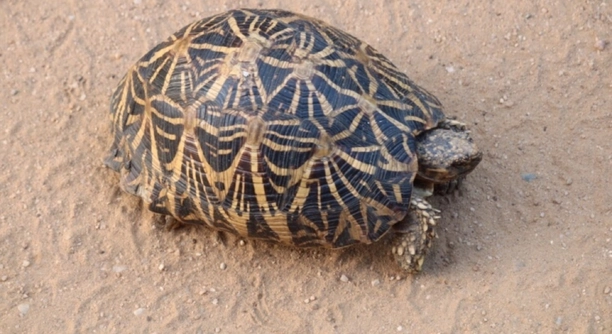
Indian star tortoises are fascinating creatures known for their unique patterns and slow-paced lifestyle. As they grow, it’s important to understand their needs to keep them healthy and thriving in a safe environment.
The growth of Indian star tortoises depends on several factors, such as diet, habitat, and care. These tortoises grow steadily over time, reaching full size by around 15-20 years, and require consistent attention to their diet and living space to support healthy development.
By knowing these key growth details, you can ensure your tortoise’s well-being. Understanding their needs helps foster a healthy environment for them to thrive.
Understanding Indian Star Tortoise Growth Stages
Indian star tortoises go through several growth stages, and each phase requires a different approach to care. They hatch small and fragile, requiring proper nutrition and warmth. As they grow, their shells become more defined, and their body size increases steadily. Initially, their growth rate may be slower, but with proper care, they can grow steadily over time. The juvenile phase is a time when they’re especially sensitive to their environment. It’s vital to create a habitat that provides both warmth and humidity to support healthy development.
As the tortoise matures, it’s crucial to adjust their diet to meet their changing nutritional needs. A balanced diet with fresh greens, fruits, and occasional protein sources promotes shell growth. The growth period continues well into their teenage years, but they will start to slow down as they near adulthood. Understanding how these stages affect their development will help you provide the best care possible.
The growth process of an Indian star tortoise can take many years. Patience and consistency are important. Healthy growth relies on proper care and environment.
Diet and Nutrition for Healthy Growth
Diet plays a crucial role in the growth of Indian star tortoises. At a young age, a high-calcium, low-protein diet is essential for their shell development. As they grow, they will require more variety in their meals. Offer a mixture of leafy greens, like dandelion, and occasional fruits. Make sure to provide calcium supplements to encourage a strong shell.
Proper nutrition is critical at every stage. As the tortoise matures, consider adjusting the diet based on their growth rate and age. Ensure their meals are balanced, offering the right nutrients for their bones and overall health. While it’s important to offer variety, avoid foods high in oxalates, as they can inhibit calcium absorption. Over time, these adjustments will contribute to steady and healthy growth.
Understanding the connection between diet and growth will ensure your tortoise thrives. Consistently offering the right foods can make a significant difference in their development.
Importance of Proper Habitat
Indian star tortoises need a stable environment to grow properly. Their habitat should include a warm, dry area with a cooler, humid zone. This helps regulate their body temperature and allows them to feel secure. A temperature range of 80-90°F is ideal for their comfort and growth.
The enclosure should be spacious enough for the tortoise to move around and explore. A well-ventilated tank or outdoor pen with natural light provides the best setup. Ensure the substrate is suitable for burrowing, such as coconut coir or soil. This helps mimic their natural environment and promotes healthy behavior. Additionally, providing hiding spots and rocks for climbing will keep them active and engaged. Maintaining proper humidity is essential, as it aids in the shedding process and supports shell growth.
Creating the perfect habitat ensures your tortoise can develop into a healthy adult. It’s a combination of heat, humidity, and space to roam freely that makes the difference.
Exercise and Activity
Exercise is essential for Indian star tortoises. A lack of movement can cause them to become overweight and less active, affecting their overall health. Letting your tortoise roam outside in a safe area will encourage natural behavior, such as climbing and digging. These activities help maintain muscle strength and improve overall well-being.
Offering a variety of objects to climb and explore also benefits their growth. Tortoises in the wild are active creatures, so providing them with opportunities to exercise will prevent lethargy. This kind of stimulation supports their growth rate and helps them develop properly. Keeping your tortoise moving is just as important as providing a nutritious diet and suitable habitat. Regular exercise is vital for their mental and physical health, contributing to their overall growth and longevity.
Shedding and Shell Growth
Indian star tortoises shed their skin and shell as they grow. This is a normal part of their development. It is important to keep an eye on their shedding process to ensure they are not stressed or dehydrated. Providing proper humidity can help.
The shedding process helps the tortoise’s shell grow in size and strength. As they grow older, the shedding may slow down but will still occur. It’s normal to see patches of old scutes coming off, which is part of the natural cycle. Regular soaking in warm water will assist in the shedding process and keep their skin hydrated.
Helping your tortoise shed properly ensures their shell stays healthy and strong throughout its growth.
Common Health Issues During Growth
As your Indian star tortoise grows, be mindful of potential health problems. Shell deformities, respiratory issues, and calcium deficiencies are common concerns. Regular check-ups and a proper diet can prevent most of these issues.
Early intervention can save your tortoise from long-term health problems. Ensuring a balanced diet with calcium and UVB light helps avoid issues like metabolic bone disease. Proper humidity and temperature control will also support their overall health.
Lighting and UVB Requirements
Indian star tortoises need exposure to UVB light for proper shell and bone development. Without UVB, they may suffer from metabolic bone disease. Providing natural sunlight or UVB bulbs ensures they receive the light they need to thrive.
FAQ
How fast do Indian star tortoises grow?
Indian star tortoises grow steadily, but their rate of growth can vary based on diet, environment, and care. Typically, they can reach full size in 15 to 20 years. As hatchlings, they may grow about 1-2 inches in their first year, with slower growth in the following years. Providing a proper diet with plenty of calcium and UVB light can support optimal growth.
What should I feed my Indian star tortoise?
Indian star tortoises need a diet rich in leafy greens like dandelion, collard greens, and turnip greens. They also enjoy a variety of grasses and some fruits like melon and berries. Avoid high-protein foods and limit fruits to prevent obesity. Occasionally, you can add calcium supplements to their diet to promote strong shell growth.
Do Indian star tortoises need water?
Yes, they do need water. It’s important to provide fresh water at all times. Soaking them in shallow water once a week helps with hydration and supports the shedding process. Make sure the water is not too deep, as tortoises can easily drown if they can’t touch the bottom.
Can I keep more than one tortoise together?
Indian star tortoises can live together, but it depends on the size of their habitat. It’s best to house them individually, especially during their younger years, to avoid competition for food and space. If you do house more than one, ensure there’s plenty of room for them to move freely and plenty of food to go around.
Do they need a specific temperature range?
Yes, temperature is crucial for the health and growth of Indian star tortoises. They need a warm area between 85-90°F during the day and a cooler area of around 75°F. Nighttime temperatures can drop to 70°F. Providing a basking spot with temperatures reaching 95°F will allow them to regulate their body temperature.
How long do Indian star tortoises live?
Indian star tortoises can live up to 50 years or more with proper care. They are slow-growing creatures, so they need a long-term commitment to ensure they live a healthy life. Regular check-ups and a proper environment contribute to their longevity.
Can I keep them outdoors?
Yes, Indian star tortoises can be kept outdoors in a safe, secure enclosure. The outdoor environment must provide a warm, shaded area and enough space for them to roam. Ensure the enclosure is escape-proof and protected from predators. An outdoor enclosure should have a temperature range that mimics their natural habitat.
What size enclosure do they need?
As they grow, Indian star tortoises need larger spaces. For hatchlings, a 20-gallon enclosure is suitable, but as they grow, you’ll need to provide more space. An adult tortoise requires at least a 4×8-foot enclosure, but bigger is always better to allow for more natural movement and exercise.
Do they require UVB light?
Yes, UVB light is essential for the health of Indian star tortoises. Without UVB, they can develop metabolic bone disease, which affects their shell and bone structure. If you’re keeping them indoors, use a UVB light bulb designed for reptiles, and ensure it is positioned correctly to provide sufficient exposure.
How can I tell if my tortoise is healthy?
A healthy Indian star tortoise has clear eyes, a smooth shell with no cracks or soft spots, and active behavior. Their appetite should be good, and they should move around freely. If you notice any signs of illness, such as lethargy, discharge from the nose or eyes, or changes in appetite, it’s important to consult a vet.
What kind of substrate should I use for their habitat?
The substrate should mimic their natural environment. Coconut coir, organic soil, and cypress mulch are great options. These materials help maintain humidity and provide a surface they can burrow into. Avoid using sand or gravel, as they can cause digestive problems if ingested.
Can Indian star tortoises be housed with other species?
It’s best to house Indian star tortoises separately from other species. They can be territorial and may not get along with other types of reptiles. If you decide to house them with others, monitor closely for any signs of aggression or stress. Providing enough space and resources will help reduce any conflicts.
How often should I clean their enclosure?
You should clean your Indian star tortoise’s enclosure regularly to prevent bacteria buildup. Spot clean daily by removing uneaten food and waste. Every 2-3 weeks, do a more thorough cleaning, disinfecting the entire enclosure to maintain a healthy environment. Make sure to replace the substrate as needed.
What are signs that my tortoise is stressed?
Stress in Indian star tortoises can manifest as hiding, loss of appetite, or aggressive behavior. Stress may occur due to improper temperature, inadequate humidity, or overcrowded living conditions. If you notice these signs, assess their environment and make adjustments to ensure they feel safe and comfortable.
How often do Indian star tortoises need to be soaked?
Indian star tortoises should be soaked once a week to help with hydration and shell shedding. Use shallow, lukewarm water, and never leave them unattended. Soaking also encourages natural behaviors and helps prevent dehydration, which can lead to health issues over time.
Can I feed them fruits regularly?
While fruits are a great treat, they should not be a regular part of an Indian star tortoise’s diet. Too much fruit can cause digestive problems and obesity. Offer fruits like watermelon, cantaloupe, or berries only occasionally, and focus on leafy greens and grasses for their main meals.
Final Thoughts
Indian star tortoises are fascinating creatures that require careful attention to their environment and diet to thrive. As slow-growing reptiles, they have specific needs that, when met, allow them to live long, healthy lives. From providing the right temperature to feeding them a balanced diet, every aspect of their care plays a significant role in their development. Understanding the importance of UVB light, hydration, and proper habitat is essential for keeping them healthy and happy in captivity.
Their growth may be gradual, but with proper care, these tortoises can grow into magnificent pets. It’s important to remember that they can live for decades, so owning one is a long-term commitment. Providing a large enough enclosure, with a secure, warm environment, is key to ensuring they get the exercise and space they need. Regular check-ups with a vet who understands reptile care can help catch any potential health issues early. Monitoring their growth and behavior allows you to make adjustments to their care when necessary.
Whether you choose to keep them indoors or outdoors, Indian star tortoises need a stable environment to feel safe and thrive. They’re not overly demanding but do need consistent attention to ensure their comfort and wellbeing. As long as their basic needs are met, they make unique, low-maintenance pets that can be a joy to care for over the years. Their slow growth and peaceful demeanor make them a rewarding species to look after, allowing you to form a lasting bond with your tortoise.

Hello,
If you enjoy the content that we create, please consider saying a "Thank You!" by leaving a tip.
Every little bit helps us continue crafting quality advice that supports the health, happiness, and well-being of pets around the world, for pets of all shapes, sizes, and species.
We really appreciate the kindness and support that you show us!