
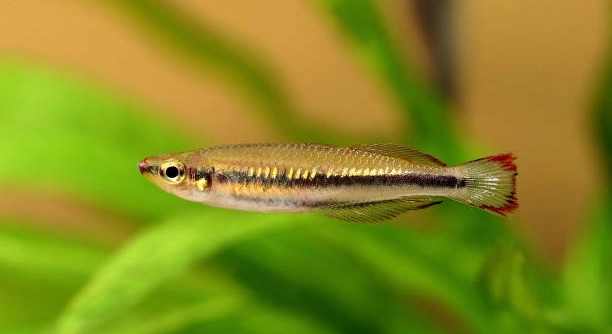
Keeping multiple fish together can sometimes be challenging, especially when their personalities clash or their environment isn’t set up correctly. Ensuring a peaceful and balanced tank takes attention, patience, and the right approach to care and management.
Improving tank harmony requires attention to compatibility, environment, and routine maintenance. Properly selecting species, monitoring interactions, and providing adequate hiding spaces and stimulation reduces stress and promotes a stable, healthy, and balanced aquatic community.
Maintaining a harmonious tank benefits both the fish and their owner, creating a calmer and more enjoyable environment for everyone. Understanding these practices will help sustain long-term tank health and peace.
Understanding Fish Compatibility
Not all fish can live together peacefully, and mismatched species can lead to stress or aggression. It’s important to research the natural behaviors, sizes, and temperaments of your fish before introducing them to the tank. Aggressive fish may intimidate or harm smaller, calmer species, causing constant tension. Schooling fish often require groups of the same species to feel secure, and mixing them with solitary or territorial fish can create conflict. Even within the same species, some fish may be more dominant than others, which can disrupt balance. Observing behavior after introducing new fish is crucial. If signs of stress or aggression appear, adjustments may be necessary. Adjustments can include rearranging the tank layout, separating problematic individuals, or rethinking species combinations. Ensuring compatible tank mates from the start saves time, reduces stress for both you and your fish, and creates a more stable aquatic environment where all inhabitants can thrive comfortably.
Selecting compatible species reduces aggression and promotes natural, calm behaviors. Understanding size, temperament, and social needs is essential for a peaceful tank.
Creating a harmonious tank begins with careful planning. Combining fish that share similar temperaments and environmental needs is key. For example, small, peaceful fish often thrive together but may be stressed by larger, more aggressive species. Providing proper hiding spots, open swimming areas, and balanced groupings further supports harmony. Avoid introducing too many fish at once, as sudden changes can increase stress and provoke conflicts. Observing how fish interact over time helps identify tensions early and allows corrective measures. Small adjustments in tank layout, adding plants, or adjusting water conditions can make a significant difference in reducing stress. By prioritizing compatibility, you create a calm and visually appealing tank that is enjoyable to care for.
Maintaining Clean Water Conditions
Regular water maintenance is essential to keep fish healthy and stress-free. Dirty or unbalanced water can lead to aggression, illness, and poor overall tank harmony.
Keeping the tank clean involves more than changing water. Testing water regularly for pH, ammonia, nitrate, and nitrite levels is necessary to ensure stability. Filtration systems should be appropriate for the tank size and cleaned periodically to function efficiently. Overfeeding can cause waste buildup, leading to poor water quality, so providing the right amount of food is crucial. Regular partial water changes, usually 20-30% weekly, help maintain optimal conditions. Adding plants or decorations can assist with natural filtration while giving fish spaces to retreat and reduce stress. Consistency in maintenance routines keeps water parameters stable, preventing sudden changes that might trigger aggressive behavior. Healthy water supports natural behaviors, making fish more likely to coexist peacefully.
Proper water management not only improves the immediate health of your fish but also supports long-term harmony. Regular checks, careful feeding, and attentive cleaning help prevent conflicts and disease, creating a stable and thriving tank environment. Fish respond positively to clean water, showing calmer and more predictable behaviors. Maintaining this balance requires ongoing attention and observation, but the results are a happier, more harmonious tank. Implementing a consistent schedule and addressing issues early ensures all tank inhabitants enjoy a safe and comfortable habitat.
Providing Adequate Hiding Spaces
Fish need areas to retreat to reduce stress and avoid conflicts. Rocks, plants, and decorations create natural barriers that help maintain peace in the tank.
Adding hiding spots gives timid or smaller fish security, helping them feel safe from more dominant tank mates. Plants can serve both as hiding places and as visual breaks, preventing constant line-of-sight confrontations. Caves, tunnels, or densely planted corners allow fish to establish their own territory, which can reduce aggressive encounters. Proper placement of decorations ensures the tank has open swimming areas as well as retreat zones. Observing fish preferences can guide where to place items to maximize comfort and minimize tension.
Hiding spaces also support natural behaviors, such as exploring and resting, which promotes healthier fish overall. Fish with access to shelters are less likely to stress or display aggression, improving the overall balance of the tank. Strategically arranging plants and decorations creates a dynamic environment where each fish can establish a safe zone while still enjoying communal spaces.
Monitoring Fish Behavior
Regularly watching how fish interact helps catch issues before they escalate. Aggression, chasing, or unusual hiding patterns signal potential problems.
Noticing changes in behavior early can prevent fights and stress-related illnesses. Fish may become aggressive if overcrowded, underfed, or if a new tank mate is introduced improperly. Monitoring daily allows you to identify dominant or bullied individuals and adjust the tank setup accordingly. Recording behaviors can help track patterns and detect early signs of illness or imbalance. Intervening quickly, whether by separating fish or modifying the environment, prevents long-term stress.
Consistent observation helps maintain a peaceful tank environment. By understanding each fish’s personality and reactions, you can make informed decisions on placement, feeding, and group dynamics. Small interventions, like rearranging hiding spots or adjusting group sizes, can have a big impact on reducing tension. Monitoring ensures fish remain healthy, active, and comfortable while fostering a harmonious community. Over time, this proactive approach strengthens stability and allows all tank inhabitants to thrive together.
Establishing a Proper Feeding Routine
Consistent feeding helps reduce competition and aggression among fish. Overfeeding can lead to stress, waste buildup, and fights over food.
Providing the right amount at scheduled times keeps fish healthy and minimizes conflicts. Using multiple feeding spots ensures all fish get access and prevents dominant fish from bullying others.
Controlling Tank Population
Maintaining the correct number of fish is essential for harmony. Overcrowding increases stress, aggression, and competition for resources. Careful planning of tank capacity helps each fish have enough space to swim and establish territories.
Maintaining Proper Water Temperature
Stable water temperature supports fish health and calm behavior. Sudden changes can stress fish and trigger aggression. Regular monitoring ensures the tank remains within the ideal range for all species, creating a balanced and peaceful environment.
FAQ
How do I know if my fish are compatible?
Compatibility is based on species, size, temperament, and social behavior. Peaceful fish should be paired with similar species, while aggressive or territorial fish need more space and fewer companions. Observing interactions after introduction can indicate whether adjustments are needed.
What should I do if one fish is bullying others?
First, check for overcrowding or lack of hiding spots. Adding plants, rocks, or decorations can create barriers and reduce stress. If bullying persists, consider separating the aggressive fish or rehoming it. Maintaining proper group sizes also helps reduce dominance conflicts.
How often should I clean the tank?
Partial water changes of 20-30% weekly are ideal. Regularly check and clean filters, remove uneaten food, and vacuum the substrate. Clean water keeps fish healthy and minimizes stress that can lead to aggression.
Can adding plants improve tank harmony?
Yes, live or artificial plants provide hiding spots, reduce stress, and break up sight lines between aggressive and timid fish. They also create natural territories, helping fish feel secure and reducing conflicts.
Is feeding multiple times a day better than once?
Small, frequent feedings prevent competition and aggression over food. Multiple feeding spots ensure all fish get access and reduce dominant fish from controlling meals. Avoid overfeeding, as leftover food can harm water quality.
How do I introduce new fish without causing stress?
Quarantine new fish for at least two weeks to prevent disease. Introduce them gradually using a separate tank or a divider. Monitor their behavior and ensure the tank has enough hiding spaces to reduce tension during the adjustment period.
What signs indicate fish are stressed?
Stress can show as hiding excessively, rapid gill movement, loss of appetite, or aggressive chasing. Poor water quality, overcrowding, or incompatible tank mates are common causes. Addressing these factors helps maintain harmony.
Should I mix different sizes of fish?
Mixing very small and very large fish can create bullying or predation issues. Ensure sizes are compatible and provide hiding spaces for smaller fish to avoid stress and harm.
Does water temperature affect behavior?
Yes, sudden changes can make fish more aggressive or lethargic. Keep the tank within the ideal temperature range for the species. Stable temperatures support calm behavior and overall health.
Can overcrowding be a problem even with compatible fish?
Overcrowding increases stress, reduces hiding space, and can trigger aggression even among peaceful species. Follow recommended tank capacities and consider fish growth when planning the number of inhabitants.
How important is observing daily behavior?
Daily observation allows you to detect aggression, illness, or stress early. Noticing patterns helps you adjust feeding, hiding spaces, or tank layout to maintain harmony. Proactive care prevents long-term problems.
What are signs that the tank environment needs adjustment?
Frequent chasing, hiding, torn fins, or constant stress behaviors indicate issues. These may stem from water quality, overcrowding, incompatible species, or lack of hiding spaces. Making small changes often resolves the problem.
Can decorations and tank layout influence fish interactions?
Yes, strategic placement of rocks, plants, and tunnels can prevent direct confrontations and give fish personal territories. Varied environments reduce stress and improve overall tank balance.
How do I handle aggressive fish long-term?
Identify the cause, such as space, hunger, or dominance. Adjust tank layout, reduce numbers, or separate aggressive individuals. Long-term management ensures calmer, healthier interactions.
Is it necessary to monitor water parameters constantly?
Yes, regular testing for pH, ammonia, nitrate, and nitrite helps maintain stable conditions. Fluctuations can stress fish, leading to aggression or illness. Consistent monitoring supports harmony and long-term health.
Can schooling fish improve tank balance?
Yes, many species feel more secure in groups. Properly sized schools reduce stress and aggression, while providing natural social behaviors. Ensure the group is compatible with other tank inhabitants.
How can I prevent territorial disputes?
Provide hiding spots, evenly distributed decorations, and open swimming areas. Avoid overcrowding and observe dominant individuals. Adjusting layout and group sizes minimizes conflicts over territory.
What role does diet play in harmony?
A balanced diet keeps fish healthy and reduces stress-related aggression. Overfeeding or underfeeding can trigger competition. Provide appropriate portions and varied nutrition for all species.
Are there behavioral signs that indicate a fish is unhappy with its environment?
Signs include constant hiding, fin nipping, chasing others, or lethargy. These indicate stress from overcrowding, poor water quality, or incompatible tank mates. Adjusting the environment can improve comfort and reduce tension.
How do I gradually acclimate fish to a new tank?
Float the bag in the tank for temperature adjustment, then slowly mix tank water into the bag over an hour. Gradual introduction reduces shock and stress, helping fish settle calmly.
Can adding more fish ever improve harmony?
Adding compatible schooling fish can improve confidence for shy species, but overcrowding risks outweigh benefits. Always consider tank size and individual temperaments before introducing new fish.
How do I know if hiding spaces are sufficient?
If timid fish still show stress or are constantly chased, more shelters are needed. Adjust plants, caves, or decorations to give all fish access to secure areas.
What is the best way to address persistent aggression?
Separate aggressive individuals temporarily or permanently, increase hiding spots, and reduce stressors. Careful monitoring ensures long-term peace without harming other tank inhabitants.
Does tank size directly affect harmony?
Yes, larger tanks reduce stress by providing space for swimming and territory establishment. Small tanks limit movement, increase competition, and amplify aggressive behaviors. Proper sizing is crucial for a balanced community.
How can I encourage shy fish to interact safely?
Provide shelters, low-traffic areas, and compatible companions. Gradually increase exposure to open areas once they gain confidence. This supports natural behavior without causing stress or aggression.
What routine practices help maintain long-term tank harmony?
Regular water changes, observing behavior, maintaining proper feeding, and cleaning filters keep the environment stable. Adjustments to decorations, population, and water parameters prevent stress and aggression. Consistency ensures a peaceful, healthy tank for all fish.
How often should I check for changes in behavior or tank dynamics?
Daily observation is ideal. Watch interactions, feeding behavior, and responses to changes in environment. Early detection of stress or conflict allows quick intervention to maintain balance.
Are there signs that a fish is adjusting well to a new tank?
Exploring the environment, regular eating, calm swimming, and interacting appropriately with other fish indicate positive adjustment. Gradual confidence shows comfort with surroundings and tank mates.
Can aggressive behavior be natural rather than a problem?
Some displays, like mild chasing or establishing territory, are normal. Persistent, harmful aggression or stress signals an issue that needs attention. Understanding natural behaviors helps differentiate normal interactions from concerning conflicts.
Does the type of substrate affect harmony?
Yes, rough or sharp substrates can injure fish during conflicts, while smooth substrates reduce risk. Substrate choice also influences digging or burrowing behaviors, contributing to overall stress levels.
How can I keep all fish fed fairly?
Spread food across the tank, use multiple feeding points, and provide species-appropriate portions. This reduces competition and ensures smaller or timid fish have access to meals.
Is it better to add new fish slowly or all at once?
Gradual introduction is safer. Adding several fish at once can overwhelm the environment and increase aggression. Introduce new fish in stages, observing interactions carefully.
What adjustments can help if fish fight over territory?
Increase hiding spots, rearrange decorations, or separate dominant individuals. Reducing competition and providing multiple zones supports calmer behavior.
How do I handle conflicts between different species?
Ensure compatibility, provide adequate space, and observe interactions closely. Incompatible pairings may require separating one or more species to restore peace.
Can environmental enrichment improve tank harmony?
Yes, adding plants, rocks, or tunnels encourages natural behaviors, reduces stress, and minimizes aggression. A dynamic environment keeps fish engaged and balanced.
What is the role of observation in long-term harmony?
Regularly monitoring fish behavior, health, and interactions allows early intervention. Observation helps maintain a stable, peaceful environment and prevents long-term stress or aggression.
How do I deal with a dominant fish taking over the tank?
Rearrange decorations to disrupt established territories, provide additional hiding spaces, or separate the dominant fish if necessary. This helps restore balance and reduces stress for other fish.
Can tank lighting influence fish behavior?
Yes, harsh or inconsistent lighting can stress fish. Moderate, stable lighting supports natural behaviors and reduces tension among tank inhabitants.
How important is quarantine before introducing new fish?
Quarantine prevents disease spread and allows observation of temperament. It reduces stress on existing fish and maintains long-term harmony in the tank.
What daily tasks support tank harmony?
Feeding appropriately, observing behavior, checking water conditions, and maintaining cleanliness help prevent stress, aggression, and health issues. Consistency ensures a balanced, peaceful environment.
How do I prevent boredom and stress in the tank?
Provide hiding spots, decorations, and compatible companions. Occasional rearrangements and enrichment encourage natural behaviors and reduce tension among fish.
Can temperature fluctuations trigger aggression?
Yes, sudden changes can increase irritability and provoke fights. Maintaining stable, species-appropriate temperatures supports calm behavior and tank harmony.
What long-term practices maintain a peaceful tank?
Consistent feeding, water maintenance, monitoring behavior, and adjusting environment as needed ensures fish remain healthy and interactions stay calm over time. Small, proactive measures prevent conflicts and promote balance.
How can I ensure all fish have equal access to resources?
Distribute food, provide multiple hiding spaces, and avoid overcrowding. Ensuring fair access reduces stress and competition, supporting overall tank harmony.
Are there warning signs before aggression becomes serious?
Chasing, fin nipping, or prolonged hiding indicate rising tension. Addressing these signs early with environmental adjustments or separation prevents serious conflicts.
Does tank decoration arrangement affect social hierarchy?
Yes, strategic placement of plants and caves influences territories, reduces line-of-sight stress, and helps subordinate fish avoid dominant individuals. Proper layout supports calmer interactions.
How can I reduce stress during water changes?
Perform partial, gradual water changes, maintain temperature consistency, and avoid sudden disturbances. Minimizing stress helps fish remain calm and preserves tank harmony.
Is it normal for fish to occasionally chase each other?
Brief chasing can be natural territory or dominance behavior. Persistent, aggressive chasing that harms fish requires intervention and adjustment of the environment.
Can introducing a new fish upset established dynamics?
Yes, new fish can trigger aggression or stress in existing inhabitants. Gradual introduction, hiding spots, and careful observation help minimize disruption.
How do I manage multi-species tanks effectively?
Select compatible species, provide adequate space and hiding spots, monitor interactions, and maintain water quality. Attention to behavior and environment ensures peaceful coexistence.
What role does tank size play in aggression management?
Larger tanks reduce stress, provide more swimming space, and allow territories to form without constant confrontation, minimizing aggressive behavior and improving harmony.
How can I tell if my tank layout is effective?
Fish should explore, hide, and interact naturally. Limited hiding, constant chasing, or overcrowding suggests layout adjustments are needed to support balance.
Are small conflicts always a problem?
Minor disputes over territory or hierarchy are normal, but persistent harm, stress, or injury indicates the need for intervention. Monitoring distinguishes harmless interactions from serious issues.
Does regular observation reduce long-term conflicts?
Yes, spotting early signs of stress, aggression, or illness allows timely adjustments. Consistent observation helps maintain a stable and harmonious environment for all fish.
Can changing decorations periodically improve harmony?
Yes, rearranging plants, rocks, and tunnels disrupts established territories and encourages exploration, reducing dominance issues and keeping the environment dynamic.
How do I know when to separate a fish?
Separation is needed if aggression persists despite environmental adjustments, if a fish is injured, or if stress prevents normal behavior. Temporary or permanent separation can restore balance.
What’s the best approach to long-term tank harmony?
Combine proper species selection, consistent maintenance, environmental enrichment, careful observation, and proactive adjustments. Balanced care ensures fish remain healthy, calm, and compatible over time.
How often should I review tank dynamics?
Daily observation is ideal. Check for behavior changes, stress signals, and interactions. Regular reviews allow quick adjustments to maintain peace and stability.
Can lighting, water flow, and decor collectively impact behavior?
Yes, uneven lighting, strong currents, or poor layout can stress fish and provoke aggression. Balanced conditions support calm, natural behaviors and harmony in the tank.
Are shy fish indicators of an unbalanced tank?
Constant hiding or avoidance may signal stress, overcrowding, or aggressive tank mates. Adjusting environment and population helps restore balance and comfort.
How can I balance aggression and natural behaviors?
Provide hiding spaces, maintain proper population, observe interactions, and allow mild displays of dominance without harm. Balance supports natural behaviors while preventing serious conflicts.
Do water chemistry changes affect fish temperament?
Yes, fluctuations in pH, ammonia, or nitrite levels can stress fish, making them more aggressive or lethargic. Maintaining stable chemistry supports calm, healthy behavior.
What role does diet variety play in behavior?
A balanced, species-appropriate diet reduces competition and stress. Overfeeding or inconsistent meals can trigger aggression or unhealthy interactions. Proper nutrition promotes harmony.
How can I ensure new fish integrate smoothly?
Quarantine, acclimate gradually, provide hiding spaces, and observe interactions. Introduce slowly to avoid disrupting established dynamics and minimize stress on all fish.
Is it necessary to adjust tank environment as fish grow?
Yes, growth can increase space requirements and shift social hierarchies. Updating hiding spots, tank size, or population maintains harmony over time.
What preventive measures support long-term tank peace?
Regular maintenance, observation, compatible species, appropriate population, enrichment, and stable water parameters all work together to prevent stress, aggression, and conflict in the tank.
Can fish personalities affect harmony?
Yes, even within compatible species, some individuals are more dominant or timid. Observing personalities helps adjust tank setup and groupings for balance.
How do I address persistent fin nipping?
Increase hiding spaces, monitor for stress, separate aggressive fish if needed, and ensure proper diet. Environmental and behavioral adjustments reduce harm.
Are water changes always stressful?
Partial, gradual changes with consistent temperature minimize stress. Sudden, large changes can provoke aggression or hiding behavior. Proper technique supports calm fish.
What’s the best method to monitor social balance?
Observe daily interactions, feeding, and hiding behavior. Note aggression patterns, stress signs, and any shifts in hierarchy to maintain a harmonious environment.
Can overcrowding occur even in a large tank?
Yes, too many fish or incompatible species can cause stress regardless of tank size. Proper population management is key for harmony.
Do tank decorations need maintenance?
Yes, algae removal and repositioning help maintain hiding spaces and prevent territorial disputes. Clean, functional decor supports a healthy environment.
How can I prevent disease from affecting harmony?
Quarantine new fish, maintain clean water, provide proper nutrition, and monitor health. Healthy fish are calmer and less likely to stress or fight.
Does water flow influence aggression?
Yes, strong currents can stress some fish and favor stronger, dominant individuals. Adjust flow to suit all species for balanced behavior.
How do I ensure fair feeding access for all fish?
Spread food, use multiple feeding points, and observe mealtime to prevent dominant fish from monopolizing resources. Ensuring fairness reduces tension.
What are common signs of tank imbalance?
Frequent chasing, hiding, fin damage, or uneven feeding indicate stress, overcrowding, or incompatible species. Early intervention restores harmony.
Can adjusting the number of tank mates help?
Yes, reducing population or adding compatible schooling fish can improve interactions. Carefully managing numbers supports calm, balanced behavior.
How do I prevent new fish from triggering fights?
Introduce gradually, provide hiding spots, and monitor closely. Quarantine and acclimation reduce stress on both new and existing fish.
Are some species naturally aggressive?
Yes, certain species establish dominance or territory. Proper planning, space, and compatible tank mates minimize conflicts.
Can tank lighting affect hiding behavior?
Bright or uneven lighting can increase stress, causing timid fish to hide excessively. Balanced lighting encourages normal exploration and interaction.
How do I maintain harmony in mixed-species tanks?
Select compatible species, provide hiding spots, monitor behavior, manage population, maintain water quality, and adjust environment as needed. This approach supports peaceful coexistence.
What role does observation play in long-term success?
Daily monitoring identifies stress, aggression, or illness early. Proactive adjustments based on observation prevent conflicts and ensure a stable, harmonious tank.
How important is tank layout for long-term harmony?
Proper layout with hiding spots, open areas, and visual barriers supports natural behavior, reduces stress, and minimizes conflicts among fish.
Can fish acclimation impact harmony?
Yes, gradual acclimation reduces stress and aggression. Sudden introduction can disrupt balance and increase fights. Proper timing ensures smoother integration.
How do I balance enrichment with peace?
Provide decorations, plants, and tunnels that encourage exploration without overcrowding. Balance stimulation with calm spaces to maintain harmony.
What long-term adjustments might be needed?
As fish grow or populations change, update hiding spaces, tank size, and layout to prevent aggression and maintain peaceful coexistence.
How can I track the success of harmony strategies?
Observe behavior, feeding patterns, and stress levels regularly. Reduced chasing, healthy eating, and calmer interactions indicate effective strategies.
Can small environmental tweaks make a difference?
Yes, rearranging plants, adding shelters, or adjusting feeding routines can significantly reduce aggression and improve tank balance.
How do I handle persistent stress in timid fish?
Increase hiding spots, adjust tank mates, ensure proper feeding, and monitor water quality. Reducing stress improves overall harmony.
Is continuous observation necessary?
Yes, ongoing monitoring allows quick responses to changes, keeping fish healthy and maintaining a peaceful, stable environment.
How can I prevent dominant fish from controlling the tank?
Provide multiple territories, hiding spaces, and consider separating overly aggressive individuals. Balance ensures all fish coexist peacefully.
Does feeding variety influence harmony?
Yes, providing species-appropriate, varied diets prevents competition and stress, promoting calmer interactions among fish.
Can rearranging the tank disrupt social hierarchies?
Yes, careful rearrangement can reduce territorial disputes, encourage exploration, and prevent dominance conflicts, supporting overall harmony.
What should I do if fish stop interacting normally?
Check water quality, population, tank layout, and health. Identifying stressors and making adjustments
Maintaining a peaceful and balanced tank requires consistent attention and thoughtful planning. Every fish has its own personality, needs, and behaviors, which influence how it interacts with others. By understanding species compatibility, you can prevent conflicts before they start. Researching fish temperaments, sizes, and social requirements is an important first step. Placing incompatible fish together often leads to stress, aggression, and health problems. Observing interactions after introducing new fish helps identify issues early and allows for timely adjustments. Providing hiding spaces and arranging decorations strategically also supports a calmer environment. Fish need areas to retreat to reduce tension and establish territories. Plants, rocks, tunnels, and other structures create secure zones where timid fish can feel safe, which decreases aggressive behavior from dominant individuals. Maintaining proper water quality is equally important. Regular testing, filtration, and partial water changes keep the environment stable. Unstable water conditions, overcrowding, or improper temperatures often increase stress, making fish more prone to aggression. A stable, clean, and properly heated tank encourages natural behaviors and promotes harmony among all inhabitants.
Feeding routines play a critical role in maintaining peace. Overfeeding or inconsistent feeding can trigger competition and aggression, especially in tanks with multiple species or varying sizes. Providing the right amount of food at consistent times helps prevent dominance struggles and ensures all fish receive adequate nutrition. Using multiple feeding points can reduce competition and give timid fish a chance to eat without being harassed. Monitoring behavior during feeding times is helpful, as it allows you to identify aggressive tendencies early. Small interventions, like spreading food across the tank or adjusting portions, can prevent long-term tension. Observation is key in all aspects of tank care. Daily attention to interactions, swimming patterns, hiding behavior, and overall activity helps catch issues before they escalate. Noticing changes in temperament or health allows for corrective actions, whether that involves rearranging the tank, adjusting the population, or separating problematic individuals. Consistent observation ensures that the tank remains a safe and comfortable environment for all fish, allowing them to thrive and coexist peacefully.
Long-term harmony depends on a combination of careful planning, proactive maintenance, and attentive care. Adjustments may be needed as fish grow, populations change, or new species are added. Tank layouts, hiding spots, and feeding strategies should evolve to meet the changing needs of the inhabitants. Environmental enrichment, such as plants and decorations, encourages natural behaviors while reducing stress and conflict. Even minor tweaks, like moving a plant or adding a tunnel, can have a significant impact on reducing aggression and improving interactions. Temperature, water quality, and population management also play critical roles in sustaining a stable tank. By prioritizing consistency, monitoring, and appropriate adjustments, you can create an environment where fish remain healthy, calm, and active. The goal is to provide a tank that supports natural behaviors while minimizing stress and tension. Over time, careful attention to compatibility, habitat setup, feeding, and water conditions results in a harmonious, balanced tank. This not only improves the well-being of the fish but also makes caring for the tank a more enjoyable and rewarding experience, ensuring a peaceful environment for everyone involved.

Hello,
If you enjoy the content that we create, please consider saying a "Thank You!" by leaving a tip.
Every little bit helps us continue crafting quality advice that supports the health, happiness, and well-being of pets around the world, for pets of all shapes, sizes, and species.
We really appreciate the kindness and support that you show us!