
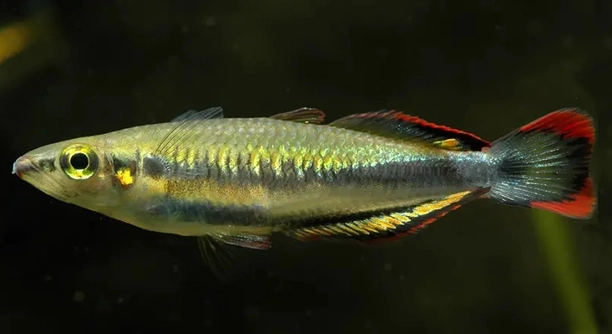
Rainbowfish are small, colorful fish that brighten up any aquarium. Watching them swim gracefully can be relaxing, but they also need rest. Understanding their sleeping habits can help keep them healthy and comfortable in their tank.
Rainbowfish do not sleep all at once. They have periods of rest that occur individually, often hiding among plants or near the bottom of the tank. These resting patterns allow them to stay alert to their surroundings.
Observing their unique sleep habits can help you create a peaceful environment for them. Proper care ensures their colors stay vibrant and their behavior remains natural.
How Rainbowfish Rest in Their Tank
Rainbowfish have a unique way of resting that is different from many other fish. They do not have eyelids, so they cannot close their eyes. Instead, they slow down their movements and often hover near plants or decorations. Some like to rest near the bottom, blending in with gravel or rocks. Their fins may move slightly, keeping them balanced while conserving energy. You might notice one fish slowing down while others continue swimming. This is normal and shows that they take rest individually. Creating a calm environment helps them feel safe while resting. Bright lights can disturb them, so dim lighting during nighttime hours can make a big difference. Observing these patterns over time allows you to notice changes in behavior that may indicate stress or health issues. Each rainbowfish develops its own resting routine, which is important to respect.
Resting patterns vary depending on the tank setup, lighting, and other fish. Understanding this helps maintain harmony.
Giving them space and gentle lighting encourages healthy rest. A peaceful tank keeps rainbowfish active during the day and relaxed at night.
Factors Affecting Rainbowfish Sleep
Temperature plays a significant role in how rainbowfish rest. Warmer water can make them more active, while cooler water encourages slower movements and longer rest periods. Sudden changes in water temperature may disturb their sleep patterns, causing stress or unusual behavior. Tank size also matters; a cramped tank can make it harder for fish to find safe resting spots. Hiding places, such as plants or small caves, provide security during rest. The presence of other fish affects their comfort as well. Aggressive or overly active tank mates may prevent rainbowfish from resting properly, while peaceful companions allow them to rest without interruption. Feeding schedules impact energy levels; fish with irregular feeding may be restless or fatigued. Maintaining clean water with regular filtration reduces stress, promoting better rest. Monitoring these factors ensures rainbowfish develop consistent rest habits, stay healthy, and display their natural colors more vividly.
Lighting, tank setup, and companions all influence their ability to rest. Proper care supports natural sleep patterns and overall health.
Creating a Comfortable Sleeping Environment
Soft lighting helps rainbowfish rest better at night. Bright or flashing lights can make them uneasy. Adding plants or small decorations gives them hiding spots to feel safe while resting. A peaceful tank encourages natural behaviors and reduces stress, improving their overall health and activity during the day.
Providing enough space in the tank is essential for rainbowfish to find comfortable resting spots. Crowded conditions force them to compete for space, which can disrupt sleep and increase stress. Floating plants or dense decorations give them areas to hover or hide without feeling exposed. Monitoring their behavior helps identify whether the setup is working. Proper temperature, gentle lighting, and sufficient hiding spaces all contribute to a calm environment. Observing these details daily ensures that rainbowfish can maintain their natural resting patterns.
Water quality also affects how well rainbowfish rest. High ammonia or nitrate levels can disturb their sleep, making them more restless. Regular water changes and testing keep the tank safe. Filter placement and gentle flow prevent strong currents from pushing them around. Consistent feeding and avoiding sudden disturbances also support better rest. Small adjustments in tank maintenance can have a big impact on their daily behavior, ensuring that rainbowfish stay healthy and relaxed.
Common Misconceptions About Rainbowfish Sleep
Rainbowfish do not sleep in a single synchronized pattern. They rest at different times, and one fish may be active while another is resting. Misinterpreting this behavior can lead to unnecessary worry about their health or tank conditions.
Some people assume that all fish sleep like humans, with long continuous periods of inactivity. Rainbowfish instead take short rests while staying alert to their environment. They may hover near plants, slowly move fins, or settle near the bottom for a brief time. This behavior is normal and helps them respond quickly to potential threats. Unlike other species, rainbowfish rarely become completely still, so occasional movement during rest is expected. Understanding these differences prevents misreading normal behavior as signs of illness.
Another misconception is that rainbowfish need total darkness to rest. While dimmed lights help, complete darkness is unnecessary and may even confuse them. They adapt to subtle lighting changes and continue resting naturally. Tank decorations, hiding spots, and a stable routine play a more important role than absolute darkness. Observing their patterns and making small adjustments ensures they have a safe and comfortable environment to maintain healthy rest cycles.
Signs of Healthy Rest
Rainbowfish that rest well tend to have bright colors and smooth swimming during the day. They hover calmly among plants or near the bottom of the tank. Regular observation helps identify changes that may indicate stress or illness early.
Healthy resting fish rarely dart suddenly or hide excessively. Consistent behavior shows they feel safe and comfortable in their environment. Providing proper lighting, temperature, and hiding spots supports these natural patterns.
Adjusting Tank Conditions
Small changes in water temperature, flow, or lighting can affect rainbowfish rest. Gradual adjustments prevent stress and allow fish to adapt naturally. Monitoring their reactions ensures that the environment remains supportive. Consistency is key, as sudden changes can disrupt their sleep and daily activity. Proper placement of plants and decorations helps them feel secure while resting, giving them space to hover or hide as needed. Observing these adjustments over time ensures the tank remains balanced and suitable for all inhabitants. Maintaining stable conditions also reduces aggressive interactions, creating a calm environment where rainbowfish can rest effectively.
Nighttime Activity
Some rainbowfish remain lightly active at night. Gentle swimming near plants is normal and helps them stay alert.
FAQ
Do rainbowfish need complete darkness to sleep?
No, rainbowfish do not require total darkness to rest. They respond well to dim lighting, which mimics their natural environment. Bright lights can make them uneasy, while gentle lighting allows them to rest safely without disrupting their natural behavior.
How long do rainbowfish sleep each day?
Rainbowfish do not have a fixed sleep duration like humans. They take short rest periods throughout the day and night. These periods are spread out individually, allowing each fish to remain alert to its surroundings. Some rest near plants, while others hover closer to the bottom.
Can I tell if a rainbowfish is resting properly?
Yes, healthy rest is indicated by calm behavior, smooth swimming during the day, and vibrant colors. Fish that hide excessively, dart frequently, or appear stressed may be experiencing disturbances in their resting patterns. Adjusting lighting, tank setup, and temperature can help.
Do rainbowfish sleep together or individually?
Rainbowfish sleep individually rather than all at once. Each fish chooses its own resting spot and timing. This behavior helps them stay alert to potential threats while still conserving energy. Observing their patterns can show how each fish prefers to rest.
Does water temperature affect their sleep?
Yes, temperature strongly influences resting behavior. Warmer water keeps rainbowfish more active, while slightly cooler water encourages longer, slower resting periods. Sudden changes in temperature can stress them, so gradual adjustments are important. Stable temperature supports consistent resting habits.
How do tank decorations impact rest?
Plants, rocks, and hiding spots give rainbowfish secure places to rest. Dense decorations or floating plants allow them to hover or settle without feeling exposed. Insufficient hiding spaces can make them restless or stressed, disrupting their natural sleep patterns.
Will other fish affect rainbowfish sleep?
Yes, tank mates can influence their rest. Aggressive or very active fish can prevent rainbowfish from resting comfortably. Peaceful companions allow them to find hiding spots and rest without interruption. Observing interactions can help ensure a harmonious environment.
Do rainbowfish show signs of fatigue like humans?
Not exactly. Instead of showing overt tiredness, rainbowfish reduce activity and hover quietly during rest periods. Changes in swimming patterns, excessive hiding, or color dulling may indicate stress or fatigue. Regular monitoring helps identify when adjustments are needed.
Is nighttime feeding necessary for rest?
No, nighttime feeding is not required. Rainbowfish can rest without disturbance if feeding occurs during the day. Overfeeding or feeding at night may make them more active and interrupt their natural rest patterns. Maintaining a consistent daytime feeding schedule is best.
How can I tell if their sleep is being disturbed?
Frequent darting, constant hiding, or irregular hovering can indicate disturbed rest. Factors such as bright lights, aggressive tank mates, poor water quality, or sudden temperature changes are often the cause. Observing behavior daily allows for quick adjustments to improve rest.
Do younger rainbowfish have different sleep patterns than adults?
Yes, younger rainbowfish are more active and may rest less consistently. Adults have more established routines and prefer specific resting spots. Providing ample hiding places for both age groups ensures they can rest comfortably according to their individual needs.
Can stress affect how rainbowfish rest?
Absolutely. Stress from overcrowding, poor water quality, or incompatible tank mates can disrupt resting behavior. Restless, constantly moving fish often indicate stress. Addressing environmental factors helps them regain normal rest cycles. Proper care ensures they remain healthy and relaxed.
Do rainbowfish ever sleep at the surface?
Occasionally, some may rest near the surface, especially if plants or other structures provide security. However, most prefer mid-level or bottom areas. Observing their preferred resting zones helps you optimize tank decorations and placement for comfort.
Are there signs that resting fish are sick?
Yes, lethargy, color fading, or unusual hiding can indicate illness rather than normal rest. Differentiating between healthy rest and sickness requires watching patterns over time. Regular water testing and careful observation support early detection and proper care.
Can I train rainbowfish to sleep at a certain time?
Rainbowfish adapt to consistent lighting and feeding schedules, which can help regulate their rest periods. While they cannot be trained like pets, maintaining routine tank conditions encourages predictable rest patterns, reducing stress and promoting overall health.
How do I create a peaceful environment for sleep?
A combination of gentle lighting, stable water conditions, proper temperature, and adequate hiding spots creates a safe environment. Minimizing sudden disturbances, aggressive tank mates, and strong currents helps rainbowfish rest naturally and remain alert during active periods.
Do rainbowfish dream or have REM-like sleep?
There is no evidence that rainbowfish experience dreams like mammals. Their rest is primarily about conserving energy and staying alert. Movements during rest, such as fin fluttering, are normal and do not indicate dreaming but rather natural maintenance behaviors.
Can tank size influence resting behavior?
Yes, small or overcrowded tanks can prevent fish from finding secure resting spots. Larger tanks with adequate decorations allow each fish to choose its own safe area. Observing their patterns in relation to tank size ensures comfort and proper rest.
Is it normal for rainbowfish to be active at night?
Some activity at night is normal, especially gentle hovering or swimming near plants. This behavior allows them to remain alert without expending too much energy. Excessive nocturnal activity, however, may indicate stress or disturbances in their environment.
How often should I monitor their resting habits?
Daily observation is ideal. Noticing changes in swimming, hiding, or coloration can help detect stress, illness, or environmental issues early. Regular monitoring ensures rainbowfish maintain healthy rest cycles and remain vibrant and active during the day.
Final Thoughts
Rainbowfish are fascinating creatures that bring life and color to any aquarium. Their small size and shimmering scales make them a joy to watch, but it’s important to remember that they need proper care to thrive. Rest is a vital part of their daily routine, even though it looks different from how humans sleep. They don’t close their eyes but slow down their movements and find secure spots in the tank where they can hover or settle. Watching how each fish chooses its resting place can teach a lot about their individual preferences and comfort levels. Providing a calm and stable environment with gentle lighting, consistent temperature, and hiding spots allows them to rest safely and reduces stress. Observing these behaviors over time gives insight into their overall health and helps prevent problems before they become serious.
Maintaining proper tank conditions is key to ensuring rainbowfish sleep well. Temperature, water quality, and tank layout all play a role in their comfort. Warmer water keeps them active, while slightly cooler water encourages rest, so gradual adjustments are important. Clean water and regular testing prevent stress from high ammonia or nitrate levels, which can disturb resting patterns. Decorations such as plants and small caves give rainbowfish safe areas to rest without feeling exposed. Even the presence of other fish matters; peaceful companions allow them to rest comfortably, while aggressive or overly active tank mates can disrupt sleep. A consistent feeding schedule also supports their daily routines, as irregular feeding may make them restless. Watching how rainbowfish respond to small changes helps identify what makes them feel safe and ensures their rest remains natural and uninterrupted.
Understanding rainbowfish sleep habits makes it easier to provide a happy and healthy environment. Each fish develops its own resting routine, and respecting these patterns is important for their well-being. Healthy rest shows in their bright colors, smooth swimming, and calm behavior during the day. If a fish hides excessively, darts suddenly, or seems restless, it may indicate a need for adjustments in lighting, tank setup, or water quality. Unlike humans, rainbowfish do not experience long continuous sleep, but short, frequent rest periods allow them to conserve energy while staying alert to potential threats. By paying attention to these details and maintaining stable, peaceful conditions, it’s possible to support rainbowfish in developing consistent rest habits. This not only ensures they remain healthy and vibrant but also allows their natural behavior to shine, making the aquarium a lively yet calm space.

Hello,
If you enjoy the content that we create, please consider saying a "Thank You!" by leaving a tip.
Every little bit helps us continue crafting quality advice that supports the health, happiness, and well-being of pets around the world, for pets of all shapes, sizes, and species.
We really appreciate the kindness and support that you show us!