
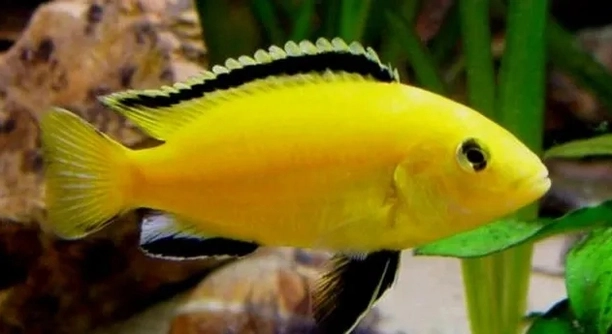
Cichlids are fascinating fish known for their vibrant colors and strong personalities. They establish and defend territories in aquariums and natural habitats, using unique behaviors to communicate dominance and maintain control over their space effectively.
Cichlids control territory through seven primary focal points: visual displays, body posture, fin movements, coloration changes, nesting behavior, environmental manipulation, and direct physical interactions. These strategies allow them to assert dominance, signal threats, and protect resources within their environment.
Understanding these focal points will help you manage your aquarium more successfully and observe the natural behaviors that make cichlids so intriguing. Proper knowledge ensures a balanced and peaceful aquatic community.
Visual Displays
Cichlids use visual displays as a primary method to control their territory. These displays can include flaring fins, spreading gill covers, and making themselves appear larger to intimidate rivals. In an aquarium setting, these behaviors are often most noticeable when new fish are introduced. Bright coloration plays a significant role in these interactions. Dominant cichlids will often display their most vivid colors to assert control over their space. These visual cues communicate strength and readiness to defend territory. Subordinate fish recognize these signals and usually avoid conflict, helping maintain stability in the tank. Observing these displays can give you insight into the social hierarchy within your aquarium. Understanding when and why these behaviors occur allows you to manage aggression and ensure all fish have adequate space and hiding areas. Providing sufficient territory reduces stress and promotes healthier interactions among the fish, making the tank a more balanced environment for everyone.
Visual displays are an essential, natural tool cichlids use to assert dominance and maintain control over their surroundings.
Monitoring these behaviors carefully can help prevent aggressive encounters. By recognizing when a fish is asserting itself visually, you can adjust tank layout or provide additional hiding spots. This proactive approach supports the fish’s natural behavior while reducing stress and potential injury. Over time, you can learn to interpret subtle changes in posture and coloration to anticipate conflicts and create a stable, harmonious tank environment. Observing these patterns also allows you to better appreciate the intricate social interactions that cichlids use to protect their territory.
Body Posture
Cichlids adjust their body posture to communicate control and dominance.
Posture can signal submission or aggression. A fish leaning forward with fins extended usually signals threat, while a curved, lower stance can indicate submission.
Body posture is often paired with movement patterns, such as slow, deliberate swimming to assert dominance or sudden, darting motions to challenge a rival. Posture also interacts with environmental factors; for instance, fish may adopt specific stances near preferred rocks or hiding areas to reinforce territorial claims. Observing these subtle shifts helps you understand each fish’s social standing. Maintaining awareness of posture changes can prevent escalated fights, especially in smaller tanks where space is limited. By providing clear territories and visual barriers, you allow fish to express dominance naturally without constant confrontation. Recognizing these physical cues is key to managing multiple cichlids, ensuring that dominant and subordinate individuals coexist more peacefully while respecting their natural instincts.
Fin Movements
Fin movements are a clear indicator of dominance and territorial control. Cichlids flare, wave, or flick their fins to intimidate rivals or communicate readiness to defend their area. Subtle differences in speed and angle of movement can signal intent and confidence.
Fins serve both defensive and communicative purposes. When a cichlid spreads its dorsal and anal fins, it appears larger and more threatening, often causing rivals to retreat. Rapid fin flicks or tail swishes can indicate agitation or challenge. In social tanks, these movements help maintain hierarchy without constant physical confrontation. Proper observation allows you to identify dominant and submissive individuals, making it easier to manage aggression. Tank layout and adequate hiding spaces can help diffuse tension, allowing fin signaling to remain effective without escalating into fights.
Watching fin movements closely reveals the nuances of cichlid communication. Each gesture conveys intention, from subtle quivers to full flares. These movements are crucial for maintaining order and reducing conflicts. Understanding these signals also allows for better tank management, ensuring all fish can coexist comfortably. Observing fin activity over time gives insight into social patterns and individual personalities.
Coloration Changes
Coloration changes are a vital tool for cichlids to assert territory. Brightening or darkening signals dominance, stress, or readiness to mate. These shifts are immediate responses to environmental or social stimuli.
Dominant fish often display their brightest colors near key territory features such as rocks or caves. Subordinates may dull their coloration to avoid confrontation. Rapid changes can indicate stress from new tank mates or territorial challenges. Recognizing these patterns allows you to understand the hierarchy and social dynamics within the aquarium. Adjusting tank conditions, such as lighting or decor, can help support natural coloration and reduce unnecessary stress.
Coloration shifts are not only visual cues for rivals but also reflect a fish’s emotional state. Healthy fish maintain consistent, vibrant hues, while stress or poor water quality can dull their appearance. Monitoring these changes provides insight into both social interactions and overall well-being. By understanding how cichlids use color strategically, you can manage territorial disputes effectively while ensuring that each fish remains visually expressive and healthy.
Nesting Behavior
Nesting is a strong territorial signal for cichlids. They dig, move substrate, or guard specific areas to establish ownership and attract mates.
The choice of nesting site often marks a fish’s preferred territory. Other cichlids typically respect these zones to avoid conflict.
Environmental Manipulation
Cichlids rearrange rocks, plants, and substrate to define territory boundaries and create hiding spots. This behavior reinforces dominance and deters rivals from encroaching.
Physical Interactions
Direct contact such as nudging, chasing, or biting helps cichlids assert control. These interactions are usually brief but clearly communicate dominance.
FAQ
How do cichlids establish dominance in a new tank?
Cichlids use a combination of visual displays, body posture, fin movements, and coloration changes to establish dominance. When introduced to a new environment, they explore and claim specific areas, often near rocks, caves, or other hiding spots. Dominant fish assert control through displays and subtle movements, while subordinate fish usually avoid confrontation, allowing the social hierarchy to stabilize naturally over time.
Why do cichlids change color suddenly?
Color changes signal different emotional or social states. Bright, intense colors indicate confidence and territorial dominance, while dull or muted colors suggest submission, stress, or environmental discomfort. Sudden shifts may occur when new tank mates are introduced, when a rival approaches, or when the fish feels threatened. Monitoring these changes helps track health and social interactions.
Do fin movements always indicate aggression?
Not always. While flaring or rapid fin flicks can indicate dominance or aggression, subtle movements may serve as communication without leading to fights. Fin displays allow cichlids to assert control without engaging in harmful physical interactions. Observing patterns over time helps distinguish between aggressive challenges and routine signaling.
How important is territory for breeding?
Territory is critical for breeding success. Many cichlids will only spawn in areas they consider secure, often near nests or protected zones. Dominant fish guard these spaces vigorously, using visual displays, fin movements, and physical interactions to keep rivals away. Proper territory management encourages natural breeding behaviors and increases the likelihood of healthy fry.
Can multiple dominant cichlids coexist?
Yes, but it requires sufficient space and environmental barriers. Rocks, plants, and hiding spots help each fish establish and maintain a personal territory. Without these boundaries, conflicts are frequent. Observing behavior closely and providing clear zones reduces stress and allows dominant individuals to coexist more peacefully.
How do environmental changes affect territorial behavior?
Changes in water parameters, tank layout, or the introduction of new fish can increase territorial displays. Cichlids may flare fins, adjust posture, or modify coloration to reassert control. Maintaining consistent conditions and gradually introducing new elements helps minimize stress and preserves the established hierarchy.
What is the role of nesting in territorial control?
Nesting strengthens a cichlid’s claim over a specific area. Fish move substrate, guard eggs, or prepare shelters to define their territory. Nesting sites are focal points for dominance, and rivals usually respect these zones to avoid conflict. Observing nesting behavior helps identify territorial boundaries in the aquarium.
When should I intervene in cichlid territorial disputes?
Intervention is necessary if fights cause visible injuries, persistent stress, or death. Signs include torn fins, constant chasing, or hiding without food access. Temporary separation or adding barriers can restore balance. Observing behavior daily helps detect issues early, ensuring a safer environment.
Do cichlids recognize individual rivals?
Yes, they can distinguish familiar tank mates. Recognition allows them to remember past interactions, avoid unnecessary conflict, and maintain a stable social hierarchy. This memory contributes to smoother coexistence, as fish adjust behavior based on previous outcomes with specific individuals.
How can I support peaceful territorial behavior?
Provide adequate space, hiding spots, and clear zones for each fish. Monitor social interactions, maintain water quality, and avoid overcrowding. Understanding visual displays, posture, fin movements, and coloration allows proactive management, reducing stress and creating a harmonious aquarium where cichlids can naturally express their territorial instincts.
How do cichlids use physical interactions without harming each other?
Physical interactions, like nudging or brief chasing, help establish hierarchy. Most encounters are short and symbolic rather than injurious. Subordinate fish quickly retreat, preventing escalation. Observing these interactions helps distinguish routine territorial behavior from dangerous aggression.
Are territorial behaviors the same for all cichlid species?
Territorial behaviors vary by species. Some are highly aggressive and defend large areas, while others are more tolerant and establish smaller zones. Researching species-specific tendencies helps you anticipate conflicts and set up the tank accordingly. Recognizing these differences ensures proper care and reduces stress.
Do cichlids communicate using multiple methods simultaneously?
Yes. Cichlids often combine visual displays, fin movements, posture, coloration, and environmental manipulation to communicate dominance or submission. Coordinated signals reinforce their message, making territorial claims more effective. Observing these combined behaviors provides insight into social dynamics and helps manage the tank efficiently.
How long do cichlids maintain a territory?
Territory maintenance depends on social structure, tank size, and environmental conditions. Dominant fish typically hold areas indefinitely if undisturbed, while changes in tank dynamics may force reestablishment. Continuous observation allows you to understand territorial stability and intervene if disputes become harmful.
Can territorial stress affect cichlid health?
Yes. Excessive stress from constant challenges can weaken immune response, reduce appetite, and increase susceptibility to disease. Providing adequate space, hiding areas, and minimizing sudden changes helps protect their health while allowing natural territorial behavior to occur.
This FAQ covers the key aspects of cichlid territorial behavior, from communication methods to practical tank management, providing guidance for a balanced and healthy aquarium.
Cichlids are fascinating fish, and their territorial behavior is a major part of what makes them so interesting to observe. Each fish uses a combination of visual displays, body posture, fin movements, coloration changes, nesting habits, environmental manipulation, and physical interactions to establish and maintain control over its space. Understanding these behaviors can help you provide a better environment for your fish, ensuring that each one has enough room and resources to feel secure. By observing their natural instincts, you can anticipate conflicts and prevent aggressive encounters before they become serious. Providing clear territories and appropriate hiding spots allows cichlids to express their instincts safely, which contributes to their overall well-being.
Territorial behavior is not just about aggression; it is also a form of communication. Cichlids convey dominance, submission, and readiness to mate through subtle signals that can be observed and interpreted over time. Coloration changes, fin displays, and body posture all provide insight into the social hierarchy within the tank. Even nesting and rearranging their environment are ways for them to communicate ownership. By learning to recognize these cues, you can better understand the needs of your fish and adjust the tank layout to minimize stress. Observing these behaviors closely also allows you to notice changes in health or mood, as stressed or unhealthy fish often display altered or inconsistent territorial signals.
Maintaining a harmonious aquarium with territorial fish requires careful planning and attention. Tank size, decoration, and the number of inhabitants all influence how well cichlids can coexist. Providing sufficient space and visual barriers reduces stress and encourages natural behaviors without escalating aggression. Monitoring interactions regularly allows you to intervene when necessary and make adjustments that support peaceful coexistence. Understanding territorial behavior goes beyond managing aggression; it enhances your ability to care for your fish effectively. By creating an environment that respects their instincts, you promote healthier, more vibrant cichlids while also gaining a deeper appreciation for the complexity of their social behavior.

Hello,
If you enjoy the content that we create, please consider saying a "Thank You!" by leaving a tip.
Every little bit helps us continue crafting quality advice that supports the health, happiness, and well-being of pets around the world, for pets of all shapes, sizes, and species.
We really appreciate the kindness and support that you show us!