
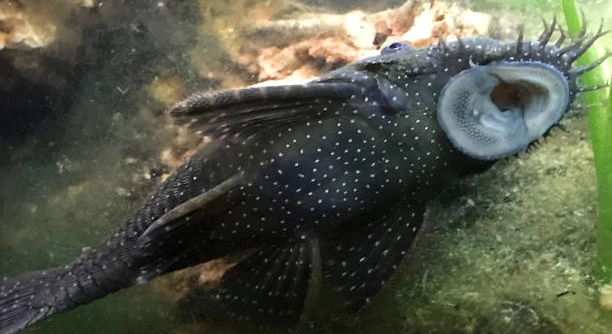
Have you ever noticed your pleco acting differently in the tank, showing more activity than usual or spending extra time near hiding spots? These subtle behaviors can hint at changes happening beneath the surface of their daily routine.
Plecos exhibit specific physical and behavioral signs when ready for breeding, including color changes, increased territorial behavior, and frequent interactions with tank surfaces. Recognizing these signs helps aquarists manage reproduction successfully and maintain healthy conditions for both adults and offspring.
Observing these indicators closely can make breeding a more predictable and rewarding experience for your pleco. Small changes often reveal significant shifts in their readiness.
Color Changes and Vibrancy
Plecos often show noticeable color changes when they are ready to breed. Their patterns may become more vivid, and darker shades can appear along their body and fins. This shift is a natural indicator of hormonal changes preparing them for reproduction. Males typically show more intense coloration than females, making it easier to distinguish them during the breeding period. Observing these changes requires patience, as colors may gradually deepen over several days or weeks. Tank lighting can also affect how noticeable these changes are, so consistent observation under the same conditions is helpful. Increased vibrancy is not only aesthetic but also signals heightened health and readiness, showing that the fish is entering an active reproductive phase.
The shift in coloration is one of the easiest signs to identify. Changes can be subtle at first but become clearer over time.
Monitoring color changes closely allows you to anticipate breeding activity, ensuring proper tank conditions and timely preparation. Paying attention to these details can significantly improve your breeding success and overall care strategy for your plecos.
Increased Hiding and Territorial Behavior
Plecos may become more territorial when ready to breed. They start defending caves and other preferred spaces more aggressively.
Territorial behavior is common during breeding readiness. Males often patrol areas, guarding spaces that could serve as nesting sites. Females may also show mild aggression, but males are typically more intense in defending these spots. This behavior ensures that suitable areas are secured for egg laying and protection. Observing who dominates specific areas helps identify potential breeders. Providing multiple hiding places can reduce stress and minimize conflicts while still allowing natural behaviors. It also encourages breeding activity by giving fish a sense of security.
Territorial tendencies can lead to frequent chasing or nudging among plecos. Recognizing and accommodating this behavior is key. By observing interactions and maintaining a stable environment, you can support natural breeding instincts and help both male and female plecos feel secure. Consistent monitoring and careful tank management can prevent injuries and improve reproductive outcomes, making breeding more successful and less stressful for all fish involved.
Frequent Cleaning and Nesting
Plecos often clean surfaces more frequently when preparing to breed. They scrape or rub spots, especially inside caves, to make them suitable for eggs. This behavior is instinctive and helps ensure a safe, clean environment for laying.
This cleaning behavior is most noticeable on smooth surfaces, driftwood, or rocks. Males usually take the lead, vigorously scraping areas with their mouths or fins. The activity may increase over several days, indicating rising readiness to breed. Females often inspect cleaned areas, showing interest in suitable nesting spots. Providing appropriate caves and smooth surfaces supports this natural behavior and reduces stress. Watching these preparations closely can help you identify the exact time plecos are ready for reproduction.
Frequent cleaning also signals the fish’s overall health. Active preparation for breeding suggests proper diet and tank conditions. Maintaining water quality during this period is essential, as it encourages successful egg laying and protects both adults and future fry from stress or illness.
Changes in Appetite
Plecos may show noticeable shifts in appetite during breeding periods, either eating more or less than usual.
Males sometimes reduce food intake, focusing on territory defense and nest preparation. Females may increase their intake to support egg development, consuming more protein-rich foods. Observing these changes helps identify readiness and allows adjustments to diet that enhance reproductive success. Offering varied foods like algae wafers, vegetables, and occasional protein treats can support energy needs. Changes in feeding habits often correspond with hormonal shifts, signaling reproductive activity.
Monitoring appetite closely can help you anticipate spawning. Reduced male feeding paired with increased female consumption is a strong indicator that breeding is imminent. Adjusting food quantity and type ensures both adults remain healthy while supporting egg formation and guarding behavior, ultimately improving the chances of successful reproduction in your pleco tank.
Vent and Body Swelling
Plecos may show slight swelling around their vent area when ready to breed. This is a natural response related to egg or sperm production and can help identify reproductive readiness.
Body swelling can also appear in females carrying eggs. Observing these changes carefully ensures you can prepare suitable nesting conditions in advance.
Increased Interaction with Tank Surfaces
Plecos spend more time exploring and rubbing against tank surfaces before breeding. This behavior helps them identify proper sites for laying eggs and can indicate readiness. Providing smooth rocks, caves, and driftwood encourages natural activity and supports healthy reproductive behavior.
Pair Bonding Behavior
Pairs may begin showing closer interaction, often swimming together or remaining near the same cave. This indicates a developing bond and readiness for spawning.
Restless Swimming
Plecos may exhibit more active, restless swimming during breeding readiness. This increased movement reflects heightened energy and hormonal changes preparing them for reproduction.
FAQ
How can I tell if my pleco is male or female?
Males usually have broader heads and more pronounced odontodes, which are small bristle-like structures along their pectoral fins and bodies. Females tend to have rounder, fuller bellies, especially when carrying eggs. Observing behavior also helps: males often guard territories and clean caves, while females focus on inspecting nesting sites. Lighting and water conditions can affect visibility, so consistent observation is important. Knowing the difference is essential for successful breeding and planning tank setups that reduce conflict and support reproductive health.
What kind of tank setup encourages breeding?
Breeding plecos requires a tank with ample hiding spaces and caves. Smooth rocks, driftwood, or PVC pipes work well as nesting sites. Maintaining clean water and stable conditions is crucial, with regular water changes and moderate filtration. Temperature should mimic natural ranges for the species, usually around 78–82°F. Dim lighting helps reduce stress and encourages natural behaviors, while multiple hiding spots reduce aggression among males. Providing proper diet and environmental enrichment supports overall health and readiness to breed.
How important is diet for breeding plecos?
A nutrient-rich diet is critical. Females need protein and vitamin-rich foods to develop eggs, while males benefit from foods that maintain energy for guarding and cleaning. Offering a variety of algae wafers, vegetables like zucchini or spinach, and occasional protein sources such as bloodworms or shrimp ensures balanced nutrition. Feeding small portions several times a day helps maintain health without polluting the tank. A strong diet also influences the color intensity and activity levels, both of which are key indicators of breeding readiness.
How long does it take for plecos to breed once they show signs?
Timing can vary depending on species, age, and tank conditions. Once males display territorial and cleaning behaviors and females show interest in caves, spawning may occur within days to a few weeks. Consistent water quality, stable temperatures, and minimal stress help speed up the process. Observing the pair closely allows intervention if issues arise, like aggression or lack of interest in nesting sites. Some species may require additional preparation, such as seasonal water changes, to simulate natural breeding cycles.
Do plecos need a separate breeding tank?
While not always required, a separate breeding tank is often beneficial. It reduces stress from other fish, prevents egg predation, and allows better monitoring of the pair. A smaller tank with proper hiding spots, stable water conditions, and controlled feeding helps optimize reproductive success. After spawning, removing adults may protect eggs and fry, ensuring higher survival rates. Separate tanks also make water maintenance easier and reduce the risk of conflicts, particularly in species prone to aggressive territorial behavior during breeding periods.
What should I do after eggs are laid?
Eggs should remain in clean, oxygen-rich water. Some species require adults to stay and guard the eggs, while in others, removing adults is safer. Monitoring temperature and water quality is critical during this period. Avoid disturbing the nesting site, as this can cause stress or egg damage. Once hatched, fry need finely crushed or specialized foods and stable conditions. Gradual acclimation to tank conditions ensures healthy growth, while maintaining separation from adult fish prevents accidental predation and supports long-term survival.
How can I prevent aggression during breeding?
Providing multiple caves and hiding spots reduces territorial conflicts. Observing behavior and separating overly aggressive individuals helps maintain safety. Proper nutrition, stable water conditions, and sufficient space reduce stress and minimize disputes. Consistent monitoring allows timely intervention if aggression escalates.
Can plecos breed multiple times a year?
Yes, under ideal conditions, many species can spawn multiple times annually. Stable water quality, consistent feeding, and adequate hiding spaces encourage repeated breeding. Seasonal cues such as temperature changes or slight water chemistry adjustments may trigger additional spawning cycles. Tracking breeding patterns helps anticipate and manage successive clutches effectively.
Are there risks in breeding plecos at home?
Breeding at home can be stressful for both adults and fry if conditions aren’t carefully managed. Poor water quality, overcrowding, or lack of hiding spots can lead to aggression, disease, or egg loss. Observing behavior, maintaining cleanliness, and ensuring a suitable diet mitigate risks and improve survival rates.
How long does it take for fry to grow?
Growth rates vary by species and diet. Most pleco fry grow steadily over several months with proper nutrition and stable water conditions. Regular monitoring and adequate feeding support healthy development. Gradually, fry develop adult markings and behaviors, making it easier to distinguish males from females for future breeding.
Breeding plecos can be a rewarding experience, but it requires careful observation and attention to their natural behaviors. Watching for clear signs, like color changes, territorial habits, and increased activity around tank surfaces, helps ensure that you recognize when your fish are ready. Each pleco is different, and the timeline for readiness can vary depending on species, age, and environment. Patience is key, as rushing the process or forcing conditions can lead to stress or conflict. Maintaining clean water, providing proper hiding spots, and ensuring a nutritious diet create an environment where plecos feel secure and capable of reproducing naturally. Observing small details, like the intensity of a male’s cave cleaning or a female’s inspection of nesting spots, gives insight into their readiness and helps plan the next steps in the breeding process.
It is also important to consider tank setup and space when breeding plecos. Providing multiple caves or smooth surfaces allows fish to exhibit their natural behaviors while reducing the risk of aggressive encounters. Males tend to be territorial, and having sufficient options helps lower stress for both males and females. Proper water conditions are essential, as plecos are sensitive to fluctuations in temperature, pH, and cleanliness. Regular water testing and consistent maintenance ensure that breeding pairs remain healthy and able to care for eggs and fry. Additionally, feeding a balanced diet supports reproductive health and prepares females for egg production while giving males the energy they need to guard and clean nesting areas. These steps, though simple, make a significant difference in the success and safety of breeding attempts.
Finally, observing plecos closely throughout the process allows for better decision-making and understanding of their needs. Watching for changes in appetite, activity, and body condition provides clues about timing and readiness, helping prevent issues like aggression, egg neglect, or fry loss. If eggs are laid, maintaining a stable environment and monitoring water quality can improve survival rates for the young. Breeding plecos is not just about producing offspring; it is about supporting their natural instincts and behaviors in a safe and healthy environment. By paying attention to details and providing appropriate care, you increase the likelihood of successful reproduction while maintaining the well-being of both adult fish and fry. This approach makes the breeding process more predictable and rewarding, showing that careful observation and preparation are key components of successful pleco care.

Hello,
If you enjoy the content that we create, please consider saying a "Thank You!" by leaving a tip.
Every little bit helps us continue crafting quality advice that supports the health, happiness, and well-being of pets around the world, for pets of all shapes, sizes, and species.
We really appreciate the kindness and support that you show us!