
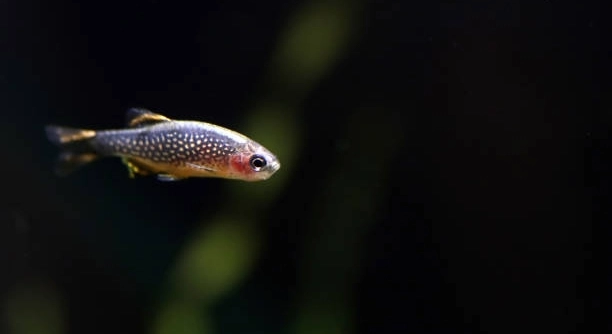
Do you enjoy keeping danios but struggle with fry that hatch unevenly or later than expected? Early-hatching fry can be challenging, requiring careful attention to water, temperature, and feeding practices for successful development.
To encourage danio fry to hatch early, maintain optimal water temperature, provide clean and oxygen-rich conditions, offer high-quality and appropriately sized food, and monitor the eggs closely to prevent fungal growth and ensure timely hatching.
Mastering these steps can improve your fry survival and growth. Following proper care routines ensures healthier, stronger danio fry from the very start.
Choosing the Right Breeding Tank
When setting up a breeding tank for danio fry, size and environment matter most. A small tank of 10 to 15 gallons is usually sufficient for a small batch of eggs. Use a fine mesh or spawning grid to prevent adults from eating the eggs. Keep the water clean and free of strong currents. Temperature should be consistent, ideally between 78 and 80°F, which encourages eggs to develop and hatch faster. Lighting should be moderate, mimicking a natural day-night cycle. Add plants or synthetic spawning mops to give the eggs surfaces to attach. Avoid overcrowding the tank, as this can lead to stress and poor hatching rates. Maintaining stable conditions is more important than frequent water changes, which can disrupt eggs. Gentle aeration helps keep oxygen levels sufficient for developing embryos. Observing the eggs daily allows early detection of fungus or dead eggs, which should be removed immediately.
Keeping a stable environment ensures higher hatching success and healthier fry growth from the start.
Providing a calm and controlled tank reduces stress and promotes faster egg development, giving your danio fry a strong beginning.
Feeding Danio Fry
Newly hatched fry need very small, frequent meals to grow properly. Start with infusoria or commercially prepared liquid fry food. Feed multiple times a day in tiny amounts to prevent overfeeding and water contamination. Gradually transition to baby brine shrimp or finely crushed flakes as they grow. Remove uneaten food quickly to maintain water quality. Proper nutrition at this stage significantly impacts survival rates and development. Avoid large pellets or adult fish food, which are too big for tiny fry to eat. Monitor fry growth and adjust feeding amounts to match their size.
Regular, careful feeding encourages steady growth and reduces disease risks for the fry.
Feeding should start immediately after hatching, focusing on tiny, easily digestible foods to support development. Consistent feeding schedules, combined with clean water, help fry grow quickly and reduce mortality. Transition foods gradually, ensuring fry can consume each type comfortably. Observing their response to food helps adjust portions and types. Avoid sudden changes in diet or overfeeding, which can cause stress or poor water quality. Healthy fry that receive proper nutrition develop faster, are more active, and show stronger coloration as they grow. Balanced feeding routines also prepare them for eventual introduction to larger tanks and adult diets, supporting long-term survival.
Maintaining Water Quality
Clean water is essential for early-hatching danio fry. Regular monitoring and gentle water changes keep ammonia and nitrite levels low. Avoid strong currents, which can disturb eggs and fry.
Stable water parameters support healthy growth and prevent stress-related deaths. Temperature, pH, and hardness should be consistent. Using a sponge filter helps maintain gentle filtration while keeping the water oxygenated. Test water frequently and adjust carefully to avoid sudden changes. Even small fluctuations can slow development or cause fry loss. Removing uneaten food and debris prevents toxins from accumulating, which is crucial in a small breeding tank. Consistency in maintenance is key to success with early-hatching fry.
Fry are very sensitive to water quality. Maintaining clean, oxygenated, and stable water helps them develop faster, survive longer, and grow stronger. Frequent observation ensures issues are caught early.
Separating Fry from Adults
Adult danios may eat eggs or fry, so separation is important. Use a breeding grid or move fry to a separate tank as soon as they hatch.
Keeping fry separate improves survival rates. In a dedicated fry tank, young fish are less stressed and have more space to swim and feed. Dense adult populations increase competition for food and can lead to injury or death of fry. Early separation allows closer observation of growth and health. Ensure the fry tank has hiding spots or plants to reduce stress. Proper aeration and frequent, small feedings support development in a safe environment. Tracking their progress becomes easier without interference from adults.
Controlling Temperature
Maintaining a stable temperature between 78 and 80°F is crucial for early-hatching danio fry. Sudden drops or spikes can delay hatching or harm developing embryos. Use a reliable heater and thermometer to monitor conditions continuously.
Consistency in temperature ensures embryos develop at the expected rate. Small tanks can fluctuate quickly, so gradual adjustments are better than abrupt changes. Avoid placing the tank near drafts, direct sunlight, or heat sources that cause uneven heating. Stable warmth helps fry hatch more predictably and reduces stress, supporting stronger early growth and survival.
Preventing Fungus on Eggs
Fungal growth on danio eggs can prevent hatching. Keep eggs in clean water and remove any dead or discolored eggs immediately to reduce contamination.
Light and Day-Night Cycle
Providing a natural light cycle of about 12 hours light and 12 hours dark helps fry develop normally. Avoid strong or direct lighting that can stress the eggs.
Monitoring Fry Growth
Observe fry daily to track growth and identify any issues early. Check for proper feeding response, activity levels, and signs of stress.
FAQ
How soon do danio fry hatch?
Danio fry typically hatch within 24 to 36 hours after eggs are laid if water conditions are ideal. Temperature and water quality directly affect the timing. Warmer water within the optimal range speeds up development, while cooler water can delay hatching.
What is the best water temperature for hatching danio eggs?
The ideal temperature for danio eggs is between 78 and 80°F. Maintaining this range consistently encourages rapid and healthy development. Avoid sudden fluctuations, as temperature shocks can cause deformities, delayed hatching, or egg mortality.
How can I prevent eggs from getting fungus?
Fungal growth is common if eggs are left in stagnant or dirty water. Remove dead or discolored eggs immediately, keep water clean, and provide gentle aeration. Some breeders use mild antifungal solutions or methylene blue in small, controlled amounts to reduce fungus risk.
Do danio fry need special food immediately after hatching?
Yes. Newly hatched fry are very small and require tiny, easily digestible foods. Infusoria, liquid fry food, or freshly hatched baby brine shrimp are suitable options. Feed frequently in tiny amounts to support growth and prevent water quality issues caused by uneaten food.
Can I keep adult danios with the fry?
It is not recommended. Adult danios often eat eggs and fry. Using a breeding grid or separating fry into a dedicated tank ensures higher survival rates. Separation also reduces stress and allows better monitoring of fry growth and feeding.
How often should I change water in the fry tank?
Frequent, small water changes are better than large, infrequent ones. Removing 10–20% of water every day or every other day helps maintain clean water while avoiding sudden shifts in temperature or chemistry. Use conditioned water at the same temperature as the tank.
How long should I keep fry in a separate tank?
Keep fry in a separate tank until they are large enough to avoid being eaten by adults, usually around 4–6 weeks depending on growth rates. Early separation reduces stress, supports steady feeding, and allows careful observation of their health.
What is the best way to transition fry to adult food?
Gradually introduce finely crushed flakes or small pellets once fry are strong enough to consume larger food. Mix new foods with their current diet to encourage acceptance. Transitioning slowly reduces stress and ensures steady growth without digestive issues.
How can I tell if fry are healthy?
Healthy fry are active, swim steadily, and feed eagerly. Their bodies should be well-formed, without visible deformities, fungus, or discoloration. Lethargic behavior, poor feeding, or unusual spots indicate stress, disease, or poor water conditions.
Is it necessary to aerate the fry tank?
Gentle aeration is important. Fry need oxygenated water, but strong currents can harm them or displace eggs. A sponge filter or a low-flow air stone provides adequate oxygen without disturbing fry or developing embryos.
What are common mistakes when raising danio fry?
Common mistakes include keeping adults with fry, overfeeding, sudden water changes, and ignoring temperature stability. Dirty water, insufficient hiding places, and poor observation of eggs also contribute to lower survival rates. Careful maintenance and consistent feeding are essential.
Can I speed up hatching naturally?
Maintaining optimal temperature, stable water quality, and proper aeration encourages early hatching. Avoid chemicals or extreme temperature changes to force faster hatching, as this can damage eggs or fry. Natural, controlled conditions are the safest method.
How do I handle dead eggs?
Remove them immediately to prevent fungus from spreading to healthy eggs. Use a small pipette or net to gently take out dead eggs without disturbing the others. Check eggs daily to maintain a clean environment.
Should I provide hiding spots for fry?
Yes. Plants, spawning mops, or synthetic materials give fry safe areas to rest and reduce stress. Hiding spots also prevent accidental injury and help fry feel secure as they grow and learn to feed independently.
How long do danio fry need before they resemble adults?
It usually takes about 8–12 weeks for fry to develop adult coloration and size. Growth rates depend on food quality, water conditions, and overall care. Regular monitoring ensures they develop properly without malformations or stunted growth.
Can I mix different danio species when breeding fry?
It is not recommended unless you want hybrid fry. Different species may produce hybrids that can have unpredictable traits. For consistent results, breed only one species in a controlled tank environment.
Is it necessary to measure pH for fry tanks?
Yes. Danio fry thrive in slightly acidic to neutral water, around pH 6.8–7.5. Monitoring pH prevents stress and supports healthy development. Sudden swings in pH can harm eggs and fry, so small adjustments are safer than large changes.
How often should I observe fry?
Daily observation is recommended. Checking for feeding behavior, activity, and any signs of disease or fungus allows early intervention. Close monitoring ensures optimal care and helps maintain a stable environment for early hatching success.
What is the best way to clean a fry tank?
Use gentle methods like siphoning debris or using a sponge filter. Avoid disturbing fry directly. Remove uneaten food carefully and do partial water changes with preconditioned, temperature-matched water to maintain stability while keeping the tank clean.
How important is tank lighting for fry growth?
Moderate, consistent lighting supports normal development. Mimic a natural day-night cycle with 12 hours of light and 12 hours of darkness. Avoid strong, direct light, which can stress fry and encourage algae growth that competes with food sources.
Can fry survive in tap water?
Only if it is properly conditioned. Tap water must be treated to remove chlorine, chloramine, and heavy metals. Using a water conditioner and checking temperature, pH, and hardness ensures safe conditions for sensitive fry.
Final Thoughts
Raising danio fry that hatch early requires attention to detail and consistent care. Success begins with creating a stable environment, including the right tank size, temperature, and water quality. Small adjustments can have a big impact, so monitoring daily is important. Gentle aeration, moderate lighting, and proper filtration contribute to healthier eggs and fry. Removing uneaten food and debris prevents toxins from building up, which can harm developing fry. Observing eggs and fry regularly allows early detection of problems such as fungus, poor development, or water imbalances, helping to address them before they become serious. These small, routine steps play a major role in ensuring higher survival rates. Consistency in tank conditions supports faster and healthier hatching, giving fry a strong start.
Feeding plays an equally important role in fry development. Newly hatched fry need tiny, easily digestible foods like infusoria or baby brine shrimp. Frequent, small feedings provide the energy they need without overwhelming the tank or causing water quality issues. As the fry grow, gradually introducing finely crushed flakes or other appropriate foods prepares them for adult diets. Proper nutrition encourages steady growth, stronger bodies, and more active fry, which improves overall survival. Overfeeding or using the wrong type of food can lead to poor growth or water problems, so careful observation is necessary. Tracking how the fry respond to food helps make adjustments to portion size and type, ensuring they get the right balance of nutrients for healthy development.
Separating fry from adult danios is another essential step. Adult fish often eat eggs or fry, and overcrowding can create stress that slows growth. Using a dedicated fry tank or a breeding grid ensures fry have space to swim, hide, and feed without interference. Adding plants or synthetic spawning materials gives fry areas to feel secure, which reduces stress and encourages natural behavior. Maintaining proper water conditions, feeding, and separation together creates an environment where fry can develop steadily and safely. Following these practices consistently allows for stronger fry, higher survival rates, and a smoother transition as they grow toward adulthood. By paying attention to these details, the early hatching process becomes manageable and rewarding, leading to healthier, more vibrant danio fry ready to thrive in their aquatic environment.

Hello,
If you enjoy the content that we create, please consider saying a "Thank You!" by leaving a tip.
Every little bit helps us continue crafting quality advice that supports the health, happiness, and well-being of pets around the world, for pets of all shapes, sizes, and species.
We really appreciate the kindness and support that you show us!