
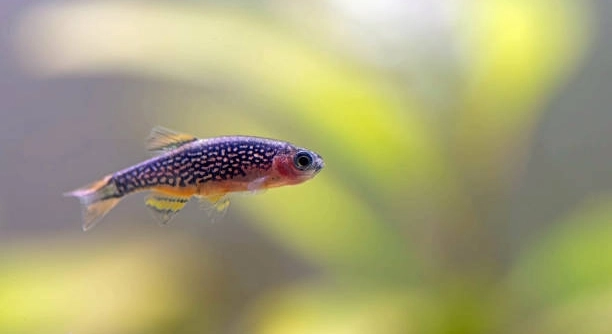
Do you enjoy keeping small, colorful fish but struggle with telling them apart by sex? Sexing Celestial Pearl Danios can feel tricky, especially when they are young or in groups with similar colors and sizes.
Sexing Celestial Pearl Danios relies on several observable traits, including body size, coloration, fin shape, and behavior patterns. Males tend to display brighter colors and slimmer bodies, while females are generally rounder with subtler hues and distinct abdominal fullness.
Learning these key signs will make caring for your Danios easier. Observing their behaviors and physical differences improves breeding success and overall tank harmony.
Body Size Differences
Males and females Celestial Pearl Danios show noticeable differences in body size, which becomes clearer as they mature. Males are usually slimmer and slightly smaller, while females are rounder and fuller, especially in the abdominal area. Observing these differences helps identify the sex of your fish without stress. Body size is often one of the earliest signs that can be used, even in younger fish, though it may be subtle at first. Females tend to carry eggs, giving them a fuller appearance, while males maintain a more streamlined shape. Housing Danios in a well-planted tank with hiding spots allows them to display natural behaviors and shapes, making sex identification easier. Feeding routines and water quality can also influence their growth patterns. Paying attention to how each fish swims and rests can provide additional clues. Regular observation over time will make recognizing these differences natural and reliable.
Size observation alone may not be enough, so combining it with other traits gives the best results.
Tracking body shape and size consistently allows you to anticipate breeding readiness. Observing how females become fuller with eggs while males remain slim makes planning tank setups and groupings simpler. Careful monitoring also prevents misidentification and reduces stress for both sexes. Understanding growth patterns allows better management of feeding and health needs. Additionally, size differences influence dominance behaviors in mixed groups, which can affect tank harmony. Noticing these changes early helps adjust tank dynamics and ensures that males and females coexist peacefully. Using a combination of visual cues, including body shape, abdominal fullness, and movement patterns, offers a more accurate assessment. Over time, you will recognize these subtle differences quickly, making sexing a natural part of tank care. Proper observation practices also contribute to overall health monitoring, as unusual size or shape changes can indicate diet or water quality issues.
Coloration Patterns
Males generally show brighter, more vivid colors, while females display softer tones. Color intensity can indicate health and maturity.
Coloration plays a major role in identifying the sexes of Celestial Pearl Danios. Males often have sparkling orange spots with deep blue backgrounds, which intensify during courtship or when they are actively swimming. Females, in contrast, have paler spots and muted blue tones, making them appear less flashy. Lighting, diet, and water quality can influence color vibrancy, so ensuring proper tank conditions is essential. Observing color changes alongside body shape and fin differences provides a more reliable method for sexing. Seasonal or environmental factors may also temporarily alter colors, so consistent observation is necessary. Noting color patterns helps in pairing fish for breeding, as matching bright males with healthy, mature females increases success. It also aids in maintaining visual balance in a tank group, reducing stress from aggressive displays. Tracking these variations allows you to recognize individual fish and their development over time. Consistent care, good nutrition, and proper tank conditions enhance the natural colors, making sex identification easier.
Fin Shape and Size
Males have slightly longer and more pointed fins, especially the dorsal and anal fins. Females’ fins are shorter and rounder. Observing these differences is a reliable method when combined with body shape and coloration.
Longer fins in males serve both display and mating purposes. During courtship, males flare their fins to appear larger and more attractive to females. These fins can also signal dominance within a group, helping maintain social order. Females, having shorter and rounder fins, show less aggression and are more focused on foraging or egg development. Watching how fins move while swimming can give additional clues about sex. Fin condition, including any damage or fading, can also indicate stress or health issues, so it is important to maintain optimal tank conditions to keep fins vibrant.
Examining fin size and shape in combination with coloration and body shape ensures more accurate sex identification. While males show elongated, pointed fins, females display compact, rounded fins. Observing interactions during swimming or feeding helps confirm these differences, as males often use their fins to assert presence. Over time, recognizing these fin variations becomes easier, allowing you to quickly identify males and females in mixed groups. Maintaining clean water and a nutritious diet also preserves fin quality, which is important for both visual assessment and overall health.
Behavioral Observations
Males tend to be more active and display territorial behavior, while females are calmer and swim in groups. Activity levels can indicate sex clearly in small aquariums.
Watching behavior provides insight beyond physical appearance. Males often chase each other or swim in more conspicuous patterns to attract attention. They may flare fins, swim faster, or hover near females to display readiness for mating. Females, on the other hand, spend more time foraging and staying near plants or hiding spots. Their movements are steadier and less erratic. Tank layout influences behavior, so providing open areas and dense vegetation allows natural activity to be observed accurately. These behavioral differences are especially noticeable during feeding times or when introducing new fish, as males assert dominance while females focus on finding food.
Recognizing behavioral cues helps confirm sex when physical differences are subtle. Males’ chasing and flaring contrast with females’ calm swimming and group cohesion. Observing interactions over several days provides reliable patterns, reducing misidentification. Behavioral monitoring also allows early detection of stress or aggression, which is critical for tank management. Keeping track of which fish are more active or territorial helps in pairing for breeding, ensuring compatibility. Combining movement patterns with color, fin shape, and body size results in a complete and accurate assessment of each Danio’s sex.
Abdominal Fullness
Females develop a fuller, rounder abdomen when carrying eggs, which is more noticeable than males. Observing this trait alongside body size helps identify females accurately.
Males maintain a slimmer profile with little to no abdominal swelling. This difference is most apparent during breeding readiness, making it a reliable indicator when combined with coloration and fin observations.
Courtship Displays
Males perform specific courtship behaviors, including chasing and flaring fins, to attract females. These displays are frequent and can be observed throughout the day. Males use vibrant colors and exaggerated swimming patterns to signal fitness and readiness, while females respond by either following or avoiding.
Group Swimming Patterns
Females often swim together in small groups or shoals, showing calm and synchronized movements. Males move independently or actively patrol territories within the tank, creating visible differences in group dynamics.
FAQ
How can I tell a male Celestial Pearl Danio from a female?
Males are generally slimmer with brighter colors and longer, pointed fins. Females are rounder, especially in the abdomen, and have softer, muted colors with shorter, rounded fins. Observing their behavior also helps, as males are more active, chase other fish, and display courtship behaviors. Combining body shape, coloration, fin structure, and behavior gives the most accurate results.
At what age can I start sexing my Celestial Pearl Danios?
Sexual differences become noticeable around 6 to 8 months of age. Before this stage, size and color differences are subtle, making it harder to distinguish males from females. Watching their growth over several weeks helps identify traits as they mature, such as abdominal fullness in females and brighter coloration in males.
Do all males display vivid colors?
Most healthy males develop bright, sparkling orange spots with deep blue backgrounds, but color intensity can vary depending on diet, water quality, and lighting. Poor conditions can dull colors, making males look less distinct. Ensuring clean water, proper nutrition, and stable tank conditions enhances coloration and makes sex identification easier.
Can a female change color like males?
Females generally remain paler than males, even when stressed or during spawning. Their coloration is naturally muted, and while some color intensity can increase slightly with optimal care, females do not develop the bright spots and patterns typical of males.
Does behavior alone confirm sex?
Behavior gives clues but is not enough by itself. Males show territorial chasing, fin flaring, and active swimming, while females are calmer and shoal together. Observing these patterns alongside physical traits ensures accurate sexing. Environmental factors can influence behavior, so multiple observations are recommended.
How important is abdominal fullness for identifying females?
Abdominal fullness is one of the clearest signs of female maturity and breeding readiness. It becomes more noticeable when they carry eggs. Comparing this to slimmer males helps reduce misidentification. Observing this trait over time is more reliable than a single check.
Can I sex my Danios in a community tank?
Yes, but it can be challenging. Males may hide their colors or behaviors in the presence of dominant fish. Providing enough space, plants, and hiding spots allows natural behavior to emerge, making it easier to observe physical and behavioral differences.
Do water conditions affect sex characteristics?
Poor water conditions can impact color, fin condition, and overall health. Males may appear dull, and females may show irregular growth, making sexing harder. Stable water parameters, including proper temperature, pH, and cleanliness, help express natural traits clearly.
Is it necessary to separate sexes for breeding?
Separating males and females temporarily before breeding can help control pairings and reduce stress. Males can become aggressive during courtship, so isolating females ensures they are not constantly harassed while still healthy. Controlled observation helps identify optimal pairs for successful breeding.
Can juvenile Danios be misidentified?
Yes, juveniles often lack distinct coloration, fin shape, or abdominal fullness. Mistaking one sex for the other is common at early stages. Patience is key—tracking growth and changes over several months allows for accurate identification without causing stress.
What other tools help with sexing Danios?
Aside from visual observation, photographing fish over time can help compare traits like coloration and abdominal fullness. Recording behaviors, noting fin development, and maintaining a tank log with dates of growth and changes improves accuracy in sex identification.
Are there risks to misidentifying males and females?
Misidentification can affect breeding plans, tank harmony, and resource allocation. Males may compete aggressively if grouped incorrectly, while females may experience stress. Observing multiple characteristics reduces errors and helps maintain a balanced, healthy aquarium.
Does diet influence sex traits?
Yes, proper nutrition enhances color, fin development, and overall growth. Males fed high-quality diets display brighter colors, while females maintain healthy body fullness. Poor nutrition can mask sex differences, making observation more difficult.
How often should I check my Danios to confirm sex?
Regular observation, ideally several times a week, helps track physical and behavioral traits. Frequent monitoring ensures accurate identification, catches early signs of breeding readiness, and keeps track of health changes that may influence visible traits.
Sexing Celestial Pearl Danios can seem challenging at first, but it becomes much easier when you focus on a few key traits. Paying attention to body size, coloration, fin shape, and abdominal fullness allows you to distinguish males from females accurately. Males are generally slimmer, with brighter, more vivid colors and longer fins, while females are rounder, paler, and have shorter, rounded fins. Observing behavior is also helpful—males are more active, display courtship behaviors, and may chase other fish, whereas females tend to swim in small groups and show calmer movements. By combining these visual and behavioral cues, you can reliably identify the sexes, which is particularly important if you plan to breed them or maintain a balanced tank environment.
Maintaining proper tank conditions also plays a significant role in observing these traits clearly. Good water quality, stable temperature, and proper nutrition enhance the natural colors and fin development of your fish, making it easier to see the differences between males and females. Juvenile Danios may be harder to sex because their traits are not fully developed, so patience is essential. Over time, observing them closely will allow you to notice subtle changes, such as the development of abdominal fullness in females or the intensification of colors in males. Keeping a small log of behaviors, growth patterns, and color changes can help track these developments and reduce mistakes when sexing the fish.
Accurate sex identification is not only useful for breeding but also for maintaining a harmonious aquarium. Males can become territorial or aggressive if there are too many in one tank, while grouping females together helps them feel secure and reduces stress. Observing and understanding these differences helps prevent conflicts and promotes healthier interactions within your tank. Overall, learning to sex Celestial Pearl Danios requires patience, consistent observation, and attention to detail. Once you become familiar with the key traits, it becomes a straightforward process that improves your fish-keeping experience and ensures the well-being of your aquatic pets.

Hello,
If you enjoy the content that we create, please consider saying a "Thank You!" by leaving a tip.
Every little bit helps us continue crafting quality advice that supports the health, happiness, and well-being of pets around the world, for pets of all shapes, sizes, and species.
We really appreciate the kindness and support that you show us!