
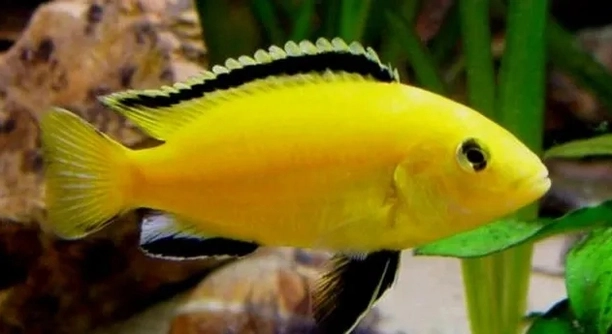
Are your electric yellow cichlids showing signs of stress when their tank environment changes? These vibrant fish are sensitive to shifts in lighting, decor, or water conditions, and gradual adjustments can make a big difference to their comfort level.
To help electric yellow cichlids adjust smoothly, introduce changes incrementally, maintain consistent water parameters, and provide familiar hiding spots. Consistency and patience are essential to minimize stress and ensure the fish adapt healthily to their evolving environment.
Understanding how these fish respond to change will help you create a more stable and enjoyable habitat for them. Small steps can make a lasting difference in their well-being.
Understanding Their Sensitivity
Electric yellow cichlids are naturally sensitive to changes in their environment. Sudden shifts in lighting, water temperature, or tank layout can cause them stress, which may affect their appetite and behavior. These fish thrive in stable conditions, and even minor disturbances can make them skittish or withdrawn. Observing their reactions carefully can help you identify which adjustments are safe and which may need to be slowed down. Providing familiar hiding spots, such as rocks or plants, allows them to feel secure while they acclimate. Gradual introduction of new elements, like decorations or tank mates, reduces stress and encourages them to explore. Maintaining clean water and consistent feeding schedules also supports their overall comfort. Regular monitoring ensures they are adjusting well, and you can intervene early if any negative behaviors appear. Over time, consistent care builds their confidence in the changing environment, making them more resilient and relaxed.
Small, gradual changes help electric yellow cichlids feel secure and reduce stress in their tank environment.
Paying attention to how they react to each adjustment allows you to tailor changes carefully. Creating a stable routine and providing safe spaces encourages them to explore without fear, making the tank more enjoyable and balanced for their behavior and health.
Introducing Changes Gradually
Start by altering one factor at a time, such as lighting or decorations, while keeping other conditions stable. Rapid changes overwhelm these fish and can lead to hiding or aggression. Observing their reactions to each modification helps you gauge readiness for the next step. Gradual changes also prevent water quality issues, which can occur when introducing multiple adjustments simultaneously. Using familiar objects alongside new ones creates a sense of continuity and comfort. Adjustments in water parameters, like temperature or pH, should be done incrementally to avoid shocking them. Feeding routines should remain consistent to reduce stress during transitions. Even small changes, like rearranging rocks, can impact their sense of territory. Being patient and attentive throughout the process ensures that they remain healthy and confident. Over time, they learn to explore and interact with their environment positively, creating a stable and engaging habitat.
Consistency, observation, and patience are essential when helping electric yellow cichlids adapt to new conditions. Maintaining a steady environment reduces stress and builds their confidence.
Creating Safe Hiding Spots
Providing secure hiding places reduces stress and encourages natural behavior in electric yellow cichlids. Rocks, caves, and dense plants give them areas to retreat, helping them feel protected while adapting to new tank elements.
Hiding spots are essential for establishing territory and reducing aggression. Electric yellow cichlids feel more confident when they have familiar structures to retreat to during changes. Arranging decorations to create nooks and secluded corners allows them to explore safely. Using stable, non-toxic materials ensures their safety. Observing their preferred hiding locations helps you understand their comfort zones and guide future tank adjustments. Over time, they will venture more freely once they trust their environment.
Even small additions, like a piece of driftwood or a plant cluster, can provide significant comfort. Changing hiding spots gradually allows them to explore without stress. Maintaining clean and safe areas ensures their ongoing health.
Maintaining Water Stability
Stable water parameters are critical for electric yellow cichlids’ health and comfort. Consistent temperature, pH, and ammonia levels reduce stress and prevent illness.
Sudden fluctuations in water quality can trigger stress responses, such as hiding, aggression, or loss of appetite. Monitoring temperature daily, using reliable heaters, and conducting regular water tests help maintain stability. Performing partial water changes gradually prevents shocking the fish while keeping water clean. Adding new tank mates or decorations without adjusting water slowly can create imbalance. Using dechlorinated water and testing for nitrates, nitrites, and pH ensures a safe environment. Tracking changes over time allows you to notice trends and act before problems escalate.
Regular maintenance and careful monitoring allow electric yellow cichlids to thrive. A steady, well-balanced environment supports their natural behavior, reduces stress, and encourages them to explore and interact confidently.
Gradual Lighting Adjustments
Changing lighting too quickly can stress electric yellow cichlids. Slowly adjusting brightness or duration helps them adapt without triggering hiding or aggressive behavior.
Using dimmers or moving lights gradually can make transitions smoother. Observing how they respond allows you to adjust at a pace that keeps them comfortable.
Consistent Feeding Routines
Maintaining a regular feeding schedule provides stability and comfort. Sudden changes in feeding times or amounts can increase stress and reduce appetite. Regular feeding reassures them and encourages natural behavior.
Monitoring Behavior
Watching for signs of stress, such as hiding or aggression, helps you act quickly. Early intervention prevents long-term issues and keeps the fish healthy.
Using Familiar Scents
Introducing new elements with familiar scents can make changes less intimidating. This small step helps electric yellow cichlids adjust more comfortably.
FAQ
How can I tell if my electric yellow cichlids are stressed by changes?
Signs of stress include hiding more than usual, reduced appetite, color fading, or increased aggression. Sudden changes in behavior often indicate discomfort. Observing their daily routines helps identify stress early, allowing adjustments before it affects their health.
What is the best way to rearrange the tank without upsetting them?
Move decorations gradually, changing one section at a time. Keep familiar hiding spots in place while introducing new items. Monitor their reactions closely, and pause changes if they show signs of stress. Small steps ensure they feel secure.
How quickly should I adjust water temperature or pH?
Water changes should be incremental, typically no more than 1–2 degrees Celsius or 0.2 pH units per day. Rapid shifts can shock them, causing stress or illness. Using a thermometer and test kits ensures gradual, controlled adjustments.
Can new tank mates cause discomfort?
Yes, introducing new fish can trigger territorial behavior and stress. Introduce tank mates slowly using a divider initially. Observe interactions closely and separate any aggressive individuals to maintain harmony and reduce stress for all fish.
Do hiding spots really make a difference?
Absolutely. Hiding spots give cichlids a sense of security, especially during changes. They allow fish to establish territories and retreat when feeling threatened. Providing rocks, caves, or dense plants helps them explore confidently and reduces stress-related behaviors.
Is feeding schedule important during changes?
Consistent feeding times are very important. Maintaining regular meals reassures the fish and supports their natural routine. Abrupt changes in feeding can increase anxiety, reduce appetite, and affect overall health. Stick to the same timing and amount until they adapt fully.
How can I introduce new decorations safely?
Clean all new items thoroughly before adding them to the tank. Introduce one or two pieces at a time while leaving familiar items in place. Observe their reactions and move items back if stress signs appear. Gradual changes prevent overwhelming them.
Should I adjust lighting when rearranging the tank?
Gradually changing lighting can help them acclimate. Avoid sudden bright or dim adjustments. Use timers to slowly shift light cycles, ensuring fish feel secure while exploring the new arrangement. Familiar light patterns reduce stress.
What if my cichlids hide for days after a change?
This is normal initially, but prolonged hiding may indicate stress or environmental issues. Check water quality, temperature, and pH. Ensure hiding spots are available. If hiding persists, reduce changes and allow more time for adaptation.
Can I use scents to make new objects less stressful?
Yes, familiar scents from the tank can help. Rinsing decorations with tank water before placing them back eases the transition. Fish rely on chemical cues, and familiar smells make new elements less intimidating, supporting smoother adaptation.
How often should I monitor their behavior?
Daily observation is ideal. Watch interactions, color, feeding behavior, and swimming patterns. Regular monitoring helps identify early signs of stress and lets you intervene before minor issues become major problems.
Will they eventually get used to all changes?
Yes, with patience and gradual adjustments. Electric yellow cichlids can adapt to new conditions if changes are slow, hiding spots remain, and water quality is stable. Over time, they become more confident and explore freely.
Are temperature fluctuations more stressful than lighting changes?
Generally, yes. Water temperature directly affects metabolism and immune function. Sudden shifts can cause serious stress or illness. Lighting changes are less critical but should still be gradual to maintain comfort and routine.
How long does it take for them to adjust fully?
Adjustment time varies by individual and extent of change. Minor decor shifts may take a few days, while water parameter adjustments or new tank mates can require weeks. Consistent care and gradual introduction shorten adaptation time.
What should I do if aggression increases after changes?
Provide more hiding spots and ensure territory is clear. Separate overly aggressive fish if needed. Avoid further changes until behavior stabilizes. Gradual adjustments and monitoring help reduce aggression over time.
Is it okay to combine multiple adjustments at once?
No, combining changes increases stress risk. Introduce one adjustment at a time and observe their reaction. Sequential changes ensure they adapt safely and reduce the likelihood of prolonged stress or health issues.
Can stress affect their color or growth?
Yes, stressed cichlids often show faded color and slower growth. Consistent care, stable environment, and gradual adjustments help maintain vibrant coloration and healthy development. Stress management is key to overall well-being.
How do I know if they are finally comfortable?
Signs include regular feeding, bright coloration, normal swimming, and exploration of new areas. Reduced hiding and social interactions indicate they feel secure. Observing these behaviors confirms that they have adapted well to changes.
Are small changes more important than large ones?
Small, incremental changes are more effective. Gradual adjustments minimize stress, while large or sudden changes can overwhelm them, leading to hiding, aggression, or illness. Consistency and patience ensure a stable and comfortable tank environment.
Can I improve adaptation with plants or rocks?
Yes, adding plants or rocks provides hiding spots and visual boundaries. These natural elements help them feel safe, reduce stress, and encourage natural behaviors during changes in the tank.
Electric yellow cichlids are sensitive fish that respond strongly to changes in their environment. Sudden shifts in water conditions, lighting, or tank layout can cause stress, which affects their behavior, appetite, and overall health. Providing a stable and predictable environment is the key to helping them feel secure. Gradual adjustments, rather than rapid changes, allow these fish to adapt without fear. Observing their behavior closely gives insight into how comfortable they are with each change. Hiding spots, consistent feeding schedules, and clean water all contribute to creating a safe space for them. Even small steps, like slowly moving decorations or adjusting light levels over several days, can make a big difference. Consistency is not only important for reducing stress but also for encouraging natural behaviors such as exploring, foraging, and interacting with tank mates. By keeping changes slow and predictable, you create an environment that fosters confidence and curiosity rather than fear or aggression.
Patience is essential when managing electric yellow cichlids. These fish may hide or act reserved at first when new objects or tank mates are introduced. It is important to let them adjust at their own pace rather than forcing interaction or rearranging the tank too quickly. Incremental changes, such as adding a single decoration or slightly adjusting water parameters, allow the fish to become comfortable step by step. Observing their favorite hiding spots, swimming patterns, and social interactions provides a guide for how to proceed with further adjustments. Over time, electric yellow cichlids begin to recognize their environment and establish their territory. This process improves their confidence and reduces stress, resulting in a healthier and more active fish. Understanding their behavior and responding thoughtfully to signs of discomfort ensures that they remain safe and comfortable in their habitat. Every small action contributes to building trust and stability in their tank environment.
Creating a comfortable environment for electric yellow cichlids is a combination of careful planning, observation, and consistency. Maintaining water quality, providing secure hiding spaces, and introducing new elements gradually all play a critical role in their adjustment process. Monitoring their behavior allows you to notice early signs of stress and take corrective measures before problems escalate. Lighting, feeding schedules, and tank arrangement should all be managed with their comfort in mind. By taking deliberate and thoughtful steps, you help these cichlids adapt to change without fear, promoting natural behavior and overall well-being. With patience and attention to detail, they will explore their surroundings confidently, interact positively with tank mates, and thrive in a stable environment. Every gradual improvement supports their health, reduces stress, and helps you maintain a harmonious and vibrant aquarium.

Hello,
If you enjoy the content that we create, please consider saying a "Thank You!" by leaving a tip.
Every little bit helps us continue crafting quality advice that supports the health, happiness, and well-being of pets around the world, for pets of all shapes, sizes, and species.
We really appreciate the kindness and support that you show us!