
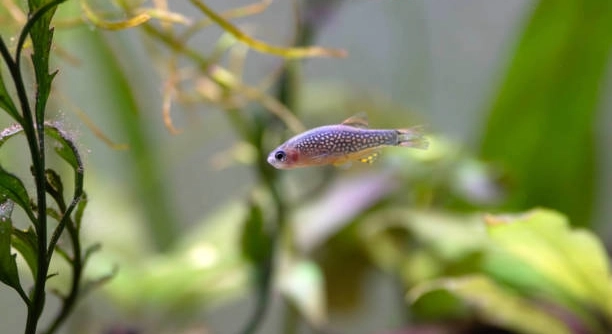
Have you ever noticed how a new group of danios can seem overwhelmed when settling into a shared tank, creating a busy scene that feels unsettled as they explore their space for the first time.
Newly introduced danios calm more effectively when provided stable water conditions, moderate current, ample swimming space, and several visual barriers that reduce stress. Consistent lighting and minimal disturbances further support smoother social adjustment and help the group settle into behavior.
These insights offer gentle guidance that can transform stressful moments into calmer routines, encouraging a peaceful atmosphere within your aquarium.
Providing a Stable Environment
Creating a stable environment is essential when helping a new group of danios feel safe in their tank. These small fish react quickly to sudden changes so keeping their surroundings consistent makes a noticeable difference in how they settle. Start by maintaining steady water parameters that match their needs including temperature, hardness, and pH. Add plants or simple decorations that give them places to move through without feeling exposed. I like using soft lighting and keeping the area around the tank quiet since this helps reduce unnecessary stress. A gentle current also supports their natural behavior giving them space to swim in a way that feels familiar. When everything stays predictable danios begin to show smoother patterns and the group becomes much easier to observe. Over time these simple steps help create a calm space that supports healthy interactions and steady growth for the entire group. This approach encourages stability.
Stable surroundings allow danios to relax faster, lowering stress while strengthening group patterns over time. When the tank remains predictable, the fish shift from erratic swimming to calmer movement, making it easier to support their long term care and observe their natural interactions without unnecessary tension.
A reliable setup gives the group a chance to adjust at a natural pace, which often leads to smoother behavior within a short period. When you stay consistent with water changes, lighting schedules, and feeding routines, the danios respond by showing more confidence as they explore. Soft plants, open swimming lanes, and gentle flow patterns all contribute to a balanced space that feels safe for them. Watching them move together with fewer signs of stress becomes a reassuring sign that the environment is meeting their needs. With time, you will notice a steady improvement in how they interact, creating a comfortable atmosphere that supports their overall wellbeing.
Managing Social Behavior
New groups of danios depend on clear, steady conditions to adjust comfortably, and guiding their social patterns early helps prevent unnecessary tension as they settle into shared space.
Danios are naturally active and social, but introducing multiple fish at once can create brief periods of disorganized movement. You can help reduce this by providing enough room for them to spread out while still staying aware of one another. A wider tank footprint encourages horizontal swimming, which is their preferred style, and reduces the chance of crowding. Adding tall plants or simple structures creates gentle breaks in sightlines, allowing the group to form loose clusters without feeling pressured. Feeding small amounts at consistent times helps direct their focus and reduce frantic behavior. Avoid tapping on the glass or making sudden changes near the tank, since these actions can disrupt their rhythm. Over time, stable routines allow the group to settle into calmer social patterns, making the aquarium feel more balanced and easier to manage.
Reducing External Stressors
Keeping the area around the tank calm helps danios adjust without added tension. Loud noises, sudden movement, and frequent handling can cause them to scatter or hide, slowing their settling process and making the group more reactive than necessary.
Limiting disruptions gives the fish space to adapt at a steady pace. I like placing tanks away from busy paths or loud devices since this helps keep their environment predictable. Sudden light changes, strong scents, or quick shadows can startle danios easily so reducing these factors supports smoother behavior. When the room stays quiet and lighting remains consistent the group can explore their space with more confidence. Over time these small adjustments help them form stable patterns, making their activity look natural rather than rushed. This simple approach helps build a gentle environment that supports healthy movement.
Soft lighting, steady routines, and minimal interference encourage danios to settle into calmer habits that feel natural for their active nature. When these fish are not startled or overwhelmed they begin swimming in loose, balanced groups rather than frantic bursts. This difference becomes clear as they start responding to feeding schedules with more organization and show smooth transitions between rest and activity. Keeping stimulation low allows their confidence to grow, which supports better long term health.
Offering Adequate Space
A spacious tank layout lets danios maintain their active behavior without running into one another too often. Giving them more room encourages smoother group movement and reduces tense moments during the adjustment period.
A wider swimming area keeps the group from clustering too tightly and helps prevent competition as they explore. I like choosing setups with long horizontal space since it fits their natural style and reduces stress right away. Open lanes mixed with a few simple plants support steady patterns without overwhelming them. When the layout encourages free swimming danios become less reactive and more synchronized over time. This sense of openness helps them settle properly, making it easier to manage their care while keeping the tank comfortable and visually balanced.
Maintaining Consistent Lighting
Keeping lighting steady helps danios feel secure as they adjust to a shared tank. Sudden brightness or frequent on and off cycles can cause skittish movement so using a timer creates a predictable rhythm that supports calmer behavior throughout the day.
Soft transitions between light and darkness prevent startling reactions and give the group time to shift naturally between activity and rest. This simple consistency helps them build confidence and reduces the scattered swimming often seen in new setups.
Supporting Healthy Feeding Habits
Feeding small amounts at regular times helps danios focus and reduces frantic behavior when they are introduced to a new group. Consistent schedules also prevent competition and allow every fish to settle into a steady routine that feels safe.
Monitoring Early Behavior Patterns
Observing their early movements helps you catch signs of stress before they escalate. Quick checks allow you to adjust conditions gently, supporting calmer interactions as the group continues settling.
FAQ
Why are my newly introduced danios chasing each other so much?
Chasing is common when danios are trying to establish basic group patterns. They are active fish, and this behavior often settles as the group becomes familiar with the space. Providing extra room, stable water conditions, and a few plants or decorations helps reduce tension. When they have enough space to swim freely, their movement becomes smoother, and the chasing usually eases. I’ve found that giving them a calm, consistent environment is the key to helping the group settle faster.
How long does it usually take for a new group of danios to calm down?
It often takes a few days for danios to adjust, but some groups may need a week or two. Their behavior begins to settle once they understand the layout and feel safe in their surroundings. Keeping the lighting predictable, offering gentle flow, and avoiding sudden changes helps shorten this adjustment time. Patience plays a big role, and with steady care, their activity becomes more relaxed and coordinated.
Should I keep the tank lights on longer to help them settle?
Longer lighting hours do not help danios calm down. What matters is steady lighting that follows a clear schedule. Using a timer makes this easy. Soft light during the day and gradual dimming in the evening support their natural movement. Sudden bright light or abrupt darkness can confuse them, so keeping transitions smooth helps them feel safer.
How can I tell if my danios are stressed?
Stress shows through erratic swimming, hiding more than usual, or hovering near the surface. Some may lose color or avoid the group. Watching them during feeding and normal activity helps you notice small changes. When something seems off, checking water parameters and adjusting their surroundings gently often helps them return to calm behavior.
Is adding more danios helpful when the group seems nervous?
Sometimes a slightly larger group can make danios feel more secure since they are schooling fish. However, this only works if the tank is large enough. Adding more fish to a small tank increases stress. If you have enough space, increasing the group size can create smoother swimming patterns and limit frantic movement.
Do danios need hiding spots to feel safe?
They don’t hide constantly, but they appreciate areas that break up open space. Tall plants, simple decorations, or floating plants help them feel less exposed without blocking too much room. These gentle barriers give them the option to regroup when needed and help maintain calmer behavior.
Why are my danios not eating right after introduction?
It’s normal for them to skip a few meals when they are settling in. Stress can affect appetite. Keeping feeding schedules light and consistent helps them adjust. Once they feel secure, their appetite returns, and they begin to eat without hesitation. Just avoid overfeeding during this period.
What water parameters are most important when calming new danios?
Stable temperature, pH, and hardness are essential. Sudden shifts create stress, so testing regularly and adjusting slowly helps keep the tank steady. A gentle current also supports their natural movement. When these factors stay consistent, danios adapt faster and show smoother patterns through the tank.
How much space do danios need to stay calm?
They thrive with horizontal swimming room. A longer tank layout works better than a tall one. This gives them enough space to move in groups without clustering too tightly. When they have room to glide across the tank, their behavior becomes more coordinated, and the entire group relaxes more easily.
Can external noise affect how quickly they settle?
Yes, danios react to vibrations and sudden noises. Placing the tank away from loud areas helps them feel more secure. Quiet surroundings reduce startled reactions and support steady behavior. Small changes like closing a door gently or keeping music moderate can make a noticeable difference.
Final Thoughts
Supporting a newly introduced group of danios takes patience, gentle adjustments, and a steady approach that helps them understand their space without feeling overwhelmed. These fish respond quickly to changes, so keeping everything calm and predictable gives them the chance to settle at a pace that feels natural. A stable environment, soft lighting, and quiet surroundings create a foundation that helps reduce their early stress. I find that when the tank stays consistent, their movements shift from scattered and nervous to smooth and coordinated, showing that they feel more secure. Simple choices, like placing the tank in a peaceful spot or keeping routines steady, make a meaningful difference as they learn to trust their environment and each other. With time, their active nature becomes easier to observe, and their behavior starts to reflect a balanced and comfortable space.
Creating open swimming areas and gentle breaks in the layout gives danios the room they need to move without feeling pressured by one another. Their active style benefits from horizontal space, and a thoughtful arrangement supports calmer interactions during the early adjustment period. Plants, floating cover, and simple decorations help them navigate the tank without feeling exposed, and these small additions guide them into forming natural patterns. Feeding them in modest amounts at consistent times keeps their energy focused and prevents competition from becoming too intense. I’ve noticed that predictable routines allow the group to relax more quickly, especially when combined with stable water parameters and a soft current. Each part of the setup works together to create an environment where their natural rhythm can develop without unnecessary stress. Over time, these choices help them settle into smoother group behavior that reflects their typical active but balanced nature.
Caring for a new group of danios becomes much easier when you pay attention to their early signals and adjust their surroundings gently. Taking a moment to observe their movement, spacing, and reactions gives you a clear sense of what might need support. Small refinements, like steady lighting or reducing nearby noise, play a strong role in helping them feel safe. As they grow accustomed to the setup, their confidence builds, and their patterns become more consistent. This shift often happens quietly, showing how much calmer they feel as their environment stays stable. Supporting them through this period helps encourage healthy long term behavior and strengthens the overall harmony of the tank. With steady care and a simple approach, danios adapt well, revealing their lively, graceful nature in a calm and comfortable space.

Hello,
If you enjoy the content that we create, please consider saying a "Thank You!" by leaving a tip.
Every little bit helps us continue crafting quality advice that supports the health, happiness, and well-being of pets around the world, for pets of all shapes, sizes, and species.
We really appreciate the kindness and support that you show us!