
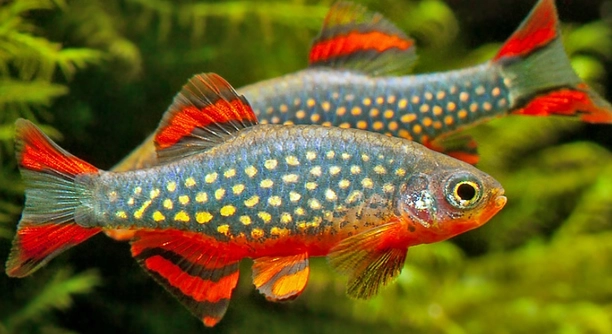
Keeping Danio tanks clean can be a challenge for new fish owners. Many wonder how to maintain clear, healthy water without overcomplicating their routine. A simple, consistent approach can make a big difference for your fish.
The most effective way to maintain pristine Danio water is by using quality filtration systems that remove debris, toxins, and excess nutrients. Proper filters enhance water circulation, improve oxygenation, and stabilize chemical levels, ensuring a healthy environment for Danios over time.
Even small changes in filtration can have a big impact on tank health. Learning about these filters will help your Danios thrive and keep their water sparkling clear.
Sponge Filters
Sponge filters are one of my favorite choices for Danio tanks. They are gentle, providing soft water flow, which Danios prefer. The spongy material traps debris while offering a surface for beneficial bacteria to grow. This bacteria helps break down harmful waste and keeps ammonia and nitrite levels low. I like how easy they are to clean—simply rinse the sponge in tank water during regular maintenance, without disturbing the tank’s balance. They are also quiet, which keeps the tank peaceful and stress-free for my fish. Sponge filters work well in small to medium tanks and can be combined with other filter types for added efficiency. Their simplicity makes them a reliable option, especially for someone new to keeping Danios. With minimal setup, they start filtering immediately and maintain stable water quality over time, which is essential for active, fast-moving Danios that produce a fair amount of waste.
Sponge filters are low-maintenance, effective, and perfect for small tanks. They combine mechanical and biological filtration in one simple device.
Using a sponge filter ensures water clarity while protecting delicate Danios from strong currents. Over time, the sponge accumulates beneficial bacteria, helping maintain chemical balance. Even in a moderately stocked tank, these filters handle daily waste efficiently. I’ve noticed that tanks with sponge filters stay clearer longer, reducing the need for frequent water changes. They are also quiet and unobtrusive, letting the fish move freely without stress. Many Danio keepers appreciate their reliability and ease of use, especially compared with more complex filters that require careful adjustments. Sponge filters are particularly useful in breeding tanks because they provide gentle circulation without sucking up fry. They are cost-effective and durable, often lasting for years with proper care. Combining a sponge filter with occasional partial water changes creates a stable environment, which encourages active swimming and healthier, more vibrant Danios.
Hang-On-Back (HOB) Filters
HOB filters are convenient and widely used in Danio tanks. They hang outside the tank and pull water through filter media for cleaning.
Hang-on-back filters offer mechanical, chemical, and biological filtration. Water is drawn up and passes through sponges, activated carbon, and sometimes bio-media. The mechanical part traps particles like leftover food and fish waste, keeping water clear. Carbon removes odors and discoloration, while bio-media promotes bacteria growth to break down ammonia and nitrites. These filters are easy to maintain—you can replace or rinse the media without disturbing your tank. They come in various sizes, making them suitable for small or large tanks. I’ve found they provide strong water flow that keeps debris suspended long enough to be filtered, which is ideal for Danios that are constantly swimming. Some models include adjustable flow rates, allowing gentle circulation so the fish aren’t stressed. HOB filters are a practical choice for aquarists who want effective, multi-stage filtration without complex installation. They combine efficiency, ease of use, and adaptability, making them a mainstay in many home aquariums.
HOB filters maintain clean water efficiently and are versatile for different tank sizes. Their multi-stage filtration supports healthy Danios.
Canister Filters
Canister filters are strong and efficient, perfect for larger Danio tanks. They sit outside the tank and push water through multiple filter media, keeping water clear and chemically balanced. They handle heavy waste without disturbing the fish.
I like using canister filters for heavily stocked tanks. Water passes through sponges, bio-media, and carbon, providing mechanical, biological, and chemical filtration all at once. This keeps ammonia and nitrite levels stable, which is crucial for active Danios. The flow rate is usually adjustable, allowing gentle circulation or stronger currents depending on the tank setup. Cleaning is simple: just rinse or replace the media as needed. Canister filters last for years with proper care and can support multiple tanks with the right model. They reduce maintenance frequency while keeping water pristine.
These filters are also quiet, which I appreciate, especially in a home where tanks are in living areas. They prevent debris buildup efficiently and maintain clarity even during busy feeding times. I’ve noticed my Danios swim more confidently in tanks with canister filters because the water stays clean and well-oxygenated.
Undergravel Filters
Undergravel filters sit below the tank substrate and pull water through gravel, providing biological filtration. They are simple but effective in maintaining water quality.
The filter draws water down through the gravel, which traps debris while hosting beneficial bacteria. These bacteria break down harmful ammonia and nitrites, helping stabilize the tank’s ecosystem. It works quietly and unobtrusively, keeping water clear without creating strong currents that might stress Danios. Regular vacuuming of the substrate is still needed to remove excess debris, but the filter itself rarely requires attention. I’ve found that undergravel filters are inexpensive yet reliable for medium-sized tanks. They don’t take up visible space, allowing a cleaner look and more room for decorations.
Many Danio keepers pair undergravel filters with air pumps or additional sponge filters to improve water circulation. This combination enhances oxygen levels and speeds up filtration efficiency. It’s a low-cost option that supports long-term water clarity and a healthy environment. Proper setup and occasional maintenance make undergravel filters surprisingly effective, especially in planted tanks where they can support root growth while filtering water. I like how stable and predictable the tank environment becomes, letting my Danios thrive without constant micromanagement.
Internal Filters
Internal filters sit inside the tank and provide mechanical and biological filtration. They are compact, easy to install, and ideal for smaller Danio tanks. Their gentle flow is perfect for active fish, preventing stress while keeping the water clear and healthy.
I like internal filters because they don’t take up extra space. They quietly circulate water while trapping debris and supporting beneficial bacteria. Maintenance is simple: just remove and rinse the filter media in tank water. They are efficient for tanks up to moderate sizes and help maintain stable chemical levels. Internal filters are a reliable, low-hassle choice for keeping Danio water pristine.
Power Filters
Power filters provide strong mechanical, chemical, and biological filtration. They pull water quickly through multiple media layers, keeping tanks clean even with high fish activity.
Corner Filters
Corner filters fit neatly in tank corners, combining sponge filtration with mild water flow. They are quiet, easy to maintain, and unobtrusive, making them suitable for small Danio tanks.
FAQ
What type of filter is best for a small Danio tank?
For a small tank, sponge filters or internal filters are ideal. They provide gentle water flow, which is suitable for active Danios. These filters combine mechanical and biological filtration and are easy to maintain without disturbing the tank’s balance.
How often should I clean my Danio filter?
Cleaning depends on filter type and tank size. Sponge and internal filters usually need rinsing every 2–4 weeks in tank water. Canister or hang-on-back filters require less frequent maintenance but should still be checked monthly to ensure proper water flow and bacteria growth.
Can I use multiple filters in one tank?
Yes, using more than one filter can improve water quality. Combining a sponge filter with a hang-on-back or undergravel filter can enhance circulation, increase oxygenation, and stabilize chemical levels, which is especially useful in tanks with higher fish counts.
Are chemical filtration media necessary?
Chemical media like activated carbon is helpful but not always essential. It removes discoloration, odors, and some dissolved substances, keeping water clear. Many Danio keepers use carbon in hang-on-back or canister filters for extra polish, especially in tanks with frequent feeding or heavy waste.
Will a filter remove all fish waste immediately?
No filter removes waste instantly. Filters trap debris and support bacteria that break down ammonia and nitrites over time. Regular water changes combined with proper filtration are key to maintaining stable, clean water for Danios.
Is a strong water flow safe for Danios?
Danios prefer moderate currents. Strong flows can stress fish, making them less active or causing injuries. Adjustable filters, like hang-on-back or canister models, let you control flow strength, ensuring a comfortable environment while still maintaining water clarity.
Can filters prevent algae growth?
Filters help indirectly by keeping water clean and removing excess nutrients. However, algae control also depends on lighting, feeding practices, and regular water changes. Even the best filter cannot eliminate algae if conditions are favorable for its growth.
What is the difference between biological and mechanical filtration?
Mechanical filtration removes visible debris like food particles or waste, keeping water clear. Biological filtration uses beneficial bacteria to break down toxic substances like ammonia and nitrites, stabilizing water chemistry and making the tank safe for Danios. Both are essential for healthy water.
Should I turn off my filter at night?
Filters should run continuously. Stopping filtration can reduce oxygen levels and disrupt the tank’s balance. Many Danios are active day and night, so constant water movement supports consistent water quality and overall health.
Can I use a filter in a planted Danio tank?
Yes, filters are compatible with planted tanks. Sponge and internal filters are particularly good because they provide gentle flow without disturbing plants. Canister and hang-on-back filters can also work if flow is adjusted. Proper filtration helps maintain nutrient balance for both plants and fish.
How do I know if my filter is working properly?
Signs of proper filtration include clear water, stable chemical levels, and healthy, active fish. Reduced water flow, unusual odors, or visible waste accumulation may indicate a clogged or failing filter. Regular checks and maintenance ensure long-term effectiveness.
Can I use an undergravel filter alone?
Undergravel filters can work on their own in moderately stocked tanks, but combining them with a sponge or air-driven filter improves circulation and oxygenation. This combination supports a stable ecosystem, especially for busy Danios that produce more waste.
Is filter noise harmful to Danios?
Noisy filters can stress fish. Danios prefer a quiet environment. Sponge filters and well-maintained internal or canister filters operate quietly. Minimizing vibrations and splashing ensures a calm habitat, promoting natural swimming behavior and reducing stress-related issues.
How do I choose the right filter size?
Filter size depends on tank volume and fish load. A filter rated for slightly more than your tank size ensures adequate flow and filtration. Oversized filters are fine if flow is adjustable, while undersized filters may struggle to maintain water quality.
Are cartridges reusable?
Some filter cartridges can be rinsed in tank water and reused. Others, especially chemical media, may need replacement according to manufacturer instructions. Reusing cartridges carefully preserves beneficial bacteria while maintaining filtration efficiency.
Can I rely on a filter alone without water changes?
Filters improve water quality but cannot replace regular water changes. Partial water changes remove waste, replenish minerals, and reduce nutrient buildup. Combining consistent water changes with effective filtration keeps Danio tanks healthy and water pristine.
How long does it take for a new filter to stabilize the tank?
New filters need time to establish beneficial bacteria. It can take 2–6 weeks for biological filtration to stabilize. During this period, monitoring water parameters and performing small water changes helps protect Danios from harmful ammonia or nitrite spikes.
Can filters help with cloudy water?
Yes, filters remove suspended particles that cause cloudiness. Mechanical filtration captures debris, while biological and chemical filtration stabilize water chemistry, preventing recurring cloudiness. Regular maintenance ensures the filter continues clearing water efficiently.
Is it safe to combine chemical, mechanical, and biological media?
Yes, most modern filters are designed for multi-stage filtration. Using all three types of media together ensures debris removal, chemical balancing, and bacterial growth, providing the most stable and clean environment for Danios.
What is the best maintenance routine for Danio filters?
Rinse sponges and bio-media in tank water monthly, replace carbon every 4–6 weeks, and check water flow regularly. Combine this with partial water changes weekly or biweekly to maintain clarity and chemical balance. Consistent care prevents buildup and keeps your Danios healthy.
How can I reduce filter-related stress in Danios?
Position filters to minimize strong currents near resting areas. Sponge or internal filters work well because they produce gentle flow. Ensuring proper oxygenation and quiet operation reduces stress, encouraging natural swimming behavior and vibrant coloration.
Are there any filters unsuitable for Danios?
Filters with extremely strong currents or those that create suction near the bottom may harm or stress Danios. Avoid models without adjustable flow or those that can trap small fish. Choosing gentle yet efficient filtration keeps the tank safe and healthy.
Can filters remove medications or additives from water?
Some chemical media, like activated carbon, can remove medications or supplements. When treating fish, it’s often recommended to temporarily bypass carbon or choose filters without chemical media to ensure effective dosing. Always follow treatment instructions carefully.
Do filters affect temperature?
Filters themselves do not significantly change water temperature. However, strong water movement can influence surface evaporation, slightly altering temperature. Combining proper filtration with a stable heater ensures a consistent environment for Danios.
Can filter flow be too weak?
Yes, insufficient flow can lead to debris buildup and uneven circulation. Even Danios, which prefer gentle currents, need enough movement to distribute oxygen and nutrients. Adjusting flow or adding secondary filtration can prevent stagnant areas.
How do I prevent clogging in my filter?
Regular maintenance prevents clogs. Rinse mechanical media often, avoid overfeeding, and vacuum the substrate to reduce debris. Canister and hang-on-back filters benefit from pre-filters or foam pads to catch larger particles before they reach the main media.
What are the signs a filter needs replacement?
Reduced water flow, unusual noise, or visible wear indicate it’s time to replace or repair the filter. Old sponges, torn media, or broken parts compromise filtration efficiency and can negatively affect water quality. Prompt replacement ensures the tank remains safe for Danios.
Can filters help in preventing fish disease?
Filters improve overall water quality, which lowers stress and reduces the risk of disease. While they don’t directly cure illnesses, stable water conditions support immune function and help fish recover faster from minor health issues.
How do I choose between internal, sponge, and canister filters?
Tank size, fish count, and space considerations guide the choice. Small tanks benefit from sponge or internal filters, while larger, heavily stocked tanks often need canister or hang-on-back filters. Considering flow, noise, and maintenance preferences ensures the right fit for Danios.
Can filters handle overfeeding?
Filters can help manage waste from overfeeding but cannot fully compensate. Excess food can clog media and degrade water quality. Feeding carefully and performing extra water changes alongside filtration is the best approach to prevent water problems.
Are battery-operated filters reliable?
Battery-operated filters work for emergencies or temporary setups but are not ideal for permanent Danio tanks. They may provide inconsistent flow and lack adequate filtration capacity for long-term water maintenance. Electric filters remain more reliable for steady water quality.
Can a filter help in a community tank with other fish?
Yes, multi-stage filters like canister or hang-on-back models efficiently handle diverse waste levels and maintain water clarity. Ensuring proper flow and avoiding strong currents keeps all species, including Danios, safe and healthy.
How do I adjust filter flow for a Danio tank?
Many filters have adjustable nozzles or valves. Start with moderate flow and observe fish behavior. Reduce if fish struggle or get pushed around, and increase slightly if debris remains. Fine-tuning ensures optimal circulation without stress.
Can filters prevent odors in the tank?
Yes, chemical media like activated carbon can remove odors caused by decomposing waste or uneaten food. Combined with mechanical and biological filtration, this keeps the tank smelling fresh while maintaining water quality.
What is the lifespan of a typical filter?
Filter lifespan varies by type and brand. Sponge and internal filters can last several years with care, while canister and hang-on-back filters often last 5–10 years. Regular maintenance extends usability and keeps performance consistent.
Do filters remove nitrate completely?
Filters reduce nitrate indirectly through beneficial bacteria and water changes but do not eliminate it entirely. Regular partial water changes are necessary to keep nitrate at safe levels and prevent algae growth.
Can filters run dry without damage?
Most filters should not run dry. Biological media needs water to maintain beneficial bacteria. Running a filter without water can damage the motor or reduce filtration efficiency. Always ensure filters stay submerged or properly primed.
Are filters safe for tank plants?
Yes, gentle filters like sponge or internal models are safe for plants. Canister and hang-on-back filters can also work if flow is adjusted to avoid uprooting delicate plants while maintaining water circulation.
How do I monitor filter performance over time?
Check water clarity, flow rate, and chemical levels regularly. Observe fish behavior and inspect media for buildup or wear. Consistent monitoring helps detect issues early and ensures long-term water quality.
Can filters remove tannins from driftwood?
Activated carbon in chemical media helps reduce tannins that discolor water. Mechanical and biological filtration complement this by removing debris and stabilizing water chemistry, keeping water clear.
What should I do if my filter fails?
Temporarily increase partial water changes, add a backup sponge filter or air pump, and fix or replace the filter immediately. Maintaining water movement and cleaning debris minimizes stress on Danios until the filter is restored.
Are filters energy-efficient?
Most modern filters are designed to consume minimal electricity while providing effective filtration. Canister and hang-on-back filters vary in energy use, but proper maintenance ensures optimal performance without high costs.
Can filters remove medications accidentally?
Yes, filters with activated carbon can remove some medications. During treatment, it may be necessary to bypass chemical media temporarily to ensure proper dosage. Always follow manufacturer guidelines for safe treatment.
Do I need a pre-filter for my Danio tank?
Pre-filters can prevent large debris from clogging the main filter, extending its lifespan. Sponge or foam pre-filters are common and particularly helpful in tanks with high feeding rates or active fish.
Can filters help with cloudy water after a new setup?
Filters assist in clearing cloudiness by trapping particles and supporting bacteria growth. New tanks may experience temporary cloudiness due to disturbed substrate or bacterial bloom, which filters help stabilize over time.
How do I choose between mechanical media types?
Mechanical media ranges from coarse sponges to fine floss. Coarse media traps larger debris, while fine media captures smaller particles. Combining both ensures thorough cleaning and prevents clogging in Danio tanks.
Is it safe to use multiple chemical media together?
Yes, using multiple chemical media types is safe if the filter allows space. Carbon, phosphate removers, or specialty media can target specific water issues while working alongside mechanical and biological filtration.
Can filters improve oxygen levels?
Yes, filters increase water movement, enhancing surface agitation and oxygen diffusion. Sponge and internal filters are particularly effective in gently oxygenating smaller tanks without stressing Danios.
Do filters require special placement in the tank?
Filters should be positioned for optimal water circulation, avoiding dead zones. Internal and corner filters go in unobtrusive areas, while hang-on-back and canister outlets should create gentle flow without pushing fish against tank walls.
Are filters safe for baby Danios?
Yes, but strong currents should be avoided. Sponge or internal filters are safest because they provide gentle flow and prevent fry from being sucked into the intake while maintaining water cleanliness.
Can filters help with cloudy or smelly water after overfeeding?
Yes, filters trap excess food and debris. Combining mechanical, chemical, and biological filtration with partial water changes quickly restores clarity and reduces odors. Monitoring feeding habits prevents repeat problems.
Should I turn off filters during water changes?
Filters can run during water changes, but it’s important to avoid disturbing media too much. Running the filter maintains circulation and reduces stress, while careful water replacement keeps chemical levels stable.
Do filters affect pH or hardness?
Filters themselves don’t significantly change pH or hardness. However, media like resins can alter chemical properties. Most filters maintain stability, especially when combined with regular water changes and proper substrate choices.
Can filters remove floating debris effectively?
Yes, mechanical media traps floating particles like uneaten food and waste. Proper flow and maintenance ensure debris is captured before it sinks or decomposes, keeping the tank clean for Danios.
Are there filters designed specifically for Danios?
While no filter is exclusively for Danios, models with gentle flow, reliable mechanical and biological filtration, and compact design are ideal. Sponge, internal, and adjustable hang-on-back filters are most suitable for these active fish.
How do I ensure my filter supports long-term tank stability?
Maintain media, monitor water parameters, adjust flow as needed, and perform regular water changes. Consistent care ensures the filter continues providing clean, clear water for Danios without unexpected spikes in toxins.
What happens if I skip filter maintenance?
Neglecting maintenance can reduce flow, allow debris buildup, and impair bacterial colonies. This leads to poor water quality, increased ammonia and nitrites, and stressed or sick Danios. Regular upkeep is essential to keep the tank safe and healthy.
Can filters reduce the need for frequent water changes?
Filters help extend the time between water changes but cannot replace them entirely. Partial water changes remain necessary to remove nitrates, replenish minerals, and prevent debris accumulation, keeping Danios in optimal conditions.
Are DIY filters effective for Danios?
DIY filters can work if designed to provide mechanical, biological, and sufficient flow. Sponge-based or air-driven setups are most successful. However, commercially available filters usually offer more consistent performance and reliability.
Can filters remove microplastics or tiny particles from water?
Fine mechanical media can capture some small particles, though very tiny debris may pass through. Combining mechanical filtration with water changes helps maintain pristine water for Danios.
How do I know if my filter is too strong?
Signs include fish being pushed around, struggling to swim, or hiding frequently. Adjusting flow or adding flow dampeners helps create a comfortable environment while maintaining filtration efficiency.
Can filters work with salt-treated water for Danios?
Yes, most filters tolerate mild salt treatments used to prevent minor infections. Rinse or replace media afterward if chemical media was exposed, ensuring filtration efficiency isn’t compromised.
Should I turn off a filter during feeding?
It’s usually not necessary. Feeding while the filter runs helps keep food suspended longer, allowing fish to eat and the filter to remove excess particles efficiently.
Can filters affect fish behavior?
Proper filters improve water quality and reduce stress, encouraging natural swimming, breeding behavior, and activity. Poorly chosen filters or strong currents can negatively impact behavior and fish health.
Are there signs of filter overwork?
Yes, reduced flow, noise, or water leaks indicate strain. Excessive debris or a clogged filter reduces efficiency, requiring cleaning or media replacement. Maintaining proper load prevents long-term damage.
Can filters help prevent fin rot or other water-related diseases?
Indirectly, yes. Stable, clean water reduces stress and bacterial growth, lowering the risk of fin rot and other waterborne diseases. Regular filtration, combined with water changes, keeps Danios healthy.
Do filters remove dissolved organics completely?
Filters reduce dissolved organics with chemical media, but complete removal is rare. Partial water changes complement filtration, ensuring optimal water clarity and chemical balance.
How do I troubleshoot filter problems?
Check water flow, inspect media for buildup, ensure proper assembly, and clean or replace components as needed. Monitoring water parameters helps identify underlying issues affecting filter performance.
Can filters be run 24/7 safely?
Yes, continuous operation is recommended. Constant circulation maintains oxygen levels, chemical balance, and water clarity, supporting healthy, active Danios.
Are there portable filters for temporary setups?
Yes, small sponge or battery-operated filters work for quarantine tanks or temporary housing. They provide gentle filtration and circulation until the main tank setup is available.
How does filter placement affect efficiency?
Proper placement ensures water passes through media evenly, avoids dead zones, and maintains consistent chemical and biological balance throughout the tank. Placement near corners or along walls helps optimize flow.
Can filters prevent buildup on decorations?
Filters reduce particulate matter that settles on decorations. While some algae or residue may still form, combined with regular cleaning, filters keep decorations cleaner longer.
Are there eco-friendly filter options?
Sponge and internal filters use minimal electricity and durable media. Canister filters with reusable media reduce waste, making them environmentally conscious choices while maintaining clean water for Danios.
Can filters work in cold or heated tanks?
Yes, filters operate effectively across typical aquarium temperatures. Ensure the model is rated for the tank’s temperature range and maintain appropriate water conditions for Danios.
Do filters remove ammonia completely?
Filters don’t remove ammonia instantly but provide surfaces for beneficial bacteria to convert ammonia into nitrite and then nitrate. Combined with water changes, this keeps ammonia at safe levels for Danios.
Can filters handle heavy bioloads?
Yes, canister and hang-on-back filters are designed for tanks with many fish. Proper sizing, maintenance, and sometimes additional filtration ensure water remains clear despite heavy bioloads.
How do I choose the best filter for my tank size?
Select a filter rated slightly above the tank volume. Consider flow rate, media type, and adjustability. Oversized filters are acceptable if flow
Keeping Danio tanks clean can feel overwhelming at first, but the right filtration system makes a big difference. Filters remove debris, balance chemicals, and maintain oxygen levels, which helps Danios stay healthy and active. Choosing the right type of filter depends on tank size, fish load, and your maintenance preferences. Small tanks often do well with sponge or internal filters because they provide gentle flow and support beneficial bacteria. Larger tanks benefit from hang-on-back or canister filters, which offer multi-stage filtration and can handle heavier waste loads. The key is to match the filter to your tank’s needs while keeping maintenance manageable, so water quality remains stable without constant intervention.
Maintenance plays a big role in keeping water clear and safe. Even the best filters need regular cleaning or media replacement to perform properly. Sponge filters should be rinsed in tank water every few weeks to remove trapped debris while preserving the bacteria colonies. Hang-on-back and canister filters often have multiple media layers, each requiring attention at different intervals. Over time, chemical media like activated carbon can lose effectiveness and should be replaced according to manufacturer instructions. Consistent monitoring of water clarity, ammonia, nitrite, and nitrate levels ensures that the filter is functioning correctly. With regular maintenance, your filter continues to work efficiently, keeping the tank stable and reducing stress for your Danios.
Choosing the right filter and maintaining it consistently creates a healthy, low-stress environment for Danios. Proper filtration not only removes waste but also promotes beneficial bacteria that stabilize chemical levels. Gentle water flow allows Danios to swim freely without struggling, while strong circulation in larger tanks ensures debris does not accumulate. Combining mechanical, biological, and chemical filtration provides the most balanced approach to water care. Even if the tank becomes lightly cloudy or algae appears, a well-maintained filter helps restore clarity over time. Investing time in the right filter setup and keeping up with routine care makes tank management easier, reduces the risk of water-related illnesses, and supports the long-term health and vibrancy of your Danios. Clean water is the foundation of a thriving aquarium, and the right filtration system ensures that foundation remains strong.

Hello,
If you enjoy the content that we create, please consider saying a "Thank You!" by leaving a tip.
Every little bit helps us continue crafting quality advice that supports the health, happiness, and well-being of pets around the world, for pets of all shapes, sizes, and species.
We really appreciate the kindness and support that you show us!