
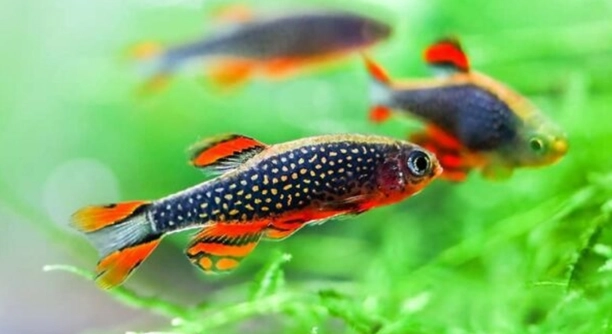
Danios are lively and social fish that thrive in groups. Observing a school of healthy danios can be calming, yet maintaining balance requires attention to their behavior, environment, and overall health. Consistency plays a key role.
A well-balanced danio school displays synchronized swimming patterns, minimal aggression, and uniform feeding behaviors. Maintaining stable water conditions, proper nutrition, and appropriate tank size fosters social harmony and supports physical and mental well-being across all members of the group.
Recognizing these habits can help you manage your tank better. Small adjustments often lead to healthier, more active danios that coexist peacefully.
Consistent Swimming Patterns
Danios naturally move together in coordinated groups, and this behavior is a key sign of balance. When a school swims consistently, it shows they are comfortable in their environment. Sudden changes in movement, erratic darting, or hiding often indicate stress or imbalance. Observing swimming patterns daily helps identify potential problems early.
Watching your danios move in sync is reassuring. Their fluid motions show a stable, calm environment where each fish knows its place.
Encouraging consistent swimming starts with the tank setup. Adequate space, gentle filtration, and steady water parameters reduce stress and promote natural behavior. Feeding schedules also matter, as sudden or irregular feeding can disrupt group cohesion. Plants and decorations give hiding spots, preventing dominance fights while allowing shy fish to integrate safely. Even subtle factors like lighting cycles and minimal sudden disturbances contribute to smooth swimming patterns. Maintaining these conditions ensures a school that is active, healthy, and socially balanced, creating a more enjoyable experience for observation and care.
Minimal Aggression
Aggression among danios is usually low in a well-balanced school.
A school with minimal aggression shows even distribution of food, few chasing incidents, and calm interactions. Conflicts tend to occur if the tank is overcrowded, hiding spots are lacking, or dominant fish stress others.
Managing aggression involves maintaining proper group size and structure. Danios do best in schools of six or more, allowing social hierarchies to stabilize without overcompetition. Tank decorations like plants or driftwood create territories, reducing constant confrontations. Observing interactions during feeding helps identify stressed or overly dominant fish that may need temporary separation. Aggression can also be reduced by adjusting water temperature and quality, as uncomfortable conditions often trigger hostility. Over time, the school finds a rhythm where all members coexist with minimal chasing or bullying. Consistent observation and environment management keep the group harmonious, promoting physical health and natural behavior patterns for every danio in the tank.
Uniform Feeding Behavior
Danios that eat together calmly show a balanced school. Sudden competition or skipped meals may signal stress or health issues.
Feeding consistency is essential. Providing the same type of food at regular times helps fish develop predictable habits. Small portions reduce waste and prevent overeating. Watching the school eat together shows which fish are dominant or shy. Adjusting feeding locations and amounts can ensure all fish get their share. Over time, uniform feeding behavior indicates that the school is stable, and each fish is healthy and thriving. It also minimizes aggression and stress, making daily care easier.
Uneven feeding often arises from overcrowding or a lack of variety. Shy fish may be pushed aside, leading to malnutrition or weaker immune systems. Offering floating and sinking foods allows all members to feed comfortably. Rotating between live, frozen, or high-quality flake food ensures nutritional balance. Regular observation helps spot any fish consistently missing meals. Addressing these issues promptly maintains health and encourages peaceful group dynamics. A school that feeds together without conflict demonstrates social harmony and overall well-being.
Stable Water Conditions
Consistent water parameters are key to keeping danios healthy. Sudden changes stress the school. Proper filtration, regular testing, and gentle water flow maintain stability.
Temperature, pH, and hardness must remain steady. Rapid swings can cause erratic behavior or illness. Regular partial water changes prevent toxin buildup and support long-term health. Using reliable test kits and monitoring daily ensures conditions stay optimal. Stability reduces aggression, encourages feeding, and promotes active swimming. Even minor shifts in nitrate or ammonia levels can disrupt the school, so consistent maintenance is critical.
Water changes and maintenance routines are more than just cleaning. Removing excess waste, uneaten food, and decaying plants prevents harmful spikes in ammonia and nitrites. Consistency in filtration and aeration ensures oxygen levels remain high and circulation is steady, supporting natural swimming and feeding habits. Stability also affects breeding behavior, stress response, and disease resistance. Monitoring water parameters closely allows you to spot early issues before they escalate. A school living in stable conditions is more vibrant, social, and resilient, showing natural behaviors without unnecessary stress.
Appropriate Tank Size
A properly sized tank reduces stress and supports natural behavior. Overcrowding leads to aggression, poor swimming patterns, and uneven feeding among danios.
Providing enough space allows each fish to establish its own area, swim freely, and interact without constant competition. A larger tank encourages exploration and reduces the risk of illness from poor water quality.
Active Exploration
Danios naturally explore their environment when comfortable. They investigate plants, decorations, and open areas, showing curiosity and engagement. Active exploration indicates mental stimulation and a well-balanced school. Providing hiding spots and open swimming zones encourages movement and reduces boredom, keeping the school healthy and socially stable.
Even Age and Size
Mixing similar-aged danios prevents bullying and ensures uniform social interactions. Large differences in size can lead to dominance and stress, affecting overall balance. Maintaining a school with even growth supports harmony, feeding equality, and peaceful swimming patterns, making daily observation easier and the group more cohesive.
How many danios should I keep in a school?
A healthy danio school needs at least six fish. Smaller groups can become stressed, and social behavior may be disrupted. Larger groups are fine as long as the tank provides enough space. Maintaining even numbers helps reduce bullying and promotes synchronized swimming patterns.
What is the ideal tank size for danios?
Danios are active swimmers, so they need space. A minimum of 20 gallons works for six danios, but larger tanks are better. Extra space allows exploration, reduces aggression, and ensures stable water conditions. Overcrowding can lead to stress, uneven feeding, and irregular swimming behavior.
What type of water conditions do danios prefer?
Danios thrive in stable water with temperatures between 70-78°F (21-26°C). pH should stay around 6.5–7.5, and water hardness should be moderate. Regular testing and partial water changes keep ammonia, nitrites, and nitrates in check. Stability reduces stress, encourages feeding, and supports overall health.
How often should I feed my danios?
Feeding two small meals a day works best. Overfeeding can pollute water and cause obesity, while underfeeding may stress shy or slower fish. Offering a mix of high-quality flakes, frozen foods, or live foods ensures balanced nutrition. Observing eating habits helps adjust portion sizes for all members.
Can danios live with other fish species?
Yes, danios are generally peaceful and do well with similar-sized, non-aggressive species. Avoid slow-moving or long-finned fish that danios might nip. Tank mates should share similar water requirements. Proper planning reduces stress, prevents aggression, and helps maintain a harmonious school dynamic.
Why do danios sometimes swim erratically?
Erratic swimming can indicate stress, poor water quality, or illness. Sudden temperature changes, high ammonia, or nitrate spikes often cause this behavior. Observing patterns and checking water parameters helps identify problems early. Prompt adjustments and maintaining stable conditions support a balanced, healthy school.
What are common signs of aggression among danios?
Chasing, fin nipping, and constant dominance displays are signs of aggression. Aggression often appears in overcrowded tanks, with uneven hiding spots or food competition. Observing these behaviors allows corrective actions like adjusting tank layout, separating dominant fish, or increasing school size to restore balance.
How do I encourage natural swimming behavior?
Provide open spaces, gentle filtration, and consistent lighting cycles. Plants and decorations create territories while allowing free swimming. Feeding schedules and stable water conditions also encourage synchronized movement. A combination of space, structure, and stability ensures a school that swims actively and naturally.
Is water temperature really important for danios?
Yes, stable temperatures prevent stress and illness. Danios tolerate a moderate range but sudden fluctuations cause erratic swimming and weakened immune systems. Using a reliable heater or thermometer keeps the environment stable, supporting feeding patterns, swimming behavior, and social harmony within the school.
How can I tell if my school is balanced?
A balanced school swims together, shows minimal aggression, eats uniformly, and explores actively. Fish of similar size interact well, and stress signs are low. Observing daily, maintaining proper tank conditions, and adjusting feeding routines ensure the group stays healthy, social, and harmonious.
What maintenance routines are essential for a healthy school?
Regular partial water changes, tank cleaning, and monitoring water parameters are key. Check temperature, pH, hardness, and ammonia levels often. Remove uneaten food and debris to prevent toxins. Consistent maintenance supports uniform feeding, stable swimming, low aggression, and overall well-being, keeping the school thriving long-term.
Can I keep danios in a planted tank?
Yes, plants provide hiding spots, reduce stress, and encourage exploration. Live plants also improve water quality by absorbing nitrates. Dense planting combined with open swimming areas creates balance, allowing shy fish to feel safe while active members move freely, maintaining social stability across the school.
How often should I observe my danios?
Daily observation is ideal. Watching swimming patterns, feeding behavior, and interactions helps spot stress, illness, or aggression early. Small changes often indicate bigger issues, so regular attention ensures timely adjustments and a well-balanced, healthy, and active school.
What should I do if a fish becomes sick?
Isolate the affected fish in a quarantine tank immediately. Check water conditions and maintain cleanliness. Treat with proper medication if needed, and monitor recovery closely. Preventing disease spread preserves the overall balance, feeding habits, and harmony of the main school.
How can I reduce stress in my danio school?
Stable water conditions, adequate space, proper feeding, and minimal sudden disturbances reduce stress. Plants and decorations provide hiding spots, while consistent routines encourage normal behavior. A calm environment ensures active swimming, even feeding, and peaceful interactions, supporting long-term health for all fish.
Can I breed danios in a community tank?
Breeding is possible, but separating eggs or fry is recommended. Adults may eat eggs, disrupting balance. Providing flat surfaces for spawning and gentle water conditions helps. Breeding should be planned carefully to maintain harmony in the main school while ensuring fry survival.
How important is tank decoration for danios?
Decorations create territories, reduce chasing, and encourage exploration. Balanced placement of plants, rocks, and open swimming areas supports social harmony. Proper tank layout allows shy fish to hide, dominant fish to establish space, and the entire school to interact naturally, maintaining a well-balanced group.
What do I do if aggression persists?
Increase school size or rearrange decorations to break up territories. Separating highly aggressive fish temporarily may be necessary. Monitoring feeding and providing multiple food locations ensures all fish get enough. Persistent aggression often signals overcrowding or environmental stress that must be corrected to maintain a healthy school.
How can I monitor long-term health of my school?
Track swimming patterns, feeding consistency, growth, and interactions over time. Regular water testing, proper diet, and observation of any behavioral changes help maintain balance. Addressing minor issues promptly prevents illness or stress, ensuring a vibrant, cohesive school that thrives together for years.
What role does light play in a danio tank?
Consistent lighting supports natural rhythms and reduces stress. Light cycles of around 10–12 hours mimic natural conditions, encouraging regular feeding and activity patterns. Sudden changes or excessive brightness can disrupt behavior, so a predictable schedule helps maintain a stable, healthy, and active school environment.
Maintaining a well-balanced danio school requires attention to several key factors, but the effort is rewarding. Observing a school of danios that swim together in harmony, feed evenly, and explore their environment actively shows that balance has been achieved. Each fish thrives when the group functions as a whole, and small adjustments to their care can make a big difference. Simple actions such as monitoring water parameters, maintaining consistent feeding schedules, and providing enough space can prevent most issues before they start. Over time, paying attention to these details becomes second nature, and the school becomes easier to manage. A calm, healthy group of danios is not only more enjoyable to watch, but it also encourages natural behaviors that are essential for their physical and mental well-being.
Tank setup plays a major role in maintaining balance. Adequate space, open swimming areas, and hiding spots allow each fish to feel secure while interacting with the group. Plants, driftwood, and decorations provide territories and reduce conflicts, especially in larger schools. Ensuring stable water conditions is equally important, as sudden changes in temperature, pH, or water hardness can quickly stress the fish. Filtration and aeration systems help maintain cleanliness and oxygen levels, while regular partial water changes remove waste and prevent toxins from building up. Even small details, such as consistent lighting cycles and minimal sudden disturbances, contribute to a sense of stability in the tank. When the environment is reliable, danios are more likely to swim actively, feed without competition, and coexist peacefully.
Feeding and nutrition are also essential for a well-balanced school. Offering a mix of high-quality flakes, frozen foods, and occasional live foods ensures that all members of the group receive proper nutrition. Small, frequent meals reduce waste and help prevent dominant fish from taking most of the food, allowing shy or slower fish to eat comfortably. Regular observation during feeding times provides insight into the social structure of the school and highlights any individuals that may need extra attention. Over time, maintaining consistent care routines and a balanced environment supports a healthy, active, and socially harmonious school. Paying attention to these habits allows danios to thrive, creating a lively and cohesive group that can be enjoyed for years.

Hello,
If you enjoy the content that we create, please consider saying a "Thank You!" by leaving a tip.
Every little bit helps us continue crafting quality advice that supports the health, happiness, and well-being of pets around the world, for pets of all shapes, sizes, and species.
We really appreciate the kindness and support that you show us!