
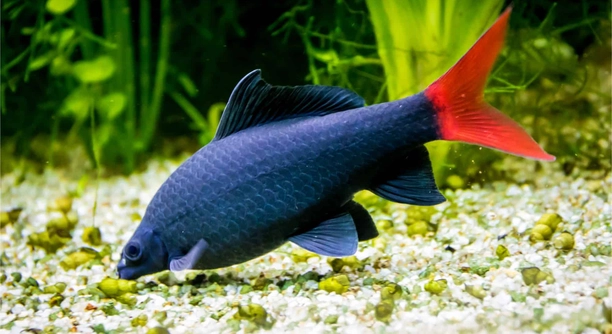
Is your rainbow shark hiding too often or swimming frantically around the tank, leaving you unsure of what to do next?
Stress in rainbow sharks is often caused by poor tank conditions, lack of hiding spots, aggressive tank mates, or sudden changes in their environment. Addressing these factors is key to restoring your fish’s health and behavior.
Learning how to manage these issues will help create a peaceful environment and ensure your rainbow shark lives a healthier, more comfortable life.
Check Your Tank Conditions First
Stress often begins with the basics. Poor water quality, incorrect temperature, or imbalanced pH levels can negatively affect your rainbow shark. These fish need stable conditions to feel secure. Keep the water temperature between 75–81°F, and maintain a pH between 6.5–7.5. Sudden changes in these numbers can cause panic or hiding behavior. Regular water testing is essential, and partial water changes every week can prevent buildup of harmful substances like ammonia and nitrites. Use a reliable filter to keep the water clean and ensure proper oxygen levels. A stable environment helps reduce stress and keeps your fish active and alert.
Stick to a consistent maintenance routine and always check for signs of distress like faded color or erratic swimming.
Once the tank conditions are stable, your rainbow shark will be able to thrive. A clean, well-monitored aquarium builds a strong foundation for better health and fewer stress-related behaviors.
Add Proper Hiding Spots
Rainbow sharks are territorial and need places to retreat when they feel threatened.
Use driftwood, rocks, or decorations with hollow spaces to create safe areas where your shark can hide without feeling trapped. Plants, either real or artificial, also help break line of sight and reduce tension with other fish. Rearranging the tank occasionally can also help minimize territorial stress. Avoid overcrowding the tank, as it increases competition and stress. If your rainbow shark has nowhere to retreat, it may become aggressive or withdrawn. Giving it the space and structure it needs helps it feel more secure and reduces stressful behavior. Choose hiding spots large enough for your shark to enter and leave easily. Be mindful of sharp edges or small holes that could cause injury. When your rainbow shark feels like it has control over its environment, it will become more relaxed and less reactive. Creating a comfortable habitat is a key step in managing stress levels.
Reduce Tank Aggression
Tank mates can sometimes overwhelm rainbow sharks. These fish are naturally territorial and often react poorly to similar-looking or bottom-dwelling species.
If aggression is a concern, avoid keeping rainbow sharks with red-tailed sharks, bala sharks, or other semi-aggressive fish. Opt for mid-to-top-level swimmers like barbs, danios, or rasboras. Adding tank mates gradually can also help reduce initial tension. Ensure the tank is large enough—at least 55 gallons—to give each fish space. Rearranging decorations can break established territories and ease aggression. Monitor your shark’s behavior daily. If chasing or fin-nipping continues, consider separating them. A peaceful tank supports healthier fish and reduces long-term stress.
When a rainbow shark feels secure and unthreatened, its behavior noticeably improves. Give your fish the space it needs and avoid combinations that might cause conflict. Observing which tank mates work best will help you maintain a calm, balanced environment that keeps your rainbow shark more relaxed and active.
Maintain a Consistent Feeding Schedule
Feeding times impact stress levels more than many people realize. Inconsistent routines or poor diets can lead to anxiety and unpredictable behavior in rainbow sharks.
Feed your shark once or twice a day at consistent times, using a mix of sinking pellets, occasional live foods, and vegetables like blanched zucchini or spinach. Avoid overfeeding, as leftover food decays quickly and harms water quality. Make sure your rainbow shark is getting its share if you have multiple fish. Sticking to a regular schedule helps the fish feel secure and reduces erratic swimming or food aggression. If your shark appears uninterested or overly aggressive at feeding time, it could be reacting to stress. Try offering a small portion of its favorite food to see if appetite improves. Watch closely for any changes. A healthy feeding routine not only nourishes your fish but also builds trust and reduces nervous behavior over time.
Limit Sudden Changes
Avoid making big changes in the tank all at once. Sudden shifts in lighting, décor, or water parameters can easily stress your rainbow shark and cause hiding, aggression, or loss of appetite.
When you do need to make changes, spread them out over several days. This gives your fish time to adjust without feeling overwhelmed.
Monitor for Illness
Illness can be a hidden cause of stress. Look for signs like faded color, damaged fins, or unusual swimming patterns. Catching problems early allows for quicker treatment and can prevent further stress buildup.
Use a separate hospital tank if treatment is needed. Avoid medicating the main tank unless absolutely necessary, and always follow the dosage instructions closely. Clean the tank regularly, and make sure all equipment is working properly. Healthy fish are more relaxed and better able to handle small changes. Monitoring daily helps you act quickly if anything goes wrong.
Give It Time
Even with all changes in place, your rainbow shark might need time to adjust. Stress doesn’t disappear overnight, especially if it’s been ongoing. Be patient and continue observing calmly.
FAQ
How can I tell if my rainbow shark is stressed?
Signs of stress include hiding frequently, erratic swimming, loss of color, and refusal to eat. Your fish may also become more aggressive or lethargic. Watching its behavior closely helps detect stress early before it affects health.
What water conditions are best for rainbow sharks?
Maintain water temperature between 75–81°F and pH levels of 6.5–7.5. Keep ammonia and nitrites at zero, and nitrates below 20 ppm. Use a reliable filter and perform weekly partial water changes to keep the tank clean and stable.
Why does my rainbow shark hide so much?
Hiding is a natural response to stress. It may feel threatened by aggressive tank mates, lack of hiding places, or sudden changes in the environment. Providing plenty of shelters and reducing stressors can encourage your fish to explore more.
Can tank mates cause stress for my rainbow shark?
Yes, certain species cause tension. Avoid aggressive or similar bottom-dwellers like other sharks. Choose peaceful, mid-to-top swimmers and give each fish enough space to reduce competition and territorial disputes.
How often should I feed my rainbow shark?
Feed once or twice daily with sinking pellets, live foods, and occasional vegetables. Keep feeding times consistent to help your fish feel secure and reduce anxiety. Avoid overfeeding to maintain water quality.
What should I do if my rainbow shark becomes aggressive?
First, check tank size and decoration to ensure enough space and hiding spots. Separate aggressive fish if needed. Avoid adding new fish suddenly and monitor interactions carefully. Adjust tank setup to reduce territorial behavior.
Is it normal for rainbow sharks to be active at night?
Rainbow sharks are generally more active during the day but may show activity at night. If nighttime activity is excessive, it could signal stress or poor tank conditions that need checking.
How long does it take for a stressed rainbow shark to recover?
Recovery time varies depending on stress severity. Minor stress may resolve within days, while chronic issues might take weeks. Consistent care, proper tank conditions, and a calm environment speed up recovery.
Can poor water quality cause diseases in rainbow sharks?
Yes, poor water quality weakens the immune system, making fish susceptible to infections like fin rot or ich. Regular maintenance and testing prevent disease and reduce stress-related illnesses.
Should I medicate my tank if my rainbow shark is stressed?
Medication should only be used when a disease is diagnosed. Stress alone doesn’t require drugs. Focus first on improving tank conditions and environment. Consult a vet or specialist before using any medication.
What are good hiding places for rainbow sharks?
Use driftwood, rocks with caves, and dense plants. Provide spaces large enough for your shark to enter comfortably. Avoid sharp edges that might injure your fish. Well-placed hiding spots reduce stress and improve comfort.
How important is tank size for rainbow sharks?
Rainbow sharks need at least 55 gallons due to their active and territorial nature. Smaller tanks increase stress and aggression. A larger tank provides more space for swimming and reduces conflicts.
Can I keep multiple rainbow sharks together?
Keeping multiple rainbow sharks in the same tank is not recommended unless the tank is very large. They are territorial and may fight, causing stress or injury. If housing more than one, provide plenty of space and hiding spots.
What should I do if my rainbow shark stops eating?
Loss of appetite can indicate stress, illness, or poor water quality. Test water parameters, check for signs of disease, and try offering favorite foods like live or frozen treats. If it continues, seek advice from an aquarium professional.
How can I make my rainbow shark less shy?
Create a stable, stress-free environment with proper hiding places and gentle tank mates. Feed on a schedule and avoid sudden changes. Over time, your shark will become more confident and interactive.
Is lighting important for rainbow sharks?
Yes, lighting should mimic natural day-night cycles. Too bright or constant lighting can cause stress. Use a timer to ensure consistent light periods, usually around 8–10 hours per day.
How do I safely rearrange my tank without stressing my fish?
Move decorations gradually over several days instead of all at once. This helps your fish adjust to changes without panic. Always monitor behavior during and after rearranging to spot any signs of stress.
What plants work well in a rainbow shark tank?
Hardy plants like Java fern, Anubias, and Cryptocoryne provide cover and hide spots. They tolerate the moderate water flow preferred by rainbow sharks and help improve water quality.
Can stress affect the lifespan of a rainbow shark?
Yes, chronic stress weakens immune response and can shorten lifespan. Keeping your tank stable and reducing stressors is essential for the long-term health of your fish. Regular care supports a longer, healthier life.
How do I know if my rainbow shark is happy?
A relaxed rainbow shark swims confidently, displays vibrant colors, eats regularly, and explores its tank. Minimal hiding and calm interactions with tank mates indicate a content fish.
Rainbow sharks are lively and beautiful fish that can brighten up any aquarium. However, they are sensitive to changes in their environment and can easily become stressed. Stress affects their behavior and health, making it important to address any signs quickly. Ensuring proper tank conditions, providing hiding spots, and selecting compatible tank mates are essential steps in reducing stress. By paying close attention to their needs, you help your rainbow shark feel safe and comfortable, which supports its overall well-being.
Maintaining a stable environment takes effort but is worthwhile. Regular water testing, consistent feeding schedules, and avoiding sudden changes help create a peaceful home for your fish. Watching for signs of illness and addressing them early also prevents stress from becoming a bigger problem. When you give your rainbow shark the right care, it will display its natural vibrant colors and energetic swimming patterns. The calm behavior of a healthy fish reflects a well-maintained tank and thoughtful husbandry.
Patience is also important. Even after making improvements, it may take time for your rainbow shark to fully recover from stress. Observing your fish daily and making small adjustments when necessary allows you to support its healing process. Remember, each fish is unique and may respond differently to changes. Taking the time to learn about your rainbow shark’s preferences and habits will help you provide the best care possible. A calm and healthy rainbow shark is a rewarding sight and a sign of successful aquarium management.

Hello,
If you enjoy the content that we create, please consider saying a "Thank You!" by leaving a tip.
Every little bit helps us continue crafting quality advice that supports the health, happiness, and well-being of pets around the world, for pets of all shapes, sizes, and species.
We really appreciate the kindness and support that you show us!