
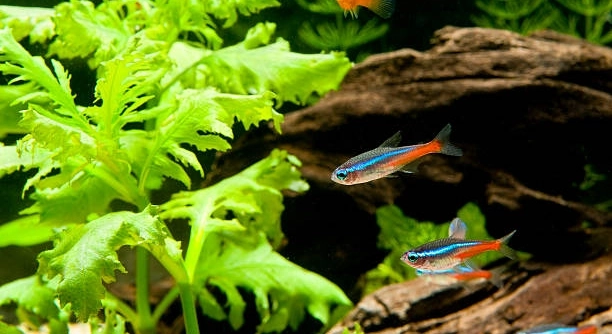
Keeping a tetra tank peaceful and healthy takes some care and attention. These small fish need the right environment to thrive and avoid stress. A well-maintained tank helps them live longer and stay vibrant.
Creating a low-stress tank for tetra involves controlling water quality, maintaining stable temperature, providing proper tank size, including hiding spots, and avoiding overcrowding. Regular monitoring and gentle handling also reduce stress and promote their well-being.
These tips focus on practical steps to make your tetra feel secure and comfortable in their home. Following them can improve your fish’s overall health and happiness.
Maintain Stable Water Conditions
Stable water conditions are essential for keeping tetras stress-free. Sudden changes in temperature, pH, or hardness can shock them. Aim to keep the water temperature between 72°F and 78°F, which suits most tetra species. Test the water regularly to monitor pH and ammonia levels. A pH range of 6.0 to 7.5 works well. Use a reliable heater and thermometer to avoid fluctuations. Frequent water changes help keep ammonia and nitrate levels low, but avoid replacing too much water at once. Large changes can upset the tank’s balance. Consistency is key, so develop a maintenance routine that keeps the water environment steady and clean.
Keeping water stable means less stress for your tetras and a healthier tank overall. This step forms the foundation for their well-being.
A stable environment reduces the risk of disease and encourages natural behavior, helping your tetras thrive in their tank.
Provide Adequate Space and Hiding Places
Tetras need enough room to swim and hide to feel secure. A minimum of 10 gallons is recommended for a small school of tetras. Overcrowding causes stress and aggressive behavior. Adding plants, rocks, and decorations creates hiding spots that reduce anxiety. These provide shelter during rest and when tetras feel threatened. Use live plants if possible, as they improve water quality and add natural cover. Decorations should be arranged to create open swimming areas as well as shaded retreats. Avoid sharp edges to prevent injury. Providing a mix of space and shelter supports their social nature and helps maintain calm behavior in the tank.
Avoid Overfeeding
Overfeeding can quickly foul the water, causing poor water quality that stresses tetras. Feed small amounts only once or twice a day and remove any uneaten food after a few minutes.
Overfeeding leads to excess waste, increasing ammonia and nitrate levels. These toxins damage gill function and weaken the immune system. Stress from poor water quality can cause illness or shortened lifespan. Tetras thrive on a varied diet including high-quality flakes, micro-pellets, and occasional live or frozen foods like brine shrimp or bloodworms. Feeding the right amount prevents pollution while providing balanced nutrition.
Controlling feeding amounts helps maintain clean water and keeps your tetras healthy. It also reduces the need for frequent water changes, making tank care easier.
Keep Compatible Tank Mates
Tetras are peaceful fish and need calm companions. Avoid aggressive or much larger fish that may stress or harm them. Ideal tank mates include small, non-aggressive species like rasboras, guppies, and certain corydoras catfish. These fish share similar water preferences and temperaments.
Mixing species that occupy different parts of the tank prevents competition. Bottom dwellers and mid-level swimmers coexist well. Avoid fin-nipping species, as tetras have delicate fins. Researching compatibility before adding fish protects your tetras from unnecessary stress and injuries. A harmonious community tank supports their natural schooling behavior and reduces anxiety.
Regular Tank Maintenance
Regular maintenance prevents buildup of harmful substances. Weekly partial water changes of 20-30% keep water clean and stable. Clean the substrate and filter media without removing all beneficial bacteria.
Maintaining a consistent cleaning schedule reduces stress by preserving water quality. Avoid drastic changes that can shock your tetras.
Monitor Fish Behavior
Watching your tetras daily helps spot early signs of stress or illness. Changes in swimming patterns, loss of color, or hiding often indicate problems. Early detection allows quick action to prevent worsening conditions.
Use a Quality Filter
A good filter maintains water clarity and removes toxins. Choose a filter rated for your tank size to ensure adequate flow and filtration. Regularly clean and maintain it to keep performance optimal.
Maintain Proper Lighting
Proper lighting mimics natural day and night cycles. About 8-10 hours of light daily supports fish health and plant growth. Avoid bright or constant light that can cause stress.
FAQ
How often should I change the water in my tetra tank?
Water changes should be done weekly, replacing about 20-30% of the tank’s water. This helps keep nitrate and ammonia levels low, which is important for tetra health. Avoid changing too much water at once, as it can cause sudden shifts that stress the fish.
What is the best temperature for tetras?
Tetras generally do best between 72°F and 78°F (22°C to 26°C). Keeping the temperature stable within this range prevents stress. Using a reliable heater and thermometer helps maintain consistent warmth in the tank.
Can I keep different species of tetras together?
Yes, most tetra species are peaceful and can live together as long as the tank is large enough. Avoid overcrowding and make sure the water conditions suit all species. Keeping them in groups of at least six encourages natural schooling behavior.
What should I feed my tetras?
A balanced diet for tetras includes high-quality flake food, micro-pellets, and occasional live or frozen foods like brine shrimp or bloodworms. Feeding small amounts once or twice daily prevents overfeeding and water pollution.
How many tetras should be kept together?
Tetras are schooling fish and feel most secure in groups of six or more. Larger groups reduce stress and promote natural behavior. Smaller numbers can lead to shyness and increased anxiety.
Why are my tetras hiding a lot?
Hiding can indicate stress, poor water quality, or inappropriate tank conditions. It’s normal for tetras to rest in sheltered areas sometimes, but constant hiding suggests they feel unsafe or unwell.
How do I reduce aggression in my tetra tank?
Aggression usually comes from overcrowding, incompatible tank mates, or poor environment setup. Ensure enough space, choose peaceful companions, and provide hiding spots. Avoid sudden changes that could upset the fish.
What signs show my tetras are stressed?
Signs of stress include faded colors, erratic swimming, loss of appetite, and hiding more than usual. Stressed fish are more prone to illness. Maintaining stable water conditions and a calm environment helps reduce stress.
Is live or artificial plant better for tetras?
Live plants improve water quality by absorbing nitrates and providing natural cover, but they require care. Artificial plants are easier to maintain but don’t offer the same benefits. Both create hiding spots that help reduce stress.
How important is tank size for tetras?
Tank size greatly affects tetra health. A minimum of 10 gallons is needed for a small school, with more space preferred for larger groups. Proper space reduces aggression and stress, allowing natural swimming behavior.
Maintaining a low-stress tank for tetras requires consistent care and attention to their environment. Stable water conditions, proper tank size, and compatible tank mates all play important roles in keeping these small fish healthy and calm. By controlling water temperature, pH, and cleanliness, you create a safe space where tetras can thrive without unnecessary stress. Avoiding sudden changes and regularly checking water quality helps prevent many common problems before they start. This steady approach supports the natural behavior and well-being of your fish.
Feeding habits and tank maintenance also greatly influence tetra health. Overfeeding can pollute the water and cause stress, so offering small, controlled portions once or twice daily is best. Regular partial water changes remove waste and keep harmful toxins at bay. Providing hiding places with plants and decorations helps tetras feel secure, reducing anxiety in the tank. Choosing peaceful, compatible tank mates ensures a calm community environment, which benefits all fish involved. These practical steps create a balanced and stable aquarium that supports long-term health.
Taking the time to monitor your tetras closely allows you to detect early signs of stress or illness. Observing behavior, such as changes in swimming or hiding patterns, lets you respond quickly to any issues. Using a quality filter and maintaining proper lighting completes the care routine, keeping the tank clean and comfortable. A low-stress environment is key to your tetras’ happiness and longevity. With patience and consistent effort, you can enjoy a thriving aquarium where your fish live peacefully and look their best.

Hello,
If you enjoy the content that we create, please consider saying a "Thank You!" by leaving a tip.
Every little bit helps us continue crafting quality advice that supports the health, happiness, and well-being of pets around the world, for pets of all shapes, sizes, and species.
We really appreciate the kindness and support that you show us!