
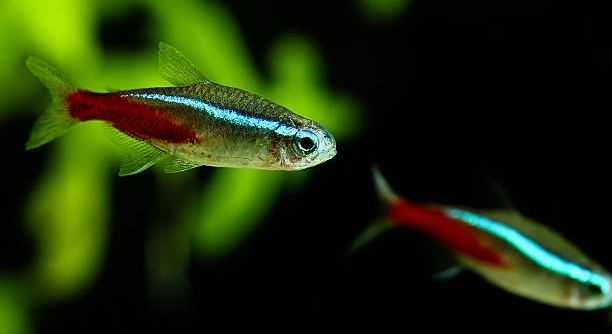
Tetra fish are popular for their bright and vibrant colors, but sometimes those colors can fade quickly. Many fish owners notice their tetra’s color fading without understanding why it happens. Maintaining the color of these fish requires attention to several key factors.
Tetra color fades rapidly due to stress, poor water quality, inadequate diet, improper lighting, overcrowding, illness, and frequent water changes. Each of these factors impacts the fish’s health and ability to maintain its natural coloration.
Knowing what causes color to fade can help you keep your tetra looking healthy and vibrant. The following points explain these reasons in detail to support better fish care.
Stress and Its Impact on Tetra Color
Stress is one of the main reasons why tetra fish lose their vibrant colors quickly. When a fish feels stressed, its body releases hormones that can dull its pigmentation. Stress can come from many sources, such as sudden changes in the environment, aggressive tank mates, or being handled too much. Even small shifts in water temperature or quality can cause stress. When stressed, a tetra’s immune system weakens, making it more vulnerable to diseases that also affect its color. Ensuring a calm and stable environment is key to keeping their colors bright. Avoid overcrowding and provide plenty of hiding spots to help your tetra feel secure. Regularly checking water parameters can prevent unexpected stress and promote their natural beauty. Over time, a less stressful tank means healthier fish with stronger, more vivid colors.
Maintaining low stress levels helps your tetra maintain its bright and lively appearance.
Reducing stress is not only about the tank setup but also how you interact with your fish. Avoid sudden movements near the tank or loud noises that might startle them. Keep a consistent feeding schedule and make sure your tetra is eating well. Stress can often be subtle but still damage their colors, so small efforts to create a peaceful environment make a big difference in their overall health and look.
Poor Water Quality
Water quality is crucial for keeping tetra colors bright. Dirty or unbalanced water quickly leads to fading colors.
Tetras are sensitive to changes in pH, ammonia, nitrate, and nitrite levels. High toxin levels in the water affect their health and can cause colors to dull. Frequent water changes, good filtration, and testing water regularly help maintain a safe environment. Clear, clean water supports the natural pigments in their skin. Neglecting water quality makes the fish weak and less colorful. Keeping the tank clean is an easy way to ensure your tetra remains vibrant and healthy.
Inadequate Diet
A poor diet directly affects a tetra’s color. Without the right nutrients, their natural pigments fade. Feeding low-quality or inappropriate food reduces vibrancy.
Tetras need a balanced diet rich in carotenoids and vitamins to keep their colors bright. Many commercial fish foods include color-enhancing ingredients, but it’s important to vary their diet. Adding live or frozen foods like brine shrimp or daphnia can improve color and health. Overfeeding or feeding only flakes may cause nutritional deficiencies. A healthy diet supports strong pigmentation and overall vitality. If your tetra’s color is dull, check their food quality and variety first. Proper feeding routines can restore and maintain their beautiful hues.
Changing their diet gradually helps avoid digestive issues. Observing how your fish responds to new food can guide better feeding choices.
Improper Lighting
Lighting impacts the way tetra colors appear in the tank. Too much or too little light can cause fading.
Fish rely on lighting not only to see but to regulate their natural rhythms. A proper light cycle, usually around 8-10 hours daily, is best. Too bright lighting can stress fish and bleach colors, while dim lighting hides their vibrant tones. Using full-spectrum aquarium lights simulates natural conditions, helping colors stay vivid. Avoid placing tanks where sunlight directly hits, as it can cause algae and stress. Adjusting light intensity and duration keeps the environment healthy for your tetra and maintains their attractive coloration.
Overcrowding
Too many fish in one tank cause stress and competition for resources. Overcrowding makes it hard for tetras to show their true colors.
Crowded tanks reduce oxygen levels and increase waste, worsening water quality. This environment causes fish to lose color and become unhealthy quickly.
Illness
Diseases and parasites can drain a tetra’s color fast. Sick fish often appear pale or faded.
Treating illness early helps restore their natural color and keeps them healthy. Regular observation and prompt action are key.
Frequent Water Changes
Changing water too often or all at once can shock your tetra. Sudden shifts stress the fish and cause color fading.
Why is my tetra’s color fading even though the water looks clean?
Clean-looking water doesn’t always mean the water quality is good. Tetras are sensitive to chemicals like ammonia, nitrites, and nitrates that can be invisible but harmful. Even if the tank looks clear, these toxins build up quickly in crowded or poorly filtered tanks. Testing the water regularly with proper kits is the only way to be sure. Also, sudden changes in water parameters can stress your fish, causing colors to fade. Make sure the water temperature and pH stay stable and suitable for tetras. Regular maintenance and testing are key to keeping your fish colorful and healthy.
How often should I feed my tetra to keep its colors bright?
Feeding your tetra twice a day in small amounts is usually best. Overfeeding can pollute the water, harming your fish’s health and color. It’s important to offer a variety of foods, including flakes, pellets, and occasional live or frozen treats like brine shrimp. Nutrients in live foods help enhance their natural pigments. Avoid letting uneaten food sit in the tank because it reduces water quality. Feeding on a regular schedule helps maintain a healthy metabolism and keeps your tetra’s colors vivid over time.
Can stress alone cause my tetra to lose color?
Yes, stress is a major factor in color loss. Stress triggers hormone changes that dull pigmentation. Causes include poor water quality, sudden environmental changes, aggressive tank mates, and overcrowding. Even handling the fish too much or sudden loud noises near the tank can cause stress. Creating a calm and stable environment with proper hiding spots and compatible tank mates helps prevent this. Observing your tetra’s behavior can give clues about stress. Healthy, relaxed fish display their best colors.
What kind of lighting is best for keeping tetra colors vibrant?
Full-spectrum LED or fluorescent lights designed for aquariums are best. These lights mimic natural sunlight and help bring out the fish’s true colors. Keeping the lights on for 8 to 10 hours daily is ideal. Too much light can bleach colors and cause algae, while too little light dulls their appearance. Avoid placing the tank where direct sunlight hits to prevent temperature spikes and algae growth. A consistent lighting schedule supports your tetra’s natural rhythms and vibrant coloring.
Is it normal for tetra colors to fade during breeding or illness?
Yes, it’s common for colors to fade during breeding or when sick. When breeding, tetras may lose some brightness as their energy focuses on reproduction. Illness weakens them, often causing pale or dull colors. It’s important to monitor your fish closely for other signs of illness, like unusual behavior or spots. Treating illness quickly helps restore their color and health. Providing a stress-free, clean environment also supports recovery.
How can I prevent color fading caused by overcrowding?
Ensure your tank has enough space for all the fish. Overcrowding leads to stress, poor water quality, and faded colors. A good rule is to have at least one gallon of water per inch of fish. Avoid keeping aggressive or overly active species with tetras. Regular water changes and good filtration help handle waste buildup from multiple fish. Keeping the population balanced lets your tetra thrive and maintain its bright colors.
Can water changes cause my tetra’s colors to fade?
Yes, frequent or sudden large water changes can stress fish and cause fading. It’s best to change about 20-30% of the water weekly or biweekly. This keeps water quality high without shocking the fish. Always match the new water’s temperature and chemistry to the tank to avoid stress. Gentle water changes keep the environment stable and help your tetra maintain vibrant colors.
Taking care of tetra fish means paying attention to several important factors that affect their color. Their bright colors are not just for show—they are signs of good health. When you notice your tetra’s colors fading, it usually means something in their environment is off. Whether it is stress, poor water quality, or diet, these issues can often be fixed with careful care and patience. By addressing these causes, you help your fish stay vibrant and healthy for a long time.
It is important to create a calm and stable tank environment. Avoid overcrowding and aggressive fish that can stress your tetras. Regularly test the water for harmful chemicals and keep the water clean by doing proper water changes. Feeding your tetra a varied diet with nutritious food supports their natural pigments. Proper lighting and a consistent schedule also make a big difference. All these details may seem small, but they add up to a healthy home for your fish. When you take these steps, your tetra can show its beautiful colors more brightly.
Maintaining your tetra’s colors takes time and attention, but it is rewarding to see them thrive. Keep observing your fish daily for any signs of stress or illness and adjust their care as needed. Remember that changes in color happen for many reasons, and fixing the root cause improves their overall well-being. By focusing on clean water, good nutrition, and a peaceful environment, your tetra will continue to brighten your tank with its lively colors. Taking care of these little fish shows your commitment and helps you enjoy their natural beauty for years to come.

Hello,
If you enjoy the content that we create, please consider saying a "Thank You!" by leaving a tip.
Every little bit helps us continue crafting quality advice that supports the health, happiness, and well-being of pets around the world, for pets of all shapes, sizes, and species.
We really appreciate the kindness and support that you show us!