
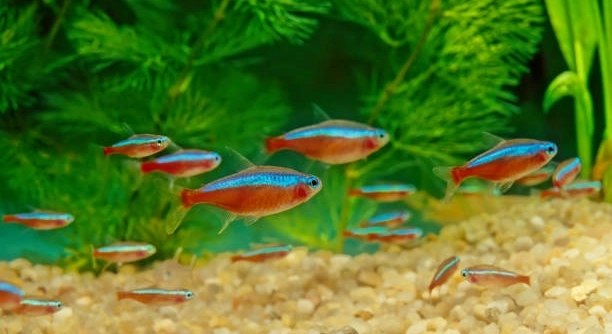
Is your tetra spending most of its time floating still, swimming aimlessly, or hiding more than usual in a small tank?
Tetras can get bored in small tanks due to limited stimulation, space, and social interaction. Lack of environmental enrichment often leads to stress-related behaviors, such as lethargy, fin-nipping, or repetitive swimming, indicating a need for a more engaging habitat.
These subtle signs can reveal how the tank’s environment might be affecting your fish’s behavior and overall quality of life.
Signs Your Tetra Might Be Bored
Tetras are active fish, and their behavior can reveal a lot about how they feel in their environment. When kept in a small tank with limited space, they may become sluggish or display unusual swimming patterns. You might notice them pacing along the glass, hiding more often, or even nipping at tankmates. These behaviors usually point to boredom or stress. A lack of variety in their surroundings can cause mental fatigue. Tetras enjoy interaction and stimulation, so a bare tank with no plants, hiding spots, or schoolmates can affect their well-being. Over time, this may weaken their immune system or reduce their lifespan. Keeping an eye on behavioral changes is important, especially when their needs aren’t fully met in confined setups. Regular observation helps catch signs early.
Boredom doesn’t just appear overnight. It gradually builds up as stimulation decreases and routines remain the same. Small tanks often lack the variety fish need.
Adding live plants, rearranging decorations, or using a gentle current can help break monotony. Schooling is essential, so having at least six tetras creates a more natural dynamic. Tankmates should be peaceful and similar in size to avoid stress. When you combine these elements, your tetra is more likely to stay active, engaged, and healthy.
How Tank Size Affects Behavior
Tank size matters. Limited space reduces both movement and mental stimulation. Without enough room to swim freely, tetras may become passive or show repeated movements that signal distress.
In small tanks, water parameters also shift more quickly. This instability creates additional stress, especially when paired with a dull, cramped environment. While tetras are small fish, they are very active and prefer swimming in groups. A tank under 10 gallons doesn’t offer them enough space to explore, school, or escape minor conflicts. Cramped conditions can lead to aggression, especially if hiding spots are limited. A proper tank setup should allow swimming space across all levels, support stable water quality, and include enrichment like driftwood, rocks, and live plants. These additions keep their surroundings stimulating and natural. A bored tetra may look fine at first, but long-term effects include poor appetite, dull coloration, and vulnerability to illness. Choosing the right tank size is not just about fitting your fish—it’s about supporting their physical and mental needs.
Environmental Enrichment Matters
Boredom in tetras often comes from a lack of stimulation in their surroundings. A tank that’s too plain or static can make them feel confined and uninterested.
Adding variety to the tank helps keep your tetras engaged. Live or silk plants create hiding spots and let them weave in and out of different areas. Floating plants offer shade, mimicking natural light conditions. Rocks, driftwood, and tunnels give them places to explore, rest, or play. You can rearrange these decorations every few weeks to create a fresh layout and keep things from feeling repetitive. Even subtle changes help reduce boredom and encourage natural behaviors. Lighting and water flow also play a role—gentle current mimics river-like conditions and adds an extra layer of stimulation. These small updates make a big difference in how your tetras interact with their environment.
Tetras are social and intelligent, so giving them a mentally active space supports their overall well-being. You can even rotate tank items like caves or floating toys to maintain novelty. Consistency in water quality and temperature is just as important, but combining that with visual and physical variation is key to keeping them alert and satisfied. A balanced tank setup makes it easier to spot early signs of stress or boredom.
The Role of Companionship
Tetras are schooling fish that rely on group dynamics to feel secure. Keeping them in small numbers often leads to stress or aggression.
When tetras are kept alone or in pairs, they tend to be less active and may hide more frequently. A group of at least six provides them the comfort of natural social behavior. Within a school, they swim together, communicate through body movements, and react as a group to changes in the tank. This reduces anxiety and helps them stay active. Watching tetras school naturally is also more enjoyable and gives insight into their behavior. Without that social network, a tetra can become withdrawn or overly aggressive.
Having peaceful tankmates is another factor to consider. While tetras thrive among their own kind, pairing them with other calm, non-territorial species makes the tank more dynamic. Avoid aggressive or fast-swimming fish that may outcompete them for food or space. Instead, consider species like Corydoras or small rasboras that match their pace. A harmonious tank encourages movement, reduces boredom, and promotes natural interactions. The social structure inside the tank helps shape how secure and stimulated your tetras feel daily.
Lack of Activity Can Be a Sign
Tetras that are bored often slow down. Instead of darting around the tank, they may hover in one spot or drift aimlessly. This drop in activity usually means they aren’t getting enough stimulation.
You might also notice less interaction with other fish. A bored tetra may avoid schooling, choosing isolation instead. This behavior shift is worth noting.
Signs of Stress in Bored Tetras
Boredom can easily turn into stress, and stressed tetras show it in subtle ways. Faded coloration, erratic swimming, or sudden hiding are all signs. Some may nip at tankmates or lose their appetite. These shifts often stem from limited space or unchanging surroundings. Over time, stress affects their immune response, making them prone to illness. Watch for repetitive behaviors like glass surfing or fast darting between corners. These patterns reveal discomfort or unease. When your tetra’s usual habits start to fade, it’s likely a signal that their environment isn’t meeting their mental needs. Simple changes can restore balance and improve their daily behavior.
Feeding Behavior Might Change
When bored, tetras sometimes lose interest in food. Others may overeat out of restlessness. Changes in appetite often reflect how engaged or secure they feel in their environment.
FAQ
Can tetras really get bored in small tanks?
Yes, tetras can get bored in small tanks. When their environment lacks variety and space, their natural behaviors become limited. Boredom can lead to reduced activity, stress, and health problems. Small tanks often don’t provide enough room to swim, explore, or interact properly with tankmates. Without enough stimulation, tetras may develop repetitive or withdrawn behaviors. Adding plants, decorations, and keeping them in groups helps prevent boredom by making the tank more engaging.
How many tetras should be kept together?
Tetras are schooling fish and need to be kept in groups of at least six. This number allows them to exhibit natural swimming patterns and social behavior. Smaller groups may cause stress and aggression. A larger school helps them feel safe and active. Keeping six or more in an adequately sized tank supports their mental health and reduces boredom.
What tank size is ideal for tetras?
A minimum of 20 gallons is generally recommended for a small school of tetras. This size allows enough swimming space and room to add plants and decorations. Larger tanks help maintain stable water quality and give tetras a more stimulating environment. Small tanks under 10 gallons can feel cramped and increase stress.
How can I tell if my tetra is stressed?
Signs of stress include faded color, erratic or sluggish swimming, hiding excessively, and loss of appetite. Fin-nipping or aggression toward tankmates can also occur. Stress often comes from poor water quality, lack of space, or boredom. Early signs should prompt changes to the tank environment or care routine.
Will adding decorations reduce boredom?
Yes, adding plants, rocks, and hiding places reduces boredom by creating an enriched environment. These items provide stimulation and safe spots for your tetras. Rearranging decorations occasionally keeps the environment fresh and interesting. Floating plants also create shade and variety.
Can tetras live alone?
Tetras do not thrive alone. They rely on group interaction for security and activity. A lone tetra will often become shy, inactive, or stressed. Always keep tetras in groups to meet their social needs and promote healthy behavior.
Does water flow affect tetra behavior?
Gentle water flow mimics their natural habitats and adds stimulation. It encourages swimming and keeps the tank environment dynamic. Without water movement, the tank can feel static, contributing to boredom. Using a filter that creates a soft current benefits tetras physically and mentally.
How often should I rearrange the tank?
Rearranging the tank every few weeks helps keep the environment interesting for tetras. Simple changes like moving plants or adding new decorations can prevent boredom. However, avoid too frequent changes, which can cause stress. Balance stability with occasional novelty.
What should I feed to keep tetras healthy?
A varied diet with high-quality flakes, frozen or live foods keeps tetras healthy and engaged. Feeding small amounts multiple times a day mimics natural foraging and prevents overfeeding. Proper nutrition supports their energy levels and activity.
Can boredom lead to illness?
Yes, boredom often leads to stress, which weakens the immune system. Stressed tetras are more susceptible to diseases like ich or fin rot. Preventing boredom through a stimulating environment and proper care supports long-term health.
Is it normal for tetras to hide a lot?
Occasional hiding is normal, especially during rest or after feeding. But excessive hiding can indicate stress or boredom. Providing enough hiding spots while ensuring stimulation helps balance their behavior.
How do I know if my tetra is happy?
Active swimming, bright colors, schooling behavior, and regular feeding usually mean your tetra is comfortable. When tetras explore their tank, interact with others, and show natural behavior, they are likely content.
Can tetras recognize their owners?
Tetras can become accustomed to their owners’ presence, especially during feeding time. They may swim closer or show interest, but this is more about recognizing routine than deep recognition.
What tankmates work best with tetras?
Peaceful, small fish like Corydoras, rasboras, or other small tetras work best. Avoid aggressive or large fish that may intimidate or harm tetras. Compatible tankmates promote a calm, dynamic environment.
Is lighting important for tetras?
Yes, proper lighting supports their natural day-night cycle and encourages activity. Too bright or too dim lighting can stress tetras. Using a timer to maintain consistent light periods helps mimic natural conditions.
How do I prevent fin-nipping?
Fin-nipping often happens from stress or boredom. Keeping tetras in groups, providing enough space, and enriching the tank reduces this behavior. If fin-nipping persists, reevaluate tank mates and environment.
These answers cover common concerns and provide clear steps to help your tetras stay active, healthy, and comfortable in their home.
Final Thoughts
Keeping tetras happy and healthy requires attention to their environment and social needs. Small tanks often limit the space and stimulation they need to thrive. When tetras do not have enough room to swim or explore, boredom can set in. This boredom can lead to behaviors such as lethargy, hiding, or even aggression. Recognizing these signs early helps prevent stress and potential health problems. Providing a suitable tank size with enough decorations and plants encourages natural behaviors. It creates a more comfortable and engaging space for your fish.
The social nature of tetras is very important. These fish feel safest and most active when kept in groups. Having at least six tetras together allows them to school, communicate, and feel secure. Without this companionship, tetras may become shy or stressed. Along with tankmates, the tank setup plays a big role in their overall well-being. Adding variety through decorations and gentle water flow keeps their environment from becoming dull. Changing the layout from time to time can also refresh their interest. These simple steps support their mental health and reduce signs of boredom.
Feeding a varied diet and maintaining good water quality complete the care routine. A balanced diet helps keep tetras energetic and less prone to illness. Clean, stable water reduces stress and supports their immune system. All these factors work together to create an environment where tetras can live longer and healthier lives. Paying close attention to their behavior and needs helps you provide the best care possible. By understanding how tank size, social groups, and enrichment affect your tetras, you can prevent boredom and ensure their comfort.

Hello,
If you enjoy the content that we create, please consider saying a "Thank You!" by leaving a tip.
Every little bit helps us continue crafting quality advice that supports the health, happiness, and well-being of pets around the world, for pets of all shapes, sizes, and species.
We really appreciate the kindness and support that you show us!