
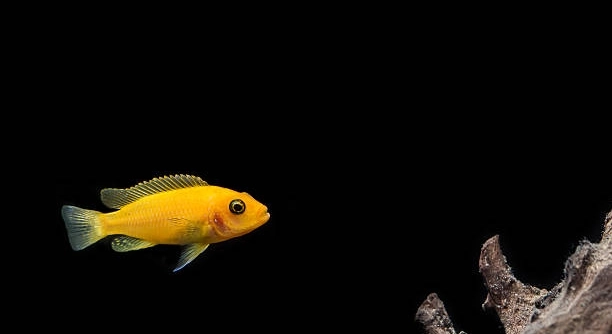
Cichlids are fascinating fish with complex social behaviors that often surprise their owners. Watching them interact can be both entertaining and educational, revealing natural instincts that help maintain balance within their tank communities.
Intervening in cichlid behavior is often unnecessary because these fish have evolved strategies for social hierarchy, territory defense, and mating. Allowing them to follow their instincts ensures healthier interactions and reduces stress or injury caused by human interference.
Understanding when to step back can make caring for cichlids easier and more rewarding. Recognizing natural behaviors helps you create a stable and peaceful tank environment for your fish.
Aggressive Displays
Cichlids often show aggression through chasing, fin flaring, or head-butting. These displays can look alarming, but they are usually part of establishing dominance or defending territory. Intervening during these behaviors can confuse the hierarchy in the tank, making matters worse. Aggression is a natural form of communication for cichlids. They use these displays to set boundaries without causing serious harm. Watching carefully, you can see patterns emerge that indicate which fish is dominant and which is submissive. Removing or separating fish too quickly can interrupt this natural order. Over time, cichlids learn to respect each other’s space, which reduces constant fighting. Tank decorations and hiding spots can help fish manage their interactions safely. Observing without interference helps maintain a balanced community and supports healthier fish overall. Learning the signs of normal aggressive behavior will prevent unnecessary interventions and stress for both the fish and the keeper.
Aggressive behavior in cichlids is often self-regulating. Providing adequate space and hiding areas allows them to establish hierarchies safely, minimizing serious injury.
Understanding the natural order of aggression helps prevent mistakes. Interfering can prolong conflicts, stress fish, and cause unexpected injuries. Observing their routines teaches you when action is truly necessary. Over time, patience creates a calmer, more stable tank.
Breeding Behavior
During breeding, cichlids can become intensely protective of eggs or fry. They may dig, move substrate, or chase other fish. These behaviors are essential for reproduction and survival of offspring. Interrupting these actions can damage eggs or fry and stress the parents. It is normal for breeding pairs to isolate themselves or show heightened aggression toward tank mates. They use these behaviors to protect the vulnerable young and maintain control over their environment. Tank keepers should resist the urge to interfere unless safety is at risk. Maintaining proper water conditions and leaving them undisturbed allows natural breeding processes to continue successfully. Observing from a distance can be rewarding, as you witness intricate behaviors that ensure the survival of the next generation. Patience is key during this period to support both the adults and the developing fry.
Breeding behaviors should generally be left alone to protect eggs and fry.
Cichlids’ breeding habits are complex and fascinating. Males often guard territory while females care for the eggs. Intervening can lead to stress, reduced fertility, or loss of young. Providing a secure environment with hiding spaces, stable water parameters, and minimal disturbance allows natural instincts to guide the process. Observing discreetly teaches valuable lessons about their interactions and parental care. Even aggressive defense during this period is part of a natural cycle. Understanding these behaviors ensures healthier breeding outcomes. It also helps the keeper recognize when intervention is actually needed, such as in cases of illness or environmental danger. Respecting these instincts supports the survival and wellbeing of both adults and fry, fostering a balanced tank environment.
Territory Marking
Cichlids mark territory to reduce conflicts and maintain order. They often rearrange rocks, dig substrate, or chase intruders. This is normal behavior and should not be interrupted, as interference can cause stress or prolonged fighting.
Territory marking is an essential part of cichlid social structure. Each fish establishes boundaries that help prevent constant conflict. Rearranging decorations or digging is a way for them to assert control over their space. Trying to stop this behavior can confuse the fish and increase aggression. Providing enough space and hiding spots lets them naturally define territories. Observing without interference allows the tank ecosystem to stabilize over time. These behaviors also indicate which fish are dominant and which are more submissive, helping maintain balance.
Intervention during territory marking often disrupts the established hierarchy. Fish learn to respect each other’s areas through repeated interactions. By letting them manage boundaries naturally, stress decreases, aggression is controlled, and overall tank harmony improves.
Feeding Hierarchy
Cichlids often compete for food to establish dominance. Aggressive feeding or chasing is normal and usually harmless, provided all fish have access to food. Observing feeding dynamics helps understand social structure.
Feeding hierarchy reflects the natural order among cichlids. Dominant fish may eat first while submissive fish wait, which is typical behavior. Intervening by separating or forcing food can disrupt this balance and increase stress. Ensuring multiple feeding spots and distributing food evenly allows all fish to eat without conflict. Watching feeding patterns teaches a lot about tank interactions and personalities. Dominant fish assert their position, but this usually does not harm weaker fish when space and resources are adequate. Patience during feeding encourages a stable, peaceful environment.
Managing feeding hierarchy requires planning rather than interference. Providing enough food in various locations and observing without stepping in ensures all fish get nourishment. It supports natural behaviors, reduces stress, and reinforces healthy social interactions in the tank.
Cleaning Behavior
Cichlids sometimes nibble on each other or clean surfaces in the tank. This behavior is normal and helps maintain hygiene among fish.
They may remove dead skin or algae from other fish, which is part of social interaction. Intervening can disrupt natural routines and increase stress.
Nest Preparation
Cichlids prepare nests by moving rocks, digging, or rearranging substrate. This is essential for breeding and protecting eggs. Interference can destroy nests or upset the fish, so it is best to observe quietly from a distance.
Social Grooming
Cichlids groom each other as a way to bond or establish hierarchy. This is normal behavior that promotes health and social stability within the tank.
FAQ
Why do cichlids fight even in a large tank?
Cichlids fight to establish dominance and protect territory, regardless of tank size. Even in spacious environments, social hierarchies form naturally. Dominant fish assert control while submissive fish learn boundaries. This behavior helps maintain order and prevents continuous, uncontrolled aggression. Providing hiding spots and visual barriers reduces stress and allows fish to retreat when needed. Intervening often disrupts these natural interactions, causing more tension. Understanding that occasional skirmishes are normal makes it easier to manage a tank without unnecessary interference.
Is it harmful to let cichlids chase each other?
Chasing is usually harmless as long as injuries do not occur. It is part of their natural behavior for establishing hierarchy and defending territory. Fish often tire quickly and retreat when necessary. Trying to stop chasing can confuse fish and prolong conflicts. Observing closely helps you identify when intervention is actually needed. A well-planned tank with enough space and hiding areas ensures chasing remains part of natural social interaction without causing long-term harm or stress.
Why do cichlids dig constantly in the substrate?
Digging is natural and linked to territory marking, nest preparation, or searching for food. It is not a sign of illness or poor care. Intervening by stopping or scolding them can increase stress. Providing a soft substrate and stable decorations allows digging without damaging the tank. Observing patterns in digging helps understand their needs and social behaviors. Some species are more active diggers, and this behavior supports their physical and mental health. Respecting this instinct reduces stress and encourages normal behavior.
When should I separate aggressive cichlids?
Separation is only necessary if fights cause serious injury or persistent stress. Most aggressive displays, like flaring fins or short chases, are self-regulating. Overreacting by moving fish prematurely can disrupt hierarchies and prolong tension. Ensure adequate space, visual barriers, and hiding spots first. Only intervene if one fish is constantly targeted or if injuries appear. Observation is key. By letting most interactions play out naturally, fish learn boundaries and coexist peacefully.
How do I know if breeding behavior is normal?
Normal breeding behavior includes nest building, digging, and protective actions around eggs or fry. Parents may isolate themselves or show increased aggression toward other fish. Intervening can harm eggs or fry and stress the parents. Healthy breeding behavior is predictable and consistent. Monitoring water quality and providing a secure environment supports natural reproduction. Observation without interference helps you understand their routines and recognize when real problems arise. Respecting this behavior ensures successful breeding and reduces unnecessary stress on both adults and offspring.
Are feeding disputes dangerous?
Feeding disputes are usually harmless and part of a natural hierarchy. Dominant fish may eat first while others wait their turn. Providing multiple feeding spots reduces tension and ensures all fish get food. Intervening can confuse the hierarchy and increase stress. Observation allows you to ensure weaker fish are not starved and that aggression remains controlled. Feeding disputes generally resolve on their own and help establish social order.
Why do cichlids rearrange tank decorations?
Rearranging rocks, plants, and substrate is part of territory marking and nesting instincts. This behavior is normal and should not be stopped. Moving decorations yourself can stress fish and interfere with natural routines. Allowing them to arrange the tank helps satisfy instincts and reduce aggression. Observing these behaviors gives insight into their preferences and hierarchy. Respecting this instinct contributes to a balanced tank and supports healthy, natural behaviors.
Do cichlids recognize each other?
Yes, cichlids can recognize tank mates and remember past interactions. Recognition helps them establish hierarchies, identify breeding partners, and maintain social order. Intervening too often can disrupt these bonds. Observing interactions allows you to understand relationships and predict potential conflicts. This understanding helps maintain a calmer, more stable tank.
How long should I let natural aggression continue?
Natural aggression should continue as long as no injuries occur and all fish have space to retreat. Short chases, displays, and minor disputes are part of normal social behavior. Intervention should only occur when serious injury or prolonged stress happens. Patience and observation are essential to maintaining a peaceful, self-regulating community.
Can ignoring cichlid behavior cause problems?
Ignoring behavior usually does not cause problems if the tank is well-planned. Issues arise only when aggression becomes severe or resources are insufficient. Observation is still important to catch early signs of stress or illness. Letting natural behaviors unfold supports mental and physical health, creating a balanced environment for all fish.
Caring for cichlids can be very rewarding, but it also requires patience and understanding. These fish have complex social behaviors that may seem intense at first. Watching them interact, fight, or display dominance can feel worrying, but much of what they do is natural and important for maintaining balance within the tank. Intervening too quickly or frequently can cause more problems than it solves. By stepping back and observing, you give your cichlids the space to establish hierarchies, defend territories, and communicate with each other in ways that are instinctual and healthy. Learning to recognize which behaviors are normal versus which signal real issues is an important skill for any fish keeper. Over time, you will notice patterns in their interactions, and it becomes easier to predict outcomes without having to intervene unnecessarily.
Providing a well-structured tank can make all the difference in supporting natural behavior. Giving cichlids enough space, hiding spots, and visual barriers allows them to manage conflicts on their own. Adequate water conditions and careful feeding routines also play a role in keeping stress low. Even during aggressive displays or breeding periods, the right environment reduces the risk of injury and helps fish thrive. Observing without interference teaches patience and a deeper understanding of cichlid behavior. Small adjustments, like rearranging decorations to provide additional cover or ensuring multiple feeding areas, can support natural instincts without directly stopping any behavior. Over time, this approach encourages a calm and balanced tank where fish can express their natural behaviors safely.
Ultimately, the best approach is to respect the instincts of your cichlids while providing a secure environment. Avoiding unnecessary interference allows fish to develop social structures, care for their young, and establish territories in a way that benefits their long-term health. Intervening only when there is a genuine risk of harm ensures that you are supporting your fish rather than disrupting their natural processes. Watching and learning from your cichlids can be a satisfying experience, as you see them grow and interact in ways that are typical for their species. Understanding these behaviors helps create a peaceful, thriving community, and it makes the experience of keeping cichlids more enjoyable and meaningful. By trusting their instincts and providing the right environment, you encourage healthier interactions and a more stable tank, allowing your cichlids to flourish naturally.

Hello,
If you enjoy the content that we create, please consider saying a "Thank You!" by leaving a tip.
Every little bit helps us continue crafting quality advice that supports the health, happiness, and well-being of pets around the world, for pets of all shapes, sizes, and species.
We really appreciate the kindness and support that you show us!