
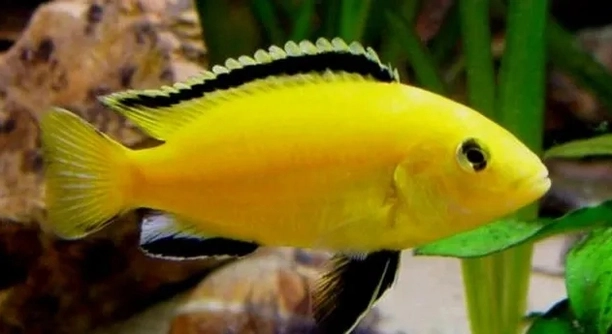
Have you ever watched your electric yellow cichlids move through their tank, showing bright colors as they interact and create calm activity that shapes the rhythm of their underwater home throughout the day each moment.
Electric yellow cichlids chase each other as a natural part of their social structure, establishing territory and ranking within the group. This behavior reflects their instinctive need to maintain order, manage space, and reinforce dominance patterns that support their habitat.
This natural behavior carries meaning, guiding how these fish interact and shaping the balance that defines their shared aquatic home.
Understanding Their Social Dynamics
Electric yellow cichlids rely on social structure to keep their group stable, and their chasing behavior reflects this natural pattern. When they dart around each other, they are reinforcing boundaries that help maintain peaceful interactions in a shared space. I have always noticed how consistent their behavior becomes once a clear order develops, and it brings a sense of balance to the tank. Their bright color and quick movements may seem playful, yet each action has a purpose tied to their instincts. These fish build small territories within the tank and use gentle displays to communicate without causing harm. Their behavior shows how important space, routine, and familiarity are to their daily rhythm. By observing them closely, you can learn to notice subtle signs that reveal how they maintain harmony with one another. This awareness also helps you create an environment that keeps their interactions steady and prevents unnecessary stress.
Chasing becomes calmer once each fish understands its place, so creating a stable setting supports smoother interactions. Steady lighting, predictable feeding, and clear hiding spots help them feel secure and reduce unnecessary displays that can interrupt the natural balance they work to maintain throughout their shared aquatic space every day.
Learning how these fish communicate allows you to support their needs with confidence. When you watch their movements, you can tell when they feel settled or when they are trying to define space. Their interactions rely on clarity, so providing enough room, decorations, and consistent care keeps their behavior predictable. I have noticed that they respond well to environments that stay the same, since sudden changes can unsettle their rhythm. Creating a space that supports their natural instincts helps them remain content, allowing their gentle displays to continue without causing unnecessary stress for the group in their calm daily swimming patterns.
Territorial Behavior and Tank Stability
Territorial behavior shapes how electric yellow cichlids interact, influencing their movement and routines. When boundaries are clear, their displays become calmer and more predictable. A tank that supports steady patterns encourages peaceful interactions and helps reduce the stress that comes from unclear space or shifting conditions within their shared habitat.
Creating an environment that supports territorial behavior begins with offering enough structured space for each fish to establish a comfortable area. These fish rely on familiar layouts, so adding rocks, caves, and decorations helps them form consistent boundaries without constant displays of dominance. When the environment feels predictable, their interactions become more balanced, allowing the group to coexist with fewer disruptions. I have seen how much smoother their behavior becomes when their tank remains steady, because sudden rearrangements can trigger tension and encourage more frequent chasing. Maintaining clear zones helps each fish understand where it belongs, reducing conflict that would otherwise arise in smaller or cluttered spaces. Consistent feeding routines and a stable lighting schedule contribute to this sense of security and help reinforce their calm behavior. By supporting the layout and rhythm they rely on, you create conditions that help each fish maintain its place with ease. This stability strengthens the natural order within the tank, allowing their movements and displays to remain gentle and predictable over time. With thoughtful care, their interactions reflect harmony rather than tension, giving them the space they need to thrive and express their natural instincts in a balanced, comfortable setting each peaceful day.
Recognizing Signs of Stress
Electric yellow cichlids show clear signals when their chasing becomes excessive, and noticing these signs helps you respond quickly. I pay attention to frayed fins, persistent hiding, or nonstop pursuit, since these behaviors often mean the tank needs adjustments that encourage calmer interactions and protect the group’s balance each day.
These signs usually appear when space feels limited or when certain fish try to reinforce their position too often. I have noticed that repeated displays often settle once the tank provides enough hiding spots and a predictable layout. Offering stable lighting and consistent feeding helps reduce tension, since sudden changes can interrupt their rhythm and trigger unnecessary chasing. When I see one fish dominating an area for too long, I rearrange small decorations to break rigid patterns without disturbing the entire setup. These small adjustments help restore balance and support calmer behavior throughout the tank each peaceful day in harmony.
Maintaining awareness of these signals helps you respond before stress builds, allowing the group to remain steady. I watch for small changes in swimming patterns, since these often show when a fish feels pressured. Adjusting flow, adding structure, or giving the group more space can ease tension quickly. When I make changes, I keep them gentle so the tank stays familiar, because sudden shifts can unsettle their routine. These thoughtful actions help prevent long chases from becoming harmful. Over time, the fish settle into a calmer pattern, showing smoother interactions that reflect comfort, steadiness, and a clear sense of order.
Feeding Habits and Group Behavior
Feeding practices influence how electric yellow cichlids interact, and stable routines help reduce unnecessary chasing. I try to feed them at the same times each day, since predictable meals lower tension. When food is spread evenly, dominant fish have fewer chances to control access, which keeps the group’s behavior steady and balanced while maintaining calm interactions that support their natural order each gentle day in your tank allowing predictable patterns to guide their movement clearly.
Consistent feeding supports a peaceful environment, because electric yellow cichlids rely on predictable routines to feel secure. I have learned that when food is introduced in small, well distributed portions, competition decreases and their chasing softens. This approach helps weaker fish gain access without pressure, creating a more balanced atmosphere. Spreading food across different areas also prevents crowding, which is often the moment when tensions rise. I avoid sudden changes in diet or timing, since these shifts can disrupt their rhythm and lead to confusion within the group. When their feeding schedule remains steady, the fish show calmer movements and more confident patterns. Over time, this routine strengthens harmony and reduces displays that would otherwise challenge the social structure they depend on each day consistently.
Tank Layout Adjustments
Small layout changes help electric yellow cichlids feel more secure and reduce unnecessary chasing. I like adding rocks, caves, and simple structures to create clear boundaries that guide their movement. These additions help each fish find its place and settle into calmer routines throughout the day.
A steady layout prevents confusion and keeps their interactions predictable. I avoid rearranging too often, since sudden changes can disrupt their sense of order. When the tank feels familiar, their behavior softens and the group maintains a gentle balance that supports consistent, peaceful swimming patterns.
Maintaining Healthy Water Conditions
Stable water conditions play a major role in keeping their behavior steady, and I pay close attention to parameters that support their natural needs. Clear filtration, consistent temperature, and regular maintenance help prevent tension that may lead to unnecessary displays. When their environment remains clean and predictable, the fish show calmer behavior, fewer signs of stress, and a more balanced rhythm. I notice smoother interactions when the tank stays steady, because these fish rely on stable conditions to maintain confidence. Clean water helps them focus on their natural routines rather than reacting to discomfort, allowing the group to remain peaceful and comfortable as they move through their space each day.
Understanding Group Size
Group size strongly affects how these fish interact, and keeping a balanced number reduces tension. I have found that a well sized group helps spread out dominance displays, allowing their behavior to remain steady and predictable without constant chasing that disrupts the calm of their shared habitat.
Why do electric yellow cichlids chase each other constantly?
Chasing is part of their natural social behavior. I have noticed that it usually starts when they are establishing territories or ranking within the group. Dominant fish may dart after others to remind them of boundaries, while lower-ranking fish respond by retreating or displaying submissive signals. When the tank environment is stable and spacious, this chasing tends to reduce naturally. Small adjustments like adding rocks or caves can create visual barriers that give each fish a sense of security, helping the chasing become less stressful and more controlled over time.
Is chasing a sign of aggression or illness?
Not always. While excessive chasing can indicate stress, it is often a natural part of maintaining social order. I watch for other signs, such as torn fins, discoloration, or lethargy, which might suggest health problems. If chasing occurs alongside these symptoms, it may signal disease or poor water conditions. Otherwise, the chasing is typically normal behavior as the fish assert their position.
How can I reduce excessive chasing in my tank?
I focus on three main factors: space, hiding spots, and group size. Increasing the tank size or rearranging decorations helps break visual lines of dominance. Adding caves or rocks provides secure spots for less dominant fish to retreat, while maintaining a well-balanced group reduces competition. Consistent feeding routines also help, as predictable meals prevent conflicts over food. By managing these elements, I’ve seen calmer, more predictable interactions within the group.
Does tank size affect chasing behavior?
Yes. Electric yellow cichlids need room to establish territories without constant overlap. In smaller tanks, chasing tends to be more frequent because space is limited. I always recommend providing at least 55 gallons for a small group and more for larger numbers. When they have enough room, chasing is mostly brief and part of normal social behavior rather than persistent aggression.
Will adding more fish help reduce chasing?
Sometimes. Adding a few individuals can spread out dominance displays, but overcrowding can have the opposite effect. I usually observe the group carefully when introducing new fish, making sure there is enough space and hiding spots for everyone. Proper acclimation and gradual introductions are key to keeping interactions balanced.
Do males chase females more than other males?
Males often chase females to establish breeding dominance, especially during spawning periods. I’ve noticed this behavior is usually temporary and linked to reproductive cycles. Outside of breeding, males also chase other males to maintain their position in the hierarchy, so the behavior is not exclusively targeted at females.
Can chasing lead to injury?
In well-maintained tanks, injuries are uncommon. Most chasing is about displays and retreat, not physical harm. I pay attention to prolonged aggression or repeated targeting of a weaker fish. If a fish is consistently chased and shows signs of stress or fin damage, I adjust the layout or separate individuals temporarily to prevent harm.
Does water quality impact chasing behavior?
Absolutely. Poor water conditions increase stress and can make chasing more frequent or aggressive. I make sure filtration is working well, water parameters are stable, and maintenance is consistent. Clean, stable water helps fish feel secure, reducing tension that may otherwise increase chasing.
How can I tell if chasing is normal or problematic?
Normal chasing is brief, ritualized, and part of territory or social order. Problematic chasing is persistent, stressful, or accompanied by injuries, hiding, or lethargy. I watch for patterns over several days and adjust tank conditions if the behavior escalates, ensuring the group remains balanced and comfortable.
What role does feeding play in chasing behavior?
Feeding routines have a strong impact. I spread food evenly and feed at consistent times, which reduces competition. When food is introduced unpredictably or in limited spots, dominant fish can chase others aggressively. Structured feeding helps maintain calm, predictable interactions, allowing each fish to access food without excessive conflict.
Do decorations affect chasing behavior?
Yes. Rocks, caves, and plants create visual barriers and secure spaces, helping reduce unnecessary chasing. I arrange these carefully to provide retreats and mark boundaries for territorial fish. Even small adjustments in layout can significantly calm the group, making chasing less stressful and more predictable.
Can chasing behavior change as the fish age?
It can. Younger fish may chase more often as they establish rank, while mature fish often show calmer interactions once hierarchies are set. I’ve noticed that as they grow, chasing becomes less frequent and more controlled, reflecting a settled social structure within the tank.
How important is observation in managing chasing behavior?
Observation is essential. I spend time watching their patterns, noting which fish are dominant or stressed. Understanding their routine allows me to make informed adjustments to layout, group size, or feeding schedules, keeping interactions balanced. Regular monitoring ensures a healthy environment that supports natural behavior without excessive stress.
Are there signs that chasing is related to breeding behavior?
Yes. During breeding, chasing may increase as males court females or defend nesting sites. I’ve noticed this behavior is usually concentrated around caves or specific areas of the tank and is more intense but temporary. Recognizing this pattern helps distinguish normal reproductive behavior from harmful aggression.
What steps can I take if chasing becomes aggressive?
If aggression escalates, I first check tank size, hiding spots, and water conditions. Temporary separation of the most dominant or stressed fish can restore balance. I also review group composition, as some individuals may not coexist well. Small, gradual changes are most effective in reducing tension without upsetting the natural order.
How does lighting influence chasing behavior?
Consistent lighting supports predictable behavior. Sudden changes in brightness or irregular light cycles can make fish feel insecure, increasing chasing. I maintain a stable light schedule, which helps fish feel comfortable, keeping dominance displays and chasing within natural, controlled limits.
Can enrichment reduce chasing?
Yes. Providing varied decorations, hiding spaces, and structured territory boundaries gives fish stimulation and reduces idle energy that might lead to frequent chasing. I’ve seen calmer, more confident behavior when the tank environment encourages exploration without triggering constant displays of dominance.
Does water flow affect chasing?
Moderate, consistent flow helps fish feel secure. Strong currents or irregular water movement can stress them, increasing chasing. I maintain a gentle, predictable flow that supports swimming routines without creating tension. This small adjustment often reduces repeated displays and promotes smoother interactions throughout the tank.
Is chasing different in community tanks?
It can be. Electric yellow cichlids in mixed-species tanks may chase differently depending on other fish. I pay attention to which species are present, ensuring the cichlids have enough space to establish boundaries without stressing smaller or passive fish. Proper planning and monitoring help keep chasing under control.
How long does chasing usually last in normal behavior?
Normal chasing is brief and ritualized, usually lasting seconds or a few minutes at most. I notice that once boundaries are reinforced, fish return to swimming calmly. Prolonged, repeated chasing is a sign to evaluate tank conditions, group balance, or territory structure to prevent stress and maintain peaceful interactions.
Can diet changes influence chasing?
Yes. Sudden changes in diet may trigger competition and chasing over food. I introduce new foods gradually and maintain consistent portions across the tank. This ensures each fish has access without triggering dominant displays, supporting calmer, predictable interactions and reinforcing natural social structure.
Do cichlids remember previous conflicts?
They do. Fish recall past encounters and may adjust behavior accordingly. I’ve observed that once a hierarchy is established, chasing decreases as fish learn their place, demonstrating how memory and experience influence the frequency and intensity of interactions. This helps create a stable, balanced environment over time.
Is chasing more frequent during certain times of the day?
Yes. I notice chasing often peaks around feeding or shortly after lights turn on. These moments trigger activity and displays of dominance. Maintaining routine timing and spacing activities evenly throughout the day helps reduce unnecessary tension and supports calmer, predictable behavior.
How do I know if chasing is affecting overall tank health?
Excessive chasing may lead to stress, hiding, or physical injury, which can impact overall health. I monitor for changes in appetite, coloration, or energy levels. Addressing environmental factors like space, layout, and water quality helps prevent negative effects and ensures the group remains healthy, balanced, and comfortable.
Electric yellow cichlids are fascinating fish, and observing their chasing behavior can tell you a lot about their natural instincts and social interactions. Chasing is not always a sign of aggression; it is often a way for these fish to maintain social order and establish boundaries within the tank. I have spent time watching my own cichlids, and it becomes clear that most chasing is brief and controlled. Dominant fish may dart after others to reinforce their position, while lower-ranking fish respond with submissive movements or retreat to hiding spots. This behavior, while seemingly intense at times, is usually part of a larger balance that keeps the group functioning smoothly. Understanding this dynamic allows you to interpret their actions correctly and helps prevent unnecessary interventions that could disturb their natural rhythm.
Providing a proper environment is key to managing chasing behavior. Tank size, layout, and structure all influence how often fish chase one another. I have found that adding rocks, caves, and hiding spaces helps each fish feel secure, giving them places to retreat when necessary. Stable water conditions, consistent feeding schedules, and predictable lighting are equally important. These factors reduce stress and provide a sense of familiarity that encourages calmer behavior. Even small adjustments, like rearranging decorations slightly to create new territories, can have a noticeable effect on how frequently chasing occurs. Observing the group over time allows you to see when behaviors are normal and when they might indicate a need for change, which is important for keeping the tank balanced and peaceful.
Chasing behavior also reflects the broader social structure of electric yellow cichlids. Fish remember past interactions and adjust their behavior accordingly, which helps maintain order once hierarchies are established. I have noticed that younger fish tend to chase more often as they learn their place, while mature fish settle into calmer patterns once ranks are recognized. Feeding practices, group size, and enrichment all play a role in how this behavior develops. By paying attention to these factors, you can support their natural instincts without causing stress or disruption. Understanding chasing as a normal and purposeful behavior allows you to create an environment that meets their needs, promotes harmony within the group, and ensures that these colorful fish thrive comfortably in their home. Observing them carefully and responding thoughtfully helps maintain the balance that defines a healthy, stable tank, making the experience of keeping electric yellow cichlids both rewarding and predictable.

Hello,
If you enjoy the content that we create, please consider saying a "Thank You!" by leaving a tip.
Every little bit helps us continue crafting quality advice that supports the health, happiness, and well-being of pets around the world, for pets of all shapes, sizes, and species.
We really appreciate the kindness and support that you show us!