
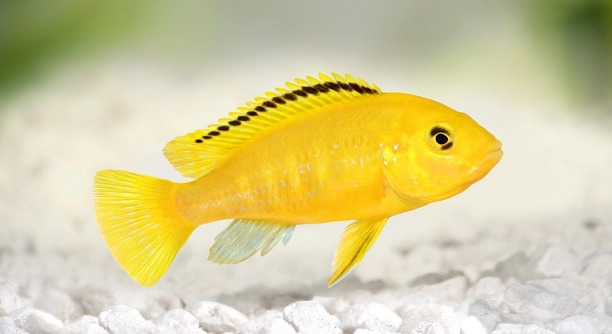
Cichlids are fascinating fish with a variety of behaviors that reflect their moods and intentions. Observing them closely can reveal subtle changes in posture, color, and movement that signal different emotions or reactions.
Recognizing cichlid expressions involves identifying specific physical cues such as fin positioning, body coloration, eye movement, and mouth gestures. These indicators provide insight into aggression, submission, readiness to breed, or general contentment, allowing for informed care and interaction.
Learning these expressions will enhance your connection with your cichlids and help you maintain a healthy, balanced aquarium environment.
Fin Flaring
Fin flaring is one of the most noticeable cichlid behaviors. When a cichlid spreads its fins wide, it is often showing dominance or warning other fish to keep their distance. This display is usually accompanied by stiff, deliberate movements and a focused gaze. In some cases, fin flaring occurs during feeding times or when establishing territory. Observing when and how often your cichlid flares can help you understand its comfort level and social interactions. Some species flare more frequently than others, depending on their temperament and environment. Providing sufficient space and hiding spots can reduce stress and prevent aggressive encounters.
Fin flaring is a clear signal of dominance or caution in cichlids, reflecting their intent to communicate boundaries within the tank.
Noticing fin flaring early helps you adjust tank arrangements or monitor fish behavior. It can prevent conflicts and ensure a more peaceful environment for all tank inhabitants. Paying attention to subtle signs like this is key to effective fish care and understanding your cichlids’ natural instincts.
Color Changes
Color changes are common in cichlids and often indicate stress, mood, or readiness to breed. A cichlid may darken when feeling threatened or during disputes over territory. Conversely, brighter, vibrant colors can appear when a fish is healthy, relaxed, or attempting to attract a mate. External factors like lighting, water quality, and diet also influence coloration, so consistent tank conditions are essential. Monitoring color shifts over time allows you to detect potential health problems before they become serious. Some cichlids display seasonal color changes as part of breeding behavior. Recognizing patterns helps you distinguish between normal variations and signs of stress or illness.
Color variations are strong indicators of a cichlid’s emotional state and environmental comfort.
Understanding color changes requires careful observation and record-keeping. You may notice subtle shifts in hue or intensity throughout the day or during interactions with other fish. By tracking these patterns, you can identify triggers such as overcrowding, changes in diet, or fluctuations in water conditions. Proper care involves maintaining stable temperatures, balanced nutrition, and a stress-free habitat. Paying attention to coloration not only improves your fishkeeping skills but also enhances the overall health and vibrancy of your cichlids. Recognizing these visual cues allows timely intervention, whether adjusting tank mates, rearranging decor, or correcting water parameters, ensuring your cichlids thrive and display their full range of natural expressions.
Mouth Gaping
Mouth gaping in cichlids often signals aggression or territorial defense. Fish open their mouths wide to intimidate rivals or establish dominance, especially during feeding or breeding periods.
Observing mouth gaping helps identify social hierarchies within the tank. When two cichlids face each other with open mouths, it usually indicates a standoff. This behavior can escalate to biting if one fish feels threatened or challenged. It is more common in males during breeding or when introducing new tank mates. Providing enough space and hiding spots reduces stress and the risk of injury. Regular monitoring ensures interactions stay within safe limits.
Not all mouth gaping is aggressive. Sometimes cichlids open their mouths while breathing heavily or exploring objects. This behavior can be influenced by water flow, temperature, or minor irritations in the gills. Tracking frequency and context allows you to distinguish between normal exploration and territorial disputes. Addressing environmental factors, such as adjusting filtration or rearranging decorations, can minimize unnecessary mouth gaping. Understanding these subtle cues helps maintain harmony and promotes a healthy, balanced aquarium.
Head Shaking
Head shaking is often a response to irritation or discomfort. Cichlids may shake their heads to remove debris from their mouths or gills.
Repeated or vigorous head shaking can indicate parasites, poor water quality, or leftover food causing irritation. Observing the tank for floating particles or uneven water parameters helps identify potential issues. This behavior can be accompanied by scratching against surfaces or rapid gill movement, signaling a need for intervention. Addressing water quality and keeping the tank clean prevents stress and health problems.
Head shaking can also occur during interactions with other fish, particularly when asserting dominance or defending territory. In these cases, it may be paired with fin flaring or chasing. Understanding the context of head shaking is essential to distinguish normal behavior from signs of illness. Providing a well-maintained, spacious environment reduces unnecessary stress and helps cichlids exhibit natural behavior safely. Paying attention to these cues ensures both the well-being of individual fish and overall tank harmony.
Tail Quivering
Tail quivering in cichlids usually signals excitement or readiness to breed. It can also indicate heightened alertness when interacting with other fish.
The motion is often subtle, a gentle vibration at the tail’s tip. Observing the context helps distinguish between playful activity and stress.
Head Bobbing
Head bobbing is a common cichlid behavior used to communicate dominance or establish territory. Fish may perform quick, repetitive movements while facing another cichlid or exploring their environment. This behavior can be accompanied by fin displays or color changes, emphasizing social signals. Tracking the frequency and context of head bobbing helps determine whether it is a natural interaction, a territorial dispute, or an early sign of stress. Addressing overcrowding or providing additional hiding spots can reduce excessive head bobbing and improve overall tank harmony.
Gill Flaring
Gill flaring is a defensive or aggressive signal. Cichlids spread their gill covers to appear larger when confronted.
FAQ
What does it mean when my cichlid flares its fins frequently?
Frequent fin flaring is usually a sign of dominance or territorial behavior. Male cichlids flare more often, especially during breeding or when new fish are introduced. Monitoring this behavior helps prevent aggression. Ensuring adequate space, hiding spots, and balanced tank mates can reduce stress and conflicts.
Why do my cichlids change color suddenly?
Color changes often reflect mood, health, or breeding readiness. Darkening can indicate stress or aggression, while brighter colors usually signal relaxation, health, or mating behavior. Consistent water quality, stable temperature, and proper nutrition support natural coloration. Tracking patterns helps distinguish normal changes from potential health issues.
Is tail quivering a sign of stress?
Tail quivering can mean excitement, alertness, or reproductive behavior. It is not always stress-related. Observing the context is important—quivering during aggressive encounters may indicate tension, while quivering near a mate often signals readiness to breed.
What should I do if my cichlid gapes its mouth at other fish?
Mouth gaping is typically a territorial or aggressive signal. Ensure tank space is sufficient to prevent fights. Separating overly aggressive fish or adding visual barriers can reduce stress. Regular observation helps determine whether gaping is a normal social display or a warning of potential conflict.
Why is my cichlid shaking its head repeatedly?
Head shaking may indicate irritation from parasites, leftover food, or water quality issues. It can also occur during dominance displays. Check water parameters, inspect for parasites, and clean the tank as needed. Providing proper filtration and a clean environment reduces irritation and stress.
How can I tell if gill flaring is aggression or defense?
Gill flaring usually occurs to make the fish appear larger when threatened. When paired with chasing or fin flaring, it indicates aggression. If the fish is alone or simply spreading gills in response to a nearby object, it is likely a defensive or alert posture rather than hostile behavior.
Are head bobs a sign of territory disputes?
Yes, head bobbing is often part of dominance or territorial displays. Fish may combine it with color changes or fin flaring. Tracking who initiates and how others respond helps you understand social hierarchies and prevent aggressive encounters from escalating.
Can observing these expressions improve my fish care?
Absolutely. Recognizing behaviors like fin flaring, color changes, tail quivering, mouth gaping, head shaking, head bobbing, and gill flaring provides insight into health, stress, and social interactions. Acting on these cues allows you to create a safer, more comfortable environment and maintain the well-being of all tank inhabitants.
How do I reduce stress from aggressive displays?
Provide enough space, hiding spots, and visual barriers. Avoid overcrowding and monitor tank mate compatibility. Observing behavior patterns helps anticipate conflicts and address environmental or social stressors before they escalate, keeping your cichlids healthy and balanced.
Can breeding behavior be mistaken for aggression?
Yes, behaviors like tail quivering, fin flaring, and color intensification can appear aggressive but are often related to mating readiness. Context is key—watch interactions and pairing behavior to differentiate normal breeding cues from true aggression.
What environmental factors influence these behaviors?
Water quality, tank size, decorations, lighting, and social dynamics all affect cichlid behavior. Sudden changes in temperature, poor filtration, or overcrowding can increase stress and trigger aggressive displays. Maintaining stable conditions reduces unnecessary conflict and allows natural expressions to occur safely.
How often should I observe my cichlids for behavior changes?
Daily observation is ideal, even briefly. Tracking changes in fin position, color, gill movement, or interactions helps identify potential health issues, stress, or dominance shifts early. Consistent attention ensures timely adjustments to maintain a harmonious tank environment.
Can diet affect cichlid expressions?
Yes, nutrition impacts health, energy levels, and coloration. A balanced diet supports natural behaviors and vibrant colors. Deficiencies or overfeeding can cause stress-related expressions, including fin clamping, dull colors, or excessive hiding. Proper feeding routines improve both health and behavior.
What should I do if one cichlid is overly aggressive?
Observe interactions to assess severity. Consider adding hiding spots, rearranging decorations, or separating the aggressive individual temporarily. Ensuring tank mates are compatible and the environment is spacious helps reduce aggression and maintain overall tank harmony.
How can I tell when stress is affecting behavior?
Signs include dull coloration, hiding, erratic swimming, frequent gill or fin flaring, and reduced appetite. Tracking changes against normal behavior patterns allows early intervention. Improving water quality, spacing, and social conditions helps reduce stress and restore natural behavior.
Are these behaviors species-specific?
Yes, different cichlid species display certain behaviors more prominently. Aggression levels, fin flaring frequency, color changes, and breeding signals vary. Knowing your species’ typical behaviors helps interpret expressions accurately and manage tank dynamics effectively.
What is the best way to document behaviors?
Keeping a simple log of daily observations, noting interactions, color changes, and activity levels, helps track patterns over time. Photographs or videos can also support comparison and provide visual records of normal versus concerning behavior. This practice improves understanding and decision-making for fish care.
Can environmental enrichment reduce aggressive displays?
Yes, adding rocks, plants, or hiding spots encourages natural exploration and reduces territorial stress. Enrichment helps diffuse conflicts, provides safe spaces for retreat, and supports mental and physical stimulation for your cichlids. Observing their use of these spaces informs future tank adjustments.
How do I distinguish normal social interactions from fights?
Normal interactions involve brief displays, chasing, or posture adjustments without injury. Fights are prolonged, often resulting in fin damage, bites, or stress behaviors. Monitoring frequency, intensity, and outcome allows intervention before aggression escalates. Proper tank management minimizes prolonged conflicts and ensures safety.
Can these expressions indicate illness?
Yes. Lethargy, unusual gill movement, color fading, excessive hiding, or erratic fin movements can signal health issues. Observing behaviors in conjunction with water quality, diet, and tank conditions helps identify problems early and implement corrective measures promptly.
How long does it take to understand cichlid expressions?
It varies by experience, species, and observation frequency. Consistent daily monitoring over weeks or months allows recognition of subtle patterns. Patience and attention to detail are key. Over time, you will be able to respond to behaviors effectively, improving both care and enjoyment of your cichlids.
Cichlids are expressive fish with a wide range of behaviors that reveal their mood, health, and social interactions. Paying attention to these expressions allows you to better understand their needs and adjust care accordingly. Behaviors such as fin flaring, mouth gaping, head bobbing, and tail quivering are all natural ways for cichlids to communicate with each other and respond to their environment. Observing these signs closely helps you determine whether a fish is feeling secure, stressed, or ready to breed. It also provides insight into social hierarchies within the tank and whether tank mates are compatible. Learning to recognize these patterns is an essential part of responsible fishkeeping and contributes to the well-being of your cichlids.
Monitoring your cichlids’ expressions can also serve as an early warning system for potential health or environmental issues. Changes in color, gill movement, or unusual repetitive behaviors may indicate stress, poor water quality, or illness. Acting promptly when you notice these changes can prevent more serious problems and support long-term health. Providing stable water conditions, proper nutrition, and enough space reduces stress and encourages natural behavior. Environmental enrichment, such as plants, rocks, or hiding spots, allows cichlids to express themselves safely and reduces aggression. Consistency in care and daily observation strengthens your ability to interpret behaviors accurately. Over time, you will become more attuned to the subtle signs that indicate changes in mood, comfort, or health, helping you maintain a balanced and thriving aquarium.
Understanding cichlid expressions is not just about identifying aggression or breeding behaviors; it is about fostering a comfortable, healthy, and enriching environment for the fish. Recognizing how a fish reacts to its surroundings and tank mates improves your interactions and strengthens your connection to them. It also allows you to take proactive steps to prevent stress and maintain harmony among all inhabitants. While each species has unique tendencies, many behaviors are universal and can be observed across cichlids. Developing this awareness requires patience, consistency, and attention to detail, but the benefits are significant. By learning to interpret these behaviors, you ensure your cichlids can thrive, express themselves naturally, and live in a well-managed, supportive environment.

Hello,
If you enjoy the content that we create, please consider saying a "Thank You!" by leaving a tip.
Every little bit helps us continue crafting quality advice that supports the health, happiness, and well-being of pets around the world, for pets of all shapes, sizes, and species.
We really appreciate the kindness and support that you show us!