
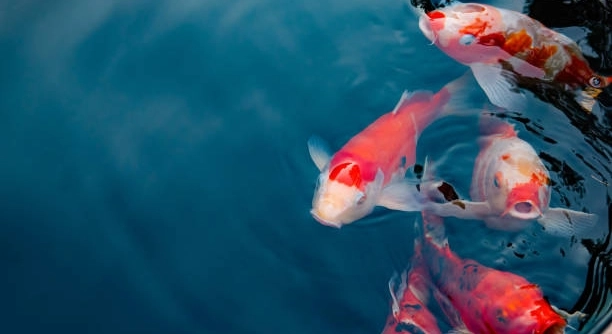
Koi fish communicate through subtle body movements and positions that often go unnoticed. Observing these signs can improve understanding of their behavior and help maintain a healthy, stress-free environment for these beautiful aquatic pets.
Koi body language involves various subtle expressions such as fin positioning, swimming patterns, and changes in color intensity. Recognizing these cues provides insights into their health, mood, and social interactions, which is essential for effective koi care and management.
These subtle signals reveal important details about koi well-being and social dynamics, making it essential to recognize and interpret them accurately.
Fin Positioning and Movement
Koi use their fins to communicate a range of emotions and physical states. When fins are held close to the body, the fish might be feeling stressed or unwell. On the other hand, fins that are spread wide typically indicate a calm and confident koi. Rapid fin movement can signal agitation or excitement. Observing how fins move while the koi swim can reveal their mood and health. For example, a koi swimming smoothly with steady fin motion is usually content. Conversely, clamped fins combined with sluggish swimming might indicate illness or poor water conditions. Paying attention to these details helps identify problems early before they become serious. Regularly monitoring fin positioning allows better care and ensures the koi remain comfortable in their environment.
Fin position is a clear indicator of koi’s well-being and emotional state, reflecting comfort or distress.
Body language extends beyond fins; subtle changes in swimming style also carry meaning. Koi that linger near the surface might be seeking oxygen or showing curiosity. Erratic swimming often points to stress. These details give clues about their current state.
Color Changes and Intensity
Color shifts in koi often indicate changes in health or environment. Bright, vivid colors usually mean the fish is healthy and happy. Dull or faded colors can signal stress, illness, or poor water quality. Monitoring color helps catch problems early.
Color intensity can vary due to diet, lighting, or water temperature. Koi exposed to direct sunlight often show brighter colors, while those in shaded areas might appear paler. A sudden loss of color is a sign to check water parameters and overall health. Some koi naturally change color as they age, but sharp, unexpected changes usually indicate stress or illness.
Long-term color fading might result from poor nutrition or parasites. Ensuring a balanced diet and clean habitat supports vibrant coloring. Regular water testing and maintenance reduce the risk of environmental factors affecting color. Recognizing these subtle changes helps maintain koi vitality and beauty.
Swimming Patterns
Swimming behavior reflects koi’s physical and emotional states. Smooth, steady swimming shows comfort and good health. Erratic or rapid movements may indicate stress or irritation.
Koi that swim near the pond surface could be seeking oxygen or food. Conversely, hiding or sluggish swimming often points to discomfort or illness. Changes in usual swimming routes suggest possible problems, like injury or water quality issues. Observing these patterns regularly provides clues about koi well-being and prompts timely intervention.
Inconsistent swimming behavior sometimes stems from water temperature fluctuations or overcrowding. Cooler water can slow activity, while warm water increases it. Overcrowded ponds cause stress, leading to aggressive or erratic movements. Adjusting pond conditions and monitoring these behaviors improves koi health. Swimming patterns serve as important signals for caretakers to maintain a balanced environment.
Body Posture
Koi body posture reveals much about their mood and health. A relaxed koi will have a smooth, streamlined posture while swimming calmly.
In contrast, a hunched or stiff posture may signal discomfort, illness, or stress. Watching their body posture regularly helps spot early warning signs.
Gaping and Mouth Movements
Gaping, or opening the mouth wide, can indicate koi are trying to get more oxygen if water oxygen levels are low. It may also occur during feeding but should not be constant. Persistent mouth movements might signal gill irritation or parasites. Monitoring these behaviors is important to maintain koi health and water quality.
Interaction with Other Koi
Koi often interact through gentle nudges or following each other. These social behaviors show comfort and establish social order within the group.
Aggressive chasing or biting signals stress or overcrowding, which requires immediate attention to avoid injury and maintain harmony.
FAQ
What does it mean when a koi swims upside down?
Swimming upside down usually indicates serious health issues, such as swim bladder disorder or infections. This condition affects the fish’s ability to maintain balance in the water. Immediate attention is needed to check water quality, diet, and possible injuries. Sometimes, changes in water temperature or poor nutrition contribute to this behavior.
Why do koi sometimes stay at the pond bottom?
Koi resting at the bottom can mean they are cold or stressed. Cooler water slows their metabolism, making them less active. It might also signal illness or poor water conditions, such as low oxygen levels or high ammonia. Regular water testing and temperature monitoring help prevent these problems.
How can I tell if my koi is stressed?
Signs of stress include clamped fins, rapid breathing, erratic swimming, and color fading. Stress can come from overcrowding, sudden water changes, or aggressive tank mates. Keeping the pond clean and maintaining stable water parameters reduces stress risks.
Is it normal for koi to change color over time?
Yes, koi often change color naturally as they age or due to seasonal shifts. However, sudden or patchy color loss can indicate health issues like infections or poor water quality. Monitoring these changes helps catch problems early.
Why do koi sometimes rub against objects in the pond?
Rubbing behavior often signals irritation caused by parasites, infections, or rough water conditions. It may also be a response to itchy skin. Checking for external parasites and maintaining good water quality reduces this behavior.
What does it mean when koi swim rapidly near the surface?
Rapid swimming at the surface usually indicates they are seeking oxygen, often due to low dissolved oxygen levels in the water. It can also show excitement during feeding times. Ensuring proper aeration and circulation helps prevent oxygen deficiency.
How often should I observe my koi’s body language?
Regular daily observation is ideal. Frequent monitoring allows early detection of changes in behavior or appearance. This proactive approach helps maintain koi health and address issues before they escalate.
Can koi communicate distress to each other?
Yes, koi use body language and movement to signal distress or alert others. Erratic swimming or hiding can influence the group’s behavior. Understanding these signals supports better management of pond conditions.
What are signs of aggression among koi?
Aggression includes chasing, biting, and fin nipping. It often results from overcrowding or competition for food. Separating aggressive fish or increasing pond space can reduce conflicts.
How does water quality affect koi body language?
Poor water quality causes stress, visible through clamped fins, lethargy, or erratic swimming. Clean, balanced water keeps koi comfortable and active. Regular testing and maintenance are essential for a healthy environment.
Final Thoughts
Understanding koi body language is essential for maintaining their health and well-being. These fish communicate through subtle movements and changes that often go unnoticed by casual observers. Paying close attention to fin positions, swimming patterns, and body posture provides valuable information about their current state. Recognizing signs of stress, illness, or discomfort early on can help prevent serious problems and improve the overall care of the koi. This awareness allows for timely adjustments to the environment, diet, and water conditions, ensuring the fish remain comfortable and healthy.
Body language also reveals social interactions within the koi group. Observing how koi interact with each other can indicate the presence of aggression or harmony. Some koi may chase or nip others, signaling stress or overcrowding in the pond. Identifying these behaviors promptly makes it possible to intervene and create a more balanced habitat. Healthy koi display calm and gentle interactions, which contribute to a peaceful pond environment. Maintaining appropriate pond size and population density is important to minimize conflict and promote natural social behaviors.
Regular monitoring of koi behavior and appearance is a simple but effective way to support their well-being. Changes in color, swimming style, or mouth movements often indicate underlying issues. Taking note of these subtle expressions helps in diagnosing problems and responding quickly. Consistent care, clean water, and proper nutrition complement close observation to keep koi thriving. Paying attention to these details fosters a deeper connection with the fish and improves the chances of long-term success in koi keeping.

Hello,
If you enjoy the content that we create, please consider saying a "Thank You!" by leaving a tip.
Every little bit helps us continue crafting quality advice that supports the health, happiness, and well-being of pets around the world, for pets of all shapes, sizes, and species.
We really appreciate the kindness and support that you show us!