
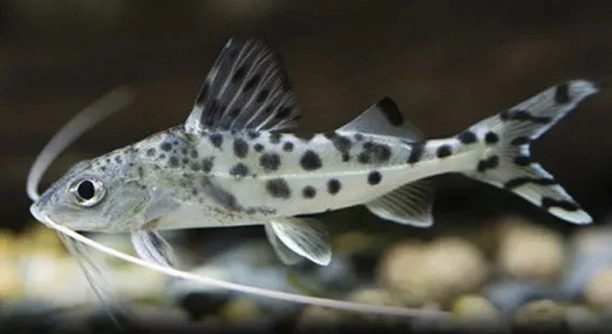
Are your pictus catfish showing signs of breeding but nothing ever happens? It can be confusing when care routines seem perfect, yet no results follow. Misleading information often makes the situation more frustrating for fish keepers.
Pictus catfish are extremely difficult to breed in home aquariums, and many breeding myths continue to mislead hobbyists. These myths can result in wasted efforts, poor tank conditions, and unnecessary stress for both fish and owners.
Understanding what’s true and what’s not can make a big difference in how you care for your pictus catfish and manage your expectations.
Myth 1: Pictus Catfish Can Breed in Any Tank
Many people believe pictus catfish can breed in regular home aquariums without any changes. This is not true. Pictus catfish are native to fast-moving rivers, which means they need specific conditions that mimic their natural habitat. A basic community tank rarely provides the right environment. These fish need strong currents, plenty of space, and very clean water to feel secure enough to breed. If the tank is too small or lacks flow, their stress levels rise, and breeding simply won’t happen. Temperature, lighting, and even the tank layout all play a role. Trying to breed them in a small or shared tank often leads to disappointment. Proper preparation matters, and without it, results are unlikely. Most people who try to breed them in standard tanks see no success because the environment isn’t even close to what they need in the wild.
A breeding tank for pictus catfish should be large, quiet, and have steady water flow that mirrors river conditions.
Although these fish are hardy in general care, they become very selective and sensitive when it comes to spawning. The wrong setup will cause them to ignore breeding cues entirely. Clean, fast-moving water and hiding spaces are key. Most importantly, they need to feel undisturbed. A tank with bright lighting, noisy filters, or too many other fish can ruin any chance of breeding. It’s not about creating a beautiful setup; it’s about creating one that matches their instincts. Plants, rocks, and wood pieces can help create comfort, but the flow and quality of the water should be your top focus. Temperature control is just as important—warm, stable water encourages breeding behavior. Changing too many things at once, however, can create more harm than good. Start simple, observe their comfort levels, and only adjust one thing at a time.
Myth 2: Pictus Catfish Will Breed in Community Tanks
Many fish keepers hope their pictus catfish will spawn while living peacefully with other species, but this almost never works.
Pictus catfish are shy and prefer privacy, especially when preparing to breed. When housed with other fish, especially active or aggressive species, they are less likely to exhibit breeding behaviors. Community tanks create too much movement and activity, which keeps pictus catfish from feeling secure. Even peaceful tankmates can make them nervous enough to avoid spawning altogether. A private space is essential for their comfort. Some people report chasing or hiding, which are signs of stress—not courtship. Forcing them to breed in a shared space only leads to disappointment.
A successful breeding attempt often means removing other fish entirely. Community tanks don’t just cause stress—they also interfere with the water quality and flow patterns pictus catfish need. Uneaten food, extra waste, and territorial disputes all play a role in disrupting conditions. Pictus catfish are bottom dwellers and can easily be outcompeted for food, making them weaker over time. A separate tank gives you full control over the environment. It allows you to adjust the water current, temperature, and layout to better suit breeding needs. More importantly, it helps the catfish feel secure and in control of their space. If your goal is breeding, isolation is not optional—it’s the most basic step you need to take.
Myth 3: Pictus Catfish Will Pair Off Like Other Fish
Pictus catfish do not form clear breeding pairs like some other species. They are more solitary and do not show obvious mating bonds or attachments. This makes pairing them off nearly impossible without guessing.
Trying to force a pair can lead to aggression or stress. Unlike fish that form couples, pictus catfish show little indication of choosing a mate. Even when conditions are ideal, they may not show signs of interest in each other. Gender is also hard to identify, which makes pairing even more difficult. Most breeders work with a small group instead of a pair, giving the fish a chance to choose if and when they want to interact. Tank size, hiding places, and consistent water flow all need to be stable before any signs of pairing might appear. Expecting obvious pair behavior will likely leave you confused, since these fish are not naturally inclined to bond visibly.
Most people assume two catfish can be placed together to form a pair, but this rarely leads to success. Pictus catfish need very specific conditions before they begin to engage in any kind of social or reproductive behavior. Even then, the signs are subtle. Watching for aggression, chasing, or hiding can sometimes help, but these are often just signs of territory issues, not breeding. Because they are nocturnal and prefer to hide during the day, much of their social interaction happens when you’re not watching. A dimmed tank and a group of healthy, stress-free catfish will give you a better chance than relying on pairing alone. It’s a slow process that takes patience and quiet observation.
Myth 4: Any Pictus Catfish Can Breed if Conditions Are Right
Not every pictus catfish will breed, even under perfect conditions. Many are wild-caught, and some may be too old, stressed, or genetically unsuitable. Breeding requires more than just a good tank setup—it depends on the fish themselves.
Even experienced aquarists often find that some pictus catfish show no interest in breeding at all. This could be due to age, health, or lack of compatibility within the group. If your fish have lived in a standard tank for years, they may not adapt well to new breeding-focused conditions. Captive-bred fish might adjust better, but they are hard to find. There is also little known about the exact triggers that cause pictus catfish to begin mating. Unlike other species, they don’t follow a predictable breeding pattern. Their behavior can vary from one fish to another, even when they seem identical. Trying again with a new group may help, but it doesn’t guarantee results.
Myth 5: Frequent Water Changes Will Trigger Breeding
Water changes help improve water quality, but doing them too often or too aggressively can cause stress. Pictus catfish are sensitive to sudden changes in their environment, especially when trying to breed. Stability is more important than frequent adjustments.
Some believe large or cold water changes mimic rainstorms and will cause spawning. While this works for certain fish, it rarely helps pictus catfish. They need consistent, high-quality water—not sudden shifts. Keep conditions steady, and avoid making frequent changes just for the sake of triggering breeding.
Myth 6: Pictus Catfish Will Breed Without Hormone Use
In captivity, pictus catfish rarely breed without the help of hormone injections. Most successful breeding attempts reported by farms or researchers use hormone treatments to trigger egg release and fertilization. This is one reason why there are so few documented cases of home breeding. Natural spawning has not been observed reliably in aquariums, even when all conditions seem perfect. While hormone use is common in commercial setups, it is not something most home aquarists are comfortable with or able to do safely. Without this method, the chances of successful breeding are extremely low. For now, these fish remain a challenge to breed naturally.
Myth 7: Breeding Pictus Catfish Is Just Like Breeding Corydoras
Pictus catfish and corydoras are both catfish, but their breeding needs are very different. Applying the same methods will not work. What works for corydoras will likely fail with pictus catfish.
What is the best tank setup for breeding pictus catfish?
A large tank with strong water flow and plenty of hiding places is essential. Use a powerful filter or water pump to create current that mimics their natural river habitat. Include smooth rocks, driftwood, and plants to offer shelter and reduce stress. Keep lighting low and maintain stable, clean water with temperatures between 75–80°F (24–27°C). The tank should be quiet and free from aggressive or active tankmates. Regular testing to maintain good water parameters is important, as poor water quality will prevent any breeding attempts.
How can I tell if my pictus catfish are ready to breed?
Pictus catfish show subtle signs when ready to breed, which can be hard to spot. They may swim more actively in groups, chase each other lightly, or clean flat surfaces like rocks or glass. Sometimes males develop brighter colors or slightly swollen bellies, but these changes are minimal. Unlike other fish, they don’t form clear pairs or nests. Patience is necessary, as these behaviors might appear and disappear based on tank conditions or stress levels.
Are there special dietary needs for breeding pictus catfish?
Yes, a varied and high-quality diet improves breeding chances. Feed them live or frozen foods like bloodworms, brine shrimp, and daphnia to boost health and encourage spawning behavior. Avoid only dry flakes or pellets, as these won’t provide enough nutrition. Regular feeding, but not overfeeding, keeps fish strong without polluting the water. Healthy fish are more likely to breed successfully, so good nutrition is key.
Can I breed pictus catfish with other catfish species?
No, pictus catfish will not crossbreed with other species. Each species has unique breeding requirements and behaviors. Mixing them may cause stress or aggression. Keep pictus catfish separate if your goal is breeding. Trying to breed them with other catfish will not work and wastes effort.
How long does it take for pictus catfish eggs to hatch?
Under proper conditions, eggs typically hatch within 2 to 3 days. However, hatching time depends on water temperature and quality. Warmer, clean water speeds up development, while cooler or poor water delays it. Eggs must be protected from predators and fungus, as this can prevent hatching altogether.
What should I do after eggs hatch?
Remove adults from the breeding tank if possible, as they may eat the fry. Feed newly hatched fry with very small foods like infusoria or commercially available fry food. Gradually introduce finely crushed flakes or baby brine shrimp as they grow. Keep water clean and stable to ensure survival. Fry are delicate, so gentle care is necessary in this stage.
Are there any risks in trying to breed pictus catfish at home?
Yes, there are risks such as stress, poor water quality, and loss of fish. Overhandling or sudden environment changes can harm fish health. Using hormones without experience can be dangerous. Always research and prepare carefully. Breeding pictus catfish requires patience and commitment to avoid these issues.
Is breeding pictus catfish worth the effort?
Breeding pictus catfish is difficult and may not always succeed, but it can be rewarding for those willing to put in the work. It helps deepen understanding of their behavior and needs. Many keepers appreciate the challenge despite limited success, but it is not for everyone. Realistic expectations are important before starting.
Breeding pictus catfish is not an easy task. Many common beliefs about how to get them to breed are wrong or incomplete. These fish need very specific conditions to feel comfortable enough to reproduce, and even then, success is not guaranteed. It requires more than just setting up a tank and hoping they will spawn. Understanding their natural habitat, behavior, and needs is the first step. The right water flow, tank size, hiding places, and clean water are all essential to create an environment where pictus catfish might breed. Without these, the chances are very low.
Another important point is patience. These catfish do not show obvious signs of breeding readiness like some other species. They do not form pairs easily or follow predictable patterns. Instead, they prefer privacy and stable conditions. Changing too many things at once or stressing them can stop breeding altogether. It can take weeks or even months before they begin to act differently. Watching quietly and giving them space is often the best approach. Trying to force breeding or using quick fixes like sudden water changes usually won’t work. In many cases, hormone injections are used by commercial breeders to encourage spawning, but this is not common or easy for home hobbyists.
Finally, it’s important to keep realistic expectations. Not every pictus catfish will breed in captivity, no matter how perfect the tank conditions seem. Some fish are too old, stressed, or simply not ready to reproduce. This can be frustrating, but it’s part of caring for these unique fish. The effort spent on improving their environment can still lead to healthier, happier catfish, even if breeding doesn’t happen. For those who enjoy learning about fish behavior and care, the process itself can be rewarding. Just remember that breeding pictus catfish is a challenge and requires patience, knowledge, and careful attention.

Hello,
If you enjoy the content that we create, please consider saying a "Thank You!" by leaving a tip.
Every little bit helps us continue crafting quality advice that supports the health, happiness, and well-being of pets around the world, for pets of all shapes, sizes, and species.
We really appreciate the kindness and support that you show us!