
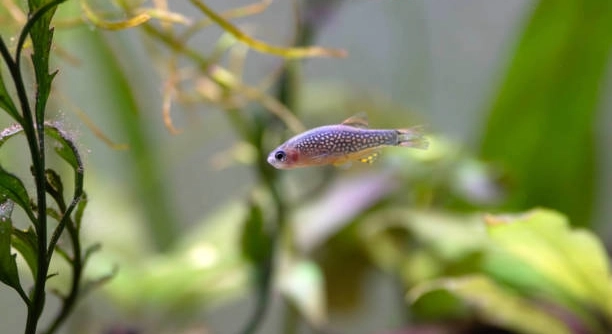
Danios are lively and colorful fish, often seen darting around brightly lit tanks. However, they sometimes seek calmer spots where light is softer, preferring environments that feel more secure and natural. Their behavior changes with lighting conditions.
Danios prefer dim lighting in situations that mimic their natural habitats, reduce stress, or promote feeding, rest, and breeding. Lower light levels support their circadian rhythm and encourage natural behaviors while minimizing aggression and environmental stressors.
Understanding when and why they seek dimmer areas can improve tank setups and overall well-being, ensuring a healthier, more comfortable environment for your fish.
Settling After a Long Day
After a busy day swimming and exploring, danios often move to dimly lit areas of the tank. The lower light helps them feel safe and reduces stress from constant activity. They naturally seek shelter near plants or decorations where the lighting is softer. These shaded spots give them a place to rest and recover energy. By observing their patterns, it’s clear that they respond to environmental changes, preferring areas that feel secure. Dim lighting also slows down their activity slightly, allowing them to conserve energy for feeding and interaction later. Providing hiding spots and shaded regions ensures they can choose where they feel most comfortable, which improves their overall behavior.
When danios retreat to darker areas, it is usually a sign they are adjusting to their environment and seeking comfort.
Creating gentle contrasts in lighting, using floating plants, and maintaining calm surroundings supports their natural resting habits. Watching them in these quieter spots reveals more about their social interactions and preferred spaces in the tank, giving insight into maintaining a balanced and healthy environment.
Feeding in Low Light
Danios often feed more comfortably in dim lighting, as they feel less exposed to potential threats.
Feeding under softer light allows them to focus on the food without distractions or stress, encouraging better nutrition intake.
Providing food during low-light periods can be especially helpful in community tanks where multiple fish compete. In brighter conditions, some danios may be hesitant to eat, waiting until the environment feels safer. Observing their feeding habits during these moments helps identify patterns and ensures all fish receive proper nutrition. Adjusting feeding routines and offering food near shaded areas mimics natural conditions, supporting healthier growth and behavior. This method also reduces aggression among tank mates, as calmer fish are less likely to compete aggressively when they feel secure. By considering light levels, feeding becomes a more effective and stress-free process, improving overall tank harmony.
Hiding During Molting
Danios often hide in dim areas when they are molting or shedding skin. The lower light provides a safer environment and reduces stress while they go through this vulnerable stage.
During molting, their movements can be slower, and they become more cautious. Dim lighting mimics shaded areas in their natural habitat, offering protection from perceived threats. Providing plants, caves, or decorations where light is softer helps them feel secure and encourages a smooth molting process. Observing their behavior during this time ensures that they are not stressed or disturbed by tank mates.
Hiding also allows them to recover energy and avoid unnecessary interactions. When they return to brighter areas, it usually indicates that the process is complete and they feel ready to resume normal activity. Maintaining calm surroundings and gentle lighting ensures their health during this period.
Breeding Behavior
Danios often seek dim lighting when preparing to breed, as it provides a more private and comfortable environment.
Low light levels encourage natural courtship behaviors and reduce stress that could interfere with mating. In dimmer areas, they feel less exposed, which allows them to focus on spawning activities.
Creating sections of the tank with subdued lighting and plenty of plants helps support successful breeding. These conditions allow males to display and females to choose nesting areas without feeling threatened. Ensuring that the environment mimics natural conditions can lead to higher fertility and healthier fry. Regular observation under these conditions helps maintain proper tank management while encouraging natural reproductive behaviors.
Escaping Tank Brightness
Danios often move to shaded areas when the tank light feels too intense. The dimmer spots reduce stress and help them feel safer, especially during peak lighting hours.
These fish naturally prefer softer lighting as it mimics shaded regions in rivers and streams. Too much brightness can make them anxious or overly active, so providing darker areas allows them to regulate their comfort and activity levels.
Resting in the Evening
As evening approaches, danios naturally gravitate toward dim lighting for rest. The softer light signals a calmer period, allowing them to slow down and prepare for sleep. Maintaining a gradual light transition in the tank supports this natural rhythm and promotes healthier sleep patterns.
Avoiding Aggression
Danios seek dim areas to escape from more aggressive tank mates. Lower light reduces visibility and allows shy fish to find peace and avoid confrontations.
Stress Recovery
When danios are stressed, dim lighting provides a calming environment. Reduced brightness helps lower anxiety and supports recovery from sudden changes, disturbances, or conflicts in the tank.
Why do danios prefer dim lighting sometimes?
Danios prefer dim lighting because it replicates shaded areas in their natural environment. Softer light helps them feel safe and reduces stress, especially in tanks with bright overhead lighting. When light is too strong, they may hide or become less active. Dim areas allow them to rest, feed, and interact at their own pace.
Does dim lighting affect their feeding habits?
Yes, feeding is often more successful in dim lighting. Danios feel less exposed, which encourages them to focus on eating rather than scanning for threats. Offering food near shaded areas ensures that even shy or smaller fish can access it without being intimidated by more dominant tank mates.
Can dim lighting influence their breeding?
Dim lighting supports natural breeding behavior. It provides a more private and secure environment, allowing males and females to display courtship behaviors without feeling threatened. Plants, floating cover, and shaded areas mimic conditions found in streams and rivers, encouraging natural spawning and improving the chances of healthy fry.
Do all danios react the same to light levels?
No, individual danios have varying responses to light. Some are bolder and comfortable in brighter areas, while others prefer shaded or dim spots. Observing your tank allows you to understand each fish’s preference and create zones that cater to both cautious and confident fish, improving overall tank harmony.
How can I create dim areas in my tank?
You can create dim lighting zones by adding floating plants, taller decorations, or strategically placed rocks and caves. These provide shelter and shaded areas where fish can retreat. Adjustable LED lights or partially shaded tank covers also allow you to control light intensity and mimic natural day-to-night cycles.
Does dim lighting reduce stress in danios?
Yes, lower light reduces stress by giving fish a sense of safety. Constant exposure to bright light can increase anxiety and agitation. Providing shaded areas allows danios to regulate their activity and behavior, leading to healthier interactions and less aggression among tank mates.
Can dim lighting prevent aggressive behavior?
Dim areas help shy or smaller fish avoid confrontations. Reduced visibility in these zones minimizes intimidation and competition. Dominant fish are less likely to chase or harass others in shaded areas, so the tank environment becomes calmer and more balanced overall.
Is it safe to keep the tank mostly dim?
While dim areas are beneficial, the tank still needs proper lighting for plant growth and overall visibility. A balance of bright and shaded zones is ideal. Using timers or adjustable lights ensures fish can access both light and dim spaces, supporting natural behavior and maintaining a healthy aquarium ecosystem.
How do I know if my danios are stressed by bright light?
Signs include hiding in corners, rapid darting, loss of appetite, or unusual aggression. If these behaviors are observed, creating shaded areas or reducing light intensity can help them feel safer. Gradual adjustments are better than sudden changes to avoid additional stress.
Can dim lighting affect their sleep patterns?
Yes, it encourages natural rest cycles. Danios respond to lower light as an evening signal, slowing down activity and preparing for rest. Maintaining a gradual transition from bright to dim light in the evening supports circadian rhythm and overall health.
Will dim lighting impact their colors?
Colors may appear less vibrant under low light, but this does not harm the fish. When exposed to balanced lighting during active periods, their colors remain strong. Providing a mix of bright and shaded areas ensures they can display full coloration while feeling safe in dim zones.
Does tank size influence their preference for dim lighting?
In smaller tanks, dim areas may be limited, making it harder for danios to find refuge. Larger tanks allow for more shaded zones, plants, and decorations. Creating multiple dim spots ensures that all fish have access to safe areas, reducing stress and encouraging natural behavior.
Can dim lighting help new fish adjust?
Yes, new danios often feel insecure in unfamiliar tanks. Dim areas give them a place to hide and gradually explore their environment. This controlled exposure reduces stress, allowing them to adapt more quickly and confidently to their new surroundings.
How often should I adjust tank lighting?
A consistent day-night cycle is best, typically 8-12 hours of light. Gradual dimming during evening hours mimics natural conditions. Sudden changes can stress danios, so adjustments should be slow and predictable to support comfort and natural activity patterns.
What other benefits do dim areas provide?
Dim areas allow natural behaviors like resting, hiding, feeding, and breeding. They reduce aggression, support stress recovery, and give fish choices in their environment. Providing shaded spots enhances overall well-being and creates a more dynamic, natural-feeling tank.
How can I tell if the dim areas are sufficient?
Observe your fish. If they frequently retreat to specific zones and appear calm, the dim areas are meeting their needs. If hiding becomes constant or aggression increases elsewhere, consider adding more shaded zones or adjusting light intensity.
Danios are active and vibrant fish that respond strongly to their environment, especially lighting conditions. Throughout the day, they adjust their activity levels depending on how bright or dim the tank feels. Bright lighting can encourage movement and interaction, while dim areas provide security and rest. Observing these patterns helps in understanding their natural preferences and behavior. Providing zones with softer lighting gives them the opportunity to retreat when needed, reducing stress and promoting overall well-being. In tanks with multiple fish species, shaded areas become even more important, as they allow more timid danios to find safety without being harassed by bolder tank mates. Over time, these small adjustments create a more balanced and harmonious tank environment, where each fish can display its natural behavior without feeling threatened or anxious.
Creating a tank that meets the needs of danios involves more than just choosing the right lighting intensity. The placement of plants, decorations, and hiding spots also plays a major role. Floating plants and taller structures create natural shade, which danios are naturally drawn to. Even subtle differences in light levels can influence where fish spend most of their time. Dim areas are not just for hiding—they provide places for feeding, resting, and breeding. Adjusting light gradually rather than suddenly is important to avoid stressing the fish. A well-thought-out setup that includes both bright and dim areas ensures that danios can regulate their comfort and activity independently. This approach also helps maintain their health, as fish that are less stressed are less prone to illness and more likely to display natural behaviors. Observing their choices in the tank can guide further improvements in habitat design.
Finally, dim lighting is an essential component of a healthy and balanced aquarium for danios. It supports a range of natural behaviors and provides a sense of security that bright lighting alone cannot offer. Ensuring that dim areas are accessible, consistent, and complemented by adequate bright spaces allows danios to adapt to their environment more comfortably. When these factors are considered, the tank becomes a space where fish can thrive, displaying their full energy, color, and social behaviors. Taking the time to monitor how danios respond to lighting and making adjustments when needed contributes to a healthier, calmer, and more dynamic aquatic environment. With careful observation and thoughtful planning, dim lighting can enhance the overall quality of life for danios, making them feel safe, active, and more engaged in their surroundings.

Hello,
If you enjoy the content that we create, please consider saying a "Thank You!" by leaving a tip.
Every little bit helps us continue crafting quality advice that supports the health, happiness, and well-being of pets around the world, for pets of all shapes, sizes, and species.
We really appreciate the kindness and support that you show us!