
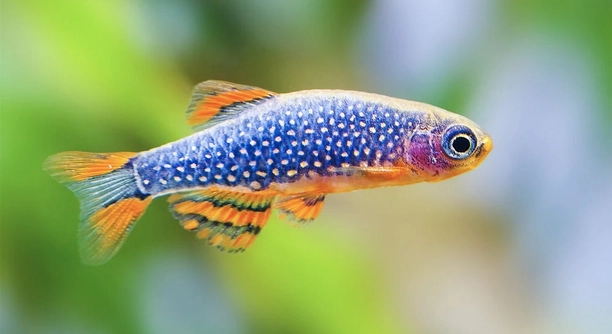
Have you ever noticed your Celestial Pearl Danios looking less vibrant than usual? These tiny, shimmering fish are known for their bright colors, but sometimes their sparkle can fade, leaving them looking a bit dull.
Celestial Pearl Danios may appear dull due to a combination of stress, poor water quality, inadequate diet, and lack of proper lighting. Each factor directly affects pigmentation and overall health, causing their normally vibrant colors to become muted or faded.
Understanding these factors will help you identify the root causes and take steps to restore your fish’s natural brilliance in their tank environment.
Poor Water Quality
Poor water quality is one of the main reasons your Celestial Pearl Danios might look dull. These fish are sensitive to changes in their environment, and even minor fluctuations in water parameters can impact their color and health. High levels of ammonia, nitrites, or nitrates can stress them, making their scales lose vibrancy. Hard water or unbalanced pH can also play a role in diminishing their appearance. Regular water testing and partial water changes are essential to maintain optimal conditions. Additionally, accumulated waste, leftover food, and decaying plants can lower water quality and create an unhealthy environment. Using a reliable filter and avoiding overfeeding can help prevent these problems. Observing your fish for signs of stress, such as hiding or reduced activity, can give clues about water quality issues. Proper maintenance will support brighter colors and overall well-being for your Celestial Pearl Danios.
Keeping water clean is crucial for vibrant, healthy fish.
Regular monitoring and consistent water changes help maintain stable conditions, supporting both their color and activity levels.
Inadequate Diet
A poor diet can quickly lead to dull colors in Celestial Pearl Danios. These fish require a balanced mix of protein, vitamins, and color-enhancing nutrients. Feeding only one type of food, such as flakes, may leave them lacking essential elements for pigmentation. Including live or frozen foods like daphnia, brine shrimp, or bloodworms can make a noticeable difference. Vegetables like blanched spinach or zucchini also provide important nutrients. Avoid overfeeding, as leftover food can harm water quality. Color-enhancing foods containing carotenoids or spirulina can boost their natural hues over time. Consistency is key; sudden changes in diet may stress the fish and temporarily dull their colors. Observing their eating habits and ensuring all fish get enough food helps maintain health and vibrancy. A well-rounded diet not only enhances appearance but strengthens the immune system, keeping them lively and less prone to disease.
Feeding your fish the right mix of nutrients can restore their natural shine.
A varied diet that combines protein, vegetables, and color-enhancing foods keeps Celestial Pearl Danios healthy, active, and bright, supporting long-term vibrancy and overall well-being.
Stress
Stress in Celestial Pearl Danios can quickly dull their colors. Changes in tank conditions, aggressive tank mates, or overcrowding often trigger stress responses.
Stress affects their immune system and overall health. Frequent chasing, sudden loud noises, or moving decorations can unsettle them. Even subtle shifts in temperature or water parameters can cause prolonged stress, resulting in faded colors. Providing hiding spots, maintaining stable conditions, and keeping compatible tank mates reduces stress and helps your fish regain their natural vibrancy.
Long-term stress can also lead to illness. Fish that are consistently stressed may stop eating, become lethargic, or develop infections. By carefully observing behavior and making environmental adjustments, you can prevent stress-related color loss and support healthy, active fish in the tank.
Lighting
Proper lighting is essential for maintaining vibrant colors in Celestial Pearl Danios. Insufficient or inconsistent light can make them appear dull and muted.
The right lighting mimics natural conditions and enhances pigmentation. Too little light reduces their activity and prevents proper color expression, while too much can stress them or promote algae growth. LED lights designed for aquariums provide steady, balanced illumination without overheating the tank. A consistent day-night cycle supports natural behaviors, helping fish display their full colors. Adjusting the light duration to around 8–10 hours daily helps maintain brightness.
Lighting interacts with other factors like diet and water quality. Even with good food and clean water, inadequate lighting can prevent colors from developing fully. Combining proper illumination with balanced nutrition, stable conditions, and low-stress environments ensures Celestial Pearl Danios retain their shimmering appearance over time.
Tank Size
A small tank can stress Celestial Pearl Danios and limit their color expression. Crowded conditions reduce swimming space and increase aggression, making fish appear dull over time.
A tank that is too small can also lead to poor water quality. Frequent waste buildup and unstable water parameters contribute to faded colors and weaker health.
Water Temperature
Maintaining a stable water temperature is crucial for Celestial Pearl Danios. Sudden fluctuations can shock them, causing stress and dull coloration. Regularly monitoring the tank with a reliable thermometer helps ensure consistency and keeps the fish active and vibrant.
Age and Genetics
Older fish may naturally lose some of their bright coloration. Genetics also play a role, as some individuals carry genes for less intense pigmentation. Providing optimal care can slow fading, but natural variation and age-related color changes are common and expected.
FAQ
Why are my Celestial Pearl Danios losing color even though the water looks fine?
Even if the water appears clear, small imbalances in pH, hardness, or nitrate levels can stress fish and dull their colors. Ammonia or nitrite spikes might be invisible but still harmful. Testing the water regularly and performing partial changes can restore vibrancy.
How long does it take for their colors to return?
Recovery depends on the cause of fading. If it’s stress or poor water quality, colors can start improving within a week of proper care. Diet-related fading may take a few weeks of consistent feeding with nutrient-rich, color-enhancing foods.
Can tank mates affect their coloration?
Yes, aggressive or overly active tank mates can stress Celestial Pearl Danios, causing them to hide or reduce activity. This stress results in muted colors. Keeping peaceful fish and providing hiding spots helps them display their natural brilliance.
Is lighting really that important for their color?
Absolutely. Proper lighting highlights their natural pigmentation and encourages activity. Insufficient light can make them appear dull, while excessively bright or inconsistent lighting can stress them. A steady 8–10 hour cycle with aquarium LED lights works well.
Does overfeeding make a difference?
Yes, overfeeding can impact water quality, causing ammonia buildup and poor health, which dulls colors. Feeding small, frequent portions and removing uneaten food prevents water problems and helps maintain bright, healthy fish.
Do supplements improve their color?
Color-enhancing supplements can help if diet is lacking in essential nutrients like carotenoids and spirulina. These supplements should complement a balanced diet of high-quality flakes, frozen, or live foods, not replace it entirely.
Can stress from frequent handling affect their appearance?
Yes, frequent netting, tank maintenance without care, or sudden movements around the tank can stress fish. Even brief stress can reduce coloration. Minimizing disturbance and providing hiding spots allows them to feel safe and regain natural colors.
Are older Celestial Pearl Danios naturally less colorful?
Yes, as they age, their pigmentation may fade slightly. Genetics also determine intensity of color. Proper diet, water quality, and low-stress conditions can maintain vibrancy longer but cannot prevent natural aging effects.
How can I tell if their dullness is a health issue?
Look for other signs like lethargy, loss of appetite, clamped fins, or unusual swimming patterns. These often indicate illness rather than normal fading. Quarantining sick fish and consulting a veterinarian or experienced aquarist can prevent further problems.
Can plants and decorations impact color?
Yes, live plants and natural decorations reduce stress by providing hiding spots and mimicking natural habitat. A comfortable environment encourages natural behaviors, which helps maintain bright colors. Sparse or bare tanks can contribute to stress-related dullness.
Is temperature fluctuation a common cause of dullness?
Yes, sudden drops or spikes in temperature can stress fish and lead to faded colors. Keeping the tank within 22–26°C (72–79°F) and using a stable heater ensures consistent conditions for healthy pigmentation.
Can changing their diet suddenly harm their color?
Sudden dietary changes can stress fish and temporarily reduce coloration. Introduce new foods gradually while keeping familiar staples to maintain both health and vibrant appearance.
How often should I check their tank conditions?
Weekly testing of water parameters like ammonia, nitrite, nitrate, and pH is ideal. Daily observation of behavior and color helps catch problems early before they affect overall health.
Do Celestial Pearl Danios display full color only during certain times?
Yes, they often show brighter colors when active, during feeding, or in well-lit areas. Stress, boredom, or hiding reduces visible vibrancy, so providing proper tank conditions and stimulation encourages consistent coloration.
Can I use a smaller tank if I monitor everything closely?
Even with careful monitoring, small tanks increase stress and water instability. A minimum of 10 gallons for a small group is recommended to allow swimming space and maintain stable conditions for brighter colors.
Will adding more fish improve their color?
Adding compatible fish may reduce stress from isolation in very small groups, but overcrowding worsens water quality and stress. Balance the number of fish with tank size and filtration to support healthy, colorful Danios.
Are there natural foods that boost pigmentation?
Yes, live or frozen foods like brine shrimp, daphnia, and bloodworms, along with plant-based foods containing carotenoids, enhance natural coloration over time. Regular inclusion of these foods supports both health and vibrancy.
How do I know if lighting is too much or too little?
If fish hide excessively or show faded colors, lighting may be too strong or weak. Adjust the duration and intensity gradually. Observing activity and behavior helps determine the ideal setup.
Is dullness reversible in all cases?
Most causes of dullness, like stress, diet, water quality, or lighting issues, are reversible. Age-related fading and genetic limits cannot be fully changed, but optimal care can slow further color loss and maintain a healthy appearance.
Can decorations cause stress and color loss?
Yes, sharp, crowded, or unnatural decorations can create hiding stress or territorial conflicts. Smooth, natural materials and sufficient open swimming areas reduce stress and encourage brighter colors.
Do seasonal changes affect coloration?
Seasonal temperature and lighting changes can influence activity and pigmentation. Maintaining consistent tank conditions minimizes seasonal color fluctuations, helping fish retain vibrancy throughout the year.
How quickly should I act if I notice dull colors?
Immediate action is important. Check water quality, diet, tank mates, and lighting to identify issues. Quick intervention prevents prolonged stress, illness, or permanent fading, ensuring fish regain their natural colors efficiently.
Can I mix different Danio types without affecting color?
Mixing Danio species is possible if they have compatible temperaments and care requirements. Aggressive or overly dominant species can stress others, causing temporary color dullness. Proper planning ensures all fish remain healthy and vibrant.
Does feeding frequency affect coloration?
Yes, feeding small, balanced portions 1–2 times daily maintains health and promotes consistent coloration. Overfeeding or irregular schedules can lead to stress, poor water quality, and faded appearance.
Are artificial color enhancers safe?
Moderate use of food-based color enhancers is generally safe, but synthetic additives may harm water quality or fish health. Natural, nutrient-rich foods are safer and more effective long-term for vibrant colors.
Can I restore dull fish without changing everything at once?
Gradual improvements are effective. Focus on one factor at a time—like diet, water quality, or lighting—while monitoring results. Incremental changes reduce stress and allow fish to adapt, gradually regaining their full vibrancy.
How do I maintain long-term color?
Stable water conditions, balanced diet, appropriate tank mates, regular monitoring, and suitable lighting collectively support lasting vibrancy. Paying attention to daily behavior and health ensures Celestial Pearl Danios remain bright and active over time.
Celestial Pearl Danios are small, delicate fish that can bring a lot of beauty to any aquarium. Their bright colors and active swimming make them a favorite among many fish keepers. However, it is normal for their colors to fade occasionally. Several factors can cause dullness, including water quality, diet, stress, lighting, and even genetics. Understanding these factors and how they affect your fish is important to keep them healthy and colorful. Maintaining clean water with stable parameters is one of the most effective ways to prevent dullness. Regular partial water changes, monitoring pH, ammonia, nitrite, and nitrate levels, and using a good filter help create a safe and stable environment. A healthy tank not only supports bright colors but also encourages your fish to stay active and exhibit natural behaviors.
Diet plays a key role in maintaining their vibrant colors. Feeding Celestial Pearl Danios a balanced diet with high-quality flakes, live or frozen foods, and occasional vegetables provides the nutrients they need. Foods containing carotenoids and other color-enhancing nutrients help bring out their natural sparkle. Avoid overfeeding, as leftover food can pollute the tank and affect both water quality and fish health. Gradually introducing new foods is better than sudden changes, as it reduces stress and allows the fish to adapt. In addition to diet, the presence of hiding spots and decorations that mimic their natural habitat can help reduce stress. Stress is one of the most common reasons for dull coloration. Overcrowding, aggressive tank mates, sudden changes in temperature, and frequent disturbances can all make your fish lose their natural vibrancy. Providing plenty of swimming space, stable conditions, and peaceful companions helps them feel secure and display their best colors.
Lighting and temperature are also essential for healthy, bright fish. Proper lighting supports natural behaviors and highlights their pigmentation. A consistent day-night cycle with moderate light prevents stress and promotes color retention. Temperature fluctuations or consistently improper conditions can weaken the fish and make their colors fade. Even genetics and age affect coloration, so some fading over time is normal. By combining proper tank maintenance, balanced nutrition, stress reduction, and appropriate lighting, you can ensure that Celestial Pearl Danios remain healthy and colorful for years. Paying attention to these factors and making small, consistent improvements allows your fish to thrive and keeps their natural beauty visible in your aquarium.

Hello,
If you enjoy the content that we create, please consider saying a "Thank You!" by leaving a tip.
Every little bit helps us continue crafting quality advice that supports the health, happiness, and well-being of pets around the world, for pets of all shapes, sizes, and species.
We really appreciate the kindness and support that you show us!