
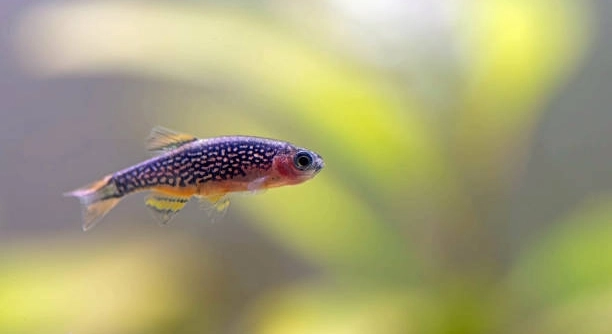
Danio breeding can be a rewarding experience, but many hobbyists encounter unexpected challenges. Even small changes in their environment or routine can impact the health and reproductive cycles of these delicate fish, making successful breeding tricky.
Several factors can disrupt Danio breeding cycles, including temperature fluctuations, poor water quality, inadequate nutrition, stress from overcrowding, sudden changes in lighting, incompatible tank mates, and irregular feeding schedules. These elements collectively interfere with natural reproductive behaviors and egg development.
Recognizing these disruptions is key to maintaining a healthy, productive tank. Understanding each factor will help ensure a smoother breeding process for your Danios.
Temperature Fluctuations
Danios are very sensitive to changes in water temperature. Even a few degrees above or below their preferred range can stress them, slowing or stopping their breeding cycles. I have seen tanks where a minor heater malfunction caused eggs to fail to develop. Maintaining a stable temperature between 22°C and 26°C is ideal. Sudden cold snaps or overheating can shock the fish, leading to decreased activity and reduced spawning behavior. Seasonal changes in the room or direct sunlight on the tank can also create fluctuations. Using a reliable heater and thermometer helps prevent these problems. Some breeders also use gradual adjustments when acclimating fish to new tanks to reduce stress. Regular monitoring of water temperature is essential to avoid these interruptions.
Consistent temperature helps Danios stay healthy and increases the likelihood of successful breeding. Stability is more important than minor daily variations.
Even small shifts in temperature can affect hormonal cycles in Danios. Eggs may not mature properly, and males may lose interest in courtship. Over time, repeated fluctuations weaken the fish, reduce fertility, and may trigger illnesses. A controlled environment ensures natural behaviors continue uninterrupted, allowing breeding to proceed efficiently. Keeping equipment checked and placing the tank away from drafts or heat sources minimizes these risks.
Poor Water Quality
Dirty or imbalanced water significantly hinders Danio reproduction. High ammonia or nitrite levels can stress the fish immediately, while fluctuations in pH or hardness can affect egg viability.
Regular water changes, proper filtration, and testing help maintain stable conditions for breeding.
Water quality impacts Danios’ energy, appetite, and readiness to spawn. Contaminated water can stunt growth, reduce egg production, and increase susceptibility to infections. Fish may avoid breeding entirely if conditions are unsuitable. Even slight neglect, like skipping a weekly water change, can trigger a chain reaction that disrupts spawning patterns. Monitoring chemical parameters, removing waste promptly, and maintaining a clean substrate are essential practices. Some breeders recommend using a separate breeding tank with pristine water to encourage spawning. Proper acclimation after water changes is also important to avoid shocking the fish. Healthy, stable water promotes active courtship and increases the chances that eggs will develop fully. Over time, consistently maintaining clean water supports a sustainable breeding cycle.
Inadequate Nutrition
Providing the right diet is essential for Danio breeding. Without proper nutrition, fish may lack energy and reproductive readiness, slowing or stopping spawning entirely.
I’ve noticed that Danios fed only flakes rarely produce healthy eggs. A varied diet including live or frozen foods like brine shrimp and daphnia greatly improves breeding success. These foods supply necessary proteins and nutrients to support egg development and male fertility. Feeding small portions multiple times a day keeps the fish active and encourages natural behaviors. Overfeeding can cause water quality issues, so balance is key. Maintaining a consistent feeding routine ensures the fish remain in optimal condition for reproduction, supporting both health and fertility.
Proper nutrition directly influences energy levels, mating behavior, and egg viability. A lack of nutrients can delay or prevent breeding, while a balanced diet fosters consistent cycles and healthier offspring.
Stress from Overcrowding
Overcrowding creates constant stress, which reduces reproductive activity. Fish may hide, fight, or ignore spawning altogether, even in otherwise ideal conditions.
Too many Danios in one tank limits swimming space, increases aggression, and lowers water quality, all of which discourage breeding. Stress can suppress hormonal responses, making males less likely to court females and females less likely to produce viable eggs. I’ve experienced tanks where adding even two extra fish halted spawning completely. Separating fish into appropriately sized groups reduces tension and encourages natural breeding behaviors. Providing plants or decorations for hiding spots helps reduce social stress.
Reducing density and managing space properly ensures fish remain calm and focused on reproduction. Overcrowding not only affects breeding but also overall health. Fish in stressful conditions are more prone to disease, lethargy, and poor growth. Careful planning of tank populations helps maintain social balance, prevents competition for food, and allows each fish to express natural behaviors. Consistent attention to stocking levels and environmental enrichment creates a stable, breeding-friendly habitat.
Sudden Changes in Lighting
Danios respond strongly to consistent light cycles. Sudden changes, like turning lights on or off at irregular times, can confuse their internal rhythms and reduce breeding activity.
A stable day-night cycle encourages natural behaviors. I keep my tanks on timers to prevent accidental disruptions, which has noticeably improved spawning consistency.
Incompatible Tank Mates
Certain fish species can intimidate or harass Danios, preventing normal courtship. Aggressive or larger tank mates may stress them, reducing egg production and interest in spawning.
Careful selection of peaceful companions ensures Danios can breed without interference. I separate them from more dominant species to protect both behavior and egg viability.
Irregular Feeding Schedules
Feeding at inconsistent times disrupts daily routines and can stress Danios. Regular feeding maintains energy levels needed for courtship and egg production.
Consistent feeding ensures the fish remain healthy and motivated to spawn. Irregular schedules can reduce overall reproductive success and weaken the fish over time.
FAQ
What is the ideal temperature for Danio breeding?
The optimal temperature for most Danio species is between 22°C and 26°C. Maintaining a stable temperature encourages normal reproductive behavior. I always monitor my tanks with a reliable thermometer and heater, adjusting gradually if small changes are needed to avoid stress.
How often should I feed my Danios during breeding?
Feeding small portions two to three times daily works best. I mix high-quality flakes with live or frozen foods like brine shrimp or daphnia. This variety provides essential nutrients that support egg production and male fertility, keeping the fish energetic and motivated to spawn.
Can poor water quality stop breeding completely?
Yes. Ammonia, nitrites, and fluctuating pH or hardness can stress Danios, preventing spawning. I regularly test water and perform weekly partial changes. Using a breeding tank with pristine water often yields better results than a crowded community tank. Clean, stable water directly influences egg viability and reproductive success.
Do lighting changes affect spawning?
Sudden or irregular lighting can disrupt Danio internal rhythms. I use timers to maintain consistent day-night cycles. Stable lighting encourages natural courtship behavior, helping males display correctly and females to release eggs at the right time. Gradual changes in light duration are preferable when acclimating new tanks.
Will tank mates interfere with breeding?
Yes. Aggressive or larger fish can stress Danios, stopping mating behavior. I separate them from dominant species and only keep peaceful companions nearby. Hiding spots and plants also reduce tension. A calm environment is critical for maintaining natural courtship and successful egg production.
How does stress from overcrowding affect reproduction?
Overcrowding increases stress, aggression, and competition for resources, which lowers interest in breeding. I maintain proper stocking densities and provide adequate space for each fish. Social balance and environmental enrichment, such as plants or decorations, allow Danios to display normal behaviors and improve overall reproductive outcomes.
Can diet alone improve breeding success?
A balanced diet is crucial but not sufficient alone. I combine nutrition with proper water conditions, stable temperature, and low-stress environments. High-protein foods like brine shrimp, daphnia, and occasional vegetable matter support egg production and male fertility. Without these other factors, diet alone will not guarantee spawning.
How quickly can Danios recover from a disrupted breeding cycle?
Recovery depends on the severity of the disruption and overall health. Minor issues, like a short temperature fluctuation, may allow normal breeding within a week. Longer stress periods, poor water quality, or chronic overcrowding can take weeks or longer to correct. I focus on stabilizing conditions before expecting consistent spawning.
Is it necessary to use a separate breeding tank?
While not always required, a separate tank can improve success. It allows control over water quality, temperature, and population density. I often transfer ready-to-spawn pairs to a smaller, clean tank with gentle filtration. This minimizes stress and increases egg survival rates, making breeding more predictable.
What signs indicate Danios are ready to spawn?
Males often display bright colors and chase females gently. Females appear fuller in the belly as eggs develop. I watch for these behaviors closely. When both signs are present, ensuring ideal water conditions and minimal stress usually leads to successful spawning within a few days.
How can I protect eggs from being eaten?
Danios may eat their own eggs if left in the main tank. I use spawning mops, fine mesh, or separate breeding tanks. Once eggs are laid, I either remove adults or transfer eggs to a safe, prepared environment. Proper handling significantly increases fry survival and reduces loss.
Does water hardness impact breeding?
Yes. Danios prefer moderately soft to slightly hard water, depending on species. Extremes in hardness can affect egg fertilization and development. I test water and adjust gently with mineral additives if necessary, always avoiding sudden changes that might stress the fish.
How long does it take for Danio eggs to hatch?
Eggs typically hatch in 24 to 48 hours, depending on temperature and species. Warmer, stable water speeds up development. I keep the tank clean and free of strong currents, which helps fry survive and ensures healthy growth during these critical first days.
Can breeding fail even under ideal conditions?
Yes. Genetics, individual health, and subtle stressors can prevent successful spawning. I monitor multiple factors simultaneously—temperature, water quality, diet, tank mates, and light cycles. Even experienced breeders sometimes encounter failure, and adjustments may be necessary to achieve consistent results.
What is the best way to encourage repeated spawning?
Consistent care is key. I maintain stable conditions, provide high-quality food, and minimize stress. Periodic water changes, stable temperature, and proper population density keep Danios healthy and ready to spawn multiple times. Patience and observation are essential to encourage ongoing breeding cycles.
How should I handle fry after hatching?
Once hatched, fry require small, nutritious food like infusoria or finely crushed flakes. I keep them in clean, calm water with gentle filtration. Gradual water changes and careful monitoring of growth and health help them develop into strong, healthy juveniles. Separate tanks reduce competition and predation risk.
Can environmental enrichment improve breeding?
Yes. Plants, decorations, and hiding spots reduce stress and encourage natural behaviors. I use live or artificial plants to create areas where fish feel secure. A well-structured environment allows courtship to occur naturally and increases the likelihood of eggs being laid and successfully fertilized.
Is frequent observation necessary for successful breeding?
Observation is essential. I check tanks daily to monitor water quality, behavior, and readiness to spawn. Early detection of stress, illness, or environmental changes allows quick corrections, maintaining a healthy and productive breeding environment. Neglecting observation often results in delayed or failed spawning.
What are common mistakes that prevent successful breeding?
Common issues include fluctuating temperature, poor water quality, inconsistent feeding, overcrowding, aggressive tank mates, and sudden lighting changes. I have found that addressing all these factors simultaneously, rather than focusing on just one, dramatically improves the likelihood of consistent and healthy breeding cycles.
How do I know if eggs are fertilized?
Fertilized eggs are usually clear or slightly yellow and develop visible embryos within a day. Unfertilized eggs may turn white or cloudy and should be removed to prevent contamination. I monitor eggs closely to ensure healthy development and remove any at risk of decay.
How long can Danios go without spawning if conditions are poor?
If conditions are suboptimal, Danios may delay spawning indefinitely. I have observed fish not spawning for weeks until temperature, diet, or tank setup is corrected. Restoring ideal conditions gradually is essential to encourage reproduction without causing additional stress.
Can I breed multiple pairs together?
Yes, but only if the tank is large enough and the environment supports all fish. Overcrowding increases stress and reduces egg survival. I separate pairs when possible to improve control over conditions and ensure fry survival, making management simpler and more predictable.
Does stress affect fry survival after hatching?
Indirectly, yes. Stress in adults can reduce egg quality, which affects fry health. I maintain calm, stable conditions for adults and provide a safe environment for newly hatched fry. Minimizing disturbances and ensuring proper nutrition for both adults and fry increases survival rates significantly.
What is the best water change routine during breeding?
Small, frequent water changes work best. I replace 10–20% of the water every few days, using water that matches temperature and chemistry. This keeps the tank clean, supports healthy eggs and fry, and prevents sudden shifts that could stress the fish or damage developing embryos.
How do I prevent disease during breeding?
Maintaining clean water, avoiding overcrowding, and monitoring fish health are key. I quarantine new fish, remove sick individuals immediately, and use proper filtration. Healthy adults produce stronger eggs and fry, and disease prevention during breeding reduces mortality rates significantly.
Can older Danios breed successfully?
Yes, but fertility declines with age. I prioritize younger, healthy fish for consistent breeding. Older fish may produce fewer or weaker eggs, and monitoring their health and adjusting environmental conditions can still yield some successful spawning.
How long should I leave adults in a breeding tank?
Typically, adults can remain until eggs are laid and fertilized, often a few days. I remove them afterward to prevent egg predation. Leaving adults too long can stress them and reduce the chances of fry survival. Proper timing improves overall breeding success.
Does water movement affect spawning?
Gentle water flow is beneficial, but strong currents can disrupt eggs and fry. I adjust filtration to provide calm areas where fish can court and lay eggs safely. Consistent, minimal movement supports natural behaviors and protects delicate eggs during the critical early stages.
How do I handle failed breeding attempts?
I review all environmental factors, diet, and tank setup. Making incremental changes, like improving water quality or adjusting feeding, often leads to success in subsequent attempts. Patience and observation are key, as repeated small corrections can restore breeding cycles without causing additional stress.
Can Danios breed year-round?
Under stable conditions, Danios can breed continuously. I ensure consistent temperature, diet, lighting, and low-stress environments. Seasonal variations or poor conditions may pause breeding temporarily, but proper care allows reproduction to continue throughout the year.
What should I do if eggs are not developing?
Check water quality, temperature, and adult health first. Fertilized eggs need stable, clean water to develop. I remove any unfertilized or dead eggs to prevent contamination, adjust conditions gradually, and observe adults for stress or illness that could impact reproductive success.
How long until fry are free-swimming?
Fry usually begin swimming independently three to five days after hatching. I provide small, frequent feedings and maintain gentle filtration. Early care during this stage is critical for survival, as they are vulnerable to water quality issues and insufficient nutrition.
Is it normal for some eggs to fail?
Yes. Even under ideal conditions, some eggs may not fertilize or develop. I focus on maintaining healthy adults and stable conditions, knowing that partial loss is common. Regular monitoring ensures that the majority of eggs can hatch successfully.
Can I breed Danios in a community tank?
It’s possible but more challenging. I find that separation improves control and fry survival. Community tanks often have predators or competing fish, which can reduce egg viability and increase stress, making breeding less predictable and less successful.
How long after spawning can adults breed again?
Danios can breed again within a week or two, provided they remain healthy and stress-free. I maintain optimal conditions and continue proper feeding to ensure adults regain energy and remain motivated for subsequent reproductive cycles.
What is the best way to track breeding success?
I record water conditions, feeding schedules, and spawning behaviors. Tracking these details helps identify patterns and allows me to reproduce successful setups consistently. Observing eggs and fry daily ensures timely interventions when issues arise.
How can I ensure genetic diversity?
Rotating breeding pairs and avoiding inbreeding helps maintain strong, healthy offspring. I introduce new fish carefully and track lineage to prevent repeated crosses, ensuring a genetically robust population over multiple generations.
Do Danios need specific seasonal cues to spawn?
While stable conditions allow year-round breeding, slight seasonal adjustments, like increasing light duration or slightly raising temperature, can stimulate natural reproductive behaviors. I sometimes mimic mild seasonal changes to encourage spawning without stressing the fish.
How important is tank size for breeding?
Adequate space reduces stress and encourages natural courtship. I ensure at least 10 liters per pair, more if multiple pairs are present. Proper space improves interactions, reduces aggression, and enhances overall reproductive success.
Can temperature or diet adjustments trigger spawning?
Yes. Slightly raising temperature or improving nutrition can stimulate courtship. I use these methods carefully, combining them with stable water quality and low-stress conditions to encourage adults to spawn successfully without causing harm.
What should I do if males show no interest in females?
I check water conditions, diet, and tank environment. Stress, poor nutrition, or incompatible companions often reduce courtship behavior. Adjusting these factors and providing hiding spots or a calm environment usually restores interest and encourages spawning within days.
How can I maximize fry survival?
Separate eggs or fry from adults, maintain clean water, provide gentle filtration, and feed appropriately sized foods. I monitor growth and health daily, making gradual changes to conditions. Consistent care during early development greatly improves survival rates and overall breeding success.
Is monitoring behavior more important than water parameters?
Both are important. Observing courtship, aggression, and feeding habits provides insight into stress and readiness to spawn, while water parameters ensure eggs and fry develop safely. I balance both aspects to maintain a productive breeding environment.
How can I prevent repeated breeding failures?
I evaluate all environmental, dietary, and social factors together. Consistent monitoring, proper tank setup, and gradual adjustments improve breeding success. Avoiding sudden changes, overcrowding, or poor nutrition helps Danios maintain stable reproductive cycles and reduces the likelihood of repeated failures.
Do Danios require plants for breeding?
Plants provide hiding spots and reduce stress, encouraging natural courtship. I use live or artificial plants to create a secure environment for spawning. They also help eggs and fry stay safe, improving survival rates and overall reproductive success.
What is the ideal pH for breeding Danios?
Most Danios prefer a slightly neutral pH between 6.5 and 7.5. I regularly test and adjust water chemistry gradually if needed. Extreme pH levels can inhibit egg fertilization and fry development, so maintaining stability is more important than hitting an exact number.
Can I encourage spawning by changing water chemistry?
Slight adjustments in pH or hardness can simulate natural conditions and encourage breeding. I make small, gradual changes to avoid stressing adults. Combined with proper nutrition and temperature stability, this approach often stimulates courtship and egg-laying behavior effectively.
How do I handle fragile or weak fry?
Providing gentle filtration, clean water, and tiny feedings supports vulnerable fry. I sometimes separate weaker individuals into a nursery tank to reduce competition. Consistent care and monitoring help them grow stronger and increase survival rates significantly.
What is the best method for counting eggs?
I use a fine mesh net or spawning mop to collect eggs, counting them carefully without disturbing the fish. Keeping a record helps track reproductive success, monitor development, and adjust environmental factors for future breeding attempts.
How do I know when to remove adults after spawning?
Once eggs are laid and fertilized, I remove adults promptly to prevent predation. Leaving them too long can stress the fish and reduce fry survival. Timely removal ensures eggs remain safe and healthy.
Can Danios skip a breeding cycle naturally?
Yes. Even in ideal conditions, adults may pause due to age, stress, or minor health issues. I focus on maintaining consistent care and monitoring environmental factors, knowing that occasional skipped cycles are normal and temporary.
How can I minimize stress during tank maintenance?
I perform small, gradual water changes and avoid sudden movements near the tank. Keeping lights on timers and minimizing disruptions during feeding or observation reduces stress, supporting both adult health and breeding activity.
Does water temperature affect fry growth?
Yes. Stable, appropriate temperatures accelerate growth and development. I avoid extremes and monitor daily. Warm, consistent conditions support energy, feeding efficiency, and overall survival during the critical early stages of life.
What is the most common reason for eggs failing to hatch?
Eggs often fail due to poor water quality, low fertility, or fungal contamination. I maintain clean water, remove unfertilized eggs, and provide optimal conditions to maximize hatching success and reduce loss.
Can I breed Danios in small tanks?
It’s possible with careful management, but space is limited. I ensure minimal stress, proper filtration, and safe hiding areas. Overcrowding or poor conditions in small tanks significantly reduce breeding success and fry survival.
How important is oxygenation during breeding?
Adequate oxygen supports adult energy levels and fry development. I use gentle aeration or surface agitation without creating strong currents. Low oxygen can reduce activity, affect egg fertilization, and slow fry growth.
Can breeding Danios affect adult health?
Repeated breeding without proper care can stress adults, weaken immunity, and reduce lifespan. I rotate breeding pairs, maintain nutrition, and monitor tank conditions to prevent long-term health issues while supporting consistent reproductive cycles.
How do I prevent fungal infections on eggs?
Clean, stable water and prompt removal of unfertilized eggs reduce fungal growth. I sometimes use antifungal treatments suitable for eggs when needed. Proper filtration, temperature, and minimal disturbance help ensure eggs remain healthy.
Is it normal for males to fight during breeding?
Mild chasing is normal courtship, but excessive aggression signals stress or overcrowding. I separate overly aggressive individuals to prevent injury and maintain a calm environment that encourages successful mating.
How long should fry stay in the breeding tank?
Fry should remain until they are large enough to handle gentle water changes and compete for food safely. I often transfer them to a nursery tank once free-swimming to reduce predation and improve growth.
Does diet for adults affect fry quality?
Yes. Well-nourished adults produce healthier, more viable eggs. I prioritize protein-rich and nutrient-dense foods to ensure both male and female fertility, leading to stronger fry with higher survival rates.
Can lighting intensity impact breeding?
Excessive or very dim light can stress Danios and disrupt spawning behavior. I keep lighting moderate and consistent, using timers to simulate natural day-night cycles. Balanced light encourages courtship and supports egg development.
How do I identify stress in Danios?
Signs include hiding, reduced activity, loss of color, and refusal to feed. I watch for these behaviors closely and adjust environmental factors to minimize stress, which directly impacts reproductive success.
What role does tank decoration play in spawning?
Decorations provide hiding spots and reduce stress. I arrange plants and objects to give fish areas to feel secure, supporting natural courtship and egg-laying while protecting eggs and fry from predation.
How do I handle water evaporation during breeding?
I top off tanks with dechlorinated water matching temperature and chemistry. Gradual replacement prevents sudden changes that could stress fish or damage eggs. Maintaining stable water levels supports a calm, safe breeding environment.
Can older eggs hatch successfully?
Egg viability decreases with time. I monitor eggs closely and remove any showing signs of decay. Fresh, fertilized eggs in stable conditions have the highest chance of hatching, while older eggs often fail despite ideal care.
How can I encourage males to display brighter colors?
Proper diet, stable water, and minimal stress enhance coloration. I ensure males have plenty of energy and space to display naturally, which helps attract females and increases the likelihood of successful mating.
Is it necessary to separate males from females outside breeding periods?
Not always, but doing so can reduce stress and aggression. I separate them if competition or harassment becomes an issue, maintaining a peaceful tank environment while preventing negative effects on health and future breeding cycles
Danio breeding can seem complicated at first, but understanding the main factors that influence their reproductive cycles makes it more manageable. Temperature, water quality, diet, tank mates, and stress levels all play a role in whether the fish will spawn successfully. I have learned that even small changes in these areas can have a noticeable impact. Maintaining stable conditions is the foundation for a healthy breeding environment. Monitoring daily, making gradual adjustments when needed, and keeping the tank clean are simple practices that make a significant difference. Observing the fish closely allows for early detection of problems, whether it is reduced activity, stress behavior, or eggs that are not developing. Being attentive ensures that corrective measures can be taken before a minor issue turns into a serious obstacle.
Consistency is one of the most important aspects of breeding Danios. Regular feeding with a varied diet, consistent lighting schedules, and stable water parameters encourage natural courtship behaviors. I have found that introducing live or frozen foods such as brine shrimp and daphnia not only improves the health of the fish but also stimulates reproductive readiness. Overfeeding can be just as harmful as underfeeding, so balance is key. Tank size and population density also affect the breeding cycle. Overcrowding increases stress and can prevent mating altogether, while a well-spaced tank allows the fish to interact naturally and safely. Creating a calm, low-stress environment with hiding places or plants helps encourage spawning, especially when males and females have the space and security to display courtship behaviors.
Even when all conditions are ideal, breeding Danios is not always guaranteed. Eggs may fail, fry may be weak, or adults may skip a cycle for reasons that are sometimes outside immediate control, such as age or minor health variations. I have learned to expect occasional setbacks and view them as part of the process. The key is to maintain a consistent routine and adjust environmental factors carefully when needed. Over time, observing patterns and understanding the needs of each fish makes breeding cycles more predictable. Attention to detail, patience, and a steady approach to care ensure that the fish remain healthy, productive, and able to reproduce successfully. By focusing on stable conditions, proper nutrition, and minimal stress, breeding Danios becomes a controlled and manageable task, allowing both the fish and their offspring to thrive.

Hello,
If you enjoy the content that we create, please consider saying a "Thank You!" by leaving a tip.
Every little bit helps us continue crafting quality advice that supports the health, happiness, and well-being of pets around the world, for pets of all shapes, sizes, and species.
We really appreciate the kindness and support that you show us!