
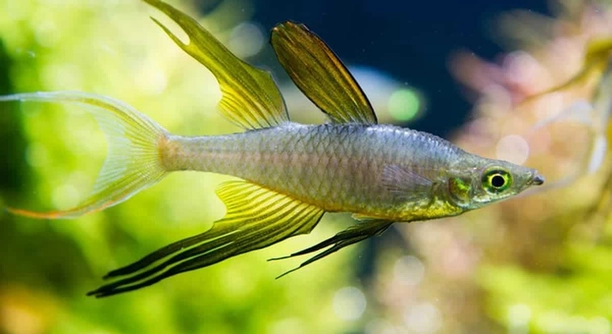
Do you ever find yourself adjusting the aquarium lights, wondering if your threadfins are getting the right balance of brightness and rest? Proper lighting plays an important role in their comfort, health, and overall behavior.
The best times to turn off the lights for threadfins are during their natural resting periods, typically at night. Providing consistent light-dark cycles supports their circadian rhythm, reduces stress, and ensures healthier patterns of activity and feeding.
Learning the right times to keep the lights off can make your fish feel secure while also promoting a healthier and more natural environment.
When Night Falls
Threadfins thrive when their lighting mimics natural patterns, meaning they should experience bright days and dark nights. Keeping aquarium lights on continuously can disrupt their internal rhythm, making them restless and more prone to stress-related behaviors. A cycle of 10 to 12 hours of light followed by darkness is generally the most suitable. This rhythm allows them to rest, conserve energy, and maintain balanced feeding patterns. Just like humans, threadfins need downtime where their environment feels calm and peaceful. Switching off the lights at night helps them feel safe, reduces unnecessary activity, and creates a healthier aquatic atmosphere overall.
Turning off the lights at night also helps prevent unwanted algae growth in your tank. Algae thrives on extended light exposure, which can quickly affect water clarity and overall balance. Keeping lights off gives both your fish and your tank a chance to recover properly.
When lights are managed with care, threadfins display more natural behaviors, swim with less stress, and maintain stronger immune systems. Darkness is not only about rest but also about creating an environment closer to what they would experience in nature, which plays a big part in their long-term well-being.
Midday Rest Periods
Some aquarists use a short midday break where lights are switched off to mimic shaded conditions. This pause helps reduce stress and encourages more natural feeding and swimming habits. It also prevents overexposure to artificial brightness.
A midday dark period, lasting one to two hours, can benefit both your fish and your tank environment. Threadfins tend to feel more secure in subdued light, and this practice provides them a chance to settle without being overstimulated. By breaking up the lighting schedule, you allow for periods that resemble cloud cover in the wild. This helps the fish adapt more naturally while reducing the risk of fatigue caused by long stretches of constant brightness. For tanks with live plants, such short breaks also help balance photosynthesis while giving fish a calming interval. Thoughtfully planned rest periods bring a sense of balance that makes your aquarium healthier and more stable for your threadfins.
Early Morning Transitions
Threadfins benefit from a gentle start to their day. Turning the lights on gradually, or allowing natural room light first, helps reduce sudden stress. A soft transition encourages calmer swimming and better feeding response once the aquarium is fully illuminated.
Sudden bursts of light can make threadfins dart or hide, which puts unnecessary strain on their bodies. By providing a smoother adjustment, their stress levels remain low, and they adapt more comfortably. Using a dimmer, timer, or even just letting ambient light filter into the room before the main light switches on can make a noticeable difference. This practice not only protects your fish but also creates a more natural rhythm that encourages steady, relaxed activity during the day.
Early light transitions are also valuable for maintaining feeding consistency. Threadfins often rely on visual cues to recognize when it’s time to eat. A calm start to the day helps them become more receptive to food and prevents aggressive competition. Fish that begin the day without sudden disruptions are healthier, display better coloration, and tend to interact more harmoniously in shared spaces. Creating these steady routines makes their care easier and keeps the tank balanced over time.
Evening Calm
Threadfins need a clear signal that the active part of their day has ended. Dimming lights gradually in the evening allows them to settle, preparing for rest. It mirrors the fading sun and helps them adjust without panic or confusion.
Creating this calm evening setting also prevents late-night stress, especially in busy households where lights or noise may remain active outside the tank. Threadfins feel more secure when their environment darkens at a steady pace, reducing nervous movements and excessive energy use. This consistent evening pattern promotes stronger immune health and stable activity cycles. For tanks with plants, dimming lights also helps manage oxygen fluctuations while giving both fish and plants a natural pause. By managing evening light transitions with care, you set the stage for peaceful rest, which is just as important as the active hours of the day.
Breeding Conditions
Threadfins often breed more successfully when given dim or no light during specific times. Darkness provides them with a secure setting, reducing distractions and encouraging natural pairing behaviors that may not occur under constant bright conditions.
Turning lights off also protects delicate eggs and fry. Bright light can make adult fish more restless, sometimes leading to stress that disrupts breeding success. A darker, quieter environment encourages stable conditions that support both spawning and early development.
Stress Reduction
Extended exposure to light can raise stress levels in threadfins, leading to weakened immune systems and irregular behaviors. Providing regular dark periods allows them to feel secure, keeping their energy balanced and reducing signs of anxiety in the aquarium.
Recovery Times
After health treatments or transport, threadfins recover more effectively in dim or dark settings. Darkness reduces overstimulation, allowing their bodies to conserve energy and focus on regaining strength without added stress from constant lighting.
FAQ
How many hours of light do threadfins need each day?
Threadfins do best with 10 to 12 hours of light followed by consistent darkness. This schedule mirrors natural conditions and keeps them balanced. Too much light can stress them, while too little may affect their activity and feeding routines.
Can leaving the lights on overnight harm threadfins?
Yes, leaving lights on overnight disrupts their rest and weakens their immune system over time. Threadfins rely on dark periods to reset their internal rhythm. Without it, they may become restless, stressed, and more prone to illness.
Do threadfins need total darkness at night?
They do not require complete darkness, but a darkened environment is important. If your room has some indirect light, that is usually fine. Avoid direct brightness near the tank at night, as it can disturb their natural resting state.
Should I use a timer for the lights?
Using a timer is one of the easiest ways to keep lighting consistent. It removes the guesswork and ensures your threadfins get the same schedule every day. Timers help prevent accidental overexposure to light or long periods of darkness.
Is it okay to turn the lights off during the day?
Yes, short midday breaks can benefit threadfins. A pause of one to two hours mimics natural cloud cover, giving them time to settle. This helps prevent stress and reduces the impact of constant brightness on their environment.
How do lighting changes affect breeding behavior?
Threadfins breed more comfortably in dim or dark conditions. Bright light often distracts them or makes them restless. By lowering the lights during breeding, you encourage natural behaviors, which makes pairing and spawning more successful in a controlled environment.
Can too much light cause algae growth?
Yes, algae thrives under prolonged exposure to light. Turning off your aquarium lights at proper times helps prevent algae from spreading. Keeping a balanced light schedule benefits both the fish and the overall health of the aquarium.
Do live plants in the tank affect lighting schedules?
Yes, live plants require light for photosynthesis, but they also benefit from rest periods. A balanced cycle of light and darkness supports plant growth without overexposing the fish. This harmony helps maintain water quality and tank stability overall.
What should I do after transporting threadfins?
Threadfins often become stressed after transport, so keeping lights dim or off helps them recover. Darkness allows them to relax and regain energy without extra stimulation. Once they settle, you can return to a normal light cycle gradually.
Are threadfins sensitive to sudden lighting changes?
Yes, sudden bursts of brightness can startle them. It is better to let natural room light come in before switching on the aquarium lights. Gradual transitions help them feel safer, swim more calmly, and respond better during feeding times.
Do young threadfins need a different lighting schedule?
Young threadfins follow the same cycle of light and dark. However, keeping their environment calmer with softer light transitions helps them grow with less stress. Consistency is important to ensure healthy development and stronger survival rates in young fish.
How does lighting affect feeding habits?
Threadfins depend on visual cues to know when to feed. A steady lighting schedule helps them recognize feeding times more easily. When light changes are predictable, they eat calmly and are less likely to compete aggressively for food.
Can threadfins adapt to irregular lighting patterns?
They can adapt to some irregularity, but it is not ideal. Inconsistent schedules raise stress levels and confuse their activity patterns. A reliable cycle creates a healthier routine, ensuring the fish remain active during the day and restful at night.
Do threadfins prefer brighter or softer lighting?
Threadfins are more comfortable with moderate lighting. Bright, harsh lights can overwhelm them, while softer or diffused light encourages relaxed swimming. Striking a balance prevents stress while still keeping the tank visible and suitable for any live plants inside.
Is moonlight or night lighting useful for threadfins?
Moonlight-style lighting can be used if kept very dim. It should not replace full darkness but can create a calming atmosphere. This gentle light is mainly for viewing purposes and should not disrupt their natural rest cycle.
Final Thoughts
Caring for threadfins goes beyond feeding and maintaining clean water; lighting plays an important role in their overall health and comfort. Just like in nature, they depend on regular cycles of light and darkness to stay balanced. A well-planned schedule helps them feel secure, reduces unnecessary stress, and allows them to develop natural routines. Ignoring this part of their care may lead to health issues, irregular behaviors, or even difficulties with breeding. By giving them predictable patterns, you create an environment where they can thrive, swim peacefully, and show their best colors. Lighting is not just about seeing your fish clearly; it is about respecting their natural needs and helping them feel at home.
Consistency is the key factor that supports threadfins in adapting to aquarium life. Sudden changes in brightness or irregular schedules can disrupt their rhythm, leading to stress or weakened immunity. Using timers, dimmers, or simply creating a routine you can follow every day ensures your fish get the right balance. Threadfins rest better when the lights go off at the same times each day, and they become more active during predictable daylight hours. Adding short breaks in lighting can mimic natural patterns, creating shade-like pauses that comfort them. These small actions not only keep your fish calm but also improve the overall health of the tank, reducing algae growth and balancing the environment for any plants you may keep. Stability in lighting creates stability in behavior, which results in healthier and longer-living fish.
Lighting is often overlooked when people think about fish care, but it can make a lasting difference for threadfins. Whether it is creating soft transitions in the morning, ensuring darkness at night, or providing dim conditions for breeding, every choice affects their well-being. Threadfins are delicate and sensitive, yet with proper attention, they reward you with graceful swimming, vibrant colors, and natural activity that is enjoyable to watch. Managing lights with thoughtfulness is not complicated, but it requires consistency and care. When you give them a routine that respects both their needs and the natural rhythms they would experience outside an aquarium, you are building a healthier space where they can live comfortably. In the end, thoughtful lighting not only benefits your fish but also makes your aquarium more balanced, stable, and beautiful to observe every single day.

Hello,
If you enjoy the content that we create, please consider saying a "Thank You!" by leaving a tip.
Every little bit helps us continue crafting quality advice that supports the health, happiness, and well-being of pets around the world, for pets of all shapes, sizes, and species.
We really appreciate the kindness and support that you show us!