
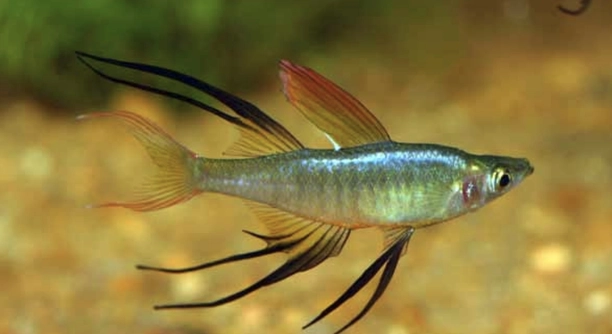
Nervous threadfin are sensitive fish that react strongly to sudden changes in their environment. Their behavior can become erratic, making it important for owners to understand how light affects their comfort and well-being in an aquarium setting.
Reducing light at specific times helps nervous threadfin maintain calm and reduces stress. Lowering illumination during feeding, nighttime, water changes, cleaning, medication, seasonal changes, and high-activity periods creates a stable environment that supports natural behavior and overall health.
Learning when to adjust lighting can improve your fish’s behavior and health, making it easier to care for them responsibly in your home aquarium.
Feeding Time
During feeding time, nervous threadfin can become overwhelmed by bright lights. Excessive illumination can make them scatter or hide, preventing proper feeding. Reducing light helps them feel safer and more secure, encouraging normal eating behavior. Dim lighting allows them to focus on the food without stress, supporting growth and overall health. Observing their response to feeding under lower light can help you fine-tune your aquarium setup, ensuring they remain comfortable. Using a gentle, diffused light source during this time is ideal. Additionally, spacing feedings appropriately and avoiding sudden changes in illumination minimizes stress. Threadfin are naturally cautious, so creating a calm environment during meals is essential. Small adjustments, like turning off overhead lights or using a shaded area in the tank, can make a noticeable difference. This approach not only improves feeding success but also strengthens their trust in their environment. By making light changes gradual, you maintain a consistent routine that promotes well-being over time.
Dimmed lights during feeding help nervous threadfin feel secure and eat properly without stress.
Consistency in light levels and meal timing is crucial. Over time, your fish will adapt to the calmer environment, showing steadier behavior and healthier growth patterns. Creating a feeding routine with controlled light reduces sudden stress reactions and helps maintain a balanced tank ecosystem. Observing them closely allows you to notice small signs of distress or comfort, which is useful for long-term care. Small environmental adjustments, such as partial tank shading or timed lighting changes, can make feeding less intimidating. Avoiding abrupt lighting shifts ensures that nervous threadfin do not associate food with stress, which could otherwise disrupt their eating habits. With patience and observation, feeding under lower light conditions becomes natural for both you and the fish. Over several weeks, their response will improve, leading to a calmer, more predictable environment where they thrive without constant monitoring.
Nighttime
Nervous threadfin are sensitive to nighttime lighting. Bright lights disrupt their natural rest patterns, leading to stress and fatigue.
Turning off or dimming lights during the night encourages natural sleep. Threadfin rely on darkness to feel safe and recover energy. Consistent nighttime darkness helps maintain healthy circadian rhythms.
A proper nighttime routine is essential for their health. Keeping the tank dark or using a low-intensity moonlight setup provides security and reduces anxiety. Sudden exposure to light during nighttime can trigger panic responses, causing them to swim frantically or hide excessively. By gradually reducing light before their resting period, you create a gentle transition that mimics natural conditions. Maintaining predictable darkness also supports feeding and activity patterns during the day, as well-rested fish are more responsive and less prone to stress-induced illnesses. Using a timer or dimming system can automate this process, ensuring consistency even when you are not present. Observing how threadfin react over several nights helps fine-tune the light schedule. Over time, they will learn that nighttime is calm and safe, improving overall behavior and long-term well-being in the aquarium.
Water Changes
Water changes can be stressful for nervous threadfin if the lighting is too bright. Dimming the lights during these times helps reduce sudden stress and allows them to stay calmer while you refresh their environment.
Performing water changes under lower light prevents panic responses. Nervous threadfin are sensitive to sudden movement and glare from tank equipment. By keeping the illumination soft, you create a less intimidating environment that allows them to adjust gradually. Preparing water at the correct temperature and using gentle flow further minimizes stress. Observing their behavior during this process ensures they remain comfortable, and small adjustments, such as partially covering the tank or using a shaded area, can help. Reducing visual stimuli during water changes helps maintain feeding and swimming routines, which are often disrupted by stressful handling. Consistent care under controlled lighting promotes overall health and reduces the risk of sudden illness.
Maintaining a calm environment during water changes is essential. Low lighting combined with careful handling reduces stress and supports natural behavior, making these routine tasks safer for nervous threadfin.
Properly timed and executed water changes improve overall tank health. Using dimmed lights prevents startling reactions and supports their natural behavior. Gradually introducing fresh water while minimizing turbulence ensures they continue swimming normally. Sudden bright lights can cause hiding, erratic movements, or refusal to feed afterward. Threadfin respond better to gentle routines, and predictable lighting makes these transitions smoother. Monitoring their reaction during changes helps you fine-tune the method, keeping stress levels low. Over time, nervous threadfin adapt to routine maintenance without panic, creating a stable environment that benefits their long-term well-being.
Medication Periods
Bright lights can increase stress during medication periods. Reducing illumination helps threadfin remain calm while their immune system works to recover.
Administering medication under softer light reduces panic and erratic swimming, allowing fish to respond better to treatment. Timing doses with controlled light ensures they remain in a stable environment and supports recovery.
Providing a quiet, dimly lit space during medication minimizes stress responses. Threadfin exposed to harsh lighting while being medicated may display hiding, rapid swimming, or reduced appetite. Keeping the tank calm and visually less stimulating improves absorption of treatment and maintains routine behavior. Gradually adjusting light levels before and after medication sessions prevents sudden anxiety, making them more receptive to care. Observing their behavior during treatment can indicate how well they are coping, allowing timely adjustments. Over repeated treatments, maintaining a consistent lighting strategy ensures nervous threadfin remain comfortable and healthy throughout recovery periods.
Cleaning the Tank
Cleaning can be stressful for nervous threadfin if the lighting is too bright. Dimming the lights helps them feel secure while you remove debris or scrub surfaces.
Low lighting during cleaning reduces panic and erratic swimming. It allows threadfin to stay calmer while the tank is being maintained, supporting overall well-being.
Seasonal Changes
Adjusting light during seasonal changes helps nervous threadfin adapt. Bright or sudden shifts in daylight can increase stress and disrupt normal behavior.
Providing a consistent lighting schedule during seasonal transitions allows threadfin to acclimate naturally. Gradually increasing or decreasing light mimics natural changes, helping them maintain regular swimming, feeding, and resting patterns. Observing their behavior during these periods ensures they remain comfortable.
High-Activity Periods
During periods of high activity in the aquarium, bright light can overstimulate threadfin. Reducing illumination helps them remain calm and reduces stress responses.
FAQ
How do I know if my nervous threadfin is stressed by light?
Signs of stress from bright lighting include frantic swimming, hiding, loss of appetite, and clamped fins. Threadfin may also stay in corners or under decorations to avoid exposure. Observing their normal behavior under dim light helps identify what level of illumination keeps them calm. Adjusting the brightness gradually allows you to see how they react without causing further stress. Keeping track of these behaviors over several days provides a clear pattern. Reducing light during sensitive times, such as feeding or cleaning, can minimize these stress responses and improve overall health.
Can too little light be harmful to nervous threadfin?
Yes, while dim lighting reduces stress, excessively low light for long periods may affect their feeding and activity. Threadfin rely on moderate light to locate food and interact with their environment. Maintaining a balance is key: provide enough light for visibility and natural behavior, but avoid sudden bright illumination. Using adjustable lighting or timers can help create a consistent environment. Monitoring their appetite and movement ensures the lighting levels are appropriate. Gradual changes in intensity, rather than abrupt shifts, support their well-being. Observing their comfort under different light levels allows you to find the optimal range for calm behavior.
How long should I keep lights dimmed during stressful events?
Light should be reduced during feeding, nighttime, water changes, cleaning, medication, seasonal transitions, or high-activity periods. Typically, dim lighting should be maintained only for the duration of the stressful event, plus a short adjustment period before and after. This helps threadfin acclimate without feeling trapped in darkness. Overuse of dim lighting may disrupt their natural cycles, so timing is essential. Gradually returning to normal illumination prevents sudden stress. Using a consistent schedule also allows the fish to anticipate calmer periods, making maintenance and feeding less disruptive. Keeping track of how they respond helps refine the timing for each event.
Is it okay to use decorations or plants to reduce light?
Yes, decorations and floating plants are effective ways to soften light naturally. They create shaded areas that nervous threadfin can retreat to during stressful periods. Positioning these strategically allows the fish to feel secure without dimming the entire tank. Plants also contribute to water quality and provide visual barriers that reduce anxiety. Observing how they use shaded spots can help you determine if more coverage is needed. Combining natural shade with dimmed lights during feeding or cleaning ensures comfort. These elements mimic their natural environment, which is essential for maintaining calm and healthy behavior over time.
Will reducing light affect the behavior of other fish in the tank?
It can, depending on species. Some fish need higher light levels for feeding or activity. Using partial shading, dimmable lights, or targeted dimming during sensitive periods allows nervous threadfin to remain calm while other fish maintain normal behavior. Gradual changes and observation help prevent stress in the entire tank. Finding the right balance ensures all fish thrive. Certain species may become more active under dim light, while others may slow down. Monitoring behavior allows you to adjust lighting without negatively affecting the tank ecosystem. Providing multiple zones of light intensity benefits all fish.
Can sudden changes in light make nervous threadfin sick?
Yes, abrupt bright lights can trigger panic and stress, weakening their immune system and making them more susceptible to disease. Gradual transitions in lighting help maintain normal behavior and reduce stress. Using timers or dimmable lights can prevent sudden exposure. Consistency is key to keeping them healthy. Stress from sudden illumination may also cause temporary appetite loss or erratic swimming. Observing them after any lighting change ensures they recover quickly. A stable lighting environment combined with careful maintenance and proper feeding supports their long-term health.
How often should I monitor their response to light changes?
Daily observation is recommended, especially after adjusting lighting during feeding, cleaning, or nighttime. Watch for hiding, frantic swimming, or loss of appetite. Keeping a simple log of their reactions helps track patterns and ensures that dimming or brightening is beneficial rather than stressful. Adjust gradually and note improvements. Over time, the fish will show more predictable behavior under controlled light, making maintenance easier. Monitoring also allows you to identify early signs of illness or stress, giving you time to intervene. Consistent observation strengthens your understanding of their needs.
Are timers necessary for managing light for nervous threadfin?
Timers are highly useful for creating predictable light patterns. Consistent cycles help threadfin feel secure, reducing stress from sudden changes. Timers can manage feeding periods, nighttime darkness, and dimmed lighting during maintenance. They reduce human error and make the tank environment more reliable. Using timers ensures the light schedule aligns with natural rhythms, supporting healthy behavior. Over time, the fish will anticipate calmer periods and adapt to a stable routine. Timers also allow for automated adjustments during seasonal changes or high-activity events, maintaining a consistent environment that promotes well-being.
Final Thoughts
Caring for nervous threadfin requires attention to their environment, especially lighting. These fish are naturally sensitive and can react strongly to bright or sudden changes in light. Maintaining consistent lighting patterns and reducing brightness during stressful moments helps them feel safe and secure. By observing their behavior closely, you can identify the times when dimming the light is most beneficial, such as during feeding, cleaning, medication, or nighttime. Small adjustments can have a significant impact on their comfort and health, and gradually introducing changes prevents panic or erratic movements. Over time, these consistent routines create a stable environment where threadfin can thrive.
Creating shaded areas in the aquarium with decorations or floating plants further supports a calming environment. These areas act as retreats, giving the fish space to escape from stress without completely turning off the light. Balancing light intensity is important, as too little light can interfere with feeding and activity, while too much can trigger stress responses. Using dimmable lights or timers allows precise control over lighting schedules, making it easier to maintain optimal conditions. Observing how threadfin use shaded areas can help you adjust placement and light levels. Combining these strategies ensures a consistent, comfortable environment that meets both the fish’s natural needs and the practical needs of maintaining a healthy aquarium.
Regular observation and gradual adjustments are essential for long-term success. Nervous threadfin respond well to predictable routines, so keeping feeding, cleaning, and maintenance schedules consistent is as important as controlling light. Over time, they adapt to these patterns and display calmer, more natural behavior. Monitoring their responses to lighting changes allows you to refine your approach, ensuring the tank environment continues to support their health and well-being. Patience and attention to detail are key, as even small changes in light or routine can influence their stress levels. By maintaining stable conditions and prioritizing the comfort of nervous threadfin, you create an aquarium where they can grow, feed, and swim confidently. With thoughtful care, lighting adjustments become a simple yet effective tool in promoting the overall health of these sensitive fish.

Hello,
If you enjoy the content that we create, please consider saying a "Thank You!" by leaving a tip.
Every little bit helps us continue crafting quality advice that supports the health, happiness, and well-being of pets around the world, for pets of all shapes, sizes, and species.
We really appreciate the kindness and support that you show us!