
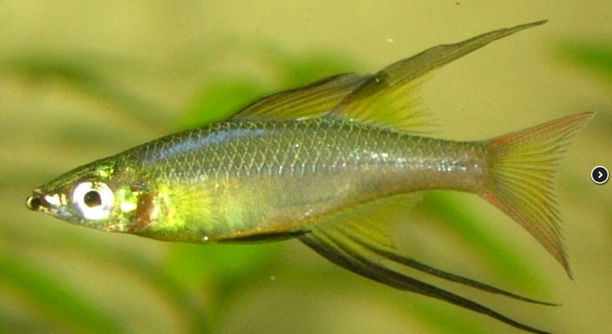
Tank setups can make a significant difference in the happiness of threadfin rainbowfish. Many hobbyists notice that these fish thrive in environments that closely resemble their natural habitats and provide a sense of security.
Threadfin rainbowfish show the greatest preference for tanks that offer abundant swimming space, stable water parameters, moderate lighting, varied plant cover, gentle water flow, compatible tank mates, and consistent feeding routines. Each feature contributes to their overall well-being and behavioral expression.
Proper attention to these tank features ensures a lively, healthy environment, making it easier for threadfin rainbowfish to flourish and display their natural beauty.
Spacious Swimming Areas
Threadfin rainbowfish are active swimmers that need plenty of open space. A tank that is too small can stress them and limit their natural behaviors. Ideally, a long, rectangular tank provides room for continuous swimming and schooling. Providing at least 30 gallons for a small group helps maintain their health. Vertical decorations, such as tall plants or rocks, are less important than horizontal space. Open areas allow these fish to explore freely and reduce aggression caused by overcrowding. It is also easier to maintain clean water in a larger tank, which directly benefits their immune system and longevity. Observing them in a spacious tank highlights their shimmering colors and lively movement. This environment encourages natural feeding behavior and social interaction. Careful planning of tank layout ensures they remain active and avoid hiding excessively. Over time, a well-spaced tank enhances both their physical health and mental stimulation, creating a more harmonious aquarium experience.
Providing ample swimming space reduces stress and improves activity levels, which is essential for vibrant, healthy threadfin rainbowfish.
A large tank allows multiple rainbowfish to swim together harmoniously. It prevents dominance disputes and encourages schooling behavior, showing their natural movement patterns.
Stable Water Conditions
Threadfin rainbowfish thrive in stable water conditions with consistent temperature and pH levels.
Maintaining 75–82°F and a pH of 6.5–7.5 keeps them comfortable. Sudden fluctuations can lead to illness or lethargy. Regular water testing and partial water changes help prevent stress and maintain balance.
Stability in water parameters is essential for their overall health and coloration. These fish are sensitive to abrupt changes, and even minor inconsistencies can impact their immune system and feeding habits. Using a reliable heater ensures the temperature remains steady, while a quality filtration system removes toxins and waste. Avoid over-cleaning the tank, as beneficial bacteria play a key role in keeping water conditions optimal. When new fish or plants are introduced, acclimating them slowly reduces the risk of shock. Keeping water soft to moderately hard replicates their natural environment and supports breeding behaviors. In addition, removing uneaten food quickly prevents ammonia spikes, which can harm their gills. Consistently monitoring the water ensures threadfin rainbowfish remain healthy, active, and display their vibrant colors for years to come.
Moderate Lighting
Threadfin rainbowfish do best with moderate lighting that mimics natural daylight. Too bright lighting can stress them, while dim lighting may dull their colors. Balance is key to maintain activity and visibility.
Moderate lighting encourages natural behavior and enhances their coloration. It also supports plant growth, which provides hiding spots and improves water quality. Avoid placing the tank in direct sunlight, as this can lead to temperature fluctuations and algae growth. Using a timer helps maintain a consistent day-night cycle, which reduces stress. LED or fluorescent lights with adjustable intensity allow control over brightness, making it easier to create a stable environment. Light levels should be enough to highlight their shiny scales without causing discomfort.
Providing balanced lighting ensures the fish remain active and visually vibrant. It supports both plant health and the overall harmony of the tank ecosystem.
Varied Plant Cover
Threadfin rainbowfish appreciate tanks with varied plant cover for shelter and exploration. Live plants help reduce stress and simulate natural habitats.
Dense planting provides hiding spaces for shy individuals, while open areas allow free swimming. Tall background plants, floating species, and mid-level bushy plants create depth and interest. Plants also help absorb excess nutrients, maintaining water clarity and reducing algae growth. Rooted plants and soft-leaved species are preferable to avoid fin damage. Carefully arranging plants encourages natural schooling patterns and creates areas for territorial behavior without conflict. Floating plants offer shade, reducing stress from bright lights. Plant diversity contributes to a dynamic, healthy tank environment. They also provide surfaces for microorganisms, supporting natural feeding behaviors. Overall, varied plant cover boosts the fish’s comfort, activity levels, and coloration, making them more lively and confident in the aquarium.
Gentle Water Flow
Threadfin rainbowfish prefer gentle water currents. Strong flow can exhaust them and stress their fins. A calm filter output or adjustable flow ensures they can swim naturally without struggling.
Gentle water movement supports oxygenation and reduces stagnant areas. It also helps distribute food evenly, preventing competition and ensuring all fish receive nutrition.
Compatible Tank Mates
Choosing peaceful tank mates prevents aggression and stress. Avoid large, aggressive species that may bully or outcompete rainbowfish for food.
Small schooling fish, such as tetras or rasboras, coexist well. Snails and shrimps can also add diversity without conflict, keeping the aquarium balanced.
Consistent Feeding Routine
Threadfin rainbowfish respond well to regular feeding schedules. Feed them small portions multiple times daily to maintain health and energy.
A balanced diet of high-quality flakes, pellets, and occasional live or frozen foods enhances color and supports growth. Avoid overfeeding, as leftover food can pollute the tank and affect water quality.
FAQ
What tank size is ideal for threadfin rainbowfish?
A minimum of 30 gallons is recommended for a small group of threadfin rainbowfish. They are active swimmers and need horizontal space more than height. Larger tanks help reduce stress, allow schooling behavior, and make it easier to maintain stable water conditions.
How many threadfin rainbowfish should I keep together?
These fish do best in groups of at least six. Small groups can lead to shy or stressed individuals. Larger schools encourage natural social behavior, reduce aggression, and display their shimmering colors more effectively.
What water parameters suit threadfin rainbowfish best?
They prefer a temperature range of 75–82°F and a pH between 6.5–7.5. Soft to moderately hard water works well. Stable water conditions are crucial, as sudden changes can lead to illness or lethargy. Regular testing and partial water changes help maintain balance.
Can I keep them with other fish?
Yes, peaceful, small schooling fish like tetras or rasboras are good companions. Avoid large, aggressive species that may bully or compete for food. Invertebrates like snails or shrimp are compatible and add interest without conflict.
What do threadfin rainbowfish eat?
They thrive on a varied diet of high-quality flakes, pellets, and occasional live or frozen foods such as brine shrimp or daphnia. Feeding small portions multiple times a day supports growth, health, and coloration. Avoid overfeeding, as leftover food can degrade water quality.
How important is tank decoration for them?
Moderate plant cover is essential for hiding spots and shelter, while open areas allow free swimming. Tall plants, bushy mid-level plants, and floating species create depth. A mix of plants supports natural schooling patterns, reduces stress, and provides surfaces for microorganisms they can nibble on.
Do threadfin rainbowfish require special lighting?
Moderate lighting is best. Bright lighting may stress them, while too dim lighting can dull their colors. Use adjustable LEDs or fluorescent lights and a timer to maintain a consistent day-night cycle, highlighting their natural shimmer without causing discomfort.
How often should I clean the tank?
Regular partial water changes of 20–30% weekly help maintain stable water parameters. Avoid over-cleaning decorations or substrate, as beneficial bacteria are essential for biological filtration. Remove uneaten food promptly to prevent ammonia spikes and maintain water clarity.
Are threadfin rainbowfish prone to diseases?
They are generally hardy with proper care. Most health issues arise from poor water quality, sudden temperature shifts, or overcrowding. Maintaining stable water parameters, a clean tank, and a balanced diet reduces the risk of illness. Quarantine new fish before adding them to the main tank.
How do I encourage breeding in threadfin rainbowfish?
Provide a spacious tank with plenty of plants and stable water conditions. Slightly cooler water during breeding can trigger spawning. Feed them high-quality live foods to boost health and vitality. Remove adults after eggs are laid to protect fry, which can be raised in a separate nursery tank.
What is the lifespan of threadfin rainbowfish?
With proper care, they typically live 5–8 years. Consistent water quality, a balanced diet, and a suitable tank environment contribute to longevity. Observing their behavior and coloration can help indicate overall health and well-being.
How can I reduce stress in my fish?
Providing adequate swimming space, plant cover, gentle water flow, and compatible tank mates reduces stress. Avoid sudden changes in water parameters or lighting. Regular routines for feeding and maintenance help create a predictable, stable environment.
Are floating plants necessary?
Floating plants are not required but are beneficial. They provide shaded areas, reduce light intensity, and create a sense of security. They also help absorb excess nutrients, improving water quality and supporting overall tank health.
Can they tolerate other water types?
Threadfin rainbowfish prefer soft to moderately hard water. Extreme hardness or highly acidic water can stress them. Gradual acclimation is important if transferring from a different water type to avoid shock.
Is tank maintenance difficult for threadfin rainbowfish?
Maintaining their tank is straightforward with regular water testing, partial water changes, and monitoring feeding. They require a stable, clean environment but do not need overly complex setups. Keeping water parameters consistent and avoiding overstocking ensures a thriving aquarium.
How do I know my fish are healthy?
Healthy threadfin rainbowfish are active, swim in groups, and display bright, shimmering colors. They feed eagerly and explore their environment. Lethargy, loss of color, or clamped fins may indicate stress, poor water quality, or illness. Monitoring behavior regularly helps catch problems early.
Can I keep them in a planted tank only?
Yes, a fully planted tank works well. Dense vegetation provides hiding spots, supports natural feeding behaviors, and maintains water quality. Open swimming areas should still be available, as these fish are active and need room to move.
What temperature fluctuations are safe?
Minor changes of 1–2°F are generally tolerated, but large, sudden fluctuations can stress fish and lead to illness. Using a reliable heater and monitoring water temperature ensures stability. Avoid placing the tank near drafts or direct sunlight.
Do they require aeration?
Moderate aeration is helpful but not always necessary if water movement from the filter is sufficient. Gentle oxygenation supports metabolic activity and prevents stagnant areas, especially in heavily planted tanks.
How often should I feed them live foods?
Offering live or frozen foods 2–3 times per week boosts color and health. They should complement flakes or pellets, not replace them entirely. Live foods encourage natural hunting behaviors and provide essential nutrients.
Can they tolerate a community tank?
Yes, as long as tank mates are peaceful and similarly sized. Avoid aggressive or fin-nipping species. Threadfin rainbowfish thrive with other small schooling fish and invertebrates that do not compete aggressively for resources.
How do I acclimate new fish?
Float the bag in the tank for 15–20 minutes to equalize temperature. Gradually add tank water over 30–60 minutes before release. Slow acclimation reduces stress and risk of shock, ensuring a smoother transition.
What signs indicate water quality issues?
Cloudy water, algae blooms, and fish gasping at the surface are common signs. Regular testing of ammonia, nitrite, nitrate, and pH helps catch issues before they impact fish health. Prompt action is essential to prevent illness.
How do I encourage natural behavior?
Provide open swimming areas, varied plant cover, gentle flow, and a consistent feeding schedule. Observing schooling, exploring, and feeding patterns indicates comfort and a well-adjusted environment. Enrichment through plants and subtle decorations supports natural activity.
Are there any seasonal care changes?
Indoor tanks typically maintain consistent conditions year-round. In areas with fluctuating room temperatures, monitor water carefully in summer and winter. Adjust heater settings or use fans to prevent stress from temperature swings.
Do threadfin rainbowfish prefer soft or hard substrate?
Soft substrates like sand or fine gravel are preferable. They prevent fin damage and allow plants to root easily. Rough substrates may cause injury and reduce comfort, impacting natural behaviors and feeding patterns.
How long does it take for them to adjust to a new tank?
Adjustment usually takes 1–2 weeks. During this time, they may hide more and be less active. Consistent feeding, gentle lighting, and stable water conditions help them acclimate faster and reduce stress.
Can they live with goldfish or cichlids?
No, goldfish and most cichlids are incompatible due to size, aggression, and temperature requirements. Threadfin rainbowfish thrive with peaceful, small schooling fish rather than larger or territorial species.
Is frequent monitoring necessary?
Yes, regular observation of behavior, coloration, and water quality is important. Early detection of stress or illness allows for prompt correction and ensures long-term health and vibrancy of the fish.
How do I enhance their coloration naturally?
A varied diet with live or frozen foods, stable water conditions, and moderate lighting helps them display bright, shimmering colors. Avoid stressors like overcrowding or sudden water changes, as these dull coloration.
Can juveniles be kept with adults?
Yes, if there is enough space and hiding spots. Juveniles may need extra care to avoid being outcompeted for food. Gradual introduction helps maintain harmony within the group.
Are they sensitive to pH changes?
Yes, sudden pH shifts can cause stress or illness. Maintain a stable pH of 6.5–7.5 and monitor regularly. Small, gradual adjustments are safer when necessary.
Do they need special lighting for breeding?
Normal moderate lighting is sufficient. Bright light is not required. Stable day-night cycles and healthy plant cover create a comfortable environment for spawning.
How often should plants be trimmed?
Trim as needed to prevent overgrowth and maintain open swimming space. Healthy plants support water quality and offer hiding spots without crowding the tank.
Can I use tap water directly for their tank?
Tap water must be treated with a dechlorinator and tested for hardness, pH, and temperature. Untreated water can harm fish and disrupt biological balance.
What is the best way to transport them?
Use a well-secured bag with adequate water and oxygen. Minimize handling and maintain stable temperature. Gradually acclimate them to the new tank upon arrival.
How do I prevent fin damage?
Avoid sharp decorations and rough substrates. Soft plants and smooth surfaces allow safe swimming. Compatible tank mates reduce stress and minimize aggressive nipping.
Is quarantine necessary for new fish?
Yes, quarantining for 2–3 weeks helps prevent disease introduction. Monitor health, behavior, and appearance before adding them to the main tank.
Do they prefer dim or bright backgrounds?
Neutral or slightly darker backgrounds enhance their colors and reduce stress. Bright backgrounds may make them more skittish, while darker ones provide comfort and highlight shimmering scales.
How much water flow is optimal?
Gentle flow from a filter or sponge output is sufficient. Avoid strong currents that force them to struggle, as they prefer calm, evenly moving water.
Are they sensitive to noise or vibrations?
Yes, excessive vibrations or loud noises can stress them. Place the tank in a quiet, stable location to maintain comfort and natural behavior.
What is the best feeding schedule?
Two to three small feedings per day keep them healthy and active. Multiple feedings prevent overfeeding and mimic natural foraging habits.
Can they tolerate slightly cooler water?
Minor drops of 1–2°F are usually tolerated, but sustained cooler temperatures can slow metabolism and affect immune function. Maintain the recommended 75–82°F range.
Do they need supplementary vitamins?
A varied diet with high-quality flakes, pellets, and occasional live foods typically provides sufficient nutrients. Supplementation is rarely necessary unless deficiencies appear.
Are they sensitive to light cycles?
Yes, maintaining a consistent day-night cycle reduces stress. Using a timer ensures predictable lighting that supports activity, feeding, and coloration.
How do I handle illness?
Identify symptoms early, such as lethargy, color loss, or clamped fins. Adjust water quality, isolate affected fish, and consider targeted treatment if necessary. Preventive care is most effective.
Can juveniles eat the same food as adults?
Yes, but they may require smaller particle sizes to ensure proper intake. Gradually transition them to adult flakes or pellets as they grow.
Is a lid necessary for their tank?
Yes, a secure lid prevents jumping, which can cause injury or death. Threadfin rainbowfish are active swimmers and may leap when startled.
Do they interact with their reflections?
Some may briefly display curiosity or territorial behavior toward reflections, but this is generally harmless and temporary. Avoid placing mirrors for extended periods.
Can they tolerate slightly brackish water?
They prefer freshwater environments. Occasional very mild brackish conditions may be tolerated, but prolonged exposure can stress or harm them.
How do I maintain stable nitrate levels?
Regular partial water changes, controlled feeding, and live plants help manage nitrate buildup. High nitrate levels can reduce immunity and affect coloration.
Are they suitable for beginner aquariums?
Yes, provided tank size, water stability, diet, and compatible tank mates are carefully managed. They are hardy but benefit from attentive, consistent care.
Can they tolerate low oxygen levels?
No, they require well-oxygenated water. Adequate surface agitation, gentle filtration, and plant coverage support oxygen levels and overall health.
Do they need any special minerals?
Soft to moderately hard water provides sufficient minerals. Avoid extreme hardness or completely softened water, which may affect health and coloration.
How long should acclimation take after water changes?
Minor water changes do not require acclimation. Major changes or introducing new water should be gradual over 30–60 minutes to prevent stress.
Are they prone to fin rot?
Fin rot is usually caused by poor water quality or injury. Maintaining clean water, gentle flow, and compatible tank mates prevents the condition.
Can they live in unplanted tanks?
Yes, but live plants improve comfort, shelter, and water quality. Open spaces should remain to allow natural swimming behavior.
Do they require specialized diets for coloration?
A varied diet with quality flakes, pellets, and occasional live or frozen foods is sufficient. Proper lighting and stable conditions also enhance coloration naturally.
How do I introduce new plants?
Rinse and inspect plants before adding. Introduce gradually to prevent chemical shock, and monitor water parameters as decomposition begins.
Is constant observation necessary?
Regular monitoring of behavior, feeding, and water quality helps maintain health. Observation allows early intervention for stress or illness.
Can they tolerate coarser gravel?
Coarser gravel may be tolerated but can damage fins. Soft or fine substrates are preferred for safety and plant rooting.
Do they prefer single or mixed species tanks?
Mixed species tanks work well with peaceful companions. Avoid aggressive or large fish that may stress or outcompete them.
How often should filters be cleaned?
Rinse filter media monthly in tank water. Avoid over-cleaning to preserve beneficial bacteria essential for water quality and fish health.
What is the best way to boost immunity?
Stable water, a varied diet, low stress, and clean conditions naturally support their immune system. Avoid overcrowding and abrupt environmental changes.
Are they sensitive to chemical additives?
Yes, avoid harsh chemicals, strong medications, or untreated tap water. Use dechlorinators and tested treatments safe for tropical fish.
Do they need a dark period at night?
Yes, a consistent night period supports natural rhythms, reduces stress, and encourages rest. Timers help maintain regular light-dark cycles.
Can they tolerate minor water hardness fluctuations?
Small, gradual changes are generally tolerated, but sudden shifts can stress the fish. Maintain soft to moderately hard water consistently.
How do I know if they are stressed?
Signs include hiding, clamped fins, loss of appetite, or faded colors. Promptly check water quality, tank mates, and lighting to reduce stress factors.
Is aeration necessary for planted tanks?
Not always. Plants produce oxygen during light periods, but gentle water movement ensures even oxygen distribution, supporting fish health and preventing stagnant zones.
Do they interact with humans?
They are generally curious but not interactive in the way some fish are. They may observe movement near the tank but maintain distance naturally.
How do I prevent algae growth?
Control lighting, avoid overfeeding, maintain clean water, and use live plants to compete for nutrients. Regular maintenance prevents excessive buildup.
Can they tolerate cooler nights?
Minor drops are acceptable, but prolonged cooler water slows metabolism. Maintain recommended temperature ranges for optimal health and activity.
Are they compatible with shrimp or snails?
Yes, small invertebrates like shrimp or snails coexist well, adding diversity and helping maintain tank cleanliness without stressing the fish.
Do they need a particular substrate for breeding?
Plants or fine gravel are preferred. Open spaces are necessary for swimming, while rooted plants provide spawning surfaces for eggs.
How often should I trim floating plants?
Trim as needed to maintain light penetration and swimming space. Overgrowth can reduce light and limit movement, impacting fish activity.
Can they live in slightly cooler water long-term?
Extended exposure to cooler than recommended temperatures can weaken immunity, slow growth, and affect coloration. Keep within 75–82°F.
Is it necessary to rotate feeding foods?
Yes, rotating flakes, pellets, and occasional live or frozen foods ensures balanced nutrition, supports health, and enhances coloration.
Do they prefer a certain tank shape?
Long, rectangular tanks are ideal to provide horizontal swimming space. Height is less important than length for schooling behavior.
Can they tolerate slightly alkaline water?
Slightly alkaline water within pH 7–7.5 is acceptable. Avoid sudden shifts or extreme alkalinity to prevent stress and illness.
How do I reduce aggression in mixed tanks?
Provide ample swimming space, plant cover, and compatible tank mates. Avoid overcrowding and monitor behavior regularly to intervene if disputes arise.
Are they sensitive to water changes?
Gradual, consistent water changes are tolerated. Sudden, large changes in temperature, pH, or chemistry can stress them and increase disease risk.
Can they thrive in a nano tank?
Nano tanks are generally too small. Active swimming, schooling behavior, and stable water conditions are difficult to maintain in confined spaces.
How often should I feed juveniles?
Juveniles benefit from 2–3 small feedings daily to support rapid growth and healthy development. Adjust portion sizes as they grow.
Do they require hiding spots?
Yes, plants or decorations provide shelter. Hiding spots reduce stress, allow retreat when startled, and support natural behaviors.
How do I prevent fin nipping?
Keep compatible tank mates, provide open swimming space, and avoid sharp decorations. Dense planting reduces aggression and creates boundaries.
Can they tolerate minor salinity?
Minimal salinity may be tolerated temporarily, but freshwater is optimal. Long-term exposure to brackish conditions can stress them and affect health.
Do they prefer calm or moving water?
Calm, gently flowing water is preferred. Strong currents exhaust them and interfere with natural swimming and schooling behavior.
Are they sensitive to sudden light changes?
Yes, abrupt transitions can stress them. Gradual changes using timers or dimmable lighting create a stable, comfortable environment.
Can I keep them in a low-tech planted tank?
Yes, they adapt well to low-tech setups with stable water, adequate lighting, and careful plant selection. Avoid drastic environmental changes.
Do they require supplemental CO2?
No, supplemental CO2 is unnecessary. Moderate lighting and healthy plants provide sufficient oxygen and support plant growth without additional injection.
Final Thoughts
Threadfin rainbowfish are lively and visually striking fish that thrive in well-maintained aquariums. Their natural behavior and coloration are strongly influenced by the environment provided. Ensuring a spacious tank, stable water conditions, and gentle water flow are key factors in keeping them healthy. Proper attention to these basics reduces stress and supports natural activity. A balance between open swimming areas and plant cover allows them to exhibit normal schooling patterns while feeling secure. Consistent care over time encourages long-term health and vibrant colors, making them an enjoyable species to keep.
Feeding routines and diet also play a major role in their overall well-being. Offering a variety of flakes, pellets, and occasional live or frozen foods ensures that their nutritional needs are met. Small, frequent feedings prevent overfeeding and help maintain water quality. Over time, providing high-quality nutrition improves their coloration and supports growth, while reducing the risk of illness. Combining a stable feeding schedule with proper tank maintenance creates a consistent environment that minimizes stress and supports natural behavior. Regular monitoring of water parameters, including temperature, pH, and hardness, further contributes to their comfort and vitality.
Attention to tank mates, lighting, and decoration enhances both the health and the appearance of threadfin rainbowfish. Peaceful companions reduce conflict, while moderate lighting and carefully placed plants improve their sense of security and highlight their natural colors. Floating plants, tall background plants, and bushy mid-level species provide shelter and contribute to a stable ecosystem. Gentle water movement ensures proper oxygenation and evenly distributes food without creating stress. By considering all these elements together, aquarists can create an environment where threadfin rainbowfish thrive. Maintaining consistency, observing behavior, and adjusting care when needed will help them remain active, healthy, and vibrant for years.

Hello,
If you enjoy the content that we create, please consider saying a "Thank You!" by leaving a tip.
Every little bit helps us continue crafting quality advice that supports the health, happiness, and well-being of pets around the world, for pets of all shapes, sizes, and species.
We really appreciate the kindness and support that you show us!