
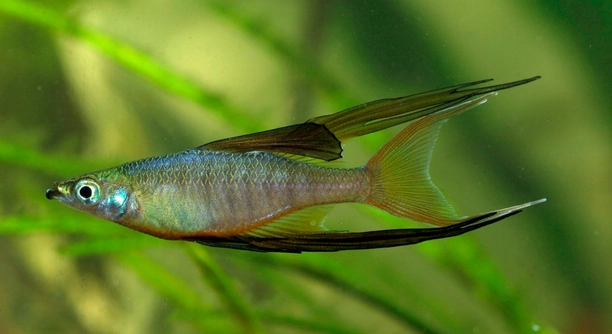
Do you ever notice your threadfins suddenly darting across the tank or river? These quick bursts of movement can seem alarming at first but are actually quite common among these fish species.
Threadfins often swim in sudden spurts due to a combination of environmental, biological, and behavioral factors. Changes in water temperature, oxygen levels, presence of predators, feeding routines, and stress can all trigger these rapid movements in otherwise calm fish.
Observing these behaviors closely can help you understand your threadfins’ needs and maintain a healthier, more stable environment for them.
Sudden Changes in Water Temperature
Threadfins are very sensitive to temperature fluctuations. A sudden drop or rise in water temperature can make them swim erratically. Even small changes from heaters, sun exposure, or nearby equipment can trigger these bursts. Maintaining a stable temperature is essential for their comfort and overall health. When water becomes too cold, their metabolism slows, making them more prone to sudden, frantic movements. Conversely, water that is too warm can increase their activity levels unnaturally, causing them to dart around quickly. Paying attention to seasonal variations and consistently monitoring the water temperature helps prevent stress-induced behaviors. Using reliable thermometers and adjusting heating devices gradually can reduce these sudden movements.
Even minor shifts in temperature can noticeably alter their swimming patterns. Consistency is key for keeping threadfins calm and active in a healthy way.
Regular temperature checks, combined with gradual adjustments when necessary, allow threadfins to swim naturally and reduce erratic bursts. This helps prevent stress-related issues, supports normal feeding, and encourages healthy growth and energy levels. By carefully observing their responses, you can create a more stable aquatic environment, promoting longer lifespans and fewer sudden spurt behaviors in the tank or natural habitat.
Low Oxygen Levels
Insufficient oxygen makes threadfins swim faster to try and intake more air.
Low oxygen levels in water can result from overcrowding, poor aeration, or decaying organic matter. Threadfins respond instinctively by darting rapidly across the tank to find oxygen-rich areas. These bursts are an attempt to compensate for a lack of oxygen and reduce stress temporarily. Ensuring proper aeration, regular water changes, and avoiding overcrowding helps maintain adequate oxygen levels. Threadfins are particularly sensitive to oxygen depletion, so monitoring these conditions is crucial. Even small improvements in aeration or flow can calm their movements.
Monitoring oxygen levels daily and adjusting aeration systems or water changes as needed keeps threadfins active but not stressed. Proper circulation and careful attention to organic buildup prevent sudden swimming bursts, supporting their health and normal behavior over time.
Sudden Movements Caused by Predators
Threadfins instinctively react to predators by swimming in rapid bursts. Even minor disturbances in their environment can trigger this survival response.
Predator presence, whether real or perceived, causes threadfins to dart quickly. Shadows, larger fish, or sudden vibrations can be enough to make them spurt across the water. This is a natural defense mechanism, allowing them to avoid danger. In tanks, even small movements nearby, such as someone approaching the water or tapping on the glass, can simulate a predator threat. Understanding these triggers helps in designing safer habitats and reducing unnecessary stress.
Preventing sudden spurt behavior involves minimizing threats. Use secure tank covers, limit exposure to aggressive species, and avoid sudden taps or movements near the tank. Creating hiding spots and gentle water flow also reassures threadfins. By managing environmental triggers, their swimming becomes calmer, and they can focus on feeding, resting, and interacting naturally without constant fear of predation.
Feeding and Hunger Responses
Threadfins often swim quickly when anticipating food or searching for it. These bursts are a natural reaction to hunger.
Hunger and feeding routines significantly influence threadfin behavior. When they sense food, either by smell or sight, they may swim rapidly in short bursts to reach it first. Consistent feeding schedules reduce anxiety and irregular bursts. Providing balanced portions ensures all fish have access without overfeeding. Variations in diet, such as introducing live or moving food, can also trigger sudden, energetic movements as they chase and capture it. Observing their feeding patterns allows for adjustments to keep them calmer and more focused during mealtime.
Adjusting feeding times and portion sizes can help regulate their energy levels and reduce erratic swimming. Using slow-release foods or spreading food evenly across the tank encourages more controlled, natural movements. Providing hiding spots for timid fish during feeding also prevents aggressive bursts from dominating the group. These strategies maintain a stable environment, keeping threadfins healthier and minimizing stress-related spurts during their daily routines.
Stress from Overcrowding
Threadfins in crowded tanks often swim in short, frantic bursts. Too many fish in a small space increases competition and stress.
Overcrowding limits swimming space and heightens tension among fish. Constant jostling and competition for food or territory can trigger sudden movements. Reducing the number of fish or increasing tank size creates a calmer environment.
Poor Water Quality
Dirty or polluted water irritates threadfins and can lead to erratic swimming. Maintaining clean water is essential for their well-being.
Sudden Environmental Vibrations
Loud noises, taps, or sudden movements near the tank can startle threadfins, causing rapid spurts of swimming. These reactions are instinctive and temporary.
FAQ
Why do my threadfins swim in sudden bursts only at certain times?
Threadfins often react to changes in their environment rather than swimming continuously. Sudden bursts can occur during feeding, when water conditions fluctuate, or if they sense movement outside the tank. These short spurts are normal and usually not a cause for concern. Maintaining consistent conditions helps reduce these episodes.
Can stress cause threadfins to swim erratically?
Yes, stress is one of the main reasons threadfins swim in sudden spurts. Overcrowding, rapid changes in water temperature, loud vibrations, or the presence of aggressive tank mates can all cause stress. Stressful environments make threadfins react instinctively, moving quickly to protect themselves. Ensuring adequate space, hiding spots, and stable conditions can calm them.
Is poor water quality linked to sudden swimming?
Absolutely. Polluted water, high ammonia, or low oxygen levels can irritate threadfins. When water quality is compromised, they swim rapidly to find better conditions. Regular water testing, frequent partial water changes, and proper filtration are essential to maintain a healthy tank environment and prevent erratic behavior.
Do predators make threadfins swim in spurts?
Yes, predator presence, real or perceived, triggers rapid swimming. Shadows, larger fish, or sudden disturbances mimic predatory threats, causing threadfins to dart quickly. Even minor visual or physical disturbances in their environment can trigger this natural defense mechanism. Minimizing exposure to threats reduces unnecessary bursts of movement.
Can feeding habits influence their bursts?
Threadfins often dart during feeding due to hunger or excitement. They may chase moving food or compete for portions, resulting in sudden, fast movements. Using a consistent feeding schedule, spreading food evenly, and providing adequate portions can help moderate these bursts and encourage calmer feeding behavior.
Are temperature changes a factor?
Yes, sudden changes in water temperature cause threadfins to swim unpredictably. They are sensitive to both rises and drops, which affect metabolism and activity levels. Using reliable heaters, monitoring seasonal changes, and adjusting temperature gradually prevents these sudden movements and keeps them comfortable.
Do environmental vibrations startle them?
Threadfins are sensitive to vibrations from taps, loud noises, or nearby movements. Sudden disturbances trigger instinctive rapid swimming as a defensive reaction. Minimizing loud activity around the tank and ensuring a stable setup helps reduce these startle responses.
Can disease cause sudden spurts?
Certain illnesses can increase activity levels or cause discomfort, resulting in rapid swimming. Watch for other signs like loss of appetite, discoloration, or lethargy. Early detection and treatment of infections or parasites are essential for their health and can reduce erratic swimming caused by discomfort.
How can I prevent frequent sudden bursts?
Maintaining stable water quality, proper tank size, consistent feeding, and minimizing stressors are key. Observing behavior daily helps identify triggers, while adjustments in environment, diet, and tank setup reduce unnecessary rapid movements. Calm, predictable conditions allow threadfins to swim naturally without frequent spurts.
Are sudden spurts harmful to threadfins?
In most cases, brief spurts are normal and harmless. Problems arise only when bursts are frequent due to stress, poor water quality, or illness. Addressing environmental and health factors ensures threadfins remain active and healthy without excessive erratic movements.
Do hiding spots help reduce sudden swimming?
Yes, providing hiding spaces allows threadfins to feel secure. Cover, plants, or decor reduce stress and give them places to retreat, minimizing rapid bursts triggered by fear or tension in the tank environment.
Can oxygen levels affect their behavior?
Low oxygen levels lead threadfins to swim quickly to find areas with better oxygen. Proper aeration, water circulation, and monitoring oxygen levels prevent erratic movements caused by oxygen deprivation.
Is this behavior normal in young threadfins?
Juvenile threadfins are often more active and prone to sudden bursts. Their natural energy, combined with learning their environment, causes frequent short spurts. Ensuring proper space, stable water conditions, and adequate feeding helps regulate activity as they grow.
Do all threadfins exhibit this behavior?
Most threadfins display occasional spurts, but the intensity and frequency vary by individual and environment. Calm tanks, minimal stressors, and consistent care reduce excessive bursts, making their movements appear more relaxed and natural.
Can lighting affect sudden swimming?
Rapid changes in lighting, such as bright flashes or turning lights on and off abruptly, can startle threadfins. Gradual changes and consistent lighting schedules create a predictable environment, helping them remain calm and reducing sudden, erratic movements.
Does water flow influence spurt behavior?
Strong currents or sudden changes in flow can cause threadfins to swim in bursts. Gentle, steady circulation encourages natural movement, while turbulent or inconsistent flow can trigger erratic swimming as they adjust to the water movement.
Are threadfins more active at certain times of day?
Yes, activity peaks often coincide with feeding times or natural daylight patterns. They may show more sudden bursts during these periods, which is normal. Maintaining consistent feeding schedules and lighting reduces unnecessary stress-induced spurts.
How long do these bursts usually last?
Most sudden spurts are brief, lasting only a few seconds to a minute. Extended or continuous bursts often indicate stress, poor water quality, or illness, which require intervention to prevent health issues.
Can tank size affect their behavior?
Small or overcrowded tanks increase tension and competition, leading to frequent spurts. Providing enough space for swimming, hiding, and social interaction reduces stress and promotes calmer, more natural movement.
Is this behavior seen in outdoor environments?
Yes, wild threadfins also display sudden bursts in response to predators, feeding opportunities, or environmental changes. Observing them in natural habitats shows similar patterns triggered by instinct and survival needs.
Threadfins are naturally active fish, and sudden bursts of swimming are a normal part of their behavior. These spurts often occur as responses to environmental changes, feeding, or instinctive reactions to perceived threats. Observing their movements carefully helps in distinguishing normal activity from signs of stress or illness. By paying attention to water temperature, oxygen levels, tank size, and feeding routines, you can create a stable environment that minimizes unnecessary erratic movements. Consistency in care is essential, as sudden changes in any of these factors often trigger these short bursts of activity. Understanding these patterns allows you to respond appropriately and maintain a healthy, calm habitat for your threadfins.
Maintaining good water quality is one of the most important steps to keep threadfins comfortable. Regular water testing, partial water changes, and proper filtration help prevent conditions that cause stress or sudden spurts. Overcrowding and strong water currents can also contribute to erratic swimming, so providing enough space and gentle water flow supports natural movement. In addition, providing hiding spots or areas with low light can help threadfins feel secure, reducing unnecessary bursts caused by fear or tension. Feeding schedules and portion sizes should be consistent to prevent sudden spurts from hunger or competition. Overall, careful attention to these environmental factors ensures that threadfins remain healthy and active without excessive stress.
Observing threadfins in your tank or natural habitat can reveal subtle patterns in their behavior. Short bursts of swimming are usually harmless, but frequent or prolonged spurts may indicate underlying issues such as low oxygen, illness, or poor water conditions. Addressing these factors promptly helps prevent health problems and promotes calmer behavior. By creating a stable and predictable environment, you can encourage threadfins to swim naturally and enjoy their surroundings. Regular monitoring and adjustments tailored to their needs help maintain both their physical health and overall well-being. Over time, understanding these behaviors allows you to provide the care and environment that supports long-term health and a balanced, stress-free life for your threadfins.

Hello,
If you enjoy the content that we create, please consider saying a "Thank You!" by leaving a tip.
Every little bit helps us continue crafting quality advice that supports the health, happiness, and well-being of pets around the world, for pets of all shapes, sizes, and species.
We really appreciate the kindness and support that you show us!