
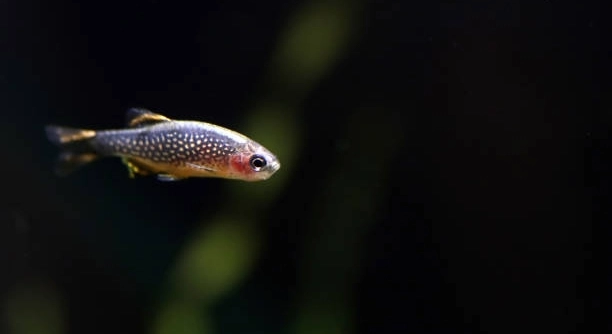
Danios are lively, small fish that brighten any aquarium. Their energy and social behavior make them fascinating to watch. However, understanding when to dim the lights can help maintain their health and reduce stress naturally.
Danios benefit from reduced lighting during periods of rest, acclimation to a new environment, water changes, illness, sudden disturbances, nighttime hours, and breeding preparation. Dimming lights in these situations minimizes stress responses and supports natural behavioral patterns in the aquarium.
Proper lighting adjustments can enhance your danios’ well-being and overall aquarium balance, ensuring a calmer and healthier environment for these active fish.
Dim the Lights During Rest Periods
Danios, like most fish, require periods of rest to stay healthy. Lowering the lights during their resting hours mimics natural day-night cycles, helping regulate their internal clocks. When lights are too bright for extended periods, danios can become stressed, which may affect their appetite and behavior. In my aquarium, I noticed that dimming the lights in the evening allowed the fish to gather in calmer spots, swim less frantically, and settle near plants or decorations. Over time, their colors seemed brighter during active hours, likely because stress levels were lower. It’s simple to create a balanced lighting schedule using a timer. Reducing light intensity for a few hours at the end of the day is enough. Even minor changes can make a big difference in behavior and overall health. Providing these rest periods consistently ensures danios remain active, healthy, and stress-free during their waking hours.
Lowering lights during rest supports natural rhythms and reduces stress, making danios calmer and healthier in the aquarium environment.
Creating a lighting schedule was easier than I expected. I started with a timer set for 10 hours of full light, followed by a dimmed phase lasting about two hours before complete darkness. During the dimmed period, I noticed danios stopped chasing each other as aggressively and found quiet corners to linger. This adjustment also helped new fish acclimate more smoothly, as they could explore without being overwhelmed by bright light. Even during water changes, a temporary reduction in lighting kept the fish calmer, reducing sudden darting or hiding behavior. Over time, consistent dimming during rest periods seemed to reduce overall stress markers, like rapid gill movements and erratic swimming. The difference was clear within a week: calmer evenings, more predictable feeding patterns, and healthier, more vibrant fish. A simple light adjustment proved to be one of the easiest ways to improve my aquarium’s balance and danios’ well-being.
Dim the Lights During Acclimation
When introducing new danios to an aquarium, lowering light intensity helps them adjust gradually without feeling threatened. New fish are sensitive to bright surroundings.
A gradual dimming routine during acclimation reduces stress, encourages exploration, and prevents hiding. Observing their behavior during this time ensures they adapt safely to the new environment.
Dim the Lights During Water Changes
Reducing light intensity during water changes keeps danios calm and prevents sudden stress. Bright light combined with movement and water disruption can startle them, leading to frantic swimming or hiding.
I noticed that when I dimmed the lights during water changes, my danios stayed near plants or decorations instead of darting across the tank. This simple step reduced stress visibly and kept their behavior predictable. It also allowed me to perform maintenance more safely without chasing stressed fish around. Over time, water changes became smoother for both the fish and me. This approach makes routine aquarium care less disruptive and maintains stability in their environment. Watching the fish remain calm and explore slowly reminded me how small adjustments can have a significant impact on their well-being, showing the importance of observing their behavior and responding with gentle changes.
Keeping the lights low during water changes creates a calm atmosphere, allowing danios to stay relaxed and reducing sudden panic responses.
Dim the Lights for Illness
Lower lighting helps sick danios conserve energy and reduces stress while their immune systems recover. Bright light can exacerbate symptoms and cause additional agitation.
When one of my danios fell ill, I dimmed the tank lights to provide a calmer environment. The fish spent more time resting and less time swimming rapidly, which seemed to help with recovery. Adjusting the lighting made a noticeable difference in behavior, making it easier to monitor symptoms and administer treatment without adding unnecessary stress. I also observed that dimmed lights helped other healthy danios remain calm, preventing aggression or chasing that could worsen the sick fish’s condition. This method is subtle but effective for supporting recovery while maintaining a peaceful tank environment.
Dim the Lights During Sudden Disturbances
Unexpected movements near the tank can stress danios. Dimming the lights helps reduce panic and allows them to stay calmer during loud noises or sudden activity.
Even small disturbances, like closing doors or quick hand movements, can startle them. Lower light levels make their environment feel safer and less overwhelming.
Dim the Lights at Night
Danios need darkness to rest, similar to natural day-night cycles. Dimming or turning off lights at night supports their sleep patterns and overall health.
I keep my aquarium lights on a timer to ensure consistent night periods. The fish become less active, gather in quiet spots, and show more energy during daylight hours. Regular night cycles help maintain their behavior, colors, and reduce stress.
Dim the Lights During Breeding Preparation
Lowering light intensity before breeding encourages natural courtship behaviors and reduces aggression among danios, creating a calmer environment for spawning.
FAQ
Why should I dim the lights for danios at night?
Dim lighting at night mimics natural day-night cycles, allowing danios to rest properly. When their environment remains brightly lit, fish may become stressed and restless. I found that reducing light intensity in the evening helped my danios gather in calmer areas, conserving energy for the following day.
Can dimming lights help new danios adjust to a tank?
Yes. New fish are sensitive to bright surroundings and sudden movements. Lowering light intensity during their first days reduces stress and encourages exploration. In my experience, dimmed lights helped newcomers acclimate faster, reducing hiding and frantic swimming while they learned the layout of the tank.
Is dim lighting necessary during water changes?
It is helpful. Bright light combined with moving water can startle danios. I noticed that dimming the lights during water changes kept my fish calmer, making maintenance safer and less stressful for both them and me. They stayed near plants and decorations, avoiding frantic swimming.
How does dim lighting affect sick danios?
Lower light reduces stress and energy expenditure, supporting recovery. When one of my danios fell ill, dimming the lights allowed it to rest more and recover faster. Other healthy fish also stayed calm, preventing aggression or chasing that could worsen the condition of the sick fish.
Does dim lighting improve breeding success?
Yes. Lower light intensity before breeding encourages natural courtship behaviors. I observed that dimming the lights helped reduce aggression among males and allowed females to respond more naturally, creating a calmer environment conducive to successful spawning.
Can sudden disturbances in the room affect danios?
Definitely. Loud noises, sudden movements, or nearby vibrations can stress danios. I found that dimming the lights during such disturbances reduced panic and frantic swimming. The fish were calmer, making it easier to manage the tank and observe their behavior safely.
How long should lights stay dimmed for danios?
It depends on the situation. For rest, two to three hours before complete darkness is sufficient. For acclimation or illness, a gradual dim period for several hours can help. I found that using a timer for consistent dimming ensures the fish have predictable routines, reducing stress over time.
Will dimming lights affect the growth of plants in the tank?
Plants require light for photosynthesis, but temporary dimming for a few hours generally does not harm them. I adjusted my tank’s lighting so plants still received enough brightness while providing calm periods for the fish. Balance is key, ensuring both plant health and danios’ comfort.
Can dim lighting reduce aggression in the tank?
Yes. Bright lights can trigger territorial or aggressive behavior in danios. Lowering the lights during sensitive times, like feeding or breeding, helps minimize chasing and fighting. I noticed that dimming the lights during these periods created a calmer, more harmonious tank environment.
Is using a dimmer or timer better for managing light?
Both are effective, but I prefer a timer for consistency. A timer ensures predictable light and dim cycles, helping danios maintain natural rhythms. A dimmer works well for gradual adjustments during specific events like water changes or disturbances, providing flexible control when needed.
Do danios need complete darkness at night?
Complete darkness is beneficial for proper rest but not strictly necessary if lights are dimmed sufficiently. I usually dim the lights before turning them off completely, giving my danios a transition period. This approach reduces stress and allows them to settle gradually.
How quickly should I dim the lights to avoid stressing danios?
Gradual dimming over 15 to 30 minutes is ideal. Sudden changes can startle the fish. I set my timer to lower light intensity slowly, which helps danios adjust comfortably without panic or erratic swimming. This method works well for rest, acclimation, and disturbances.
Can dim lighting prevent overactive behavior during the day?
Indirectly. While daytime activity is normal, scheduled dim periods and night cycles help regulate energy levels. I observed that maintaining predictable lighting schedules reduced frantic or overly aggressive daytime swimming, keeping my danios calmer and healthier.
Is it safe to leave lights dimmed for extended periods?
Yes, if balanced with periods of adequate light. Prolonged dim lighting without full light cycles can affect plant growth and disrupt natural behaviors. I keep bright and dim periods consistent, ensuring fish remain healthy while maintaining a calm environment.
Do all danios respond the same way to dim lighting?
Individual behavior may vary slightly, but most benefit from dim periods. I noticed some fish were more cautious during changes, while others adapted quickly. Observing their responses allows adjustments for optimal comfort and minimal stress for all tank inhabitants.
How does dimming lights influence feeding behavior?
Lower light reduces stress, making danios more focused during feeding. In my experience, dimmed lights helped fish feed calmly without darting or competing aggressively. They approached food more naturally, improving overall nutrition and minimizing missed meals.
Can dim lighting help with tank maintenance?
Absolutely. Dim lights reduce fish stress during tasks like cleaning or rearranging decorations. I found that lowering light intensity allowed me to work efficiently without startling the fish, making maintenance smoother for both them and me.
Will dim lighting affect the coloration of danios?
Short-term dimming does not negatively impact color. In fact, reduced stress from proper lighting often results in brighter, more vibrant colors over time. I observed that my fish maintained strong hues when their lighting schedule balanced active and calm periods effectively.
Is it necessary to adjust dimming for seasonal changes?
Yes. Seasonal variations can affect natural day length and light intensity. I adjust my aquarium timer to mimic longer or shorter days, helping danios maintain consistent routines. This approach supports natural behavior and overall health year-round.
Can dim lighting reduce mortality in a tank?
Indirectly. By lowering stress, improving rest, and preventing aggression, dim lighting contributes to a healthier, more stable environment. In my tanks, consistent dim periods correlated with fewer injuries and calmer fish, reducing risks associated with stress-related illness or aggressive behavior.
Are there signs my danios need dimmed lighting?
Signs include frantic swimming, hiding excessively, pale coloration, or aggression. I noticed these behaviors decreased when lights were dimmed during sensitive periods. Observing and responding to these cues helps maintain a calm, healthy tank environment for all danios.
Final Thoughts
Managing lighting for danios is an important part of maintaining a healthy aquarium. Light affects their behavior, stress levels, and overall well-being. When lights are too bright for long periods, danios can become anxious, swim frantically, or hide in corners. Gradually dimming lights during rest periods, water changes, or acclimation helps reduce these stress responses. Over time, a consistent lighting routine allows the fish to settle into predictable patterns, improving both their comfort and their appearance. I found that even small changes in light intensity made a noticeable difference in how calm and active my danios were during the day. The goal is not only to make the tank visually appealing but also to create an environment where the fish feel safe and supported. By observing their behavior carefully, it is possible to determine the best timing and duration for dimmed lighting, ensuring they get both active periods and sufficient rest.
Dimming lights is particularly helpful during sensitive times such as illness or breeding. Sick fish can become stressed easily under bright lights, and this added stress can slow recovery. Reducing light intensity allows them to conserve energy and focus on healing. Similarly, lowering light levels before and during breeding helps reduce aggression and encourages natural courtship behaviors. I noticed that when I adjusted the lighting for these events, the fish were calmer, more cooperative, and showed healthier behavior overall. Even during sudden disturbances like loud noises or quick movements near the tank, dimming the lights provided a buffer that helped prevent panic and chaotic swimming. These small adjustments contribute significantly to the overall stability of the tank, making it easier to manage daily maintenance and monitor the health of all the fish. Maintaining a consistent lighting schedule, with predictable bright and dim periods, supports both the fish’s physical health and their natural behavior.
It is also important to balance dim lighting with the needs of aquarium plants and overall tank visibility. While danios benefit from lower light during certain periods, plants still require sufficient light for photosynthesis. I found that using a timer to control light cycles ensured both fish and plants thrived. Dim periods can be adjusted for specific situations without compromising plant growth or tank aesthetics. Over time, this balance created a calm, harmonious environment where the fish were less stressed, more active during the day, and healthier overall. Paying attention to their behavior and adjusting light schedules accordingly helps maintain a stable, natural rhythm in the aquarium. Simple changes in lighting can have long-term positive effects, improving the life of the fish while making tank management easier. Observing, adjusting, and being consistent with lighting routines is one of the most effective ways to ensure danios remain active, vibrant, and healthy.

Hello,
If you enjoy the content that we create, please consider saying a "Thank You!" by leaving a tip.
Every little bit helps us continue crafting quality advice that supports the health, happiness, and well-being of pets around the world, for pets of all shapes, sizes, and species.
We really appreciate the kindness and support that you show us!