
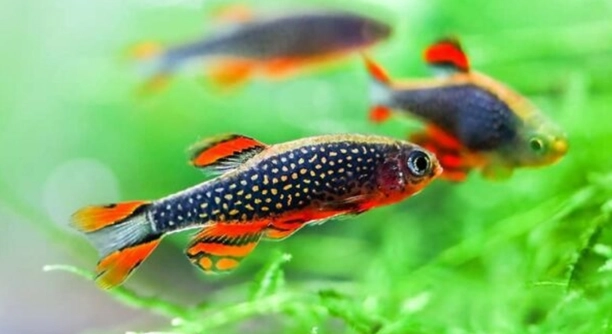
Have you ever watched a group of tiny fish swimming together and wondered how many are right for a tank? Celestial Pearl Danios are small, vibrant, and social creatures that brighten any aquarium. They naturally form schools.
Celestial Pearl Danios should be kept in groups of at least six to eight individuals to ensure proper social behavior and reduce stress. Keeping smaller numbers can lead to aggression, anxiety, and poor overall health in these fish.
Maintaining the right group size creates a balanced, active aquarium. Their behavior and well-being are closely tied to the number of companions they have.
Ideal Tank Size for Celestial Pearl Danios
A proper tank size is essential for Celestial Pearl Danios to thrive. These fish are small, but they are active swimmers and need space to explore. A 20-gallon tank is usually the minimum for a group of six to eight. Adding more fish means increasing the tank size to prevent overcrowding. Proper filtration and aeration help maintain water quality, which is crucial for their health. Live plants, hiding spots, and gentle water flow create a natural environment. Observing their swimming patterns helps gauge comfort levels. If fish are darting constantly or hiding, it may indicate stress or insufficient space. Regular water testing for ammonia, nitrites, and nitrates is necessary. Temperature should be kept stable between 74 and 78°F, and pH around 6.5 to 7.5. Lighting should support plant growth without being too harsh. Consistency in maintenance reduces disease risk. Watching them interact in a well-sized tank shows their natural, lively behavior.
Proper tank size allows them to swim freely and feel secure, improving both health and activity levels.
A larger tank not only accommodates more fish but also allows for natural schooling behavior. Plants, rocks, and decorations provide hiding spots that reduce stress and aggression. Proper circulation prevents stagnant areas, ensuring oxygen levels remain stable. A stable temperature and clean water help maintain vibrant colors and energy. Overcrowding can lead to bullying or fin damage. Observing how the group moves together shows if adjustments are needed. Providing enough space supports breeding behaviors for those interested in keeping a sustainable population. A well-planned setup balances aesthetics with the fish’s needs. Regular monitoring ensures the environment remains optimal and prevents sudden changes that could shock the fish. Overall, space directly influences their physical and social well-being.
Feeding Practices for a Healthy School
Consistent feeding is important for their growth and vitality.
Celestial Pearl Danios thrive on small, frequent meals. They enjoy a mix of high-quality flake, micro-pellets, and live or frozen foods like daphnia or brine shrimp. Feeding once or twice daily in small amounts ensures they consume food quickly, reducing waste accumulation. Uneaten food can pollute the water, so monitoring intake is essential. Offering variety prevents nutrient deficiencies and encourages natural foraging behavior. Avoid overfeeding, as this can lead to obesity and water quality issues. Observing the fish during feeding helps identify individuals that may need extra care or have health concerns. Adjusting portions based on activity and group size maintains balance. With proper feeding, Celestial Pearl Danios maintain bright colors, lively behavior, and strong immunity.
Water Conditions and Maintenance
Stable water parameters are essential for Celestial Pearl Danios. Temperature should remain between 74 and 78°F, with a pH of 6.5 to 7.5. Weekly water changes of 20-25% help maintain cleanliness and reduce stress in the fish.
Keeping consistent water quality prevents illness and keeps the fish active. Ammonia, nitrite, and nitrate levels should be tested regularly. Gentle filtration avoids strong currents that can tire these small fish. Using a heater ensures temperature stability, while live plants assist in natural filtration. Monitoring water hardness and maintaining a balanced environment helps the fish display their full colors. Small adjustments over time are safer than large sudden changes.
Regular maintenance also includes cleaning decorations, checking for leftover food, and trimming plants. Observing behavior during these checks can reveal early signs of stress or disease. Proper equipment, such as a reliable filter and thermometer, makes upkeep easier. Maintaining a routine schedule helps the fish adapt, reducing aggression and encouraging natural schooling behavior. By keeping water conditions stable, the Danios stay healthy, energetic, and visually vibrant.
Social Behavior and Interaction
Celestial Pearl Danios are naturally social and thrive in groups. A minimum of six is recommended to prevent stress and aggression.
In a well-sized tank, these fish form tight-knit schools, swimming in unison and displaying synchronized movements. They communicate through subtle gestures, like fin flicks or slight body tilts. Smaller groups can lead to dominance behaviors or hiding, which reduces overall activity. Pairing them with other peaceful species encourages a balanced aquarium without competition for space. Watching them interact provides insight into their social hierarchy and comfort levels. Social enrichment, like plants and hiding spots, enhances interaction and reduces boredom, supporting long-term well-being.
Monitoring social behavior is important for tank harmony. Aggressive actions or isolation indicate stress or insufficient group size. Providing adequate space, plants, and companions allows natural schooling and playful chasing, essential for both mental and physical health. Observing the group daily helps identify issues before they escalate. Consistent feeding and stable water conditions further support peaceful interactions. A lively, cohesive school adds vibrancy to the tank and demonstrates their thriving social instincts. These fish benefit greatly from careful attention to both group size and environment.
Compatible Tank Mates
Celestial Pearl Danios do best with peaceful, small fish. Avoid aggressive or large species that may stress or harm them. Ideal companions include small tetras, rasboras, and shrimp.
Mixing compatible species encourages natural behavior and creates a lively, balanced tank. Avoid fin-nippers and overly dominant fish that disrupt schooling patterns.
Breeding Considerations
Breeding these Danios requires a separate tank with fine-leaved plants or spawning mops. Water temperature should be slightly higher, around 78°F, to trigger spawning. Males develop brighter colors to attract females, and eggs should be protected from adult fish. Fry require tiny live foods like infusoria or baby brine shrimp. Maintaining clean water and monitoring growth ensures healthy young.
Signs of Stress
Lethargy, faded colors, and hiding are common stress indicators. Address water quality, group size, or tank conditions promptly.
FAQ
How many Celestial Pearl Danios should be kept together?
A minimum of six to eight individuals is recommended for a proper school. Smaller groups can lead to stress, aggression, and shy behavior. Larger groups encourage natural schooling, making the fish more active and confident. Overcrowding should be avoided, as it increases waste and can reduce water quality. Observing the fish’s behavior can help determine if the group size is sufficient. A well-sized school allows them to interact naturally, display full colors, and move in synchronized patterns that are visually appealing and healthy.
What tank size is suitable for a group of Danios?
A 20-gallon tank is the smallest recommended for a school of six to eight Celestial Pearl Danios. Larger tanks allow more space for swimming and can accommodate more fish comfortably. Plants, decorations, and hiding spots should be added without overcrowding. Adequate space reduces stress and supports social interactions. Proper filtration and stable water conditions are easier to maintain in a spacious tank. Regular monitoring of ammonia, nitrites, and nitrates ensures a healthy environment. Tank size directly affects schooling behavior and overall activity levels.
What water conditions are ideal for these fish?
Celestial Pearl Danios prefer temperatures between 74 and 78°F and a pH of 6.5 to 7.5. Water should be clean and stable, with minimal fluctuations. Weekly water changes of 20-25% help maintain quality. Gentle filtration avoids strong currents that can stress the fish. Soft to moderately hard water is ideal. Plants assist in natural filtration and provide hiding spots. Regularly testing water for ammonia, nitrites, and nitrates helps prevent illness. A stable, clean environment encourages active swimming, schooling, and vibrant coloration. Sudden changes can cause stress and behavioral issues.
What should I feed my Celestial Pearl Danios?
They do well with small, frequent meals. A mix of high-quality flake, micro-pellets, and live or frozen foods like daphnia or brine shrimp provides balanced nutrition. Feeding once or twice daily in small portions ensures all fish can eat. Overfeeding should be avoided to prevent obesity and water pollution. Variety in their diet encourages natural foraging and supports vibrant colors. Observing feeding behavior helps identify shy or sick fish. Maintaining a regular feeding routine supports energy levels and social activity, keeping the school lively and healthy.
Can they be kept with other fish?
Yes, as long as tank mates are peaceful and small. Suitable companions include small tetras, rasboras, and dwarf shrimp. Aggressive or large fish should be avoided because they can stress or harm the Danios. Mixed-species tanks work best when all species share similar water requirements. Avoid fin-nipping species, which disrupt schooling behavior. Observing interactions regularly ensures harmony. Providing plants and hiding spots reduces stress and encourages positive social behavior. A balanced community tank allows Danios to thrive while adding diversity and movement.
How do I know if my Danios are stressed?
Signs include hiding, lethargy, faded colors, or erratic swimming. Stress can result from poor water quality, insufficient group size, or aggressive tank mates. Overcrowding or sudden environmental changes also contribute. Promptly addressing these factors is essential. Adding plants, increasing school size, or improving water parameters helps reduce stress. Observing behavior during feeding and swimming routines provides insight into their comfort. Consistent care and monitoring help maintain a healthy, active school. Healthy Danios display vibrant colors, swim confidently, and interact regularly with each other.
What is the best way to breed Celestial Pearl Danios?
Breeding requires a separate tank with fine-leaved plants or spawning mops. Slightly warmer water, around 78°F, encourages spawning. Males become more colorful and chase females during courtship. Eggs should be protected from adult fish, either by using a breeding net or removing adults after spawning. Fry require very small live foods, like infusoria or baby brine shrimp, until they are large enough to eat micro-pellets. Maintaining clean water and monitoring growth supports healthy development. Observing their behavior during breeding helps ensure proper care and a successful spawn.
How often should water be changed?
Weekly water changes of 20-25% are recommended. This keeps ammonia, nitrite, and nitrate levels low, which reduces stress and prevents illness. Partial water changes are preferred over full changes to maintain stable conditions. Frequent monitoring ensures the tank remains safe for the fish. Clean water supports activity, coloration, and breeding behavior. Over time, consistent maintenance makes the environment predictable, allowing the Danios to thrive without sudden stressors. Using a siphon during changes also removes debris and leftover food.
Final Thoughts
Keeping Celestial Pearl Danios can be very rewarding, especially when their care requirements are understood and followed. These small fish may seem delicate, but they are hardy when provided with the right environment. Proper group size is essential, as these fish are social and thrive when kept in schools of at least six to eight. Observing them interact in a well-sized tank shows how natural their behaviors are when they feel secure. Small groups or isolation can lead to stress, hiding, or aggression. Giving them enough companions ensures they display lively, synchronized swimming, which is a sign of a healthy and happy school. Maintaining a stable and comfortable environment is key, as fluctuations in water quality or temperature can quickly affect their behavior and health.
Water conditions play a major role in keeping Celestial Pearl Danios healthy. Temperature, pH, and water hardness should remain consistent, and weekly partial water changes help prevent harmful buildups of ammonia, nitrites, and nitrates. A gentle filter keeps the water clean without creating strong currents, and live plants offer both aesthetic and functional benefits. They provide hiding spots, reduce stress, and help maintain water quality naturally. Tank size is also important; while these fish are small, they are active swimmers and need space to move freely. A tank that is too small can cause overcrowding, reduce oxygen levels, and increase aggressive interactions. Proper maintenance, monitoring water parameters, and providing suitable hiding spaces are simple steps that can significantly improve the well-being of the entire school.
Feeding and social interaction are equally important in maintaining a healthy aquarium. Celestial Pearl Danios require small, frequent meals consisting of high-quality flakes, micro-pellets, or live and frozen foods like brine shrimp or daphnia. Variety in their diet ensures balanced nutrition and encourages natural foraging behaviors. Observing feeding habits helps identify any fish that might be shy, sick, or not eating properly. They are peaceful fish that do well with compatible tank mates, such as small tetras or rasboras, which adds diversity without causing stress. Paying attention to their social behavior, water quality, and feeding patterns ensures a lively, vibrant tank. By providing the right conditions, tank size, companions, and nutrition, these tiny fish can thrive for years, offering a colorful and active display that is both calming and enjoyable.

Hello,
If you enjoy the content that we create, please consider saying a "Thank You!" by leaving a tip.
Every little bit helps us continue crafting quality advice that supports the health, happiness, and well-being of pets around the world, for pets of all shapes, sizes, and species.
We really appreciate the kindness and support that you show us!