
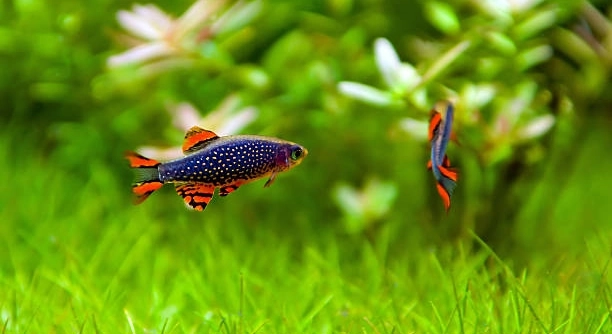
Setting up a tank can be a rewarding experience, but overlapping territories often create stress for fish and other aquatic animals. Ensuring each inhabitant has enough space is essential for a harmonious environment in your aquarium.
Careful planning of tank layouts can prevent territorial conflicts. Arranging decorations, plants, and hiding spots strategically creates defined zones for each species. Proper spacing and consideration of natural behaviors reduce aggression and allow all inhabitants to coexist peacefully.
By understanding these layout strategies, you can create a calm, balanced tank environment that benefits both the fish and your enjoyment of the aquarium.
Dividing the Tank with Natural Barriers
Creating natural barriers with rocks, driftwood, and plants can help separate territories in your tank. By positioning these elements carefully, each fish gets its own space to explore without feeling threatened. Tall plants or large rocks act as visual and physical partitions. These barriers also offer hiding spots, which reduce stress during feeding or when more dominant fish swim by. Choosing materials that match the tank’s size and the species’ behavior is essential. Overcrowding decorations can have the opposite effect, so aim for balance. It is also helpful to observe interactions over time and adjust placement as needed. Small changes, like rotating plants or adding new structures, can improve harmony. These natural divisions work especially well for semi-aggressive species that need defined personal space. They encourage healthier social behavior, allowing fish to exhibit natural tendencies safely.
Strategic placement of barriers ensures peace while maintaining an aesthetically pleasing environment. Visual separation reduces frequent skirmishes.
Using natural elements rather than artificial dividers keeps the tank looking authentic and provides enrichment for your fish. Driftwood and rocks serve multiple purposes, offering resting areas and surfaces for beneficial bacteria growth. Plants contribute oxygen and offer soft boundaries that fish can navigate freely. Observing fish reactions helps refine layouts, ensuring all species thrive. Rotating or adding new structures keeps the tank dynamic and prevents dominant fish from monopolizing areas. Over time, careful attention to barrier placement encourages peaceful coexistence and allows shy species to gain confidence, ultimately fostering a healthier, more balanced aquarium.
Using Open Swimming Zones
Open swimming areas are crucial for active species. They reduce territorial tension and allow fish to move without confrontation. Clear spaces should be balanced with hiding spots to ensure comfort for all species.
Allocating zones for swimming and feeding creates structured movement patterns. Fish can establish territories naturally without overlapping, which minimizes stress.
When designing open zones, consider the species’ size and activity level. Larger, more active fish need wider areas, while smaller species benefit from nearby hiding spots. Open zones encourage exploration and exercise, improving overall health. Combining open spaces with strategic barriers ensures that even dominant fish cannot chase or intimidate others constantly. Observing behavior over days helps refine placement, adjusting structures as needed to maintain balance. Plants and decorations should frame these open areas without obstructing movement. Gradually, fish adapt to these zones, developing natural routes for feeding and resting. This approach reduces aggression, enhances social interaction, and creates a visually appealing tank that highlights both activity and calm areas. Consistent monitoring ensures long-term harmony and a thriving aquatic environment.
Layered Substrates
Different substrate heights can create natural boundaries and reduce territorial disputes. Fish often claim areas with distinct textures or levels, helping them feel secure. Gradually sloping areas provide visual separation without blocking swimming paths, supporting a balanced tank environment.
Layering substrates allows for varied territories and encourages natural behavior. Fish can claim areas that suit their preferences, such as soft sand for bottom dwellers and gravel for species that prefer firmer footing. These subtle divisions reduce aggression, as dominant fish are less likely to challenge others over space. Using multiple layers also improves plant growth, as deeper sections retain nutrients and allow root expansion. Over time, these variations create distinct zones that fish recognize, promoting stability. Adjusting substrate heights during tank setup or adding small mounds later can refine these territories.
This method benefits both shy and active species. Shy fish gain hiding spots in depressions, while active fish enjoy open slopes. Substrate variety contributes to healthier behavior, natural foraging, and visual interest. Gradual slopes and level changes prevent sudden territorial disputes, fostering a calm environment. Over time, fish establish clear zones, and observation helps maintain the right balance. Plants and decorations work with these layers to enhance comfort and reduce stress, creating a thriving, visually appealing tank.
Strategic Plant Grouping
Grouping plants tightly in certain areas offers security for smaller or less dominant fish. Dense clusters create natural refuges while keeping open swimming space elsewhere.
Placing plants strategically reduces conflicts and supports natural behaviors. Fish can retreat to these clusters when threatened, preventing stress-induced aggression. Tall and bushy plants work well for creating vertical layers, while low-growing species fill the substrate. These arrangements help fish mark territories visually without constant confrontation. Mixing plant types and heights maintains visual appeal and ecological balance. Adjusting placement as fish grow ensures adequate space and reduces overlap between territories. Over time, this strategy encourages coexistence and healthy activity.
Plant clusters also improve water quality and oxygenation. Roots stabilize the substrate, while leaves provide shade and shelter. Fish use these areas for hiding, spawning, or resting. Combining dense plant zones with open swimming areas balances activity and safety. Observing fish interactions helps refine groupings, ensuring that aggressive or dominant species do not monopolize these refuges. Rotating or adding new plants can refresh the environment and reduce boredom. Well-placed plant clusters support natural movement patterns, lower stress, and encourage peaceful cohabitation among diverse species.
Corner Territories
Assigning corners for certain species can reduce territorial disputes. Fish often prefer edges, and placing decorations there helps define personal space.
Corners also offer security and retreat points. Dominant fish are less likely to chase others when clear boundaries exist. This simple layout adjustment improves overall tank harmony.
Vertical Layers
Using vertical space allows different species to occupy separate zones. Top swimmers, mid-level fish, and bottom dwellers coexist without constant interference. Plants and decorations at various heights support these layers, giving each species a clear area. Proper layering prevents overlap and reduces stress for more timid fish.
Hidden Caves
Small caves or hollow decorations provide safe retreats. They reduce aggression by giving fish secure spots to rest or hide when needed.
FAQ
How do I know if my fish are stressed due to territory issues?
Signs of stress include chasing, nipping, hiding excessively, or refusing to eat. Fish may also lose color or show erratic swimming patterns. Observing daily interactions helps identify which species feel threatened and which areas in the tank are causing conflict.
Can rearranging decorations really reduce aggression?
Yes. Changing the placement of rocks, plants, and other structures creates new boundaries and hiding spots. This can break up established territories, reduce confrontations, and allow fish to settle into more comfortable zones. Small adjustments over time often improve overall tank harmony.
Are all species affected equally by territory disputes?
No. Aggressive or semi-aggressive species are more prone to conflicts, while shy or schooling fish are often impacted indirectly. Bottom dwellers may be forced into corners or crowded spaces if dominant fish control open areas. Recognizing natural behaviors is key.
Should I mix aggressive and peaceful species in the same tank?
It is possible with careful planning. Aggressive species need clear territories and hiding spots, while peaceful fish require safe zones. Grouping plants, caves, and open swimming spaces strategically can help reduce tension and allow coexistence. Monitoring interactions is essential.
Do tank size and layout affect territorial behavior?
Absolutely. Larger tanks give fish more space to establish separate zones, reducing direct competition. A thoughtfully arranged layout with open areas, vertical layers, and corners encourages natural movement and lessens stress. Overcrowding often increases aggression even in generally peaceful species.
How often should I adjust the tank layout?
Adjustments should be gradual and based on observed behavior. Adding new decorations or moving plants occasionally helps maintain balance, especially as fish grow or new species are introduced. Frequent, drastic changes can create stress, so minor tweaks are preferable.
Are hiding spots essential for all species?
Yes. Even active, dominant fish benefit from places to rest or escape occasional conflicts. Hiding spots reduce stress, prevent injuries, and support natural behaviors like resting, spawning, and exploring without fear of attack.
Can territorial issues affect fish health?
Yes. Chronic stress from disputes can weaken immune systems, reduce appetite, and increase susceptibility to disease. Providing well-defined territories and safe spaces contributes to long-term health and longevity. Observing signs of stress early allows for timely intervention.
Is plant density important in reducing conflicts?
Dense plant clusters create visual barriers and natural refuges. They allow timid fish to feel safe while giving dominant fish room to patrol their territory. Varying plant height and type also encourages natural behaviors and reduces constant confrontation.
What’s the best approach to prevent territory problems in a new tank?
Plan the layout in advance, including open swimming zones, hiding spots, corners, and vertical layers. Research species behavior and adjust decorations accordingly. Gradually introduce fish in compatible groups and monitor interactions closely to ensure peaceful coexistence.
Can substrate choices influence territorial behavior?
Yes. Varying substrate heights or textures helps fish claim specific areas naturally. Bottom dwellers benefit from softer sand, while other species prefer firmer gravel. These subtle divisions create recognizable zones and reduce conflicts over shared spaces.
Are caves or hollow decorations necessary?
They are highly beneficial. Caves provide secure retreats for shy or stressed fish and reduce aggressive encounters. Multiple small hiding spots spread across the tank prevent monopolization by dominant species and allow less assertive fish to thrive.
How do I maintain balance as fish grow?
Monitor growth and behavior, and adjust decorations or hiding spots accordingly. As dominant fish increase in size, previously safe areas may become contested. Updating the layout maintains clear territories and supports peaceful interactions over time.
Do aggressive behaviors always indicate a serious problem?
Not always. Minor chasing or displays are natural, especially during feeding or mating. Intervention is necessary only when aggression is frequent, persistent, or causes visible stress or injury. Understanding species behavior helps distinguish normal activity from conflict.
Is it better to have more hiding spots or more open space?
Both are necessary. Open zones allow swimming and exploration, while hiding spots provide security. A balanced mix prevents overlap, encourages natural behaviors, and minimizes territorial disputes, ensuring all fish have areas to claim comfortably.
Can observation alone help prevent problems?
Yes. Daily monitoring reveals which fish are stressed, which areas are contested, and how interactions evolve. Timely adjustments to plants, decorations, and substrate can prevent minor issues from escalating into serious conflicts.
Does lighting affect territorial behavior?
Indirectly. Fish may feel more exposed under bright lighting, which can increase stress or aggression. Providing shaded areas through plants or decorations allows timid fish to feel secure while maintaining visibility for active species.
Should I separate aggressive fish temporarily?
If aggression causes injury or extreme stress, temporarily isolating dominant fish can help reset territories. Reintroducing them gradually with adjusted decorations or new hiding spots often reduces future conflicts and allows fish to coexist peacefully.
Can fish eventually adapt to shared territories?
Yes, with careful planning and adequate space. Fish learn boundaries and establish personal zones when provided with clear visual separation, hiding spots, and open swimming areas. Observing interactions and adjusting layouts as needed helps maintain long-term harmony.
What is the key to reducing territory problems long-term?
Providing a balanced environment with open areas, vertical layers, corners, dense plant clusters, caves, and varied substrates creates clear zones. Continuous observation, gradual adjustments, and attention to species behavior ensure a stable, peaceful, and thriving tank.
Creating a tank where fish can coexist peacefully requires careful thought and planning. Territorial disputes often arise when fish feel crowded, stressed, or lack clear boundaries. By arranging decorations, plants, and hiding spots strategically, it is possible to reduce these conflicts and create a balanced environment. Each species has its own natural behaviors and preferences, so paying attention to how they interact is key. Observing daily interactions allows you to notice which areas of the tank are causing stress and which fish may need more space. Making small adjustments over time, rather than drastic changes, ensures that fish can adapt comfortably without feeling threatened.
The layout of the tank plays a critical role in preventing territorial issues. Open swimming areas allow active species to move freely, while corners and vertical layers provide zones for other fish to establish their own territories. Dense plant clusters and caves give timid or smaller fish places to hide and rest, reducing the risk of being chased or stressed by more dominant species. Varying substrate heights and textures creates subtle boundaries that fish naturally recognize, allowing bottom dwellers and mid-level swimmers to claim separate areas without direct confrontation. Combining these elements helps fish coexist harmoniously and encourages natural behaviors, such as foraging, swimming, and resting. Regularly observing fish behavior and making minor adjustments to the layout ensures that each individual has access to safe and comfortable areas.
Maintaining peace in a tank is a continuous process rather than a one-time setup. Fish grow, change behavior, and sometimes new individuals are added, which can alter established territories. Gradual updates to decorations, plants, and hiding spots help accommodate these changes and prevent conflicts before they escalate. Providing clear zones, adequate open space, and secure retreats benefits both dominant and timid fish, reducing stress and promoting health. Over time, these thoughtful arrangements create a visually appealing, balanced tank where fish can thrive. Attention to detail, consistent observation, and minor adjustments allow you to enjoy a peaceful, well-organized aquarium while supporting the long-term well-being of every species inside.

Hello,
If you enjoy the content that we create, please consider saying a "Thank You!" by leaving a tip.
Every little bit helps us continue crafting quality advice that supports the health, happiness, and well-being of pets around the world, for pets of all shapes, sizes, and species.
We really appreciate the kindness and support that you show us!