
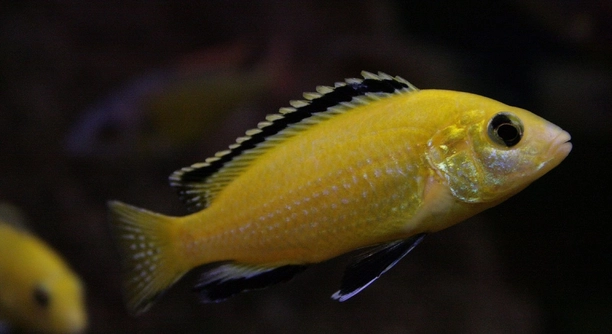
Electric Yellows are vibrant fish with lively personalities, yet sometimes they need space away from others. Even in community tanks, these fish show moments of solitude that can reveal much about their natural behaviors and preferences.
Electric Yellows prefer to be alone at certain times due to stress, territorial instincts, and the need for rest. Observing these solitary periods can help owners understand their fish’s health and maintain a balanced aquarium environment effectively.
Learning when and why they seek solitude can improve care routines. These moments offer insights into behavior that enhance both fish well-being and tank harmony.
Seeking Solitude After Feeding
After feeding, Electric Yellows often move away from the main group. This behavior allows them to digest their food without competition or stress. In a community tank, food can trigger bursts of activity, which can be overwhelming for some fish. By retreating to a quiet corner, they conserve energy and avoid conflicts with others. Observing them after meals shows a natural rhythm: they eat quickly and then isolate themselves for a short period. This alone time is important for maintaining health and preventing aggression. It also helps prevent overfeeding, as they focus on what they have already consumed rather than chasing more food. Tank owners should provide hiding spots or quiet areas, such as caves or plants, to support this natural behavior. These small adjustments encourage a calmer tank environment, reducing stress for all fish and ensuring Electric Yellows thrive.
Giving them space after feeding improves health and reduces stress. They digest better when left undisturbed, leading to stronger, more active fish.
Noticing these patterns helps in planning feeding schedules and tank layout. Quiet areas are beneficial, promoting peaceful behavior and reducing aggression, which keeps the aquarium balanced and enjoyable for everyone observing the fish.
Territorial Retreats
Electric Yellows sometimes claim areas in the tank as their own.
When they establish territory, they defend it by keeping other fish away, often resting in preferred spots. This behavior is natural and indicates comfort within the environment. Tank size, decorations, and hiding places influence how effectively they can claim and maintain territory. Understanding these needs helps owners prevent stress and conflicts, keeping the fish calm. Providing enough space and visual barriers reduces tension, allowing each fish to settle in its favored area. A well-structured tank supports natural behavior, making it easier for Electric Yellows to thrive and interact safely without constant confrontation.
Territorial behavior in Electric Yellows is a key aspect of their interaction in a shared environment. They naturally select areas that provide security and visibility, often near rocks, plants, or tank corners. These chosen spots allow them to observe other fish while feeling protected. In a tank without adequate space or hiding spots, stress levels rise, and fights may occur, which can affect feeding, growth, and overall health. Observing their chosen territories reveals personality differences, with some fish preferring more secluded areas and others being more openly dominant. Tank layout and decoration play a crucial role in supporting these instincts. By arranging the aquarium thoughtfully, owners can create multiple zones, ensuring each fish has a comfortable space. This setup reduces aggression, encourages natural behaviors, and allows Electric Yellows to express independence without threatening others, ultimately resulting in a healthier and more balanced tank.
Resting in Hidden Corners
Electric Yellows often hide in small spaces to rest. These areas offer a sense of safety and reduce exposure to bright lights or active tankmates.
Hiding spots are essential for maintaining calm behavior. When fish retreat, they recover energy and feel secure, which supports overall health. Without these quiet areas, stress can increase, leading to weakened immune systems or aggressive behavior. Observing them in secluded corners shows their need for privacy, which is not a sign of illness but a normal pattern. Plants, rocks, or decorative caves provide excellent resting spaces, encouraging natural instincts. Even short periods of solitude help them feel comfortable, reducing tension in the tank. Creating multiple hiding spots ensures every fish can find refuge, especially during feeding or aggressive interactions. Maintaining these areas is simple yet critical, promoting longevity and healthier, calmer Electric Yellows.
Providing multiple hiding places throughout the tank balances activity levels. Fish can rest or retreat at will, which creates a more peaceful and stable aquarium environment.
Avoiding Aggressive Tankmates
Electric Yellows sometimes distance themselves from dominant or aggressive fish to avoid stress.
When housed with territorial species, they pick quieter areas of the tank. This behavior prevents conflict and ensures they can feed and swim without intimidation. Over time, avoiding aggressive tankmates allows them to maintain normal activity levels, grow properly, and avoid injuries. Understanding their interactions helps in selecting compatible species and arranging the tank to minimize confrontations. By observing which fish trigger avoidance, owners can make small adjustments, such as rearranging decorations or providing additional hiding spots, to reduce tension. This approach maintains harmony in the tank, benefiting all species while supporting Electric Yellows’ natural behavior.
Consistent observation of social interactions is essential. By tracking which tankmates cause avoidance, owners can adjust tank dynamics, improve fish well-being, and prevent long-term stress. Creating safe zones ensures the Electric Yellows remain healthy, active, and confident.
Seeking Cooler Water
Electric Yellows sometimes move to areas with slightly cooler water. This helps regulate their body temperature and reduces stress during warmer periods.
Cooler spots in the tank provide comfort and prevent overexertion. These retreats are a natural way for the fish to maintain balance and avoid discomfort, especially in tanks with strong lighting or uneven heating.
Solo Swimming Sessions
Some Electric Yellows prefer to swim alone for short periods. These sessions allow them to explore the tank without competition. Swimming solo reduces stress, improves focus during feeding, and gives them time to interact with their environment naturally. Observing these moments can help owners understand personality differences.
Nighttime Retreats
Electric Yellows often retreat to quiet spots at night. They rest away from active tankmates, conserving energy for the next day.
Avoiding Reflection
Reflections on glass can confuse and stress Electric Yellows. They sometimes distance themselves from areas where their image appears, ensuring calmer behavior and less unnecessary aggression.
FAQ
Why do Electric Yellows prefer to be alone sometimes?
Electric Yellows need alone time to reduce stress and conserve energy. Even in a peaceful community tank, social interactions can be overwhelming. Retreating allows them to digest food properly, rest safely, or simply regulate their mood without interference. Alone time is natural and healthy for their well-being.
Is solitary behavior a sign of illness?
Not always. While illness can cause hiding, Electric Yellows often choose solitude for normal reasons, such as resting, avoiding aggressive tankmates, or exploring the tank at their own pace. Consistent hiding, loss of appetite, or unusual lethargy may indicate health issues, but brief periods alone are typically normal.
How can I tell if my fish is stressed?
Signs of stress include rapid breathing, frayed fins, erratic swimming, or hiding more than usual. Observing patterns over time helps determine whether behavior is natural or stress-related. Providing quiet spaces, appropriate tankmates, and consistent feeding routines can reduce stress effectively.
Do hiding spots help Electric Yellows feel safe?
Yes. Hiding spots are essential for their mental and physical health. Rocks, plants, and decorative caves give them secure areas to rest, explore privately, or escape temporary disturbances. Multiple hiding places in the tank ensure all fish can retreat when needed.
Can tank layout affect solitary behavior?
Absolutely. Tanks with uneven space or limited shelters increase competition and stress. Thoughtful arrangement with separate zones allows Electric Yellows to claim territories, explore safely, and avoid unnecessary interactions. A balanced layout encourages natural behavior while minimizing aggression.
How long do they usually stay alone?
Alone periods vary from a few minutes to several hours, depending on factors like feeding, social dynamics, and tank conditions. Observing their routines helps owners recognize patterns and adjust care, ensuring their needs are met without disrupting the tank’s balance.
Does water temperature influence solitude?
Yes. Electric Yellows seek cooler areas when water is too warm. This small movement helps regulate body temperature, reduces stress, and allows them to remain active without overexertion. Providing a stable environment with mild temperature variation encourages natural behavior.
Are certain tankmates better for reducing solitary tendencies?
Tankmates that are calm, non-aggressive, and similarly sized reduce stress and prevent isolation. Avoid highly territorial or dominant species that may intimidate Electric Yellows. Observing interactions helps owners select compatible companions and create a harmonious environment for all fish.
Can reflections in the tank cause them to isolate?
Yes. Electric Yellows may mistake reflections for rival fish, leading to hiding or avoidance. Minimizing reflective surfaces, adding plants, or adjusting lighting reduces stress and prevents unnecessary aggression caused by perceived threats.
How often should I monitor solitary behavior?
Regular observation is important to distinguish between normal alone time and potential health issues. Noting patterns, interactions, and feeding habits helps maintain a healthy tank and ensures Electric Yellows thrive in their environment. Consistent care reinforces stability and reduces stress.
What can I do if one fish isolates more than others?
Ensure it has access to hiding spots, adequate space, and compatible tankmates. Review feeding schedules, water quality, and tank layout. Some fish are naturally more independent, and respecting their need for solitude promotes long-term well-being without forcing social interactions.
Does lighting affect their preference for alone time?
Bright lights can make Electric Yellows seek shaded areas or corners. Adjusting lighting intensity or adding plants and decorations helps create comfortable zones, allowing them to move freely between active and private spaces without stress.
Are there benefits to solitary swimming?
Yes. Solo swimming allows exploration, reduces social tension, and encourages natural behaviors. Observing them in these moments reveals personality traits and provides insight into their preferences, which can guide tank management and care routines.
How do I balance their need for alone time with social interaction?
Provide multiple zones in the tank, including open swimming areas and secluded spots. This allows Electric Yellows to interact with others when comfortable and retreat when needed. Respecting their rhythm promotes a healthy, stress-free environment for the entire tank community.
Can diet influence their solitary behavior?
Yes. Overfeeding or inconsistent feeding can trigger competition, causing some Electric Yellows to isolate. Balanced, regular meals reduce stress and ensure they feel safe, allowing them to return to social areas once feeding is complete.
Electric Yellows are lively fish with distinct personalities, and their preference for alone time is a natural part of their behavior. Observing when and why they seek solitude helps owners understand their needs and maintain a healthy tank environment. Alone periods are not a sign of weakness or illness in most cases. They allow the fish to rest, digest food, and recover from social interactions, which can sometimes be stressful. Providing quiet areas, hiding spots, and a well-structured tank supports these natural behaviors and encourages overall well-being. Recognizing these moments as normal rather than worrying about them can improve how the aquarium is managed, making it a calmer and more stable environment for all fish.
Solitude also reflects the fish’s instincts and personality differences. Some Electric Yellows are naturally more independent, exploring the tank alone or avoiding overly active tankmates. Others may seek out small territories, swim alone during certain times of the day, or retreat to shaded corners for rest. These behaviors should be respected rather than discouraged. By observing their patterns, owners can make small adjustments to tank layout, decorations, and feeding routines that reduce stress and support natural habits. Simple steps, such as adding plants, rocks, or caves, can create multiple zones where fish feel secure and can regulate their social interactions. Over time, paying attention to these behaviors helps maintain a balanced tank where all fish coexist peacefully.
Understanding and supporting the need for solitude contributes to the long-term health of Electric Yellows. Stress, aggression, and illness are reduced when fish can rest, hide, or explore at their own pace. Monitoring their behavior regularly, adjusting water temperature, lighting, and tank structure, and providing compatible tankmates are all part of creating a comfortable environment. Encouraging a balance between social interaction and alone time allows Electric Yellows to express natural behaviors, remain active and healthy, and reduce tension in the aquarium. Respecting their moments of solitude ultimately improves their quality of life and makes caring for them more rewarding, leading to a harmonious and thriving tank.

Hello,
If you enjoy the content that we create, please consider saying a "Thank You!" by leaving a tip.
Every little bit helps us continue crafting quality advice that supports the health, happiness, and well-being of pets around the world, for pets of all shapes, sizes, and species.
We really appreciate the kindness and support that you show us!