
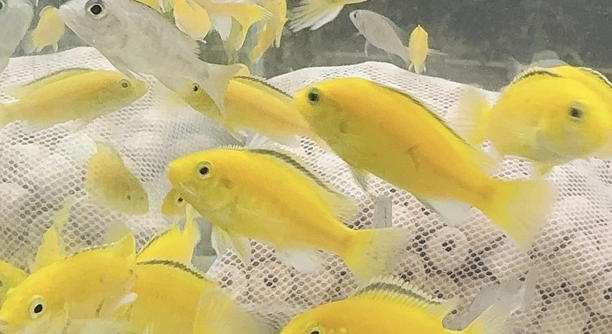
Shadows drifting across your tank can catch your attention in subtle ways, making you pause and notice small movements you might otherwise overlook. These fleeting shifts often trigger instinctive reactions from both fish and humans alike.
Fish and other aquatic creatures often respond to shadows moving over the tank with a combination of alertness, hiding, or curiosity. These behaviors are instinctive survival mechanisms, reflecting their natural responses to perceived changes in the environment.
Observing these responses can reveal unexpected details about your tank’s ecosystem and the personalities of its inhabitants. Understanding them helps maintain a calmer, more balanced aquatic environment.
Startled Darting
Shadows moving over the tank can make your fish dart quickly from one corner to another. This reaction is common when they sense sudden changes in light or movement above the tank. Even if nothing is threatening them, their instincts push them to seek safety immediately. Observing this behavior can be startling at first, but it is a natural response. Fish have evolved to react rapidly to potential predators in the wild. Even minor changes, like a hand passing over the tank, can trigger this reflex. Some species are more sensitive than others, and the intensity of the darting can vary. Over time, you may notice patterns in their reactions depending on the type of fish and their personality. This behavior helps keep them alert, and understanding it allows you to create a more stable environment for your tank. Watching closely can reveal small differences in how each fish responds to the same stimulus.
This darting is a natural, instinctive reaction to perceived threats in their environment.
Recognizing this behavior helps in adjusting the lighting, decorations, and placement of objects above the tank. Ensuring that sudden shadows are minimized can reduce stress for the fish. Regular observation allows you to notice which fish are more sensitive and may need extra hiding spots or calmer surroundings. Over time, creating a stable environment benefits both the health and overall behavior of your tank inhabitants. Even subtle adjustments can lead to calmer, more confident fish. This understanding also helps in planning maintenance, feeding, or interacting with the tank without causing unnecessary alarm. Small changes in environment management can greatly improve the daily life of your fish and the harmony within the tank.
Curious Inspection
Fish may swim closer to investigate shadows, showing interest rather than fear.
Shadows moving over the tank can trigger investigative behaviors. Fish often approach the area to inspect what caused the change in light. This curiosity is part of their natural exploration instincts. Some species linger, while others quickly retreat after checking the source.
Watching fish inspect shadows provides insight into their personalities. They may use fins to feel the water or hover near the surface to get a better view. Environmental factors, like plants or decorations, influence how confidently they explore. Fish that inspect shadows regularly are often more active and engaged. Understanding this behavior allows you to anticipate reactions and manage tank setups effectively. Providing safe spaces and clear visibility can encourage positive exploratory actions. Observing their movements also reveals which areas of the tank are preferred and which trigger stress. You can use this knowledge to arrange hiding spots and open spaces, creating a balanced environment that supports natural behaviors while minimizing unnecessary stress. A well-structured tank helps fish feel secure while still allowing them to explore confidently.
Hiding in Corners
Fish often retreat to corners or behind decorations when shadows pass over the tank. This behavior is a defensive tactic to feel secure. They may stay hidden until the perceived threat disappears, using the tank layout to their advantage.
Shadows can trigger fish to seek shelter quickly, even if nothing is actually threatening them. Corners, caves, and dense plants become their temporary refuge. This instinctive reaction helps reduce stress and gives them control over their environment. Some fish are more prone to hiding, while others quickly resume normal activity once they feel safe. Over time, observing which areas they prefer can help you adjust decorations to provide optimal shelter without crowding the tank. Allowing safe spaces enhances their confidence and encourages natural behaviors.
Providing hiding spots benefits fish in multiple ways. It reduces stress, allows them to establish territories, and supports breeding behaviors in some species. Fish that can retreat feel more secure, which can improve their overall health. Dense plants and strategically placed decorations offer refuge while still leaving enough open space for swimming. Regularly checking how often and where fish hide can inform adjustments to the tank’s layout. By creating both open areas and safe corners, you balance activity with security. This careful setup helps fish display natural behaviors, strengthens their immune systems, and reduces aggressive interactions between tank mates. Ensuring every fish has access to a retreat can create a calmer, more harmonious environment overall.
Surface Watching
Shadows moving across the tank sometimes make fish linger near the surface. They watch and react subtly, adjusting their position without panicking.
Fish observing shadows at the surface are assessing potential threats. This cautious behavior allows them to monitor changes while staying ready to react. It shows both alertness and adaptability in their daily routines.
Surface-watching behavior varies by species and individual temperament. Fish may hover briefly, tilt slightly, or slowly swim in response to shadows. This position gives them a vantage point to gauge their surroundings and detect changes in light, movement, or nearby activity. Providing floating plants or shaded areas can make surface-watching safer and more comfortable. Over time, repeated exposure to non-threatening shadows may reduce anxiety, teaching fish that movement above the tank does not always signal danger. Observing these patterns can help optimize lighting and tank placement. Surface-watching also signals the fish’s awareness of their environment, offering insight into their alertness and personality. Managing these behaviors ensures that fish remain healthy and stress levels stay low.
Rapid Fin Flicks
Shadows can cause fish to flick their fins quickly. This sudden movement is a brief reaction to perceived danger.
Rapid fin flicks are often accompanied by short bursts of movement. Fish may adjust their position or swim slightly to reassess the situation. This instinct helps them stay alert.
Brief Freezing
Some fish respond to shadows by freezing in place. They remain still to avoid drawing attention, using stillness as a defensive tactic.
Investigative Circling
When shadows pass over the tank, fish may swim in small circles beneath the light change. This behavior shows cautious curiosity and helps them understand the source of the movement. Observing these patterns reveals their natural instincts and comfort level with their environment.
Why do my fish react strongly to shadows?
Fish have evolved to respond to sudden changes in light as a survival mechanism. Shadows passing over the tank can mimic the presence of predators, triggering instinctive behaviors such as darting, hiding, or freezing. These reactions are normal and vary depending on the species and individual temperament. Some fish are naturally more skittish, while others respond more calmly. Tank size, decoration placement, and water clarity can also influence how noticeable shadows are. Frequent observation helps identify patterns, allowing adjustments to reduce unnecessary stress. Over time, fish may become more accustomed to routine movements around the tank.
Is it harmful if my fish hide a lot when shadows appear?
Hiding is a protective behavior and not immediately harmful. It becomes concerning only if fish remain hidden excessively or stop eating. Providing ample hiding spots, like plants, caves, or decorations, supports this behavior safely. Monitoring their activity and feeding patterns ensures they remain healthy despite frequent hiding. Sometimes, repeated exposure to harmless shadows can reduce stress reactions, helping fish feel more secure. Tank design can also affect how comfortable they feel moving around after a shadow passes. By arranging spaces strategically, you can balance safety and exploration opportunities for all inhabitants.
How can I reduce stress caused by shadows?
Minimizing rapid changes in lighting above the tank is the most effective approach. Avoid placing the tank where natural sunlight creates moving shadows. Reduce overhead movement and limit hands or objects passing over the tank during feeding or maintenance. Using consistent lighting schedules helps fish adapt to expected light patterns. Additionally, creating a mix of open swimming areas and shaded spots allows fish to choose where they feel safest. Floating plants, dense decorations, and caves provide comfort while maintaining visibility. These adjustments prevent frequent startle responses and contribute to a calmer environment, promoting better health and natural behavior.
Do certain fish species react differently to shadows?
Yes, reactions vary widely by species. Skittish species, like tetras and barbs, often dart or hide immediately. Larger, more confident species may only investigate or briefly freeze. Bottom-dwelling fish like catfish may retreat under rocks or plants, while mid- or top-swimmers may hover near surfaces or corners. Individual temperament also plays a role; some fish are more curious and investigate shadows, while others avoid them entirely. Understanding the natural instincts of each species helps in designing a tank that accommodates their behaviors and minimizes stress, ensuring a balanced ecosystem.
Will my fish eventually get used to shadows?
Repeated exposure to harmless shadows can reduce stress reactions over time. Fish can learn to associate certain movements with no real danger. However, some species remain naturally sensitive. Gradual adjustments, such as slow introduction of changes in light or environment, help fish adapt without triggering panic. Consistency in tank maintenance, feeding routines, and surrounding activity also supports acclimation. Even if they never fully ignore shadows, repeated exposure under safe conditions allows fish to regain confidence and display normal behaviors more quickly. Patience and observation are key to supporting their adaptation.
Are there signs that a shadow is causing too much stress?
Indicators of excessive stress include prolonged hiding, loss of appetite, erratic swimming, or rubbing against objects. Stress can also weaken immune systems, leading to illness. Observing daily behavior helps detect issues early. Adjusting lighting, tank placement, or decoration arrangement can reduce triggers. Ensuring a balanced diet, proper water conditions, and safe hiding spaces mitigates stress impact. Immediate intervention is important if multiple stress signs appear, as prolonged anxiety can compromise health and growth. Regular monitoring allows you to maintain a safe and comfortable environment for all tank inhabitants.
Can tank setup influence reactions to shadows?
Absolutely. Tank size, lighting, decorations, and plant placement all affect how shadows are perceived. Open tanks with minimal cover may make fish more exposed, increasing stress responses. Dense plants, rocks, and caves create safe zones, allowing fish to feel secure when shadows appear. Adjusting light angles and avoiding overhead activity can reduce sudden shadow movements. Observing fish responses to different areas of the tank helps refine layout. Proper design not only minimizes unnecessary stress but also encourages natural behaviors, territorial boundaries, and exploration, contributing to a healthier, more harmonious tank environment overall.
What should I do if my fish panic during shadows?
If fish panic, avoid sudden movements above the tank. Give them time to calm down in hiding spots. Ensure water conditions remain stable, and check for any signs of injury from collisions during sudden darting. Regular observation and gentle adjustments to tank layout or lighting can prevent future episodes. Gradual exposure to safe, controlled shadows can help them become less reactive. Keeping feeding and maintenance routines predictable provides a sense of stability. By minimizing disturbances and offering secure spaces, fish gradually regain confidence, reducing panic responses and maintaining a calmer tank environment over time.
Are shadows more noticeable to some fish than others?
Yes, fish that rely heavily on vision are more sensitive to shadows. Species with large eyes or surface-oriented behavior notice changes quickly. Bottom dwellers or nocturnal species may react less visibly but still experience stress. Lighting contrast and clarity also influence perception. High-contrast shadows are more startling than gradual or diffused changes. Understanding visual sensitivity of each species informs tank lighting and positioning decisions. Providing varied environments, including shaded areas and open spaces, accommodates both visually sensitive fish and those less reactive, promoting a balanced habitat and reducing overall stress for all inhabitants.
Shadows moving over a tank may seem like a minor detail, but they can have a noticeable effect on fish behavior. Fish respond instinctively to changes in light, and even subtle shifts can trigger reactions such as darting, freezing, or hiding. These behaviors are natural and reflect survival instincts that have evolved over generations. Fish in the wild rely on such responses to avoid predators, and similar instincts carry over into home aquariums. Understanding these reactions is important for creating a healthy and calm environment. Observing your fish regularly allows you to notice patterns and identify which behaviors are normal and which might indicate stress. Adjustments to the tank, lighting, or placement of decorations can make a significant difference in how your fish cope with sudden changes above the tank. Providing both open swimming areas and safe hiding spaces ensures that all fish feel secure while still having room to explore and move freely. Over time, small changes in the environment can help reduce unnecessary stress responses and support overall well-being.
Managing shadows effectively involves a combination of careful observation and thoughtful tank design. Consistent lighting schedules help fish anticipate changes, reducing surprise reactions. Avoid placing the tank in areas where natural sunlight or frequent overhead movement creates moving shadows. Decorations, plants, and other objects can be arranged strategically to provide comfort without restricting movement. Floating plants or dense foliage can diffuse shadows and create shaded areas, giving fish more options for comfort. Even subtle adjustments, like moving an overhead lamp or changing the angle of a window’s light, can improve the environment. Each species may react differently to shadows, so knowing the natural behavior of the fish in your tank is essential. Some may be more curious and investigate shadows, while others may prefer to hide immediately. Paying attention to these differences ensures that every fish has the space and security it needs. This careful approach not only minimizes stress but also encourages more natural, confident behaviors.
Finally, observing how fish respond to shadows offers insight into their personalities and needs. Every tank is unique, and what works for one setup or species may not work for another. By providing predictable lighting, secure hiding spots, and a well-thought-out layout, you can reduce stress and support healthier, calmer fish. Monitoring reactions over time helps you understand which areas of the tank are preferred and which create anxiety. Small, consistent adjustments contribute to a balanced environment where fish feel safe and can display natural behaviors. Supporting these instincts helps maintain overall health, encourages activity, and reduces aggressive interactions between tank mates. Shadows are a normal part of any aquarium environment, and with careful attention, their impact can be managed effectively. Creating a tank that accommodates both instinctive reactions and safe exploration ensures a thriving, harmonious space for all your aquatic inhabitants.

Hello,
If you enjoy the content that we create, please consider saying a "Thank You!" by leaving a tip.
Every little bit helps us continue crafting quality advice that supports the health, happiness, and well-being of pets around the world, for pets of all shapes, sizes, and species.
We really appreciate the kindness and support that you show us!