
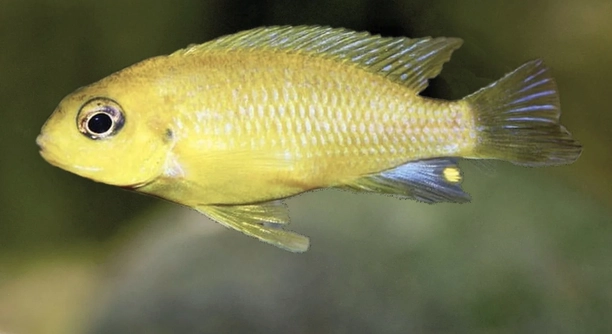
Many aquarists enjoy watching their fish reproduce naturally, but it can be challenging to know what conditions support spawning. Creating the right environment often requires attention to water quality, temperature, and lighting for successful breeding.
Successful natural spawning depends on replicating optimal environmental conditions, including stable water parameters, appropriate temperature ranges, adequate hiding spaces, proper lighting, and suitable nutrition. These factors collectively stimulate reproductive behavior and increase the likelihood of fish laying healthy eggs.
Understanding these key conditions can make breeding more predictable and support the overall health of your aquarium community. Careful adjustments often lead to more consistent spawning results.
Stable Water Parameters
Maintaining stable water parameters is essential for encouraging natural spawning. Fish are highly sensitive to changes in pH, hardness, and ammonia levels. Sudden fluctuations can stress them, reducing reproductive behavior and even causing illness. Monitoring these parameters daily helps ensure the environment remains consistent. Using a reliable test kit allows for quick adjustments, such as adding buffers or partially changing water. Temperature stability also plays a key role, as some species require a slight seasonal fluctuation to trigger spawning. Avoid overfeeding, which can degrade water quality and make it harder to maintain ideal conditions. Filtration systems should be efficient but gentle to prevent disturbing eggs or fry. Plants and decorations can assist in keeping water clean while also providing hiding places for breeding pairs. Observing your fish’s behavior gives early signs if water conditions are off. Proper preparation ensures that both the adult fish and their future offspring thrive.
Stable water conditions reduce stress and create a predictable environment that promotes natural spawning and supports healthy egg development in fish.
Careful water management involves more than just testing and adjustments. Aeration, filtration, and occasional water changes all contribute to creating an environment conducive to spawning. Monitoring temperature patterns and preventing sudden chemical shifts ensures fish remain healthy and ready to reproduce. Over time, these practices reduce mortality rates and encourage consistent breeding.
Adequate Hiding Spaces
Fish need safe spaces to feel secure during spawning. Hiding spots mimic natural habitats and reduce stress.
Providing caves, dense plants, or small shelters allows fish to lay eggs with confidence. Hiding spaces are essential for shy or territorial species, which may avoid breeding without them. Decorations should be arranged to create both open swimming areas and protected zones. Overcrowding or limited hiding options can lead to aggression and disrupted spawning behavior. Observing how fish interact with the environment can guide placement of shelters and plants. Choosing materials that do not leach chemicals into the water is critical, as toxicity can harm eggs or fry. Some species even prefer specific textures, such as smooth rocks or fine-leaved plants. By replicating natural refuges, breeders can support instinctive behaviors, leading to more successful egg-laying. Additionally, hiding spaces reduce stress, which directly influences reproductive hormones and encourages consistent spawning over time.
Fish often explore and test these spaces before laying eggs, making it clear how vital proper habitat is for successful breeding. Properly arranged hiding spots not only support natural behavior but also improve the overall health and confidence of your fish population. Over time, this careful setup can make spawning predictable and less stressful for both adults and offspring, creating a balanced aquarium ecosystem.
Proper Nutrition
Providing a balanced diet is key to encouraging natural spawning. Fish need high-quality protein, vitamins, and minerals to develop eggs and sperm effectively.
Feeding a variety of foods, including live or frozen options like brine shrimp, daphnia, and bloodworms, supports reproductive health. Vegetables and high-quality flakes or pellets provide essential nutrients for overall vitality. Consistent feeding schedules ensure fish are well-nourished without overfeeding, which can degrade water quality. Seasonal or breeding diets can further stimulate reproductive readiness, as certain foods trigger hormonal responses linked to spawning. Proper nutrition also strengthens the immune system, reducing stress and increasing the likelihood of successful egg fertilization.
Careful attention to food quality and portion sizes is important. Overfeeding can lead to obesity or excess waste, harming both adults and fry. Rotating food types prevents nutritional gaps, while occasional supplements, such as vitamin-enriched gels or algae wafers, enhance fertility. Ensuring that all fish in the tank receive adequate nutrition prevents dominant individuals from monopolizing resources, supporting fair growth and readiness for breeding.
Lighting and Photoperiod
Adjusting lighting conditions influences reproductive cycles in many species. Consistent light periods help mimic natural seasonal changes.
Using a timer ensures stable light and dark periods, typically 10–12 hours of light per day for most freshwater species. Gradually increasing light duration can simulate spring, encouraging spawning behavior. Brightness should be moderate; excessive light can stress fish and reduce egg-laying activity. Observing fish behavior under adjusted lighting allows for fine-tuning to match species-specific preferences. Natural daylight or full-spectrum bulbs work best to support both plant growth and fish health.
Light cycles directly affect hormonal regulation and reproductive readiness. Gradual changes, rather than sudden shifts, are essential to prevent stress, which can inhibit spawning. Combining proper lighting with temperature control and nutrition creates a holistic environment that promotes breeding. Different species may require slightly varied light intensities or photoperiods, so monitoring responses is important. Adjusting light schedules seasonally can also help mimic environmental triggers from natural habitats, supporting instinctive spawning behaviors and improving the survival rate of fry.
Temperature Control
Maintaining the correct water temperature is crucial for natural spawning. Most species require a specific range to trigger reproductive behavior, and even slight fluctuations can disrupt breeding cycles.
Gradual temperature changes often mimic seasonal transitions, encouraging fish to spawn naturally. Sudden shifts can stress fish and reduce egg production. Observing species-specific requirements ensures optimal results.
Clean Water Environment
Regular water changes and proper filtration are essential for healthy breeding conditions. Clean water reduces stress and prevents diseases that could affect eggs or fry. Maintaining low ammonia and nitrate levels while keeping water clear creates a stable environment conducive to spawning.
Compatible Pairing
Choosing compatible fish pairs increases the likelihood of successful breeding. Behavioral compatibility, similar size, and maturity levels are all critical factors to consider when pairing fish for natural spawning.
Reduced Stress
Minimizing disturbances and handling helps fish feel secure, which directly impacts their willingness to spawn. Quiet surroundings and gentle tank management promote consistent reproductive behavior.
FAQ
How do I know if my fish are ready to spawn?
Signs of readiness include increased activity, chasing behavior, and pairing off. Female fish may appear fuller in the belly, while males may show brighter colors or display territorial behavior. Observing interactions closely helps determine when spawning is likely to occur.
What is the best water temperature for spawning?
Temperature varies by species, but most tropical freshwater fish spawn between 24°C and 28°C (75°F–82°F). Gradually increasing temperature by a few degrees can simulate seasonal changes and trigger natural reproductive behavior. Avoid sudden spikes, which can stress fish and reduce success.
How often should I change the water during breeding?
Partial water changes of 20–30% weekly are ideal during breeding periods. Fresh water improves oxygen levels, reduces waste buildup, and maintains stable conditions. Avoid large or sudden changes, as this can shock the fish and disrupt egg-laying behavior.
Do I need live food for spawning?
Live or frozen food, such as brine shrimp or daphnia, is highly effective in stimulating breeding. These foods provide high protein and essential nutrients needed for egg and sperm development. Occasional high-quality flakes or pellets can supplement the diet.
How important is lighting for breeding fish?
Lighting helps regulate hormonal cycles and seasonal cues. A consistent 10–12 hour light period works for most species, with gradual changes to simulate spring or summer. Avoid overly bright or direct lighting, which can stress fish and reduce reproductive activity.
Should I separate the eggs from adult fish?
Some species may eat their own eggs, so removing eggs or using a breeding tank can protect them. Others, like certain cichlids, naturally guard their eggs and fry. Observing the species’ behavior helps determine whether separation is necessary.
What types of hiding spaces are best?
Caves, dense plants, or small shelters provide security for shy or territorial species. Smooth rocks, broad-leafed plants, or PVC tubes mimic natural refuges. Proper hiding spaces reduce stress and encourage natural egg-laying behavior.
Can water chemistry affect spawning?
Yes. Stable pH, hardness, and low ammonia and nitrate levels are critical. Sudden fluctuations can stress fish and inhibit reproductive behavior. Using buffers or partial water changes ensures chemical stability, which supports successful spawning.
How long does spawning usually take?
Spawning time depends on the species and environmental conditions. Some fish lay eggs in a single session, while others may spread it over days. Observing behavior and checking for eggs regularly ensures you do not miss critical stages.
Is it necessary to pair fish before breeding?
Yes. Pairing compatible fish by size, age, and temperament increases success. Aggressive or mismatched pairs may fight, preventing spawning. Observing interactions beforehand helps ensure both fish are ready to reproduce without unnecessary stress.
Can stress prevent fish from spawning?
Absolutely. Loud noises, frequent handling, overcrowding, or rapid environmental changes can inhibit reproductive behavior. Minimizing disturbances and maintaining a calm, stable environment encourages natural spawning and increases the chances of healthy fry.
How can I encourage fish to spawn repeatedly?
Providing optimal nutrition, clean water, stable temperature, and proper lighting encourages repeated breeding cycles. Regular monitoring of behavior and adjusting conditions slightly for seasonal cues can trigger multiple spawning events throughout the year.
Are certain plants better for breeding tanks?
Yes. Fine-leaved plants like java moss or floating plants provide surfaces for egg-laying and protection for fry. Broad-leafed plants can also offer shelter. Selecting plants that do not alter water chemistry negatively is important for overall breeding success.
How do I prevent fungus on eggs?
Maintaining clean water and good aeration helps reduce fungal growth. Some breeders use antifungal treatments or isolate eggs in breeding tanks. Removing infertile eggs promptly also prevents fungus from spreading to healthy ones.
Can I breed multiple species in the same tank?
It is generally not recommended. Different species may have incompatible water requirements, behaviors, or breeding cues. Cross-species aggression can occur, and eggs or fry may be eaten. Using separate tanks ensures optimal conditions for each species.
What is the best way to monitor fry development?
Observe growth stages daily, checking for healthy movement, feeding, and survival. Provide appropriate food, such as infusoria or baby brine shrimp, based on fry size. Monitoring water quality is also essential, as young fish are very sensitive to changes in conditions.
How do I know if eggs are fertile?
Fertile eggs are usually clear or slightly yellow and develop visible embryos within a few days. Infertile eggs often become cloudy or white and should be removed to prevent fungal growth. Observing early development helps ensure successful hatching.
Is temperature alone enough to trigger spawning?
No. Temperature is one factor among many, including nutrition, lighting, water quality, and hiding spaces. Combining these conditions replicates natural cues, which collectively stimulate reproductive behavior and encourage healthy spawning.
How long until fry can survive on their own?
Survival depends on species and care. Most fry start feeding independently within a few days to weeks. Providing appropriate food and maintaining optimal water conditions ensures high survival rates and healthy growth.
Can I use artificial decorations for hiding spaces?
Yes. Smooth rocks, PVC tubes, and breeding caves work well. Ensure materials are non-toxic and easy to clean. Artificial shelters can mimic natural refuges while remaining stable and safe for spawning and fry protection.
What if my fish still don’t spawn despite good conditions?
Some fish may require more time to mature or respond to subtle environmental cues. Patience, observation, and minor adjustments in temperature, lighting, or diet often trigger spawning. Avoid overhandling or stressing fish during this period.
How often should I feed fish during breeding?
Feeding 2–3 times daily with small portions is ideal. High-protein live or frozen foods stimulate reproductive readiness without overloading the tank. Supplements, such as vegetables or enriched flakes, support long-term health and egg production.
Can overcrowding prevent natural spawning?
Yes. Too many fish create stress, aggression, and competition for resources. Reducing the population or using larger tanks with ample hiding spaces improves spawning success. Overcrowding can also affect water quality, further inhibiting reproductive behavior.
Do all fish need the same conditions to spawn?
No. Each species has specific requirements for temperature, pH, lighting, and habitat. Researching the species’ natural environment helps replicate these factors and ensures higher spawning success. Adjustments may be needed to meet individual species’ needs.
How long does it take for eggs to hatch?
Hatching times vary by species, ranging from 24 hours to several days. Monitoring temperature and water quality is crucial, as fluctuations can slow development or reduce survival rates. Providing stable conditions ensures timely and healthy hatching.
What is the role of aeration in spawning tanks?
Aeration provides oxygen for both adults and developing eggs. Gentle water movement helps prevent fungal growth on eggs and supports fry survival. Properly positioned air stones or gentle filters create circulation without disturbing fish or eggs.
Are breeding tanks necessary for all species?
Not always. Some species spawn successfully in community tanks if conditions are ideal. Others, especially egg-scattering or territorial fish, benefit from dedicated breeding tanks to protect eggs and fry. Observing species behavior helps determine the best approach.
How do I avoid aggressive behavior during spawning?
Providing hiding spaces, maintaining proper ratios, and selecting compatible pairs reduces aggression. Avoid sudden changes in water or overcrowding, as stress often triggers fights. Careful observation ensures fish can spawn safely without harm.
What should I do if eggs are being eaten?
Remove the eggs to a separate breeding tank, or provide dense hiding spots to protect them. Some species naturally eat their eggs, so intervention may be necessary to ensure successful hatching and fry survival.
How often can fish spawn naturally?
Frequency depends on species, age, and environmental conditions. Many tropical fish can spawn every few weeks if optimal conditions are maintained, while others require seasonal cues. Proper care and monitoring allow repeated spawning over time.
Can I use synthetic foods to trigger spawning?
High-quality synthetic foods, like enriched pellets or flakes, can support breeding if they provide sufficient protein and nutrients. Combining synthetic foods with occasional live or frozen items usually yields the best results.
How do I maintain water quality during heavy feeding?
Frequent partial water changes, careful portion control, and efficient filtration prevent nutrient buildup. Monitoring ammonia, nitrate, and nitrite levels ensures water remains safe for both adults and developing eggs or fry.
Are there signs of stress that prevent spawning?
Signs include hiding, loss of appetite, erratic swimming, or aggression. Maintaining stable conditions, proper nutrition, and minimizing disturbances helps reduce stress and encourages reproductive behavior.
How long should I wait after setting up a breeding tank?
Allow fish to acclimate for several days before expecting spawning. Sudden introduction can cause stress, reducing reproductive readiness. Observing behavior and ensuring stable water conditions is essential before expecting egg-laying activity.
Do all fish species need hiding spaces?
Most benefit from hiding spots, though requirements vary. Shy, territorial, or egg-laying species need shelter to feel secure. Providing adequate refuges improves breeding success and reduces stress-related aggression or egg predation.
Can I breed fish in community tanks?
Some species can, but risks include egg predation, aggression, and competition for food. Observing compatibility, providing hiding spaces, and controlling population density improves chances, though dedicated breeding tanks remain more reliable for consistent results.
What is the role of seasonal cues in natural spawning?
Temperature, lighting, and food availability mimic natural seasons, triggering reproductive hormones. Gradual adjustments in these factors stimulate instinctive spawning behaviors, encouraging consistent egg-laying and fry survival in captivity.
How important is tank size for spawning?
Adequate space reduces stress and allows proper pair interactions. Overcrowding inhibits spawning, increases aggression, and affects water quality. Larger tanks with defined territories and hiding spots create conditions that mimic natural habitats, improving reproductive success.
How long do I need to maintain special breeding conditions?
Conditions should be maintained throughout courtship, spawning, and early fry development. Consistency ensures eggs develop properly, fry survive, and adult fish remain healthy. Gradual return to normal conditions can follow once fry are independent.
Can fish spawn in low-light conditions?
Some species tolerate lower light, but moderate, consistent lighting generally promotes better reproductive behavior. Mimicking natural day-night cycles is key, as sudden darkness or overly bright light can inhibit spawning.
How do I prevent fry from being eaten?
Provide dense plants, breeding nets, or separate tanks. Monitoring adult behavior and ensuring fry have hiding places increases survival rates. Some species require full isolation to protect vulnerable eggs and young fish.
Is water hardness important for spawning?
Yes. Many species require specific hardness levels to trigger egg development and proper fertilization. Maintaining stable hardness within species-specific ranges supports reproductive success and healthy fry development.
Do fish need flowing water to spawn?
Some species benefit from gentle water movement to mimic natural habitats, improve oxygenation, and prevent fungal growth. Excessive flow can disturb eggs, so gentle currents or filtered circulation are ideal.
How can I tell if fry are healthy?
Healthy fry are active, feed eagerly, and display normal growth patterns. Clear eyes, proper coloration, and coordinated swimming indicate strong development. Observing these traits helps ensure optimal care and environmental conditions.
Can artificial breeding triggers replace natural cues?
Partially. Temperature adjustments, lighting, and diet changes can stimulate spawning, but they work best when combined to replicate natural environmental cues. Holistic approaches increase success compared to single-factor interventions.
What common mistakes prevent natural spawning?
Overcrowding, unstable water, poor nutrition, lack of hiding spaces, and frequent disturbances are frequent causes. Monitoring conditions, adjusting diets, and providing proper habitats improve chances of successful reproduction.
How do I care for adult fish after spawning?
Maintain water quality, continue proper nutrition, and monitor behavior. Removing fry from aggressive adults prevents harm, while adults recover energy for potential future spawning cycles. Proper post-spawning care ensures long-term health.
Are there signs that spawning has failed?
Cloudy eggs, no visible embryos, or adult fish consuming eggs indicate failure. Identifying issues early allows for corrective action, such as adjusting water parameters, improving hiding spaces, or separating eggs.
Can seasonal water changes trigger spawning?
Yes. Gradual shifts in temperature and water composition mimic rainfall or seasonal transitions, signaling fish to reproduce. Controlled seasonal cues encourage natural breeding cycles.
Is it necessary to remove other fish during spawning?
Not always, but aggressive or egg-eating species should be separated. Providing ample hiding spaces can reduce risks, though dedicated breeding tanks remain the safest approach for vulnerable eggs and fry.
How long should I observe fish before intervening?
Monitor behavior for several days to understand readiness and compatibility. Intervene only if aggression, stress, or environmental issues threaten reproductive success or fry survival.
Are there signs that spawning conditions are optimal?
Fish display active courtship, paired swimming, and females show full bellies. Eggs appear healthy, and fry develop normally, indicating that water, nutrition, and habitat conditions support successful breeding.
Can I reuse breeding tanks immediately after one cycle?
Cleaning and checking water quality is essential before starting a new cycle. Residual waste or leftover eggs can harm new fry, so thorough preparation ensures safe conditions for the next round of spawning.
How do I balance water parameters for mixed species?
Research each species’ requirements and find overlapping tolerances. Maintain stable pH, temperature, and hardness within acceptable ranges. Compromise may be necessary, or separate tanks may yield better results for consistent spawning.
What is the impact of overfeeding on spawning?
Overfeeding increases waste, degrades water quality, and stresses fish, reducing reproductive behavior. Controlled portions of high-quality food ensure proper nutrition without negatively impacting water conditions or egg and fry health.
How do I encourage shy species to spawn?
Provide dense hiding spaces, reduce disturbances, maintain stable water, and pair compatible individuals. Gradual acclimation to breeding conditions helps shy fish feel secure enough to reproduce naturally.
Can changes in tank decor affect spawning?
Yes. Adding or rearranging plants and shelters can influence territory, hiding, and egg-laying behavior. Careful adjustments can enhance conditions, while sudden changes may stress fish and inhibit reproduction.
Is it necessary to monitor hormones for spawning?
Direct hormone measurement is usually unnecessary for home aquarists. Observing behavior, physical signs, and environmental cues is sufficient to assess readiness and encourage natural spawning.
How long does natural spawning usually last?
The process can range from a few hours to several days depending on species. Continuous observation ensures eggs are fertilized, adults remain healthy, and fry are protected during critical early stages.
What is the best way to support fry after hatching?
Provide appropriate live or powdered food, maintain stable water, and protect them from adult aggression. Regular monitoring of growth and health ensures a higher survival rate and proper development.
Can temperature drops trigger spawning in some species?
Yes. Seasonal drops can simulate winter conditions, signaling fish to prepare for spring spawning. Gradual reductions, followed by warming, often stimulate reproductive behaviors and improve egg-laying success.
How can I prevent fungal infections in breeding tanks?
Maintain clean water, proper aeration, and remove infertile eggs promptly. Using antifungal treatments when necessary helps protect healthy eggs and ensures fry survival.
Are all eggs visible to the naked eye?
Most are, but some species produce very small or transparent eggs. Observing spawning behavior helps locate eggs, especially in species that scatter or attach eggs to plants or surfaces.
Do fish need social interaction to spawn?
Yes. Courtship behaviors, pairing, and interaction are necessary to trigger spawning. Isolated fish may not reproduce naturally, while compatible pairs exhibit clear reproductive behaviors.
Can I combine multiple triggers for better spawning results?
Combining temperature, lighting, nutrition, and habitat adjustments increases success. Mimicking natural seasonal and environmental cues holistically is more effective than relying on a single factor.
Is monitoring water flow important during spawning?
Yes. Gentle flow ensures oxygenation and prevents fungal growth without disturbing eggs. Excessive currents can dislodge eggs, so balance is essential.
How do I maintain stability during seasonal changes?
Gradual adjustments in temperature, lighting, and water composition prevent stress. Mimicking natural seasonal patterns encourages reproductive readiness while keeping fish healthy and calm.
Can spawning success be predicted accurately?
Observing readiness signs, behavior, and environmental conditions improves predictability, but individual variation means exact timing cannot always be guaranteed. Consistent care increases overall likelihood of success.
What is the role of territorial behavior in breeding?
Territoriality ensures that fish have safe spaces to lay eggs and guard fry. Providing enough space and hiding areas reduces aggression and supports natural reproductive behavior.
How do I prevent overpopulation in breeding tanks?
Monitor the number of eggs and fry, separate species if necessary, and plan for adequate space. Controlling population ensures healthy growth, reduces stress, and maintains water quality.
Are there signs of infertility in eggs?
Cloudy, white, or shrinking eggs often indicate infertility. Removing them promptly prevents fungal spread and helps protect healthy eggs and developing fry.
How do I acclimate new fish for breeding?
Introduce them gradually, monitor behavior, and maintain stable water. Proper acclimation reduces stress, improves compatibility, and supports natural reproductive behavior.
Can environmental enrichment influence spawning?
Yes. Plants, shelters, and varied textures encourage natural behaviors, reduce stress, and promote egg-laying. Enriched environments closely mimic natural habitats, improving breeding success.
Is monitoring pH changes necessary during spawning?
Yes. Small fluctuations can affect egg development and fry survival. Stable pH within species-specific ranges is crucial for successful reproduction.
How do I support weak or small fry?
Provide gentle aeration, fine food, and safe hiding spaces. Monitoring water quality and reducing competition from larger fry ensures higher survival rates.
Can hormonal supplements be used safely at home?
Generally, they are unnecessary for hobby aquarists. Environmental cues, proper nutrition, and stable conditions are sufficient to trigger natural spawning.
How do I prevent overcrowding in community tanks?
Use proper stocking densities, separate breeding pairs if necessary, and provide sufficient hiding spaces. Overcrowding causes stress, aggression, and poor spawning outcomes.
Is monitoring nitrate levels important during breeding?
Yes. High nitrate levels stress fish, reduce fertility, and harm developing eggs or fry. Regular water changes and proper filtration help maintain safe levels.
Can breeding success vary between individual fish?
Yes. Age, health, temperament, and prior breeding experience affect success. Observing individual responses allows for targeted adjustments to increase reproductive outcomes.
How long should I maintain specialized breeding conditions?
Conditions should remain stable from courtship through fry independence. Gradual return to normal tank conditions is
Natural spawning in aquariums can feel challenging at first, but understanding the key conditions makes it much more manageable. Fish rely on stable water parameters, appropriate temperature, and clean, well-oxygenated water to feel comfortable enough to reproduce. Maintaining a consistent environment reduces stress and helps fish display their natural reproductive behaviors. Over time, observing the tank and noting how fish respond to adjustments can provide valuable insight into their preferences. Even small changes, like adding a few hiding spaces or adjusting lighting schedules, can make a noticeable difference in encouraging spawning activity. It is important to remember that patience is essential, as not all fish will respond immediately to changes in conditions.
Nutrition plays a critical role in natural spawning. Fish need high-quality food that includes proteins, vitamins, and minerals to develop eggs and sperm effectively. Incorporating live or frozen foods alongside good-quality pellets or flakes ensures a balanced diet. Careful attention to portion sizes prevents overfeeding, which can negatively impact water quality and harm both adult fish and developing eggs. For some species, seasonal or breeding-specific diets can trigger reproductive hormones, helping fish enter spawning condition more reliably. Providing variety in the diet and observing how each fish responds ensures that all individuals are well-nourished, healthy, and prepared to reproduce when conditions are right.
Finally, combining environmental factors with careful observation helps improve the likelihood of successful spawning. Hiding spaces, compatible pairings, proper lighting, and gradual temperature adjustments all contribute to creating a safe and comfortable environment for breeding. Monitoring behavior, such as courtship, chasing, or pairing, allows aquarists to gauge when fish are ready and make small adjustments as needed. Protecting eggs and fry with appropriate tank arrangements ensures better survival rates. By maintaining consistency and paying close attention to the needs of the fish, natural spawning becomes a realistic and rewarding part of aquarium care. Over time, the process becomes more predictable, and a healthy population of fish can be maintained while supporting their natural reproductive instincts.

Hello,
If you enjoy the content that we create, please consider saying a "Thank You!" by leaving a tip.
Every little bit helps us continue crafting quality advice that supports the health, happiness, and well-being of pets around the world, for pets of all shapes, sizes, and species.
We really appreciate the kindness and support that you show us!