
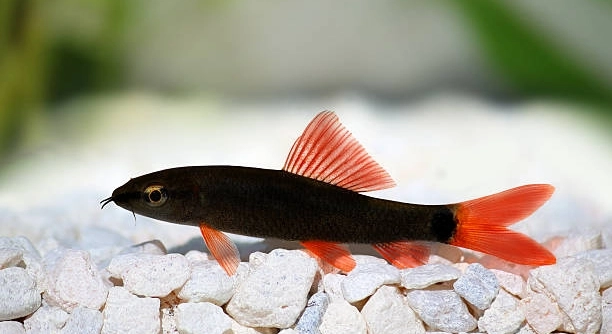
Rainbow sharks are popular freshwater fish known for their active swimming and striking colors. When they suddenly stop swimming, it can be worrying for any fish owner. This article will help you understand what to do in that situation.
If your rainbow shark stops swimming, immediate steps include checking water quality, ensuring proper oxygen levels, inspecting for illness or injury, adjusting tank conditions, and observing the fish closely for any behavioral changes. These actions support the fish’s recovery and health.
Knowing how to respond quickly can improve your rainbow shark’s chances of getting back to its normal, lively behavior. This guide will help you take the right steps to care for your pet.
Check Water Quality Immediately
Poor water quality is one of the main reasons a rainbow shark may stop swimming. Ammonia, nitrite, and nitrate levels can build up quickly in an aquarium if not properly maintained. High levels of these chemicals can stress fish and cause them to become lethargic or even sick. Testing the water with a reliable kit is essential. If any harmful substances are found, a partial water change is necessary to restore balance. Also, make sure the pH and temperature are within the ideal range for rainbow sharks, usually between 6.5 and 7.5 pH and around 75 to 80°F. Proper filtration and regular cleaning help keep the water safe and comfortable for your fish.
Keeping the tank clean and stable will support your rainbow shark’s health and encourage it to swim again. Neglecting this step can lead to ongoing problems.
Maintaining consistent water conditions reduces stress and prevents illness. Regular checks prevent harmful buildup and keep your fish active. Always test the water before considering other causes, since water issues are the easiest to fix and often the root cause of many problems. Your rainbow shark depends on you to provide a clean, healthy environment.
Observe for Signs of Illness or Injury
A rainbow shark that stops swimming may be suffering from illness or injury. Look for signs like torn fins, discoloration, spots, or unusual swelling. Fish can get infections from bacteria, parasites, or fungi, especially if water conditions are poor. These infections often cause lethargy and loss of appetite. Injuries from sharp decorations or aggressive tank mates can also make swimming painful or difficult.
If you notice any physical symptoms, it’s important to isolate the affected fish to prevent spreading illness. Treatment may include medication specific to the disease. Always follow dosing instructions carefully. Keeping the tank stress-free by avoiding overcrowding and aggressive fish helps reduce the risk of injury and illness.
Preventing health issues starts with regular observation. Early detection of problems increases the chance of successful treatment. Keep an eye on your fish’s behavior and appearance every day to catch problems before they get worse.
Improve Oxygen Levels in the Tank
Rainbow sharks need good oxygen to swim actively. Low oxygen can cause them to become sluggish or stop moving altogether. Increasing aeration is an easy way to help.
Adding an air stone or increasing filter flow improves oxygen circulation in the water. You can also reduce the number of fish in the tank to lessen oxygen demand. Make sure the water surface is agitated, as this helps oxygen enter the water. Avoid overcrowding or keeping plants that block surface movement. Proper oxygen levels are essential for your rainbow shark’s energy and overall health.
If you suspect low oxygen, turn off heaters temporarily during water changes, as warm water holds less oxygen. Cooler water helps oxygen dissolve better. Also, avoid overfeeding, since leftover food can reduce oxygen through decay. These steps support better oxygen availability and encourage your fish to swim normally.
Adjust Tank Environment and Decorations
A stressful environment can cause a rainbow shark to stop swimming. Crowded tanks or sharp decorations may frighten or injure them. Clearing space and removing sharp objects creates a safer area.
Ensure the tank has plenty of hiding spots using smooth rocks or plants. This helps the fish feel secure. Avoid bright lights that can stress the fish, opting for dimmer, natural lighting instead. Stable tank temperature and clean water support comfort.
Regularly check the tank setup and rearrange if needed to give your rainbow shark room to swim freely. Too many decorations or aggressive tank mates can cause stress or injury, affecting their behavior. Creating a calm, spacious environment improves activity and well-being.
Monitor Feeding Habits Closely
Changes in appetite often signal a problem. If your rainbow shark stops eating, it may be unwell or stressed. Observe if the fish refuses food or eats less than usual.
Adjust feeding amounts and types if needed. Avoid overfeeding, which can harm water quality and your fish’s health. Offer fresh, high-quality food suited for rainbow sharks.
Quarantine New or Sick Fish
Introducing new fish without quarantine can spread disease. Isolate new or sick fish in a separate tank for at least two weeks. This prevents infections from affecting the main tank.
Quarantine allows you to observe symptoms and treat illnesses without risking other fish. It’s a simple step that protects your entire aquarium’s health.
Avoid Sudden Changes in Environment
Rainbow sharks are sensitive to sudden changes in water temperature or chemistry. Rapid shifts can cause shock and stress, affecting swimming and behavior.
Maintain stable tank conditions by making changes gradually. Test water regularly to ensure consistency and comfort for your fish.
Seek Professional Advice if Needed
If your rainbow shark’s condition does not improve, consult an experienced aquarist or veterinarian. Expert guidance can identify problems you may have missed and recommend treatments.
FAQ
Why has my rainbow shark stopped swimming but is still breathing?
This can happen when your fish is stressed, sick, or in poor water conditions. It may rest to conserve energy while trying to cope with discomfort. Check water quality and look for signs of illness or injury to address the issue quickly.
How long can a rainbow shark stay still without swimming?
Usually, a healthy rainbow shark should not stay still for long. If it remains inactive for several hours or days, it indicates a problem. Immediate action is needed to check tank conditions and the fish’s health.
Can water temperature affect my rainbow shark’s activity?
Yes, rainbow sharks thrive in temperatures between 75°F and 80°F (24°C to 27°C). Water that is too cold or too warm can slow their metabolism, making them less active or stop swimming altogether.
Is it normal for rainbow sharks to rest on the bottom of the tank?
Rainbow sharks do sometimes rest on the bottom or hide among plants. However, constant inactivity or lying on the bottom for long periods usually signals stress, illness, or poor water quality.
Could tank mates cause my rainbow shark to stop swimming?
Aggressive or overly active tank mates may stress rainbow sharks. Stress can cause your fish to hide or stay still to avoid conflict. Make sure your rainbow shark has a peaceful environment with compatible fish.
What are common diseases that cause rainbow sharks to stop swimming?
Bacterial infections, parasites, and fungal diseases are common causes. These often come with other symptoms like fin rot, spots, or swelling. Prompt treatment with proper medication is important for recovery.
How often should I test my aquarium water?
Testing once a week is recommended, especially if you have sensitive fish like rainbow sharks. Frequent water testing helps catch problems early before they seriously affect your fish.
What should I do if my rainbow shark refuses to eat?
Loss of appetite can be due to stress, illness, or poor water conditions. Check water quality, observe for disease signs, and try offering varied, high-quality foods. If refusal continues, consider consulting a vet.
Can sudden changes in lighting affect my rainbow shark’s behavior?
Yes, sudden bright lights or changes in lighting can stress your fish. Keep lighting consistent and avoid strong, direct light. Dimmer, natural lighting helps rainbow sharks feel secure and active.
Is quarantine necessary for new fish?
Always quarantine new fish for at least two weeks before adding them to your main tank. This prevents introducing diseases that can cause illness or behavioral changes in your rainbow shark.
How do I safely increase oxygen in my aquarium?
Use air stones, increase filter flow, or add more surface agitation to improve oxygen levels. Avoid overcrowding and keep the water clean to maintain good oxygen levels for your fish.
Can poor diet cause my rainbow shark to stop swimming?
Yes, an unbalanced diet lacking in nutrients can weaken your fish and reduce activity. Feed a varied diet with quality pellets, flakes, and occasional live or frozen foods to keep your fish healthy.
How long does it take for a rainbow shark to recover after treatment?
Recovery times vary depending on the illness and treatment. It can take several days to a few weeks. Keep water conditions optimal and continue monitoring behavior to ensure full recovery.
What tank size is best for rainbow sharks?
A minimum of 30 gallons is recommended for one rainbow shark. They need enough space to swim freely and establish territories, which helps reduce stress and inactivity.
Are rainbow sharks sensitive to water pH changes?
Yes, sudden pH changes can stress rainbow sharks. They prefer stable pH between 6.5 and 7.5. Test and adjust pH slowly to avoid shocks that affect their health and activity.
What signs show my rainbow shark is recovering?
Increased swimming activity, normal eating habits, and brightening of colors are good signs. The fish should also show fewer signs of stress or illness and interact more with the environment.
When should I consider replacing the filter or equipment?
If your filter is not maintaining clear water or has reduced flow, it may be time to clean or replace it. Proper filtration is essential for keeping water safe and your rainbow shark healthy.
Can plants help improve my rainbow shark’s health?
Live plants improve water quality by absorbing nitrates and providing hiding spots. This creates a calmer environment, reducing stress and encouraging natural behavior in your rainbow shark.
Is it safe to add medication directly to the tank?
Medication should be used carefully and according to instructions. Some treatments can harm beneficial bacteria or other fish. Always research or consult a vet before medicating your aquarium.
How important is regular tank maintenance?
Regular cleaning, water changes, and filter checks prevent buildup of harmful substances. Consistent maintenance is key to keeping your rainbow shark healthy and swimming actively every day.
Rainbow sharks are active fish that bring life to any aquarium. When they stop swimming, it can be a sign that something is wrong. Paying close attention to your fish and its environment is important to keep it healthy. Simple actions like testing water quality, ensuring proper oxygen levels, and watching for signs of illness can make a big difference. These steps help catch problems early, giving your rainbow shark a better chance to recover and stay active.
Taking care of the tank environment is just as important as watching the fish itself. Stable water temperature, a clean tank, and a calm atmosphere help reduce stress for your rainbow shark. Decorations should be smooth and placed with enough space for swimming. Aggressive tank mates or overcrowding can cause stress and injuries, which affect your fish’s health. Regular cleaning and maintenance keep the water safe and comfortable, which supports your fish’s well-being.
Finally, be patient and observant. Recovery from illness or stress can take time, and rushing treatments or changes can sometimes make things worse. If you have tried basic steps and your rainbow shark is still inactive, seeking advice from an expert is a good idea. Keeping a healthy aquarium requires ongoing care and attention. With steady effort and careful observation, you can help your rainbow shark return to its lively swimming and enjoy a happy, healthy life.

Hello,
If you enjoy the content that we create, please consider saying a "Thank You!" by leaving a tip.
Every little bit helps us continue crafting quality advice that supports the health, happiness, and well-being of pets around the world, for pets of all shapes, sizes, and species.
We really appreciate the kindness and support that you show us!