
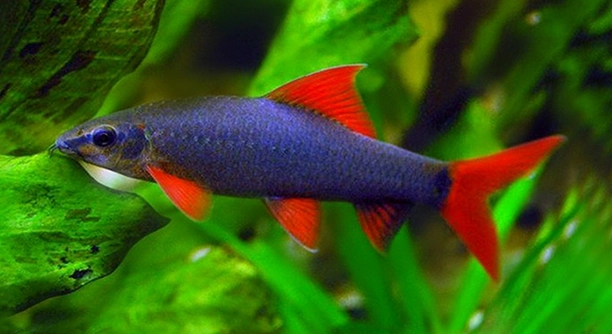
Keeping a Rainbow Shark’s tank clean is important for its health and your enjoyment. Algae growth can quickly take over, making the tank look unappealing and affecting water quality. Managing algae is a key part of maintaining a balanced aquarium environment.
Preventing algae buildup involves a combination of proper lighting, regular water changes, controlled feeding, and maintaining a clean filter system. Each factor plays a crucial role in creating conditions that discourage algae growth while supporting the Rainbow Shark’s well-being.
Understanding these basic methods will help maintain a clear and healthy tank. This guide offers practical steps to keep algae under control for your Rainbow Shark’s environment.
Control the Lighting in the Tank
Lighting plays a major role in algae growth. Too much light encourages algae to multiply quickly, while too little can harm your Rainbow Shark’s health. Ideally, keep the tank light on for about 8 to 10 hours a day. Using a timer can help maintain a consistent schedule, preventing excess light from promoting algae blooms. It is important to place the aquarium away from direct sunlight, as natural light is often too strong and causes rapid algae growth. Balanced lighting creates a stable environment, supporting both your fish and plants while reducing unwanted algae.
Limiting light exposure helps slow algae growth and keeps the tank visually clearer. This simple adjustment can make a noticeable difference in algae control.
Along with managing lighting, consider adding live plants to the tank. Plants compete with algae for nutrients, which can naturally reduce algae growth. Live plants also improve water quality and provide hiding spots for your Rainbow Shark, making the environment more comfortable and less stressful for your fish.
Perform Regular Water Changes
Regular water changes are essential for maintaining water quality and reducing algae. Changing 20 to 30 percent of the water once a week helps remove excess nutrients like nitrates and phosphates, which algae feed on. This practice prevents algae from having the nutrients needed to grow out of control. Using a gravel vacuum during water changes also removes leftover food and debris that could decompose and contribute to algae buildup. Consistent water changes support the overall health of your fish and the tank’s ecosystem.
Water changes keep nutrient levels in check and maintain a healthier environment for your Rainbow Shark.
Maintaining a schedule for water changes is crucial. Setting reminders ensures you don’t skip this important task. Besides controlling algae, regular water replacement reduces the risk of harmful chemicals accumulating, keeping your fish safe. Combine this with monitoring water parameters like pH and ammonia levels for optimal tank conditions. Clean water promotes stronger fish immune systems and clearer tanks, making maintenance easier. Using conditioned, dechlorinated water prevents sudden stress on your fish. Overall, consistent water changes are one of the best ways to keep your aquarium balanced and algae under control.
Feed Your Rainbow Shark Properly
Overfeeding adds excess nutrients that promote algae growth. Feed your Rainbow Shark only what it can eat in a few minutes once or twice a day. Removing leftover food prevents water pollution and keeps the tank cleaner.
Feeding small portions reduces waste and limits nutrients that algae thrive on. Uneaten food decomposes and raises nitrate and phosphate levels, encouraging algae blooms. Stick to a feeding schedule and observe your fish’s behavior to avoid overfeeding. Balanced feeding supports both fish health and water quality, making algae easier to control.
Choosing a high-quality, balanced diet tailored for Rainbow Sharks supports their growth and reduces waste. Supplementing with occasional vegetables can provide variety without excess leftovers. Proper feeding habits make tank maintenance less demanding and help maintain a healthier aquarium environment overall.
Clean the Tank Decorations and Surfaces
Algae tend to stick to decorations and tank surfaces, so regular cleaning is necessary. Gently scrub rocks, plants, and tank walls using an algae scraper or soft brush to remove buildup. Avoid harsh chemicals that could harm your fish.
Cleaning these surfaces reduces places where algae can grow unchecked. It also improves the tank’s appearance and helps maintain a healthier environment. Consistency is key to preventing algae from taking over decorations, making regular maintenance more manageable.
While cleaning, remove any dead plant material and debris that can contribute to algae growth. Rinsing decorations in tank water rather than tap water preserves beneficial bacteria. Keeping the tank’s interior clean supports water quality and provides a more pleasant habitat for your Rainbow Shark.
Use a Good Filtration System
A reliable filter removes waste and excess nutrients that feed algae. It keeps the water clear and helps maintain stable conditions in the tank. Choose a filter rated for your tank size to ensure efficient cleaning.
Regularly clean or replace filter media to keep it working well. Proper filtration is essential for controlling algae and supporting your Rainbow Shark’s health.
Add Algae-Eating Tank Mates
Certain fish and invertebrates help control algae naturally by eating it. Species like Siamese algae eaters or Amano shrimp can reduce algae without harming the Rainbow Shark. Introducing compatible tank mates creates a balanced ecosystem.
Adding these algae eaters can lower algae growth and lessen the need for manual cleaning. Always research compatibility before adding new species to maintain a peaceful aquarium environment.
Monitor Water Quality Regularly
Testing water parameters like ammonia, nitrites, nitrates, and pH helps prevent conditions that favor algae growth. Keeping these levels stable supports fish health and reduces algae problems. Use a reliable test kit to track changes consistently.
FAQ
How often should I clean my Rainbow Shark’s tank to prevent algae?
Cleaning frequency depends on your tank’s size and conditions, but generally, a weekly partial water change combined with surface cleaning is best. Regularly scrubbing tank walls, decorations, and vacuuming the substrate helps keep algae from building up. Consistent maintenance reduces the need for heavy cleaning later and supports stable water quality.
Can too much light harm my Rainbow Shark?
Yes, excessive light can stress your Rainbow Shark and encourage algae growth. Keeping the light on for about 8 to 10 hours daily is ideal. Avoid direct sunlight on the tank, as it often causes algae to multiply quickly. Using a timer ensures consistent lighting that benefits your fish without promoting algae.
Are live plants helpful for controlling algae?
Live plants compete with algae for nutrients, which can limit algae growth naturally. They also improve water quality by absorbing excess nitrates. However, plants need proper care, including adequate lighting and nutrients. Healthy plants help maintain a balanced tank environment that discourages algae.
What is the best diet for a Rainbow Shark to reduce algae?
Feed a balanced diet formulated for Rainbow Sharks, focusing on high-quality pellets or flakes. Supplement with vegetables like zucchini or cucumber occasionally. Avoid overfeeding, as uneaten food decomposes and raises nutrient levels that fuel algae growth. Feeding small amounts once or twice daily is sufficient.
Can algae-eating fish or shrimp harm my Rainbow Shark?
Most algae eaters like Siamese algae eaters or Amano shrimp are peaceful and won’t harm your Rainbow Shark if the tank is large enough. Always research species compatibility before introducing new tank mates. Adding algae eaters can reduce manual cleaning but won’t replace proper tank maintenance.
How important is filtration in algae control?
Filtration is crucial. A good filter removes waste, excess nutrients, and particles from the water, limiting resources algae need to grow. Regular cleaning or replacing filter media keeps the system efficient. Proper filtration maintains water clarity and supports a healthy environment for your Rainbow Shark.
What water parameters help prevent algae?
Maintaining stable levels of ammonia, nitrites, nitrates, and pH is important. Ammonia and nitrites should be at zero, while nitrates should be kept low, ideally under 20 ppm. Regular testing with a water test kit helps catch issues early. Balanced water conditions reduce stress on your fish and discourage algae growth.
Is it okay to use chemical algae treatments?
Chemical treatments can help in severe cases but should be used cautiously. Some chemicals may harm fish, plants, or beneficial bacteria. It’s better to focus on prevention through lighting control, water changes, and cleaning. If you choose chemicals, follow instructions carefully and monitor your fish closely.
How do I remove stubborn algae from decorations?
Use a soft algae scraper or brush to gently clean decorations. For tough algae, soaking decorations in a diluted vinegar solution can help. Rinse thoroughly with tank water before placing them back to avoid harming fish. Avoid harsh chemicals or scrubbing too hard to prevent damage.
Can overfeeding cause algae problems?
Yes, overfeeding is a common cause of algae growth. Uneaten food breaks down and increases nitrate and phosphate levels, feeding algae. Feeding only what your Rainbow Shark can consume within minutes and removing leftovers prevents this issue and keeps water cleaner.
What role do water changes play in algae control?
Water changes remove excess nutrients and waste that algae feed on. Regularly changing 20-30% of the tank water weekly reduces nitrate buildup and helps keep algae growth in check. Using dechlorinated water and cleaning substrate during changes improves overall tank health.
Are there natural ways to reduce algae without chemicals?
Yes, controlling light exposure, feeding properly, performing regular water changes, maintaining good filtration, and adding algae-eating species all work together naturally. Live plants also help by competing with algae for nutrients. These combined methods are the safest and most effective way to manage algae.
How do I know if algae is harming my Rainbow Shark?
Algae itself usually doesn’t harm fish directly, but excessive algae can reduce oxygen levels and degrade water quality. If your Rainbow Shark shows signs of stress like hiding, loss of appetite, or unusual swimming, check water parameters and tank conditions. Reducing algae helps create a healthier environment.
What tools do I need for algae maintenance?
Basic tools include an algae scraper or pad, a gravel vacuum for substrate cleaning, water test kits, a bucket for water changes, and a good filter system. A timer for lighting helps maintain a stable schedule. These tools make algae control easier and keep your tank in good shape.
Can changing the tank water temperature affect algae growth?
Temperature affects algae growth but should be kept stable for your Rainbow Shark’s health. Most algae thrive in warmer water, but sudden temperature changes stress fish. Keep the tank temperature consistent within the recommended range for Rainbow Sharks, usually around 74-80°F (23-27°C).
How does the substrate affect algae growth?
A dirty substrate with leftover food and waste encourages algae growth. Vacuuming the substrate during water changes removes this debris. Choosing the right substrate and keeping it clean reduces nutrients that algae use to grow and improves overall tank health.
Are aquarium lights different from regular lights for controlling algae?
Aquarium lights are designed to provide the right spectrum and intensity for aquatic plants and fish. Using proper aquarium lighting instead of regular household bulbs helps control algae by avoiding excessive or inappropriate light wavelengths that encourage algae growth.
How can I balance algae control without harming beneficial bacteria?
Avoid harsh chemicals and overcleaning that remove beneficial bacteria. Use gentle cleaning methods and maintain filter media carefully. Beneficial bacteria break down harmful substances and keep water healthy. Balancing algae control with bacterial health supports a stable aquarium ecosystem.
Keeping a Rainbow Shark’s tank free of algae requires consistent care and attention. Algae can quickly make the tank look messy and affect the quality of the water. By managing factors like lighting, feeding, and regular cleaning, you create an environment that supports your fish’s health and reduces algae growth. Each step, from controlling how much light the tank receives to performing routine water changes, plays a role in maintaining a clear and balanced aquarium. These efforts help prevent algae from taking over and keep the tank looking its best.
Using a good filtration system is important to remove waste and excess nutrients that algae need to grow. Cleaning decorations, tank walls, and substrate regularly prevents algae buildup on surfaces where it can become hard to remove. Adding algae-eating tank mates can also help naturally control algae levels without harming your Rainbow Shark. Monitoring water quality with test kits ensures that the conditions stay stable and healthy for both fish and plants. These combined actions make it easier to maintain the tank and keep algae in check.
Overall, keeping algae under control involves several simple but consistent habits. Proper feeding, controlled lighting, and regular tank maintenance all contribute to a healthier aquarium. While algae can be frustrating, understanding what encourages its growth helps in preventing it effectively. Following these practices will help you enjoy a clean and beautiful tank where your Rainbow Shark can thrive. This balanced approach supports your fish’s well-being and reduces the time spent on algae removal.

Hello,
If you enjoy the content that we create, please consider saying a "Thank You!" by leaving a tip.
Every little bit helps us continue crafting quality advice that supports the health, happiness, and well-being of pets around the world, for pets of all shapes, sizes, and species.
We really appreciate the kindness and support that you show us!