
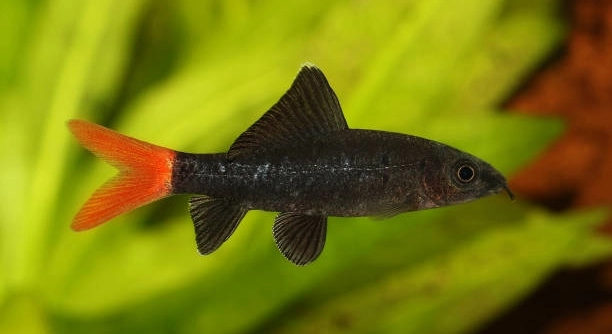
Are your rainbow sharks suddenly acting aggressive toward other fish in your aquarium? This behavior can be frustrating and confusing, especially when you want a peaceful tank environment. Understanding why they act this way is important for every fish keeper.
Rainbow sharks display aggression due to factors such as territorial instincts, overcrowding, insufficient hiding spots, poor water quality, improper diet, stress from tank mates, and lack of stimulation. These elements influence their behavior and disrupt tank harmony.
Knowing these reasons will help you manage your aquarium better and create a calmer space for all your fish. The following details explain how to recognize and address each cause effectively.
Territorial Behavior
Rainbow sharks naturally claim certain areas as their own in the tank. When space is limited, they feel the need to defend these spots aggressively. This territorial instinct is stronger if the aquarium is small or crowded with other fish. The sharks may chase or nip at tank mates to keep them away from their preferred zones. It’s common to see them patrol the same areas repeatedly, making sure no other fish invade their space. Adding decorations like plants and rocks can help by breaking sight lines and providing more boundaries. If the tank is too small, consider upgrading to give them enough room to spread out. Understanding this instinct helps reduce conflicts and keeps your fish calmer.
Limiting tank overcrowding and providing distinct territories can greatly decrease aggressive encounters among rainbow sharks.
When you create multiple territories and add hiding spots, your rainbow shark feels more secure. This reduces its need to act aggressively and allows other fish to coexist peacefully in the aquarium.
Overcrowding and Stress
Too many fish in a single tank increases stress and competition for resources. Rainbow sharks especially dislike crowded environments. Stress from overcrowding triggers aggressive behavior as they struggle for food, space, and dominance. It also weakens their immune system, making them more vulnerable to illness. Overcrowding may cause constant chasing, nipping, or hiding, upsetting the tank’s balance. Monitoring your tank’s capacity according to its size is essential. Removing excess fish or upgrading to a larger aquarium improves conditions. Maintaining proper water quality and regular cleaning also helps lower stress. Ensuring compatible species are housed together minimizes conflicts. When rainbow sharks feel overwhelmed, their behavior changes noticeably, so addressing tank population is crucial for a healthier environment.
Lack of Hiding Places
Rainbow sharks need hiding spots to feel safe. Without enough cover, they become stressed and more aggressive.
Providing plants, caves, or decorations creates secure areas where the shark can retreat. This reduces stress and limits aggressive behavior toward other fish.
When hiding places are scarce, the shark feels exposed and threatened. It will defend the little space it has more fiercely. Adding more shelters not only calms your rainbow shark but also benefits other shy fish. A well-decorated tank encourages peaceful interactions and lowers tension among all inhabitants.
Poor Water Quality
Dirty water stresses rainbow sharks and worsens their behavior. High ammonia, nitrite, or nitrate levels harm their health and increase aggression. Keeping the water clean is vital for a balanced tank environment.
Regular water changes and proper filtration maintain good water quality. Test the water frequently to detect issues early. Uneaten food and waste buildup can pollute the tank quickly. Removing these prevents spikes in toxins. Healthy water conditions support your fish’s immune system, lowering stress and aggressive tendencies. Clean water is one of the easiest ways to keep your rainbow shark calm and content.
Improper Diet
A poor diet can make rainbow sharks irritable and aggressive. They need a balanced mix of proteins and plant matter to stay healthy.
Feeding them too little or with the wrong food causes stress, leading to territorial behavior. Providing varied, nutritious meals helps keep them calm and less aggressive.
Stress from Tank Mates
Some fish species provoke rainbow sharks by crowding or challenging them. Aggression often rises when incompatible tank mates are present.
Keeping compatible species together reduces stress and aggressive displays. Avoid overly active or aggressive fish that can trigger fights.
Lack of Stimulation
Rainbow sharks are active swimmers needing mental and physical engagement. Without enough stimulation, they become bored and act out aggressively.
Adding decorations, plants, and rearranging the tank can keep them interested. Toys or varying the environment helps reduce aggression and keeps them lively.
FAQ
Why is my rainbow shark chasing other fish nonstop?
Your rainbow shark is likely defending its territory or feeling stressed due to overcrowding or poor water conditions. They patrol their preferred space and chase away any fish that enter it. Improving tank size, adding hiding spots, and maintaining clean water often reduces this behavior.
How can I stop my rainbow shark from biting other fish?
Biting happens when your shark feels threatened or stressed. Make sure the tank isn’t overcrowded and add plenty of plants and decorations for shelter. Feeding a balanced diet and removing aggressive tank mates will also help reduce biting incidents.
Is it normal for rainbow sharks to be aggressive?
Rainbow sharks are naturally territorial and somewhat aggressive, especially in small tanks. However, proper tank setup, compatible fish, and enough space can keep their aggression manageable. They shouldn’t constantly harass other fish if conditions are right.
What tank size is ideal to prevent aggression?
A minimum of 30 gallons is recommended for one rainbow shark to reduce territorial disputes. Larger tanks allow multiple territories and more hiding places, which lowers stress and aggression significantly.
Can I keep rainbow sharks with other fish?
Yes, but choose peaceful species that don’t provoke them. Avoid small, slow-moving fish or other aggressive species. Good tank mates include larger tetras, barbs, or danios. Compatibility helps maintain a peaceful aquarium.
How often should I change the water to keep aggression down?
Regular water changes every one to two weeks help maintain good water quality and lower stress. Always test water parameters and remove uneaten food or waste to prevent toxin buildup that can worsen aggressive behavior.
What kind of food should I give my rainbow shark?
Feed a varied diet with high-quality pellets, frozen or live foods like bloodworms, and some vegetable matter. A balanced diet keeps them healthy, reduces stress, and minimizes aggression caused by hunger or nutritional deficiency.
How do hiding spots reduce aggression?
Hiding places give your rainbow shark a safe retreat, reducing stress and territorial defense. When fish feel secure, they are less likely to chase or nip at others. Plants, caves, and decorations all provide necessary shelter.
What signs show my rainbow shark is stressed?
Signs include constant chasing, hiding excessively, loss of appetite, faded colors, and rapid breathing. Stress often triggers aggression. Address tank conditions promptly to improve your shark’s well-being.
Can rearranging the tank help with aggression?
Yes, rearranging decorations and plants breaks up established territories, which can reset aggressive behaviors. It gives your fish a fresh environment and reduces fixed territorial boundaries, making them less likely to fight.
Are there medications to calm aggressive rainbow sharks?
There are no specific medications for aggression, but treating underlying health issues or parasites can improve behavior. The best approach is environmental management—proper tank size, clean water, and compatible tank mates.
What is the role of lighting in rainbow shark behavior?
Proper lighting helps regulate their daily activity cycle. Too bright or too dim lighting can stress them, affecting behavior. Moderate lighting that mimics natural conditions supports their health and reduces aggression.
Can rainbow sharks live peacefully alone?
They can live alone, but they benefit from stimulation and social interaction. If kept alone, make sure to provide plenty of enrichment like plants and space to swim. Loneliness may lead to boredom and erratic behavior.
How important is tank maintenance for aggressive behavior?
Tank maintenance is crucial. Dirty water and poor conditions increase stress and aggression. Regular cleaning, water testing, and equipment checks help keep the environment stable and fish calm.
What should I do if my rainbow shark keeps attacking despite changes?
If aggression continues, try relocating aggressive individuals or separating them temporarily. Sometimes upgrading to a bigger tank or changing tank mates is necessary. Persistent aggression may indicate incompatibility or health issues needing further attention.
Rainbow sharks can bring vibrant color and activity to your aquarium, but their aggressive behavior can make tank management challenging. Understanding the reasons behind their aggression helps create a peaceful environment for all your fish. Territorial instincts, overcrowding, lack of hiding places, poor water quality, improper diet, stressful tank mates, and insufficient stimulation all contribute to their behavior. Addressing these factors carefully improves your rainbow shark’s mood and reduces conflict in the tank.
Proper tank setup is essential for keeping your rainbow shark calm. Providing enough space allows them to establish territories without constant fights. Adding plants, caves, and decorations gives them secure hiding spots to feel safe. Regular water changes and maintaining good filtration ensure the water remains clean and healthy, which lowers stress levels. Feeding a balanced diet tailored to their needs keeps them strong and less likely to act out. Choosing compatible fish to share the tank prevents unnecessary provocation and competition.
Patience and observation play a big role in managing aggressive behavior. It takes time to understand your fish’s habits and adjust their environment accordingly. Sometimes small changes, like rearranging tank decorations or increasing hiding spaces, can have a big impact. If aggression persists, consider upgrading the tank size or reevaluating the tank community. With proper care and attention, you can create a balanced aquarium where your rainbow shark and other fish coexist peacefully and thrive.

Hello,
If you enjoy the content that we create, please consider saying a "Thank You!" by leaving a tip.
Every little bit helps us continue crafting quality advice that supports the health, happiness, and well-being of pets around the world, for pets of all shapes, sizes, and species.
We really appreciate the kindness and support that you show us!