
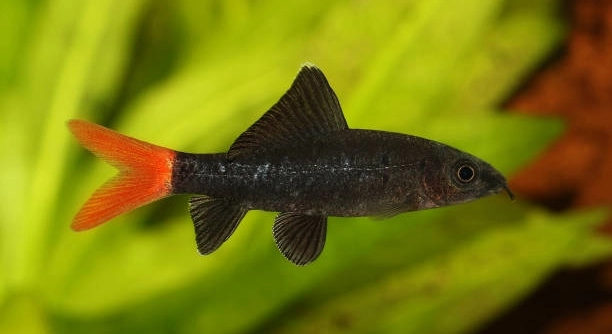
Rainbow sharks are popular freshwater fish known for their vibrant colors and active behavior. Many owners want to provide the best care to keep them healthy and happy. Understanding their needs is key to improving their overall quality of life.
Improving a rainbow shark’s quality of life involves maintaining proper tank conditions, providing a balanced diet, ensuring enough swimming space, and reducing stress through compatible tank mates. Regular water changes and environmental enrichment also play crucial roles in promoting well-being.
These simple but effective steps can help you create a thriving environment for your rainbow shark. The following tips focus on practical ways to enhance your fish’s daily experience.
Maintain Proper Tank Conditions
Keeping your rainbow shark’s tank clean and stable is essential. The water should be kept between 74 and 81 degrees Fahrenheit, with a pH level between 6.5 and 7.5. Regular water changes of about 25% weekly help remove waste and toxins that can harm your fish. A good filtration system is necessary to keep the water clear and oxygenated. Avoid sudden temperature changes, as rainbow sharks are sensitive and can get stressed easily. Monitoring ammonia, nitrite, and nitrate levels ensures the water is safe. Adding plants or decorations provides hiding spots, making the fish feel secure. Keeping the tank environment stable will prevent diseases and help your rainbow shark thrive.
Water quality is one of the most important factors in fish health. Testing regularly helps catch issues early before they affect your fish’s wellbeing.
Proper tank conditions create a comfortable and healthy space for your rainbow shark, reducing stress and encouraging natural behavior.
Provide a Balanced Diet
Feeding your rainbow shark a varied diet supports its health and color vibrancy. These fish are omnivores, so they need both plant-based and protein-rich foods. High-quality sinking pellets should be the staple, supplemented with live or frozen foods like bloodworms and brine shrimp. Adding vegetables such as zucchini or spinach occasionally can provide necessary nutrients. Avoid overfeeding, as uneaten food pollutes the tank. Feed small amounts once or twice daily to keep your fish active and healthy. A balanced diet not only helps maintain their bright colors but also supports growth and immune function.
To keep your rainbow shark at its best, mix commercial foods with fresh options. Variety prevents nutritional gaps and keeps mealtime interesting for your fish.
Ensure Enough Swimming Space
Rainbow sharks need room to swim freely. A tank of at least 40 gallons is recommended to prevent overcrowding and aggression.
Providing ample space helps reduce stress and supports their natural behavior. In a cramped tank, they may become territorial or inactive. Keeping decorations minimal and allowing open swimming areas encourages exercise, which improves their health. Regularly rearranging tank elements can also stimulate activity and exploration.
Sufficient swimming space helps maintain the rainbow shark’s physical condition and reduces conflicts with other fish. This creates a peaceful environment where they can thrive.
Reduce Stress with Compatible Tank Mates
Choosing the right tank mates prevents stress and aggression. Rainbow sharks can be territorial, so avoid small or slow-moving fish that may be bullied.
Ideal companions include larger, robust species like danios or barbs that can coexist without conflict. Avoid other bottom dwellers with similar habits to reduce competition for space. Keeping the tank well-decorated with hiding spots allows all fish to find refuge. Monitoring interactions helps catch any signs of bullying early, so adjustments can be made.
A balanced community tank with compatible fish keeps your rainbow shark calm and active. Reducing stress supports their immune system and overall longevity.
Regular Water Changes
Regular water changes are essential to keep your rainbow shark healthy. Changing 20-25% of the water weekly helps remove toxins and maintain water quality.
Consistent water changes prevent buildup of harmful chemicals. This keeps the tank environment stable and reduces the risk of disease.
Environmental Enrichment
Adding plants, rocks, and hiding spots encourages natural behavior and reduces boredom. Enrichment makes the tank more interesting for your fish.
Monitor Health Closely
Watch for signs of illness such as changes in appetite, color fading, or unusual behavior. Early detection helps prevent serious problems.
FAQ
How often should I feed my rainbow shark?
Feeding your rainbow shark once or twice a day is enough. Give small portions that it can eat within a few minutes. Overfeeding can pollute the tank and cause health problems. Observing how much your fish eats will help you adjust the amount properly.
What is the ideal tank size for a rainbow shark?
A tank of at least 40 gallons is recommended. This size provides enough swimming space and helps reduce territorial behavior. Larger tanks make it easier to maintain stable water conditions, which is crucial for your fish’s well-being.
Can rainbow sharks live with other fish?
Yes, but tank mates should be chosen carefully. Rainbow sharks can be territorial, so avoid small, slow-moving, or bottom-dwelling fish. Species like danios or barbs usually coexist well. Provide hiding spots to reduce stress and aggression among fish.
What water parameters are best for rainbow sharks?
Maintain a temperature between 74 and 81 degrees Fahrenheit and a pH between 6.5 and 7.5. Regularly test ammonia, nitrite, and nitrate levels to keep them at safe levels. Stable water conditions are vital for preventing disease.
How do I know if my rainbow shark is stressed?
Signs of stress include hiding excessively, loss of appetite, faded colors, and erratic swimming. Stress can be caused by poor water quality, overcrowding, or incompatible tank mates. Addressing these issues quickly helps your fish recover.
Is live food necessary for their diet?
Live food is not required but beneficial. It adds variety and encourages natural hunting behavior. Supplement sinking pellets with occasional live or frozen foods like bloodworms or brine shrimp for a balanced diet.
How often should I clean the tank?
Perform a partial water change of 20-25% weekly. Clean the substrate and remove uneaten food regularly. Avoid full tank cleanings as they can disrupt beneficial bacteria and stress your fish.
Can rainbow sharks tolerate different water hardness levels?
Rainbow sharks prefer soft to moderately hard water. Extreme hardness or softness can cause stress. Adjust your water parameters gradually if needed to avoid sudden changes.
Why is my rainbow shark hiding all the time?
Hiding can mean the fish feels threatened, stressed, or unwell. Check water quality, tank mates, and temperature. Providing enough hiding spots can help your fish feel secure, but excessive hiding needs attention.
How long do rainbow sharks live?
With proper care, rainbow sharks can live 5 to 8 years or more. Good tank conditions, a balanced diet, and stress reduction all contribute to their lifespan.
Can I keep multiple rainbow sharks together?
It’s not recommended to keep more than one rainbow shark in the same tank unless the tank is very large. They tend to be territorial and may fight, especially in smaller spaces.
What should I do if my rainbow shark shows signs of illness?
Isolate the fish if possible to prevent spreading illness. Test water quality and improve conditions. Consult a veterinarian or aquatic specialist for proper diagnosis and treatment options.
Are decorations necessary in a rainbow shark tank?
Decorations are helpful for providing hiding places and reducing stress. Plants, rocks, and driftwood create a natural environment that supports healthy behavior and reduces aggression.
How can I improve my rainbow shark’s colors?
A balanced diet with quality pellets and occasional live foods supports vibrant colors. Maintaining clean water and reducing stress also helps keep colors bright and healthy.
What is the best lighting for rainbow sharks?
Moderate lighting that mimics their natural environment is best. Too much light can cause stress, while too little may affect their activity and color. A light cycle of about 10 to 12 hours daily works well.
Taking good care of a rainbow shark means paying attention to several important factors. Maintaining clean and stable tank conditions is the foundation of their health. This includes regular water changes, keeping the temperature and pH levels within the proper range, and using a good filtration system. These steps help prevent diseases and keep the environment safe for your fish. When the tank is well maintained, your rainbow shark will be less stressed and more active, showing off its beautiful colors.
Feeding your rainbow shark a balanced diet is another key part of their care. Offering high-quality sinking pellets as a staple, along with occasional live or frozen foods, gives them the nutrition they need. Including some vegetables helps provide vitamins and minerals that support their immune system. Avoid overfeeding to keep the water clean and prevent health problems. A healthy diet not only maintains their energy but also enhances their colors, making your fish look vibrant and lively.
Lastly, creating a comfortable and stimulating environment helps your rainbow shark thrive. Providing enough swimming space and compatible tank mates reduces aggression and stress. Decorations like plants and rocks offer hiding spots that make your fish feel secure. Watching your fish closely for any signs of illness or stress allows you to act quickly and keep them healthy. By combining these care practices, you can improve your rainbow shark’s quality of life and enjoy a beautiful, active fish in your home.

Hello,
If you enjoy the content that we create, please consider saying a "Thank You!" by leaving a tip.
Every little bit helps us continue crafting quality advice that supports the health, happiness, and well-being of pets around the world, for pets of all shapes, sizes, and species.
We really appreciate the kindness and support that you show us!