
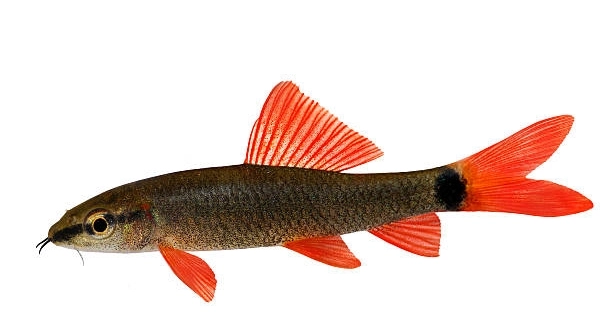
Rainbow sharks are popular aquarium fish known for their sleek bodies and vibrant colors. These fish need specific environments to thrive, including plenty of places to hide. Proper hiding spots help reduce their stress and promote natural behaviors.
A rainbow shark requires multiple hiding spots to feel secure and reduce aggression. Without adequate shelter, these fish may become stressed, exhibit territorial behavior, and show signs of poor health. Providing enough hiding areas is essential for their well-being and peaceful tank life.
Understanding the importance of hiding spots can improve your fish’s health and harmony in the aquarium. The following signs will help you identify when your rainbow shark needs more shelter to feel comfortable.
Signs of Stress and Aggression
When a rainbow shark lacks enough hiding spots, it often becomes stressed. This stress can lead to aggressive behavior toward other fish. You might notice your shark chasing tank mates or biting fins. These actions are signs it feels threatened or overcrowded. Stress can also weaken the fish’s immune system, making it more vulnerable to illness. Providing adequate hiding areas helps reduce these behaviors. Hiding places give the fish a safe retreat, allowing it to feel more secure and less likely to act aggressively. Without these shelters, the fish can become anxious and restless, negatively affecting the tank’s overall harmony. Adding caves, plants, or decorations designed for hiding can make a significant difference in your rainbow shark’s behavior and health.
A stressed rainbow shark often acts aggressively and avoids interaction, signaling it needs more hiding spots for comfort.
Understanding stress signs will help you create a peaceful environment where your rainbow shark can thrive naturally.
Changes in Appetite and Activity
A lack of hiding places can affect how much your rainbow shark eats and moves. When the fish feels unsafe, it may eat less or refuse food altogether. This change in appetite is a clear indicator of discomfort. The shark might also hide in open areas or stay very still to avoid attention. Normally active and curious, a stressed rainbow shark will lose interest in exploring the tank. Over time, decreased activity can weaken its health and slow growth. Ensuring enough hiding spots allows the fish to rest comfortably and regain its normal feeding and swimming habits. When your rainbow shark has proper shelter, it feels secure enough to eat well and stay active, which are signs of good health.
When hiding places are scarce, appetite drops and activity slows, indicating the fish feels insecure or stressed.
Providing adequate shelter restores natural behavior and supports healthy feeding and movement in the tank.
Visible Signs of Physical Damage
Rainbow sharks that lack hiding spots may develop physical injuries. You might notice torn fins or small wounds on their bodies. These damages often result from frequent chasing or fighting with other fish. Without a safe place to retreat, the shark becomes more vulnerable to these injuries.
Repeated aggression leads to stress-related damage. When your rainbow shark has no proper shelter, it may swim frantically or hide in unsafe areas. This increases the chance of scraping against rough decorations or tank walls, causing physical harm. Such injuries can invite infections if left untreated. Adding soft plants or smooth caves reduces these risks by offering safe spaces to rest and recover. Proper hiding spots are essential to prevent injury and keep your fish healthy.
Physical damage also signals a need for better tank layout. Rearranging decorations to create more hiding areas helps reduce stress and limits harmful encounters. Providing multiple shelters improves the overall safety and well-being of your rainbow shark.
Changes in Color and Appearance
A rainbow shark’s color can fade when it feels stressed or insecure. Dull or pale coloration often means the fish is not comfortable in its environment. Lack of hiding spots may cause this change, reflecting poor health or stress. When the fish finds enough shelter, its bright colors usually return, signaling improved well-being.
Color fading is linked to stress hormones affecting pigmentation. Without safe retreats, the fish’s body reacts negatively, impacting appearance. Providing dark, covered spaces mimics natural habitats and reduces stress levels. Plants, rocks, and caves all contribute to creating these areas. Maintaining stable water conditions alongside adequate hiding spots supports vibrant coloration and overall health. Observing changes in color is an easy way to monitor your fish’s comfort and adjust the tank environment accordingly.
Restlessness and Erratic Swimming
A rainbow shark that lacks hiding spots may swim erratically or appear restless. This behavior shows the fish feels unsafe or stressed in its environment.
Erratic swimming can cause exhaustion and make the fish more vulnerable to illness. Providing proper hiding places calms the shark and encourages natural, calm movement.
Lack of Territory Control
Rainbow sharks are territorial by nature and need hiding spots to establish safe zones. Without these, they cannot control their space effectively, leading to conflicts and stress.
Adequate hiding places allow the fish to feel secure and maintain healthy social interactions with tank mates.
Reduced Breeding Behavior
A rainbow shark without enough hiding spots may show little to no breeding behavior. Shelter is necessary for feeling safe enough to reproduce.
Creating a secure environment with plenty of cover encourages natural breeding habits and supports population growth.
Unexplained Weight Loss
Weight loss in a rainbow shark can result from stress caused by insufficient hiding places. A stressed fish often eats less, leading to weight decline.
How many hiding spots does a rainbow shark need?
Rainbow sharks need multiple hiding spots to feel secure. Ideally, you should provide at least three to five shelters scattered around the tank. This allows the fish to choose a safe space based on its mood or territory needs. Having several options helps reduce stress and aggression, creating a calmer environment for both the shark and other tank mates.
What types of hiding spots are best for rainbow sharks?
Smooth caves, dense plants, and driftwood make excellent hiding spots. These provide natural cover and mimic the fish’s natural habitat. Avoid sharp or rough decorations that could injure your rainbow shark. Artificial caves designed for fish tanks work well, but live plants offer the added benefit of improving water quality and creating a more natural feel.
Can too many hiding spots be a problem?
While hiding spots are important, overcrowding the tank with decorations can reduce swimming space and water circulation. It’s essential to balance hiding areas with open swimming zones. Overcrowding can cause water quality issues and stress due to limited movement, so aim for a well-planned tank layout that supports both shelter and activity.
How do I know if my rainbow shark is using its hiding spots?
You can observe your fish’s behavior during different times of the day. Rainbow sharks typically hide during rest periods or when feeling threatened. If you see the fish frequently retreating to caves or plants, it indicates the hiding spots are serving their purpose. Lack of use might mean the shelters are poorly placed or uncomfortable.
Can hiding spots reduce aggression between rainbow sharks and other fish?
Yes, adequate hiding spots can significantly reduce territorial disputes. When rainbow sharks have places to retreat, they are less likely to chase or attack tank mates. These shelters help break lines of sight, which limits aggressive encounters. Providing multiple hiding spots spreads out territories and reduces tension within the tank.
What signs show my rainbow shark is stressed due to lack of hiding spots?
Stress signs include erratic swimming, aggression, faded colors, loss of appetite, and physical injuries. The fish may also hide in exposed or unsafe areas or appear restless. These behaviors indicate the environment does not meet its needs for security. Adding more hiding places usually improves the fish’s condition.
How often should I clean or rearrange hiding spots?
Cleaning decorations and hiding spots every few weeks helps prevent algae buildup and maintains water quality. Rearranging hiding spots occasionally can stimulate your rainbow shark and encourage exploration, but avoid drastic changes that cause stress. Gentle adjustments help keep the environment interesting and comfortable.
Are live plants better than artificial decorations for hiding spots?
Live plants provide natural cover and improve water conditions by absorbing nitrates. They create a healthier and more natural environment. However, some artificial decorations offer sturdier, longer-lasting hiding spots. Combining both types gives your rainbow shark a variety of shelters and enhances the tank’s overall appeal.
Can hiding spots help a sick or injured rainbow shark?
Yes, safe hiding places allow a sick or injured fish to rest without disturbance. Shelter reduces stress and promotes healing. During recovery, your rainbow shark will benefit from quiet, secure areas where it can avoid bullying or excessive swimming. Make sure hiding spots are easy to access and free of sharp edges.
What materials are safe for making DIY hiding spots?
Smooth rocks, coconut shells, and untreated wood can be used to create homemade shelters. Make sure materials are aquarium-safe, non-toxic, and thoroughly cleaned before placing them in the tank. Avoid metals, treated wood, or anything that might leach harmful substances into the water.
How does tank size affect the need for hiding spots?
Larger tanks require more hiding spots to accommodate increased space and multiple territories. Small tanks need fewer shelters but must still provide enough places for the fish to feel secure. The number and size of hiding spots should scale with tank dimensions and the number of fish.
Can hiding spots help reduce stress during water changes?
Yes, hiding spots offer a refuge when water parameters fluctuate during maintenance. Fish can retreat and feel safer as the environment changes. Proper shelter helps minimize stress responses, making water changes less traumatic for your rainbow shark.
Is it necessary to provide hiding spots for all fish species in a community tank?
While hiding spots mainly benefit territorial or shy species like rainbow sharks, other fish also use shelters to feel secure. Providing enough hiding places for all tank inhabitants promotes peaceful coexistence and reduces overall stress levels. It supports a balanced and healthy aquarium environment.
Providing enough hiding spots is crucial for the well-being of a rainbow shark. These fish rely on shelters to feel safe and reduce stress. Without proper hiding places, they may show signs of aggression, physical damage, or changes in behavior and appearance. Adding caves, plants, and other structures creates a more natural environment where the fish can retreat when it feels threatened or needs rest. This not only improves the shark’s health but also contributes to a more peaceful aquarium overall.
When setting up hiding spots, it is important to balance shelter with open swimming space. Overcrowding the tank with decorations can limit movement and affect water quality. Using a variety of hiding places helps meet the fish’s need for security while allowing room to swim freely. Observing your rainbow shark’s behavior can guide you in adjusting the number and placement of these shelters. If the fish frequently hides or shows signs of stress, increasing or rearranging hiding spots may help. Maintaining a clean environment and regularly checking decorations ensures that hiding areas remain safe and inviting.
In summary, hiding spots play a vital role in the health and happiness of rainbow sharks. They help reduce stress, prevent aggression, and support natural behaviors like feeding and breeding. By providing enough secure spaces, you create an environment where your rainbow shark can thrive. Paying attention to its needs and making thoughtful changes will benefit both the fish and the entire aquarium community. Taking the time to set up and maintain proper hiding spots is a simple but effective way to improve your rainbow shark’s quality of life.

Hello,
If you enjoy the content that we create, please consider saying a "Thank You!" by leaving a tip.
Every little bit helps us continue crafting quality advice that supports the health, happiness, and well-being of pets around the world, for pets of all shapes, sizes, and species.
We really appreciate the kindness and support that you show us!