
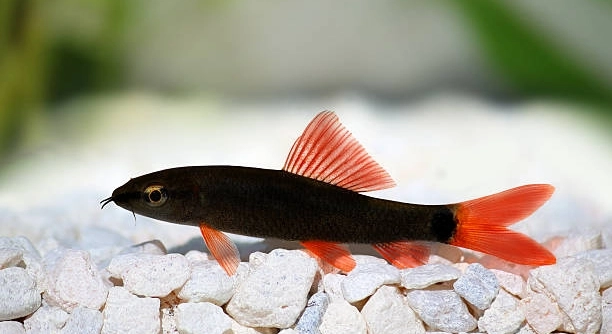
Is your rainbow shark constantly darting around the tank or hiding behind decorations more than usual? These signs can point to stress, and helping your fish feel safe and calm is important for its health.
The most effective way to help your rainbow shark relax is by creating a stable environment with proper tank mates, hiding spots, and consistent water conditions. This reduces stress and promotes natural, peaceful behavior in your fish.
From choosing the right tank setup to understanding their behavior, these tips will help your rainbow shark feel more at home.
Give Them Enough Space
Rainbow sharks are territorial by nature, and one of the most important things you can do is give them enough room to swim freely. A small or overcrowded tank can make your fish feel confined and agitated. A minimum of 55 gallons is ideal for one adult rainbow shark. This allows them to establish their own space and avoid constant interaction with other fish. Keep the tank long and wide instead of tall, as they prefer swimming horizontally. Adding plants or decorations can help define boundaries, but they should not crowd the swimming area. Space allows the fish to feel in control, which reduces stress and supports natural behaviors like exploring and grazing. If your rainbow shark shares the tank with other fish, space becomes even more important to avoid aggression. A well-sized tank makes a noticeable difference in your shark’s comfort and activity levels.
A cramped tank can increase aggression, limit movement, and lead to stress-related behaviors like hiding or chasing.
Make sure you also check your tank’s layout. Avoid placing too many objects in the center of the tank. This keeps the swimming path clear and helps your rainbow shark avoid feeling trapped. Consider rearranging items if space still feels limited.
Choose Tank Mates Carefully
Rainbow sharks do not like sharing space with similar-looking or bottom-dwelling fish.
When choosing tank mates, avoid fish that have a similar shape, size, or behavior. Rainbow sharks can become territorial, especially with other bottom dwellers like red-tailed sharks, catfish, or loaches. This can lead to stress, chasing, or injury. Instead, go with peaceful, mid-to-top-level swimmers that won’t invade your shark’s space. Tetras, barbs, and danios often work well because they are quick and stay higher in the tank. Also, avoid slow swimmers with long fins, like angelfish or guppies, since rainbow sharks might nip at them. Introducing all fish at the same time can also help prevent one from claiming the tank as its own. If your rainbow shark is already aggressive, rearranging decorations and hiding spots before adding new fish may reduce tension. Keep a close eye after introducing new tank mates. Signs like constant chasing or hiding may mean it’s not a good match.
Maintain Stable Water Conditions
Rainbow sharks are sensitive to water changes, and even small shifts can make them stressed. Keep the temperature between 75–81°F, pH around 6.5–7.5, and ammonia and nitrite at zero. Test your water weekly to keep things stable.
Consistency matters more than perfection. Sudden changes in temperature or pH can trigger erratic behavior, hiding, or loss of appetite. Use a reliable heater and thermometer to maintain a steady temperature, and perform partial water changes regularly—about 20–25% once a week. Always dechlorinate new water before adding it to the tank. If your local tap water is too hard or soft, consider using a water conditioner or mixing with RO water. Stability in water quality reduces stress and supports your fish’s immune system. Avoid overfeeding, as it can pollute the tank and cause spikes in ammonia. Clean the substrate weekly to remove waste and uneaten food that could upset the balance.
Always introduce changes slowly. If you’re adjusting temperature or pH, do it in small increments over several hours. Never do a full water change unless there’s an emergency. Rainbow sharks prefer slow, predictable changes, and keeping the tank stable will help your fish feel safe. A well-maintained tank supports not just their health but also their natural activity levels.
Add Hiding Spots and Visual Barriers
Rainbow sharks feel safer when they have a place to retreat. Even a confident fish needs time alone.
Use decorations like driftwood, caves, rock structures, or large plants to create hiding spaces. These spots allow the rainbow shark to rest or escape when feeling overwhelmed. Visual barriers help divide the tank into zones, which makes the space feel bigger and reduces the chance of constant interaction with other fish. This is especially helpful in community tanks. Aim for at least two hiding spots if possible, and try to place them at opposite ends of the tank. Avoid placing all decor in one area, as this limits the usable space and can create competition over the same hiding spots. You can also use tall plants to block line of sight between active areas. When the shark has privacy and space, it is more likely to stay calm and show natural behaviors.
Reduce Tank Reflections
Rainbow sharks can get stressed if they constantly see their own reflection. They may mistake it for another fish and become aggressive or anxious. This usually happens when the tank lighting is too bright or the background is too reflective.
Try dimming the lights or adding a solid background to the tank. You can also place decorations near the glass to break up reflections. Keeping the outside of the glass clean helps too. A calm, low-stress environment makes a big difference in your fish’s behavior and comfort.
Feed a Balanced Diet
A healthy diet supports both physical health and mental calm. Rainbow sharks are omnivores, so mix plant-based flakes or pellets with occasional protein like bloodworms, brine shrimp, or daphnia. Avoid overfeeding—just what they can finish in a few minutes once or twice a day. Uneaten food can pollute the water, which adds to their stress. Try feeding at the same time daily to build a routine. You can also use sinking foods since they often feed near the bottom. Providing variety helps keep your rainbow shark active, healthy, and more relaxed in the long run.
Keep Noise and Vibrations Low
Loud noises or tank vibrations can startle your rainbow shark. Avoid tapping on the glass and keep the tank away from speakers or heavy foot traffic. A quiet, stable environment will help them stay calm.
FAQ
How often should I clean my rainbow shark’s tank?
Regular cleaning is key to keeping your rainbow shark relaxed and healthy. Perform a partial water change of about 20-25% once a week to remove waste and keep water parameters stable. Clean the substrate by siphoning out leftover food and debris to prevent buildup. Avoid full water changes unless absolutely necessary, as they can cause sudden shifts in water quality that stress your fish. Keeping the tank clean but stable supports your fish’s immune system and reduces erratic behavior caused by poor water conditions.
What tank size is best for a rainbow shark?
A tank of at least 55 gallons is recommended for a single adult rainbow shark. These fish need space to swim horizontally and to establish their territory. Larger tanks also help dilute waste and reduce aggression by giving the fish room to avoid each other. If you plan on having tank mates, consider even more space to prevent stress and territorial disputes. Long and wide tanks are better than tall ones since rainbow sharks prefer swimming across the bottom.
Can rainbow sharks live with other fish?
Yes, but tank mates must be chosen carefully. Avoid fish that resemble rainbow sharks or live at the bottom, like other sharks or catfish, to reduce aggression. Peaceful, mid-to-top swimmers such as tetras, barbs, and danios usually coexist well. Introducing all fish at once can help reduce territorial behavior. Always monitor interactions and provide plenty of hiding spots to keep peace. If aggression appears, it may be necessary to separate or rehome some fish.
What should I feed my rainbow shark?
Rainbow sharks are omnivores and require a varied diet. Provide high-quality sinking pellets or flakes designed for omnivores. Supplement with live or frozen protein treats like bloodworms, brine shrimp, or daphnia once or twice a week. Include some vegetable matter such as spirulina flakes or blanched vegetables like zucchini or spinach. Feed small amounts once or twice daily, only what they can eat in a few minutes, to prevent overfeeding and water pollution.
Why is my rainbow shark hiding so much?
Hiding is normal behavior but excessive hiding can indicate stress. Causes include overcrowding, aggressive tank mates, poor water quality, or lack of hiding spots. Make sure your tank is large enough, water conditions are stable, and there are enough decorations or plants for your fish to retreat to. Also, check for reflections or sudden noises that may frighten your fish. Improving these factors often encourages your rainbow shark to explore more.
How do I prevent my rainbow shark from becoming aggressive?
Aggression usually stems from territorial behavior or stress. Provide a spacious tank with plenty of hiding spots and visual barriers to reduce direct confrontations. Choose peaceful, non-bottom dwelling tank mates and avoid overcrowding. Maintain stable water conditions and feed a balanced diet regularly. Rearranging decorations occasionally can disrupt territories and reduce dominance fights. Keep an eye on your fish’s behavior and separate aggressive individuals if needed to protect all tank inhabitants.
What water parameters are best for rainbow sharks?
Maintain a temperature between 75°F and 81°F (24°C–27°C), pH levels around 6.5 to 7.5, and hardness between 5 and 15 dGH. Ammonia and nitrite should always be zero, with nitrate kept low through regular water changes. Using a good filtration system helps keep the water clean and oxygenated. Consistency is more important than hitting perfect numbers—avoid sudden changes that can cause stress or illness.
How can I reduce stress during tank maintenance?
Perform water changes slowly and regularly to avoid sudden changes in water chemistry. Use a water conditioner to neutralize chlorine and chloramine before adding new water. Avoid disturbing your fish too much during cleaning and keep noise levels low. Remove uneaten food promptly and clean decorations gently without harsh chemicals. Maintaining a predictable routine with minimal disruption helps your rainbow shark feel safe.
Is it normal for rainbow sharks to be active mostly at night?
Rainbow sharks are more active during dawn, dusk, and night since they are crepuscular fish. This natural behavior means they may hide during the day and become more active when the lights dim. Providing dim lighting or plants for shade can help mimic their natural environment. Don’t worry if your fish seems shy during the day—this is typical and not a sign of poor health unless accompanied by other symptoms.
What signs indicate my rainbow shark is healthy?
A healthy rainbow shark swims actively, explores the tank, and shows interest in food. Its colors are bright and clear, fins are intact without tears, and the body is free of spots or growths. It breathes steadily without gasping at the surface and responds calmly to your presence. If your fish hides occasionally but behaves normally otherwise, it is likely healthy and comfortable. Changes in behavior, appetite, or appearance warrant closer attention and possible water testing.
Taking good care of a rainbow shark means paying attention to several important details that help keep it calm and healthy. These fish need enough space in their tank to swim freely without feeling crowded. Overcrowding can cause stress and aggression, which can lead to unhealthy behaviors. Providing hiding spots and decorations not only breaks up the space but also offers a place for your fish to feel safe when it needs to retreat. Stable water conditions are just as important. Keeping the temperature, pH, and cleanliness steady helps prevent sudden changes that might upset your rainbow shark. Regular, partial water changes and testing the water quality are simple steps that make a big difference.
Choosing the right tank mates also plays a key role in maintaining a peaceful environment. Rainbow sharks can be territorial, especially with other bottom-dwelling fish or similar-looking species. Choosing peaceful fish that swim in different parts of the tank can reduce conflicts and make your rainbow shark feel more comfortable. Feeding a balanced diet suited to their omnivorous nature supports their health and keeps them active. Overfeeding or poor diet can lead to water problems and stress, so it’s best to feed small amounts regularly and remove uneaten food promptly. These care practices combined create a tank environment where your rainbow shark can relax and thrive.
Finally, paying attention to the little things around the tank environment can also improve your fish’s well-being. Reducing reflections on the tank glass, keeping noise and vibrations low, and avoiding sudden disturbances all help lower stress levels. Rainbow sharks have natural behaviors and rhythms, such as being more active during certain times of the day, and allowing for these behaviors promotes a sense of security. Taking time to understand their needs and making adjustments when necessary will help your rainbow shark live a calm, healthy life. This care not only benefits your fish but also makes watching them more enjoyable.

Hello,
If you enjoy the content that we create, please consider saying a "Thank You!" by leaving a tip.
Every little bit helps us continue crafting quality advice that supports the health, happiness, and well-being of pets around the world, for pets of all shapes, sizes, and species.
We really appreciate the kindness and support that you show us!