
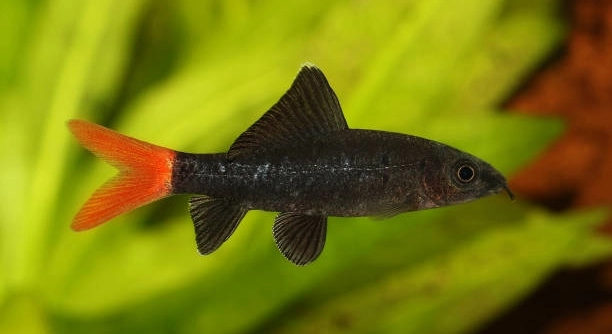
Rainbow sharks are popular aquarium fish known for their vibrant colors and active behavior. They thrive in community tanks but can sometimes show signs of stress or loneliness. Recognizing these signs early helps maintain their well-being and happiness.
Loneliness in rainbow sharks often results from inadequate social interaction or improper tank conditions. Symptoms include reduced activity, hiding, loss of appetite, and faded coloration. Addressing these signs involves adjusting tank mates, environment, or adding companions to promote social engagement.
Knowing how to spot loneliness and improve your fish’s environment ensures a healthier, more vibrant tank. This article will guide you through key signs and effective solutions.
Common Signs Your Rainbow Shark Is Lonely
A lonely rainbow shark often shows changes in its behavior and appearance. One clear sign is a sudden drop in activity. Your fish may stay hidden in corners or under decorations much more than usual. They might stop exploring the tank or interacting with other fish. Another sign is a loss of appetite. When your rainbow shark refuses food or eats less, it could be feeling isolated. You may also notice the colors fading. A bright fish turning dull is a red flag. Sometimes, a lonely rainbow shark becomes aggressive toward tank mates or its own reflection. These behaviors are ways it tries to cope with loneliness. Observing these signs early is important for taking action. Proper care and attention can help your fish feel more comfortable and thrive in its environment.
Loneliness can also lead to weakened immunity, making your fish prone to diseases. Preventing this is key for their health.
Watching your rainbow shark’s behavior closely can save it from stress and health issues. Learning these signs helps you act before problems worsen, improving your fish’s quality of life.
How to Fix Loneliness in Your Rainbow Shark
To reduce loneliness, start by checking your tank setup. Rainbow sharks need enough space to swim freely. A tank smaller than 30 gallons can cause stress and isolation. Make sure your tank has hiding spots like caves or plants where the fish can feel safe. Introducing compatible tank mates can encourage social behavior but avoid overcrowding. Choose peaceful species that won’t compete aggressively for space. Sometimes adding one or two other rainbow sharks can help, but only if the tank is large enough to prevent territorial disputes. Adjusting water temperature and quality also supports comfort. Keep the temperature between 74-80°F and maintain clean water through regular changes. Monitoring these factors creates a balanced environment that helps your fish feel less lonely and more secure. Taking these steps ensures your rainbow shark stays healthy and active, enjoying its home to the fullest.
Improving Tank Environment for Social Comfort
Creating a comfortable environment helps your rainbow shark feel less lonely. Proper decorations and space matter most. Avoid overcrowding while providing hiding spots and open swimming areas.
Adding plants and smooth rocks creates natural hiding places that reduce stress. These features give your fish a chance to rest and feel safe. Open swimming space is just as important to keep the fish active. Avoid sharp decorations that could injure your shark. Proper lighting also supports a healthy environment by simulating natural day and night cycles. This balance reduces stress and encourages natural behaviors. Keeping the water clean and maintaining stable conditions will help your rainbow shark thrive socially and physically.
A well-arranged tank promotes healthy interactions between fish. It reduces territorial fights and helps your rainbow shark engage more with its surroundings. This balance of comfort and activity lowers loneliness risks and improves overall well-being.
Choosing Suitable Tank Mates
Selecting the right tank mates is essential to reduce loneliness in rainbow sharks. Peaceful fish of similar size work best. Avoid aggressive or very small species. Overly aggressive fish can increase stress and cause injury. Very small fish might become targets, increasing tension in the tank. Ideal companions include barbs, danios, or larger tetras. These fish can coexist without threatening your rainbow shark’s territory. Introducing new fish gradually gives your rainbow shark time to adjust. Always observe interactions closely to prevent bullying. Proper social grouping lowers loneliness and creates a balanced tank community.
Signs of Stress Beyond Loneliness
Stress often accompanies loneliness in rainbow sharks. Watch for rapid breathing, erratic swimming, or rubbing against objects. These behaviors signal discomfort that needs addressing quickly.
Ignoring stress can lead to health issues like infections or weakened immunity. Early detection helps prevent long-term problems and keeps your fish healthy.
Adjusting Feeding Habits
Feeding your rainbow shark properly supports both health and social comfort. Offer a balanced diet with high-quality pellets, occasional live or frozen foods, and fresh vegetables. Feed small amounts twice daily to prevent overeating.
Consistent feeding times help create a routine that reduces stress. Avoid overfeeding as it pollutes the water, causing discomfort and promoting illness. Balanced nutrition strengthens your fish’s resilience and encourages normal behavior, aiding recovery from loneliness.
Monitoring Water Quality
Regularly test your tank water for ammonia, nitrite, and nitrate levels. Keeping these within safe limits is vital for your fish’s health.
Clean water reduces stress and supports a thriving environment for your rainbow shark.
FAQ
How many rainbow sharks can live together in one tank?
Rainbow sharks are territorial and need enough space to avoid fights. In tanks 40 gallons or larger, you can keep two or three rainbow sharks. Smaller tanks should only have one to prevent aggression. Make sure to add plenty of hiding spots to reduce conflicts. Observing their behavior is important, as some may be more territorial than others. Adding new rainbow sharks gradually also helps them adjust.
Can a rainbow shark live alone?
Yes, rainbow sharks can live alone, but they may show signs of loneliness or boredom. Providing enrichment like decorations, plants, and regular interaction can help. However, they often do better with compatible tank mates or another rainbow shark in a large enough tank.
What are the best tank mates for rainbow sharks?
Good tank mates include peaceful species like danios, barbs, and larger tetras. Avoid small or slow-moving fish that might get bullied, and aggressive species that could cause stress. The goal is to have companions that won’t compete aggressively for space or food.
Why is my rainbow shark hiding all the time?
Hiding often can be a sign of stress, loneliness, or illness. It might feel threatened by tank mates or uncomfortable with the tank setup. Check water quality, temperature, and tank environment to make sure everything suits your fish’s needs. Adding hiding spots helps, but too much hiding may indicate a problem.
How can I tell if my rainbow shark is stressed?
Signs of stress include erratic swimming, loss of appetite, faded colors, and rapid breathing. Your fish might also rub against tank objects or stay hidden. Stress can come from poor water quality, wrong tank mates, or an unsuitable environment.
What should I feed a rainbow shark?
Rainbow sharks eat a variety of foods including sinking pellets, flakes, live or frozen bloodworms, brine shrimp, and vegetables like zucchini or cucumber. Feeding a balanced diet twice a day supports health and natural behavior. Avoid overfeeding to keep water clean.
How often should I clean my rainbow shark’s tank?
Regular maintenance is important to keep water safe and clean. Perform partial water changes of about 20-25% weekly or biweekly, depending on tank size and fish load. Remove uneaten food and debris to prevent ammonia spikes, which stress your fish.
Can loneliness cause disease in rainbow sharks?
Loneliness itself doesn’t directly cause disease, but stress from isolation weakens the immune system. This makes the fish more vulnerable to infections and parasites. Keeping a healthy environment and social balance reduces these risks.
Is it normal for rainbow sharks to be aggressive?
Some aggression is natural, especially with other rainbow sharks. Territorial behavior is common but should not be excessive. Aggression can increase if the tank is overcrowded or lacks hiding spaces. Managing tank size and decorations helps keep aggression in check.
How can I introduce new fish to reduce loneliness?
Introduce new fish slowly by placing them in a separate container or using a tank divider at first. This allows your rainbow shark to get used to their presence without direct contact. Watch for signs of stress or aggression and remove new fish if problems arise. Gradual introductions help create a peaceful community.
What water temperature do rainbow sharks prefer?
Rainbow sharks thrive in temperatures between 74°F and 80°F. Keeping the temperature stable within this range reduces stress and supports normal activity and feeding behaviors.
Can adding plants help reduce loneliness?
Yes, plants provide hiding spots and enrich the environment. They also improve water quality by absorbing nitrates. Both natural and artificial plants can help your rainbow shark feel secure and less isolated.
Why does my rainbow shark chase other fish?
Chasing is often territorial behavior or a sign of boredom. It can also indicate the tank is too small or crowded. Providing more space and hiding places, along with compatible tank mates, helps reduce chasing.
Is it okay to keep just one rainbow shark?
Keeping one rainbow shark is fine if the tank is well-maintained and enriched. However, they do benefit from social interaction with other fish. Proper tank setup and enrichment help keep a single fish happy and healthy.
How long do rainbow sharks live?
Rainbow sharks live around 5 to 8 years with proper care. Good water quality, nutrition, and social environment contribute to a longer lifespan.
What signs show my rainbow shark is healthy?
A healthy rainbow shark is active, eats well, shows bright colors, and interacts calmly with tank mates. It swims smoothly and explores the tank without hiding excessively. Clear eyes and intact fins also indicate good health.
Rainbow sharks are beautiful and active fish that bring life to any aquarium. However, they can sometimes show signs of loneliness or stress, which affects their health and behavior. Understanding these signs early is important to provide the right care. Observing your rainbow shark closely can help you notice changes in activity, appetite, or color. These clues are ways your fish communicates its needs. When loneliness occurs, it usually results from an environment that lacks social interaction or space. By paying attention to your fish’s behavior, you can create a better living space that supports both its physical and mental well-being.
Creating the right environment involves more than just the tank size. Decorations like plants and hiding spots help your rainbow shark feel safe and reduce stress. Open swimming areas allow it to stay active and express natural behaviors. Choosing compatible tank mates is another key part of reducing loneliness. Peaceful fish of similar size usually work best. Overcrowding or mixing aggressive species can increase stress and cause fights. It’s important to maintain water quality and temperature within the recommended ranges, as poor water conditions also add to stress. When these factors are balanced, your rainbow shark is more likely to thrive, showing vibrant colors and healthy activity levels.
Taking care of a rainbow shark means watching for early warning signs and making changes as needed. Feeding a balanced diet and maintaining regular tank cleaning helps keep your fish healthy. Introducing companions carefully or improving the tank environment can reduce loneliness and stress. A well-cared-for rainbow shark lives a longer, happier life in your aquarium. Keeping your fish comfortable and engaged improves its behavior and overall health, making your aquarium a better place for all its inhabitants.

Hello,
If you enjoy the content that we create, please consider saying a "Thank You!" by leaving a tip.
Every little bit helps us continue crafting quality advice that supports the health, happiness, and well-being of pets around the world, for pets of all shapes, sizes, and species.
We really appreciate the kindness and support that you show us!