
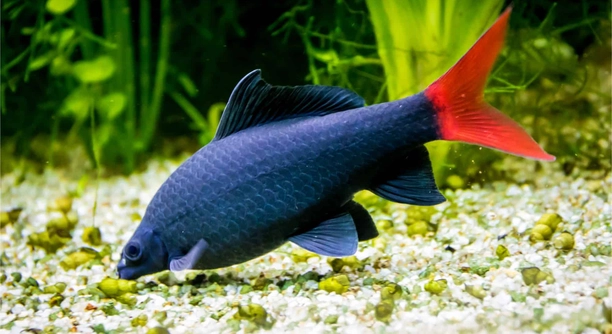
Rainbow sharks are popular aquarium fish known for their vibrant colors and active nature. Many owners enjoy watching their unique swimming patterns and interactions within the tank environment. However, these fish can sometimes show signs of discomfort in their setup.
Rainbow sharks may display stress through erratic swimming, loss of color, hiding, or aggression. Such behaviors indicate that the tank conditions—such as water quality, space, or decorations—are not meeting the fish’s needs, affecting its well-being.
Recognizing these signs early can help maintain a healthy and comfortable habitat for your rainbow shark. Proper tank care ensures your fish thrives and remains active for years.
Erratic Swimming Patterns
When a rainbow shark is uncomfortable, one of the first signs you might notice is erratic swimming. This behavior can include sudden bursts of speed, frequent darting, or swimming against the tank glass. Such actions usually indicate stress or irritation. Causes for this behavior often relate to water quality issues, including inappropriate temperature, pH imbalance, or high ammonia levels. Additionally, overcrowding or lack of hiding places can make the fish feel exposed and vulnerable. Monitoring your tank conditions regularly and ensuring proper filtration can help reduce these stress behaviors. A well-maintained environment encourages more natural, calm swimming patterns.
Erratic swimming is an early indicator that your fish is struggling to adapt. Addressing the tank environment promptly can prevent further health issues.
Providing plenty of space and hiding spots helps the rainbow shark feel secure. Keep water parameters stable by performing regular water changes. Observing the fish daily allows you to catch these signs early and make adjustments before discomfort escalates.
Loss of Color and Dull Appearance
A dull or faded color in your rainbow shark is a clear sign that it is not thriving. Healthy rainbow sharks display bright, vivid hues, which tend to fade when the fish is stressed or ill. Several factors contribute to this change. Poor water quality, inadequate nutrition, or excessive light exposure can all diminish coloration. Stress from aggressive tank mates or unsuitable tank conditions may also play a role. Ensuring your fish receives a balanced diet rich in nutrients and maintaining stable water parameters can help restore its natural vibrancy. Regular tank maintenance is crucial for preserving the fish’s health and appearance.
When rainbow sharks lose their color, it signals deeper issues within their habitat or care routine.
To improve color, focus on clean water, appropriate lighting, and a diet with high-quality, color-enhancing foods. Minimize stress by avoiding overcrowding and aggressive fish species. Keep an eye on your tank’s environment, making small improvements to promote a healthier, more vibrant fish.
Excessive Hiding
Rainbow sharks that hide excessively are often uncomfortable or stressed. They may retreat behind decorations, plants, or in tank corners for long periods. This behavior suggests that the environment feels unsafe or unsuitable for their needs.
Excessive hiding usually results from factors like poor water quality, overcrowding, or aggressive tank mates. When the tank lacks sufficient hiding spots, the fish may still feel vulnerable and stressed. To reduce hiding, provide plenty of hiding places such as caves or dense plants. Also, ensure your tank is spacious enough and water conditions are optimal. Regular monitoring and adjustments help the fish regain confidence to explore more openly.
If your rainbow shark hides most of the time, it may indicate serious discomfort. Improving tank conditions and minimizing stress factors can encourage more normal behavior.
Aggression Towards Tank Mates
Aggression in rainbow sharks is a common sign of discomfort or territorial stress. When a fish feels cramped or stressed, it may become more aggressive toward other tank mates. This behavior can include chasing, fin-nipping, or blocking other fish from areas of the tank.
Aggression usually points to issues with tank size, inadequate hiding spots, or incompatible fish species. Rainbow sharks need enough space to claim their own territory and avoid constant confrontation. Providing a larger tank and rearranging decorations to break sightlines can reduce territorial disputes. Also, avoid placing overly aggressive or very timid species together. Maintaining good water quality and a stable environment can help reduce stress-induced aggression, promoting a more peaceful aquarium.
Loss of Appetite
Loss of appetite in rainbow sharks often signals stress or illness. When fish stop eating, it can quickly affect their health. This behavior usually results from poor water conditions or discomfort in the tank environment.
Monitoring water parameters and offering fresh, varied food can help stimulate appetite. Addressing tank issues promptly prevents long-term health problems.
Lethargy and Reduced Activity
Lethargy in rainbow sharks is a serious sign of discomfort. When a fish becomes inactive or spends most time resting on the tank bottom, it indicates stress, poor water quality, or illness. Prompt attention to water parameters and tank setup is essential to help restore normal activity levels.
Frequent Scraping or Rubbing
If your rainbow shark frequently rubs or scrapes its body against tank surfaces, it may be reacting to irritation. This behavior is often caused by parasites, poor water quality, or rough decorations that cause physical discomfort. Addressing these issues quickly is important for the fish’s health.
What causes my rainbow shark to hide so much?
Rainbow sharks hide frequently when they feel stressed or threatened. Common causes include poor water quality, overcrowding, aggressive tank mates, or lack of sufficient hiding spots. They need places to retreat where they feel safe. If these needs are not met, hiding becomes a coping mechanism.
Improving tank conditions by adding caves or plants, maintaining proper water parameters, and ensuring a peaceful community can reduce hiding behavior. Regular observation helps identify triggers and make adjustments quickly.
Why is my rainbow shark swimming erratically?
Erratic swimming often signals stress due to unsuitable tank conditions. This includes wrong water temperature, high ammonia or nitrate levels, or insufficient oxygen. It may also result from discomfort caused by aggressive tank mates or lack of space. Erratic movements are the fish’s way of showing it is unhappy.
Regular water testing and tank maintenance help maintain stable conditions. Provide adequate space and ensure compatible tank mates to promote calm swimming. Monitoring behavior closely allows for early intervention.
How can I tell if my rainbow shark is stressed?
Signs of stress in rainbow sharks include loss of color, hiding excessively, aggression, erratic swimming, loss of appetite, lethargy, and frequent rubbing against surfaces. These behaviors indicate the fish is not comfortable with its environment or may be ill.
To reduce stress, maintain clean water, a properly sized tank, and a peaceful community. Provide hiding spots and a balanced diet. Early recognition and response to stress signs are essential to the fish’s health.
What tank conditions are best for a rainbow shark?
Rainbow sharks thrive in tanks that are at least 40 gallons, with stable water temperature between 74°F and 80°F, and a pH of 6.5 to 7.5. Filtration should be strong enough to keep the water clean, and regular water changes are necessary. The tank should have hiding places like caves or plants to provide security.
Avoid overcrowding and aggressive fish species. A well-maintained environment with stable parameters helps the rainbow shark feel secure and healthy.
How often should I clean the tank for my rainbow shark?
Perform partial water changes of 20-30% every week to maintain water quality. Clean the substrate and decorations regularly to prevent waste buildup. Avoid overcleaning, which can remove beneficial bacteria important for the tank’s ecosystem.
Routine maintenance supports stable water conditions and reduces stress. Monitoring water parameters frequently ensures the tank remains safe for your fish.
What should I feed my rainbow shark?
Rainbow sharks are omnivores and require a varied diet. Feed them high-quality sinking pellets or wafers, supplemented with live or frozen foods like bloodworms, brine shrimp, or daphnia. Occasionally, include vegetable matter such as blanched spinach or zucchini.
A balanced diet promotes healthy color and energy levels. Feed small amounts twice daily, avoiding overfeeding to prevent water pollution.
Can rainbow sharks live with other fish?
Yes, but tank mates must be chosen carefully. Rainbow sharks can be territorial, especially in smaller tanks. Peaceful, fast-swimming species that occupy different tank levels usually coexist better. Avoid slow-moving or long-finned fish, as they may become targets.
Providing enough space and hiding places minimizes aggression. Observing interactions helps identify any problems early.
What should I do if my rainbow shark shows signs of illness?
If your rainbow shark shows unusual behavior like lethargy, loss of appetite, or scraping, test the water immediately. Poor water quality is a common cause of illness. Perform a partial water change and improve filtration if needed. Isolate the fish if a contagious disease is suspected.
Consult an aquatic veterinarian or a knowledgeable fish store for diagnosis and treatment options. Acting quickly improves chances of recovery.
How can I reduce aggression in my rainbow shark?
Aggression is often due to territorial behavior or overcrowding. Increasing tank size gives each fish more space. Rearranging decorations to create barriers can reduce line-of-sight confrontations. Avoid aggressive tank mates and provide hiding places for retreat.
Consistent tank maintenance and stable water parameters reduce stress, which also lowers aggression levels. Monitoring behavior daily allows timely intervention.
What is the ideal tank setup for a rainbow shark?
An ideal tank setup includes a minimum of 40 gallons, smooth substrate, plenty of hiding spots like caves and plants, and open swimming areas. Use a strong filter to keep water clean, maintain stable temperature and pH, and ensure proper lighting. Avoid sharp decorations that could injure the fish.
Regular maintenance and monitoring support a comfortable environment where the rainbow shark can thrive.
Rainbow sharks are beautiful and active fish that can add interest to any aquarium. However, they require specific care and conditions to feel comfortable and healthy in their tank. Observing your fish closely for signs of stress or discomfort is important. These signs include erratic swimming, hiding too much, loss of color, aggression, or changes in appetite and activity. Each of these behaviors can tell you if something is wrong with your tank setup or water quality.
Maintaining a stable and clean environment is key to keeping your rainbow shark comfortable. Regular water changes, proper filtration, and keeping water parameters within the ideal range help prevent many common problems. It is also important to provide enough space and hiding places to reduce stress and territorial behavior. Avoid overcrowding and choose compatible tank mates to ensure a peaceful environment. Feeding your fish a balanced diet with a variety of foods supports their health and vibrant colors.
Taking the time to understand your rainbow shark’s needs and behaviors can make a significant difference in their well-being. Small adjustments in tank conditions or routine care can help your fish feel more secure and active. Being attentive to changes in behavior allows you to address problems early before they develop into serious health issues. With proper care, your rainbow shark can thrive and be a lively addition to your aquarium for many years.

Hello,
If you enjoy the content that we create, please consider saying a "Thank You!" by leaving a tip.
Every little bit helps us continue crafting quality advice that supports the health, happiness, and well-being of pets around the world, for pets of all shapes, sizes, and species.
We really appreciate the kindness and support that you show us!