
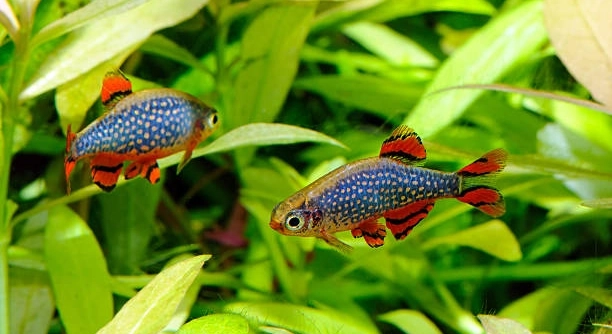
Danios are lively fish that display interesting behaviors even when light levels drop in their tank. Observing them during these quiet hours reveals patterns that are subtle yet important for understanding their daily routines and wellbeing.
During low light hours, danios often reduce their activity, rest near the bottom or in shaded areas, feed less frequently, interact quietly with tank mates, explore slowly, hide in plants, and occasionally display brief bursts of movement. These behaviors reflect natural adaptations to dim environments and contribute to their overall health and stability.
These patterns may seem simple, but they reveal key aspects of danios’ habits and needs. Observing them can enhance both care and appreciation of their behavior.
Reduced Activity During Low Light
As light levels drop in the aquarium, danios naturally slow down their movements. They often swim more slowly, pausing frequently, and may rest near decorations or plants. This reduced activity helps conserve energy and mirrors their behavior in natural environments during dusk or cloudy conditions. Even though they seem less active, their subtle movements indicate that they are still alert to changes in the tank. Observing this calm period can reveal patterns in swimming, interaction, and feeding, offering insight into their health and daily rhythm. During these hours, danios may cluster together or occupy corners of the tank, using shadows for security. Over time, these moments become predictable and can guide feeding schedules and tank management. Consistent lighting and low stress levels encourage a natural balance in their behavior. Watching them adapt to dimmer conditions offers a glimpse into their resilience and flexibility as small, social fish that thrive in structured environments.
This slowed behavior is normal and indicates a healthy adaptation to dim lighting.
Recognizing these periods of low activity helps aquarists plan feeding times and monitor stress. Danios adjust naturally, balancing movement and rest. Tank decorations, plants, and hiding spots support this adjustment, providing secure areas to settle. Observing their interactions during these quieter hours offers subtle insights into hierarchy, comfort, and energy conservation. Low light can reveal shy or dominant behaviors, allowing careful monitoring.
Feeding Adjustments in Dim Conditions
Danios eat less frequently when light is low. Their metabolism slows slightly, reducing immediate food needs.
Feeding during low light requires smaller portions. Overfeeding can lead to leftover waste, impacting water quality and fish health. Adjusting the amount encourages digestion and supports stable tank conditions.
Exploring Quietly
Danios often move slowly through the tank during low light, inspecting plants, rocks, and other structures without rushing. Their movements are deliberate and calm, showing curiosity without high energy bursts. This behavior helps them remain alert while conserving energy in dim conditions.
During these quiet explorations, danios may follow the same paths repeatedly, creating subtle routines that indicate comfort with their environment. They use shadows and hidden spaces to feel secure while still investigating surroundings. This behavior demonstrates adaptability and provides insight into their natural instincts. Tracking these movements can help identify favorite hiding spots, feeding preferences, and social interactions among tank mates, offering a more complete understanding of their habits.
These slow explorations are important for mental stimulation. Danios maintain awareness of their tank while avoiding unnecessary energy use. This balance supports overall health and encourages natural, stress-free activity patterns. Observing these behaviors regularly can improve tank setup and care practices.
Social Interactions
Danios communicate quietly during low light through subtle movements, fin displays, and positioning in the tank.
These interactions reveal hierarchy, bonding, and territorial tendencies. Even without bright light, they maintain group cohesion by following each other, adjusting spacing, and signaling with small gestures. Social behavior ensures safety and balance within the school.
Observing these interactions allows insight into individual personalities. Some danios remain close to dominant members, while others explore edges of the tank. These patterns can indicate confidence, curiosity, or stress. Low light emphasizes non-aggressive communication, with fewer conflicts and more synchronized movements. Group dynamics are more visible during these hours, highlighting cooperation, alertness, and mutual awareness that contribute to a stable and healthy school environment.
Hiding in Shadows
Danios often retreat to plants, rocks, or tank corners when light is low. This behavior provides safety and comfort, helping them feel secure while resting or observing their surroundings without drawing attention.
They use these shaded areas to reduce stress. Remaining partially hidden allows them to conserve energy while staying alert to potential changes in the tank environment.
Brief Bursts of Movement
Even during low light, danios sometimes dart suddenly across the tank. These quick movements can be responses to minor disturbances, interactions with tank mates, or playful exploration, reflecting their natural agility and alertness.
Adjusting Rest Patterns
Danios do not have strict sleep cycles, but they rest more quietly in dim conditions. Reduced activity and slower swimming indicate periods of low energy and recovery, supporting overall health and mental alertness.
Subtle Feeding
During low light, danios nibble gently at food. They may eat smaller amounts at a slower pace, conserving energy while meeting nutritional needs efficiently.
FAQ
Why do danios become less active during low light hours?
Danios naturally slow their movements when lighting decreases. Lower activity helps conserve energy, reduces stress, and mirrors patterns seen in natural habitats during dusk or cloudy conditions. Even while appearing inactive, they remain alert to tank changes, showing subtle swimming and interactions with other fish.
Do danios need special lighting to stay healthy?
Danios do not require overly bright lights. A standard aquarium light with a regular day-night cycle is sufficient. Consistent lighting helps regulate their activity, feeding habits, and rest patterns. Too much sudden brightness can stress them, while prolonged darkness may disrupt their natural behavior. Maintaining a stable schedule encourages predictable daily routines.
Can hiding during low light indicate illness?
Hiding is usually normal behavior in dim conditions. However, excessive hiding combined with other signs such as loss of appetite, discoloration, or erratic swimming may indicate stress or illness. Monitoring changes over time is essential to distinguish normal low-light retreat from health concerns.
Why do some danios dart suddenly even when lights are low?
Brief bursts of movement are natural responses to minor disturbances, tank vibrations, or social interactions. These quick movements are part of their alertness and agility. They help danios react to potential threats and maintain awareness of their environment without expending excessive energy.
Is it normal for danios to eat less during dim hours?
Yes, feeding naturally slows in low light. Danios reduce their metabolism slightly, nibbling smaller amounts at a slower pace. This helps prevent overfeeding, reduces waste, and supports digestion. Observing their appetite during low light can guide portion control and maintain water quality.
How do danios interact socially during low light?
Social interactions continue quietly with fin displays, subtle positioning, and synchronized swimming. Dominant and shy members of the school communicate without aggression. Low light emphasizes non-verbal cues, helping maintain hierarchy, cohesion, and overall group stability while reducing stress.
Can low light affect danios’ exploration habits?
Yes, they explore more slowly and deliberately. Moving through plants, rocks, and shaded areas allows them to assess their surroundings while conserving energy. Repetitive exploration patterns indicate comfort and familiarity with the tank, showing adaptation to dim conditions and supporting mental stimulation.
Do danios rest or sleep during low light hours?
Danios do not sleep like mammals, but they enter restful periods with reduced activity. Slower swimming, resting near plants, or staying close to decorations indicates recovery phases. These quiet moments are essential for maintaining health, balancing energy, and preventing stress.
Should feeding schedules change based on light levels?
Adjusting feeding to align with brighter periods is helpful. Smaller portions during dim hours prevent uneaten food and water quality issues. Observing natural feeding patterns allows aquarists to provide food when danios are most active, supporting nutrition without overfeeding.
How can I monitor danios’ health during low light?
Watch for changes in movement, hiding patterns, or appetite. Subtle differences in swimming, darting frequency, or social interaction can indicate stress or illness. Regular observation and maintaining clean, well-planted tanks help danios adapt naturally while supporting long-term wellbeing.
Do tank decorations influence behavior in low light?
Yes, plants, rocks, and shaded areas provide safe spots for resting and exploration. Decorations allow danios to hide comfortably, maintain social order, and engage in natural behaviors. Proper placement encourages mental stimulation and reduces stress, improving overall tank dynamics.
Is it normal for danios to cluster together in dim lighting?
Clustering is a natural social behavior. Danios stay close for security, warmth, and social cohesion. Grouping near preferred hiding spots or shaded corners helps them feel protected while maintaining gentle interaction with other school members, reflecting normal low-light adaptation.
How can I encourage healthy behavior during low light?
Maintain consistent lighting, clean water, and adequate hiding spaces. Observe natural swimming and feeding patterns, avoid sudden changes, and provide moderate portions during dim periods. Supporting their environment allows danios to adjust calmly, preserving energy, promoting alertness, and sustaining healthy social interactions.
Do danios’ bursts of activity ever indicate stress?
Occasional sudden movements are normal, but frequent, frantic darting may signal stress. Look for signs like gasping, clamped fins, or isolation. Adjusting lighting, reducing disturbances, and checking water quality can help maintain calm behavior while keeping them healthy and comfortable.
Can low light improve mental stimulation for danios?
Yes, slower exploration and careful social interactions during dim hours offer subtle mental challenges. Navigating plants, hiding spots, and interacting with the school encourages awareness, problem-solving, and social engagement, supporting overall cognitive health and adaptability in their environment.
Danios are small, lively fish that show a variety of behaviors during low light hours. Observing them during these periods reveals patterns that may otherwise go unnoticed. They slow down their movements, explore the tank quietly, and interact subtly with other fish. These behaviors are natural responses to reduced lighting and help them conserve energy while staying alert. Resting near plants, decorations, or shaded areas allows them to feel secure and maintain a sense of comfort in the tank. Even though they may appear inactive at first glance, subtle swimming, darting, and nibbling at food indicate that they remain engaged with their environment. Paying attention to these patterns gives insight into their daily rhythms and overall wellbeing.
During low light, danios adjust both their activity and feeding habits. They often eat smaller amounts more slowly, which prevents overfeeding and supports digestion. This slower pace is balanced with brief bursts of movement that allow them to respond to minor disturbances or interact with tank mates. Social interactions continue quietly, with fin displays, positioning, and synchronized swimming showing hierarchy and cohesion within the school. Hiding in shadows or clustering together is not a sign of illness but a natural way to feel secure and maintain social order. These adaptations illustrate the flexibility and intelligence of danios, showing how they navigate changes in light while keeping stress levels low and maintaining mental stimulation. Observing these behaviors regularly can inform adjustments in feeding, lighting, and tank setup to better suit their needs.
Understanding danios’ behaviors during low light is important for providing appropriate care. Consistent lighting, clean water, and adequate hiding spots contribute to a healthy environment where they can thrive. Watching them explore slowly, rest, feed efficiently, and interact subtly provides valuable insight into their preferences and natural habits. Recognizing patterns such as clustering, resting near plants, or small bursts of movement allows aquarists to monitor stress, health, and social dynamics effectively. Supporting these natural behaviors through thoughtful tank management enhances both their physical and mental wellbeing. Paying attention to how danios respond to low light hours creates a more stable and comfortable environment, ensuring that they remain active, alert, and healthy while adapting naturally to the rhythm of their surroundings.

Hello,
If you enjoy the content that we create, please consider saying a "Thank You!" by leaving a tip.
Every little bit helps us continue crafting quality advice that supports the health, happiness, and well-being of pets around the world, for pets of all shapes, sizes, and species.
We really appreciate the kindness and support that you show us!