
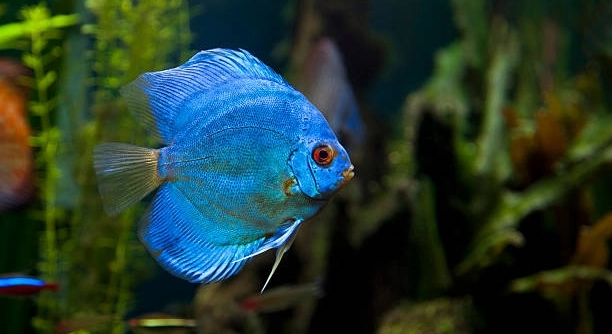
Do discus fish are popular freshwater aquarium pets known for their bright colors and calm behavior. Many owners observe their unique habits and wonder about their daily routines, including how they rest. Understanding these behaviors helps create a better environment for them.
Discus fish do sleep with their eyes open. Unlike humans, they lack eyelids, so their eyes remain open even when resting. This is a natural adaptation that allows them to stay alert to predators while still getting necessary rest.
Learning about discus fish sleep patterns can improve care and tank conditions. Knowing how they rest helps keep these beautiful fish healthy and stress-free in home aquariums.
Why Do Discus Fish Sleep with Their Eyes Open?
Discus fish don’t have eyelids, so they can’t close their eyes like humans do when they sleep. This is common in many fish species. Their eyes stay open to help them stay aware of their surroundings even while resting. In the wild, being alert helps protect them from predators. Even in aquariums, this instinct remains strong. Their sleep is more like a restful pause rather than deep sleep. During this time, their movement slows down, and their body functions calm, but their eyes remain open. Observing this can sometimes make it seem like they’re awake all the time, but they are resting. Understanding this behavior helps fish owners avoid unnecessary worry when they see their discus fish “awake” during rest periods. It’s just part of how these fish have adapted to stay safe in their environment.
Their open eyes during sleep are a survival adaptation that keeps them alert to any sudden changes or threats.
Knowing this helps create a calm and secure aquarium space where discus fish can rest properly without stress or disturbance.
How to Help Your Discus Fish Rest Well
Making sure your discus fish can rest well starts with providing a quiet, dim area in the tank. Bright lights or loud noises can stress them out and disturb their rest. Many owners find that turning off tank lights at night and keeping the environment calm helps fish settle down. Decorations like plants or caves give discus fish places to feel safe and hide if needed. Clean water and stable tank temperature also play important roles. When conditions are right, discus fish show clear signs of relaxation, like slow movements and resting near the bottom or on leaves. Watching these signs helps you know when they are actually resting, even with their eyes open. Providing a good resting environment supports their health and overall well-being.
Creating a peaceful tank environment encourages your discus fish to rest naturally and stay healthy.
Discus fish need stable conditions to feel secure enough to rest properly. This includes maintaining water quality with regular cleaning and proper filtration. Keeping the temperature steady between 82 to 86°F is important, as fluctuations can cause stress. Feeding a balanced diet also supports their energy and rest cycles. Many hobbyists find that establishing a consistent day-night routine helps discus fish adjust their resting times naturally. It’s helpful to observe their behavior closely to notice any changes that might signal discomfort or illness. Rest is crucial for their immune system and growth, so paying attention to their needs leads to happier, healthier fish in your aquarium.
How to Recognize When Discus Fish Are Resting
Discus fish resting is often subtle because their eyes stay open. They usually reduce movement and hover quietly near the tank’s bottom or among plants. Their fins move slowly, and breathing appears calmer. This behavior indicates they are in a restful state, not actively swimming or feeding.
Watching closely helps differentiate between rest and illness. Healthy resting discus will respond slightly to sudden noises or movement. They maintain posture and balance without signs of distress. If a fish stays motionless but looks pale or clamped fins appear, it could be unwell. Resting discus usually keep their colors bright, though slightly muted during rest periods. Regular observation allows owners to spot changes early and provide care as needed to support fish health.
Providing enough hiding spots encourages natural resting behavior. Discus prefer places where they feel protected, helping them relax and stay calm during their rest cycles.
Common Misconceptions About Discus Fish Sleep
Many people think discus fish sleep like humans by closing their eyes. This is not true since they have no eyelids. Their constant open eyes can be confusing, leading to concerns about their health or stress levels. However, this is simply how they rest.
Another misconception is that discus need complete darkness to rest. While dim lighting helps, they do not require total darkness like some animals. Maintaining a consistent light schedule helps regulate their sleep and activity cycles. Also, discus fish don’t have long, deep sleep phases like mammals. Their rest involves shorter periods of low activity, allowing them to stay alert to any changes in the environment. Understanding these points helps owners provide better care without unnecessary worry about their fish’s sleeping habits.
How Often Do Discus Fish Sleep?
Discus fish don’t have a set sleep schedule like humans. They rest multiple times throughout the day and night in short periods. This helps them stay alert to any changes in their environment.
Their sleep patterns depend on tank conditions, light cycles, and overall health. Consistency in these factors encourages regular rest.
Effects of Light on Discus Fish Rest
Light plays a crucial role in regulating discus fish rest. Bright, constant lighting can stress them and reduce rest periods. A gentle day-night cycle mimics their natural habitat and supports healthy rest. Using dim lights or turning off the tank lights at night helps discus fish feel secure and promotes proper rest.
Signs of Sleep Deprivation in Discus Fish
When discus fish don’t rest well, they may become stressed or show less vibrant colors. They can also eat less and swim erratically, signaling poor rest or discomfort.
Creating a Rest-Friendly Environment
A calm, quiet tank with stable water conditions supports discus fish rest and overall health.
FAQ About Discus Fish Sleep
Do discus fish really sleep if their eyes never close?
Yes, discus fish do sleep even though their eyes stay open. They lack eyelids, so their eyes remain open all the time. Instead of deep sleep like mammals, their rest is more like light naps with reduced movement and slower breathing. This resting state helps them recharge while staying alert for any threats. So, even if their eyes don’t close, they are still getting important rest.
How can I tell if my discus fish is resting or sick?
Resting discus usually hover quietly, move slowly, and breathe calmly. Their colors may look a bit muted but remain mostly vibrant. If a fish stays still with pale colors, clamped fins, or shows rapid breathing, it might be sick. Sudden loss of appetite or unusual swimming patterns are also warning signs. Watching their behavior regularly helps you tell the difference between normal rest and illness.
Do discus fish need darkness to sleep?
Discus fish benefit from a regular light and dark cycle, but total darkness isn’t required. Dim lighting or turning off the tank lights at night helps them rest better. Bright or constant light can stress them and disrupt their rest. Keeping a consistent schedule of light and darkness mimics natural conditions, encouraging healthy sleep patterns.
How long do discus fish sleep each day?
Discus fish don’t have long continuous sleep like humans. They rest in short periods throughout the day and night. The total rest time can vary based on tank environment, lighting, and their health. Providing stable and calm conditions helps them maintain regular rest breaks that keep them healthy and active.
What happens if my discus fish doesn’t rest enough?
Lack of proper rest can cause stress, weakened immune systems, and poor growth in discus fish. They may lose color vibrancy, eat less, and swim irregularly. Over time, sleep deprivation can make them more prone to illness. Creating a peaceful tank environment and maintaining water quality are important to prevent these problems.
Can discus fish sleep while swimming?
Discus fish sometimes rest while gently hovering or swimming slowly. This light resting state lets them stay aware while still reducing energy use. You might notice them pausing near plants or decorations with very slow fin movements. This behavior is normal and part of their way to rest safely.
Do discus fish prefer specific places to rest?
Yes, discus fish like to rest in areas where they feel secure. They often choose spots near plants, caves, or shaded parts of the tank. These hiding places help them feel protected and reduce stress during rest. Adding such decorations to the aquarium supports their natural resting habits.
Is it normal for discus fish to keep their eyes open when resting?
It is completely normal. Since discus fish have no eyelids, their eyes stay open all the time. This adaptation helps them stay alert to danger even while resting. So, seeing them with wide-open eyes during rest is typical and not a cause for concern.
How can I improve my discus fish’s sleep quality?
Maintain stable water temperature, clean water, and a calm tank environment. Use a consistent light schedule with dim or off lights at night. Provide hiding spots like plants or caves to make your discus feel safe. Avoid loud noises or sudden disturbances. Watching their behavior regularly helps you adjust the environment to their needs.
Do discus fish dream?
Fish don’t have the same brain structure as mammals, so they likely don’t dream in the way humans do. Their rest periods are more about conserving energy and staying alert than entering deep sleep stages with dreaming. While they do rest, dreaming is not a behavior attributed to discus fish.
Can stress affect discus fish sleep?
Yes, stress can significantly disrupt their rest. Factors like poor water quality, aggressive tank mates, bright lights, or sudden changes cause stress. Stressed discus fish may show restless behavior, less resting time, and weakened health. Reducing stress by providing stable conditions helps improve their sleep and overall well-being.
Should I worry if my discus fish never closes its eyes at night?
There is no need to worry. Discus fish naturally keep their eyes open because they don’t have eyelids. Their rest happens even with open eyes. Focus on their other behavior signs—calm movement, slow breathing, and posture—to tell if they are resting well. If you notice signs of illness or stress, then it’s time to act.
Does water temperature affect discus fish sleep?
Yes, water temperature impacts their rest. Discus fish prefer warm water around 82–86°F. Temperatures outside this range can cause stress, affecting their sleep and health. Keeping the temperature stable helps discus fish maintain regular rest cycles and stay healthy.
Are there any signs that indicate my discus fish is well-rested?
A well-rested discus fish swims actively, displays vibrant colors, and eats regularly. It shows calm behavior without erratic movements. Rested fish also respond quickly to stimuli and interact with their environment normally. Observing these signs helps confirm your discus fish is getting enough rest.
Discus fish are fascinating pets with many unique behaviors, especially when it comes to their resting habits. One of the most noticeable things about them is that they sleep with their eyes open. This can seem strange at first, but it is completely normal for discus fish and many other types of fish. Since they do not have eyelids, their eyes stay open all the time, even when they are resting. Their sleep is more like short periods of calm and stillness, which helps them stay alert to their surroundings while also getting the rest they need. Understanding this natural behavior can help aquarium owners feel more confident and less worried about their fish.
Creating the right environment is very important for discus fish to rest well. They need stable water conditions with clean, warm water and a quiet space that is free from sudden loud noises or bright lights. Many discus fish feel more comfortable when they have plants or hiding spots where they can rest safely. These features make them feel protected and less stressed, which improves their overall health. Following a regular day and night cycle also helps discus fish maintain their natural resting patterns. When the tank lights are dimmed or turned off at night, it signals to the fish that it is time to rest. This simple care routine can make a big difference in helping discus fish stay healthy and relaxed.
By paying attention to how discus fish rest, owners can better understand their needs and behavior. Watching for signs like slow movement, calm breathing, and quiet hovering can help tell when the fish is resting well. On the other hand, changes like clamped fins, pale colors, or erratic swimming may suggest that the fish is stressed or unwell. Knowing these differences allows owners to take steps quickly to improve their tank environment or check the health of their fish. Overall, understanding discus fish sleep habits and creating a supportive tank environment leads to happier and healthier fish that can thrive for many years.

Hello,
If you enjoy the content that we create, please consider saying a "Thank You!" by leaving a tip.
Every little bit helps us continue crafting quality advice that supports the health, happiness, and well-being of pets around the world, for pets of all shapes, sizes, and species.
We really appreciate the kindness and support that you show us!