
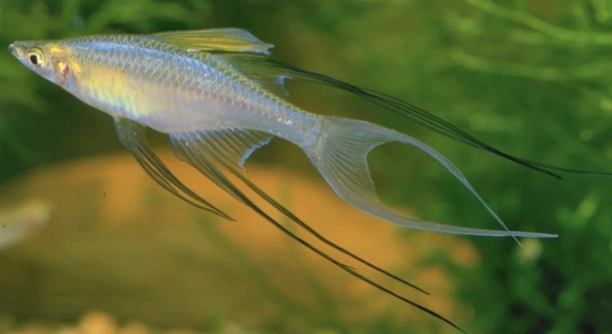
Do you ever find yourself fascinated by colorful aquarium fish and wonder if threadfin rainbowfish might be the right choice for your tank? Their delicate beauty and peaceful temperament make them an appealing option for many fish enthusiasts.
Before buying threadfin rainbowfish, it is important to understand their specific needs and behavior. These fish require stable water conditions, gentle tankmates, and a diet that supports their slender bodies. Learning about their care beforehand helps ensure a healthy, thriving environment.
From water quality and tank setup to feeding habits and social behavior, there are key details every aquarist should know before bringing them home.
Tank Size and Water Conditions
Threadfin rainbowfish thrive best when placed in a well-maintained aquarium that meets their specific needs. They are small, delicate fish, but they still require enough swimming space to feel comfortable. A tank of at least 20 gallons is recommended to provide them with adequate room. These fish prefer slightly acidic to neutral water, with a pH between 6.0 and 7.5. The temperature should be stable, ideally kept between 74°F and 80°F. Clean, well-filtered water is essential since threadfin rainbowfish are sensitive to poor conditions. Regular water changes and careful monitoring will ensure they remain healthy and vibrant.
Keeping the water stable is the most important factor in maintaining threadfin rainbowfish. Even small fluctuations can affect their behavior and health. A reliable heater and filter, combined with consistent maintenance, will create an environment where they can thrive with ease.
Maintaining a proper setup also reduces stress and increases their lifespan. Stressed fish often become prone to illness, making preventative care vital. Testing water weekly allows you to spot potential issues early, keeping conditions safe and balanced. Their delicate fins and bodies reflect their environment, so a well-kept aquarium directly translates to their health and beauty.
Diet and Feeding Habits
Threadfin rainbowfish need a balanced diet to maintain their health, color, and energy. They do well on high-quality flakes or micro pellets, but variety plays an important role in their feeding. Offering live or frozen foods like daphnia, brine shrimp, and micro worms will encourage natural behavior while enhancing their colors.
Feeding threadfin rainbowfish should be done carefully because of their small mouths and delicate size. They require finely crushed foods or tiny bites they can easily consume. Feed them in small amounts twice a day, ensuring no uneaten food remains, as excess waste can pollute their water. Supplementing with live or frozen foods not only improves their physical health but also stimulates their instincts. Over time, a proper feeding routine makes them more active, vibrant, and resilient. By providing variety, portion control, and consistent feeding schedules, you ensure they receive the nutrition needed for long-term well-being in your aquarium.
Tankmates and Compatibility
Threadfin rainbowfish are peaceful and do best with other gentle species. They should not be housed with aggressive or fin-nipping fish, as their delicate fins make them vulnerable. Ideal tankmates include small tetras, rasboras, corydoras, and other non-aggressive community fish.
Keeping them with the right companions helps reduce stress and encourages natural behavior. Avoid larger or fast-swimming species that may outcompete them for food. Their calm nature thrives in a community setting where tankmates share similar temperaments. Choosing carefully not only protects them but also creates a balanced environment where all fish can flourish together.
If kept in a mixed tank, providing hiding spots with plants or decorations ensures threadfin rainbowfish feel safe. This setup reduces competition and allows for peaceful interaction. By observing how they respond to their tankmates, you can make adjustments to maintain harmony and protect their fragile fins from unnecessary stress.
Breeding Considerations
Breeding threadfin rainbowfish requires careful attention to their environment. They scatter eggs among fine-leaved plants, so adding dense vegetation or spawning mops is helpful. Males often display vibrant fins during courtship, making their behavior fascinating to watch when conditions are right for reproduction.
To increase the chances of successful breeding, separate a small group into a dedicated spawning tank. Keep the water slightly warmer, around 80°F, with a gentle filter to maintain stability. Remove adults after spawning, as they may eat the eggs. Eggs usually hatch within a week, and fry need tiny foods such as infusoria or specialized fry powder. With patience and proper care, raising young threadfin rainbowfish can be rewarding, but it does require consistency in feeding and water maintenance.
Lighting and Aquarium Setup
Threadfin rainbowfish thrive under moderate lighting that mimics their natural environment. Too much light can stress them, while too little may dull their colors. Balanced lighting enhances their vibrancy and encourages healthy activity throughout the day.
Providing open swimming space along with plants or gentle decorations allows them to explore and feel secure. This balance is essential for both their well-being and overall tank aesthetics.
Water Filtration
A gentle filter is necessary to maintain clean water without creating strong currents. Threadfin rainbowfish prefer calm water that replicates slow-moving streams. Efficient filtration removes debris and keeps ammonia and nitrite levels low, which is crucial for their health. Regular maintenance prevents sudden changes in water quality.
Disease Prevention
Maintaining consistent water parameters and avoiding overcrowding reduces the risk of illness. Quarantining new fish before adding them prevents the introduction of diseases. Regular observation helps detect early signs of stress or sickness, keeping the fish healthy.
FAQ
How many threadfin rainbowfish should be kept together?
Threadfin rainbowfish are schooling fish, so they feel most comfortable in groups. A minimum of six is recommended to reduce stress and encourage natural behavior. Smaller groups may become shy or less active, while larger groups help them display their colors and interact more confidently.
What is the ideal tank temperature for threadfin rainbowfish?
These fish thrive in water temperatures between 74°F and 80°F. Maintaining a stable temperature is crucial because sudden changes can stress them and increase the risk of illness. Using a reliable heater and monitoring the water regularly ensures a safe and comfortable environment.
Can threadfin rainbowfish live with other species?
Yes, but only with peaceful tankmates. Avoid aggressive fish or fin-nippers, as threadfin rainbowfish have delicate fins that can be easily damaged. Suitable companions include small tetras, rasboras, danios, and peaceful catfish species. Observing interactions in the first few days helps ensure compatibility.
What should I feed threadfin rainbowfish?
They need a varied diet. High-quality flakes or micro pellets form the base of their nutrition, but live or frozen foods like brine shrimp, daphnia, or micro worms are beneficial. Small, frequent feedings are recommended to prevent leftover food from polluting the water.
How often should I clean their tank?
Regular maintenance is important. Partial water changes of about 20-25% once a week help keep water quality stable. Cleaning the substrate and filter ensures the removal of excess waste and reduces the buildup of harmful compounds like ammonia and nitrites.
How can I encourage breeding in my tank?
Provide a dedicated spawning tank with dense vegetation or spawning mops. Slightly warmer water, around 80°F, promotes breeding behavior. After spawning, removing adults protects the eggs from being eaten. Fry require tiny foods like infusoria or specialized powder to thrive.
Are threadfin rainbowfish hardy fish for beginners?
They are moderately hardy but require stable water conditions. Beginners can keep them successfully if they maintain consistent water parameters, provide proper diet, and choose peaceful tankmates. Observing their behavior and adjusting care when necessary helps prevent common problems.
How long do threadfin rainbowfish live?
With proper care, they can live up to five years. Lifespan depends on water quality, diet, stress levels, and overall tank conditions. Maintaining a stable, clean environment and providing nutritious food supports their health and longevity.
Do they need live plants in the tank?
While not strictly required, live plants improve water quality and provide hiding spaces. Plants mimic their natural habitat, reduce stress, and encourage exploration. Dense-leaved plants also serve as places for eggs if breeding is attempted.
What signs indicate stress or illness?
Signs include clamped fins, loss of color, lethargy, or hiding excessively. Loss of appetite and unusual swimming patterns may also appear. Early detection and corrective measures, such as water changes or adjusting tankmates, help prevent serious health issues.
Can threadfin rainbowfish tolerate slightly hard water?
Yes, they can tolerate moderately hard water but still prefer soft to slightly hard conditions. Maintaining pH between 6.0 and 7.5 and keeping hardness levels stable ensures optimal health and vibrant coloration. Sudden changes in hardness can lead to stress or illness.
Is it necessary to quarantine new fish before adding them?
Quarantining new arrivals for at least two weeks is highly recommended. This prevents the introduction of diseases or parasites into the main tank. Observing new fish in a separate environment ensures they are healthy and compatible before mixing them with your established group.
How much swimming space do they need?
Adequate swimming space is essential for threadfin rainbowfish. A tank of at least 20 gallons is recommended for a small school. More space allows them to swim freely, display natural behaviors, and reduces stress caused by overcrowding or aggressive tankmates.
Can they live in a community tank with larger fish?
Larger, aggressive fish should be avoided because they can intimidate or harm threadfin rainbowfish. Calm, similarly sized species work best. Observing interactions carefully during the first few days helps ensure the safety of all fish in the community tank.
What type of filtration is best for threadfin rainbowfish?
A gentle filter that maintains clean water without creating strong currents is ideal. These fish prefer calm water that simulates slow-moving streams. Efficient filtration helps remove waste, prevents ammonia buildup, and contributes to overall tank health.
How often should I test water parameters?
Regular testing is important, ideally once a week. Monitoring pH, ammonia, nitrite, and nitrate levels allows early detection of potential issues. Maintaining stable parameters prevents stress, supports healthy growth, and ensures the long-term well-being of threadfin rainbowfish.
Can they adapt to different lighting conditions?
Threadfin rainbowfish prefer moderate lighting. Too much light can stress them, while too little may dull their colors. A balanced lighting schedule enhances their appearance and encourages natural activity throughout the day, while also benefiting plant growth if present.
Are there common diseases to watch for?
They can be prone to common freshwater fish diseases like ich, fin rot, and bacterial infections. Maintaining stable water quality, avoiding overcrowding, and quarantining new fish reduces risk. Early detection of symptoms and prompt treatment ensures their health and longevity.
Do they require special decorations or substrate?
While not mandatory, a fine substrate and decorations provide hiding spots and simulate natural habitats. Smooth rocks, driftwood, and dense plants create security and encourage exploration. Proper setup reduces stress and helps maintain their overall well-being.
What is the best way to introduce them to a new tank?
Acclimation is crucial. Gradually introduce them to the tank by floating their bag for 15-20 minutes, then slowly mixing small amounts of tank water. This prevents shock from temperature or pH differences. Careful acclimation improves survival rates and reduces initial stress.
How often should I observe their behavior?
Daily observation is recommended. Monitoring for signs of illness, stress, or aggression allows prompt intervention. Noticing small changes in swimming, feeding, or color helps maintain a healthy and harmonious tank environment.
Are threadfin rainbowfish sensitive to chemical treatments?
Yes, they are sensitive to strong chemicals, including medications or water conditioners. Always use treatments that are safe for small, delicate fish and follow instructions carefully. Excessive chemicals can harm their fins, scales, and overall health.
Can they live in a planted tank only?
They can thrive in a planted tank with open swimming areas. Dense vegetation provides hiding spots and reduces stress, but they still need sufficient swimming space. Balancing plants and free areas promotes natural behavior, health, and vibrant coloration.
Is overfeeding a concern?
Yes, overfeeding leads to poor water quality and health issues. Feed small amounts twice a day and remove any uneaten food promptly. Proper portioning maintains stable water conditions and ensures fish receive adequate nutrition without excess waste.
Do threadfin rainbowfish show social hierarchy?
They exhibit mild social interactions within schools but do not form aggressive hierarchies. They swim together, establish territories, and occasionally display minor dominance during feeding. Observing their interactions helps ensure all fish remain healthy and stress-free in the tank.
How long does it take for them to adapt to a new tank?
Adaptation typically takes one to two weeks. Providing a calm environment, stable water parameters, and gentle tankmates accelerates the process. Observing behavior during this period helps identify stress or health issues early. Proper care ensures a smooth transition.
Can they live with shrimp or snails?
Yes, peaceful invertebrates like shrimp and snails are compatible. They coexist without harm, and shrimp may help clean uneaten food. Avoid predatory species that could threaten smaller invertebrates or compete aggressively for resources.
What is the best way to monitor their health?
Watch for changes in color, fins, swimming patterns, and appetite. Regular water tests and routine maintenance support overall health. Prompt action at the first sign of stress or illness helps prevent serious problems and maintains a thriving aquarium environment.
Do they require special water flow?
Threadfin rainbowfish prefer gentle water flow. Strong currents stress them and hinder natural swimming behavior. A filter with adjustable flow or baffles ensures calm water while maintaining filtration efficiency, creating a comfortable habitat that replicates their natural environment.
Can they tolerate slightly cooler water?
They can survive minor drops in temperature but prolonged exposure below 72°F may stress them. Maintaining consistent warmth within their preferred range ensures health, activity, and longevity. Sudden fluctuations are more harmful than steady, slightly cooler conditions.
Are they suitable for community tanks with small schooling fish?
Yes, they thrive alongside peaceful schooling fish of similar size. Tetras, rasboras, and danios complement their behavior and appearance. Maintaining a compatible community encourages natural swimming patterns and reduces stress, creating a lively and harmonious aquarium environment.
Do they require supplemental vitamins or additives?
A balanced diet with occasional live or frozen foods generally provides sufficient nutrition. Supplements are not necessary unless deficiencies appear. Providing variety ensures vibrant colors, proper growth, and overall well-being without overcomplicating their feeding routine.
How do I prevent fin damage in a community tank?
Avoid aggressive or fin-nipping species. Provide hiding spots with plants or decorations. Observe fish interactions regularly to intervene if any aggression arises. Minimizing stress and maintaining calm tankmates protects the delicate fins of threadfin rainbowfish.
Can they tolerate fluctuating pH levels?
No, they prefer stable water conditions with pH between 6.0 and 7.5. Sudden changes can cause stress, reduce immunity, and lead to illness. Regular testing and gradual adjustments maintain optimal water chemistry and support their health.
Do they benefit from dim lighting at night?
Dim lighting at night helps replicate natural conditions and reduces stress. It also allows fish to rest properly without exposure to harsh or constant light. Providing a regular light cycle supports healthy behavior and natural rhythms.
Is quarantine necessary for fry?
Yes, separating fry from adults prevents predation. Using a dedicated fry tank ensures better survival rates. Fry need tiny, nutritious foods and stable water conditions to grow into healthy juveniles. Monitoring closely during this stage is critical for their development.
How long can they go without food?
Threadfin rainbowfish can survive one to two days without food, but extended periods cause stress and weaken immunity. Consistent feeding ensures energy, color retention, and overall health. Never let hunger become chronic.
Can they live in tanks with fluctuating light schedules?
Stable light cycles are preferable. Sudden changes can stress them, reduce feeding activity, and affect color vibrancy. A consistent day-night rhythm helps maintain normal behavior, encourages feeding, and supports overall well-being in a home aquarium.
Are they suitable for beginner aquarists?
They are moderately easy to care for if basic water quality, diet, and tankmates are managed properly. Attention to detail, patience, and routine monitoring make them a manageable and rewarding species for those willing to maintain consistent care.
Do they require air pumps?
Air pumps are not necessary if the tank has adequate surface agitation and filtration. They may be used to improve oxygenation but are optional. Proper water circulation from the filter is usually sufficient for healthy oxygen levels.
Can they tolerate slightly brackish water?
Threadfin rainbowfish are freshwater species and do not tolerate brackish conditions well. Maintaining true freshwater with stable parameters ensures health, proper growth, and vibrant coloration. Salted or brackish water may stress or harm them.
How do I know when they are ready to spawn?
Males display brighter colors, elongated fins, and active chasing of females. Females appear fuller when carrying eggs. Observing these behaviors, along with appropriate water conditions, indicates readiness for spawning and successful breeding in a controlled environment.
Can I keep them in a nano tank?
A small nano tank is not ideal. They need space to school, explore, and reduce stress. A minimum of 20 gallons is recommended to accommodate a healthy group and maintain stable water conditions for optimal health.
Are there seasonal breeding patterns?
In captivity, breeding is less seasonal and more dependent on water conditions and temperature. Providing a slightly warmer, stable environment with proper vegetation encourages spawning behavior at any time of year.
Do they interact with humans?
They do not recognize humans individually but may respond to movement near the tank. Regular observation and feeding can make them more confident and active, creating a lively display in the aquarium.
Can they tolerate crowded tanks?
Overcrowding is harmful. It increases stress, reduces swimming space, and elevates waste levels, leading to poor water quality. Maintaining an appropriate group size ensures health, natural behavior, and longevity.
What is the best way to acclimate them to new water?
Float the bag in the tank for 15-20 minutes, then gradually add small amounts of tank water over an hour. This reduces shock from temperature or pH differences and ensures a smoother transition into their new environment.
How do I prevent algae overgrowth in their tank?
Moderate lighting, regular water changes, and careful feeding help control algae. Overfeeding and excess nutrients promote growth, so maintaining balance in both lighting and nutrition reduces algae buildup. Plants may also compete with algae for resources, helping maintain a clean tank.
Can they tolerate artificial plants?
Yes, artificial plants provide hiding spots and reduce stress, but they do not contribute to water quality. Ensure decorations have smooth edges to prevent fin damage and maintain open swimming space.
Do they need high protein diets?
Moderate protein diets are sufficient. Excess protein can lead to water quality issues. Including occasional live or frozen foods complements flakes or pellets, providing balanced nutrition without overburdening the tank environment.
How quickly do they adapt to new tankmates?
Adaptation usually occurs within a week if tankmates are peaceful and space is sufficient. Observing initial interactions ensures safety and reduces stress, allowing threadfin rainbowfish to integrate smoothly into a community environment.
Can they tolerate hard water?
They can handle slightly hard water but thrive best in soft to moderately hard conditions. Maintaining stability in hardness ensures proper health, reduces stress, and preserves vibrant coloration.
What is the ideal schooling number for them?
A minimum of six is recommended, but larger schools of 10-12 increase activity, display natural behavior, and enhance their visual appeal. Smaller groups may feel insecure and hide more frequently.
Do they require a specific type of substrate?
Fine gravel or sand is ideal, providing a natural look and preventing damage to delicate fins. Avoid sharp or rough substrates that may tear fins or cause injury. Smooth surfaces also make cleaning easier.
Are they sensitive to sudden noise or vibrations?
Yes, loud noise or vibrations can stress them, leading to hiding, loss of appetite, or weakened immunity. Placing the tank in a quiet, stable location helps maintain their comfort and health.
Do they show schooling hierarchy within their group?
Minor dominance behaviors appear, such as leading swims or gentle chasing, but no aggressive hierarchy forms. Their social structure is peaceful, supporting calm, active schooling behavior without harming weaker individuals.
How can I encourage them to display full colors?
Stable water conditions, proper nutrition, moderate lighting, and a calm environment enhance color vibrancy. Live or frozen foods and minimal stress help males and females exhibit their natural brilliance consistently.
Are they prone to jumping?
Occasionally, they may jump when startled. A secure lid or cover prevents escapes while allowing proper airflow. Ensuring calm water and tankmates reduces sudden movements that trigger jumping behavior.
Can they live with goldfish or cichlids?
No, goldfish and most cichlids are too large or aggressive. Threadfin rainbowfish are delicate and require calm, compatible species. Mixing with aggressive or larger fish increases stress and risk of injury.
How long until fry reach adult size?
Fry grow slowly, reaching adult size in about 6-8 months with proper care. Stable water, appropriate diet, and minimal stress promote healthy growth and development into vibrant adults.
Do they need live plants for breeding?
Live plants improve spawning success by providing attachment points for eggs. Fine-leaved plants or spawning mops mimic natural conditions and increase fry survival. Removing adults after spawning protects eggs from predation.
What is the maximum lifespan in captivity?
With proper care, they live up to five years. Maintaining stable water parameters, balanced nutrition, and low stress conditions ensures longevity.
Are they sensitive to chlorine or chloramine?
Yes, tap water must be treated with a dechlorinator before adding them to the tank. Chlorine or chloramine can damage gills, stress fish, and lead to illness.
Can they tolerate occasional temperature drops?
Short, minor drops are survivable but prolonged exposure below 72°F is harmful. Consistent temperatures within the preferred range support health, activity, and immunity.
How do I know if my fish is stressed?
Signs include clamped fins, hiding, reduced color, and loss of appetite. Monitoring behavior daily allows early intervention to reduce stress and prevent illness.
Do they require high oxygen levels?
Moderate oxygenation from surface agitation or gentle filtration is sufficient. They do not require strong aeration. Proper water movement ensures oxygen levels remain adequate for health and activity.
Can they tolerate frequent handling?
No, handling stresses them and may damage fins or scales. Use nets only when necessary for transfers or medical treatment, minimizing contact to protect their delicate bodies.
Is regular observation enough to detect health issues?
Yes, daily observation combined with water testing helps detect early signs of disease, stress, or behavioral changes. Early detection ensures prompt action and maintains a healthy tank environment.
Do they need special water conditioners?
Only basic conditioners to remove chlorine, chloramine, and heavy metals are necessary. Specialized treatments are optional and only needed if deficiencies or disease occur. Basic maintenance is sufficient for healthy fish.
Can they live in tanks with fluctuating temperatures?
Sudden temperature changes are harmful. Stable conditions between 74°F and 80°F prevent stress and illness. Gradual adjustments, if necessary, are safer and support consistent health.
How do I prevent stress when introducing new tankmates?
Introduce peaceful species slowly, monitor interactions, and provide hiding spaces. Gradual acclimation reduces aggression and allows threadfin rainbowfish to adapt safely, maintaining harmony in the aquarium.
Are they compatible with livebearers?
Yes, peaceful livebearers like guppies and platies are generally compatible. Ensure size and temperament are suitable to avoid competition or stress. Observation during introduction ensures coexistence without issues.
Do they need supplementary feeding at night?
No, feeding once or twice during the day is sufficient. They are diurnal and naturally rest at night. Nighttime feeding is unnecessary and may pollute the water.
How can I make them more active?
Stable water, moderate lighting, balanced diet, and suitable tankmates encourage natural swimming
FAQ
How many threadfin rainbowfish should be kept together?
Threadfin rainbowfish are schooling fish, so they feel most comfortable in groups. A minimum of six is recommended to reduce stress and encourage natural behavior. Smaller groups may become shy or less active, while larger groups help them display their colors and interact more confidently.
What is the ideal tank temperature for threadfin rainbowfish?
These fish thrive in water temperatures between 74°F and 80°F. Maintaining a stable temperature is crucial because sudden changes can stress them and increase the risk of illness. Using a reliable heater and monitoring the water regularly ensures a safe and comfortable environment.
Can threadfin rainbowfish live with other species?
Yes, but only with peaceful tankmates. Avoid aggressive fish or fin-nippers, as threadfin rainbowfish have delicate fins that can be easily damaged. Suitable companions include small tetras, rasboras, danios, and peaceful catfish species. Observing interactions in the first few days helps ensure compatibility.
What should I feed threadfin rainbowfish?
They need a varied diet. High-quality flakes or micro pellets form the base of their nutrition, but live or frozen foods like brine shrimp, daphnia, or micro worms are beneficial. Small, frequent feedings are recommended to prevent leftover food from polluting the water.
How often should I clean their tank?
Regular maintenance is important. Partial water changes of about 20-25% once a week help keep water quality stable. Cleaning the substrate and filter ensures the removal of excess waste and reduces the buildup of harmful compounds like ammonia and nitrites.
How can I encourage breeding in my tank?
Provide a dedicated spawning tank with dense vegetation or spawning mops. Slightly warmer water, around 80°F, promotes breeding behavior. After spawning, removing adults protects the eggs from being eaten. Fry require tiny foods like infusoria or specialized powder to thrive.
Are threadfin rainbowfish hardy fish for beginners?
They are moderately hardy but require stable water conditions. Beginners can keep them successfully if they maintain consistent water parameters, provide proper diet, and choose peaceful tankmates. Observing their behavior and adjusting care when necessary helps prevent common problems.
How long do threadfin rainbowfish live?
With proper care, they can live up to five years. Lifespan depends on water quality, diet, stress levels, and overall tank conditions. Maintaining a stable, clean environment and providing nutritious food supports their health and longevity.
Do they need live plants in the tank?
While not strictly required, live plants improve water quality and provide hiding spaces. Plants mimic their natural habitat, reduce stress, and encourage exploration. Dense-leaved plants also serve as places for eggs if breeding is attempted.
What signs indicate stress or illness?
Signs include clamped fins, loss of color, lethargy, or hiding excessively. Loss of appetite and unusual swimming patterns may also appear. Early detection and corrective measures, such as water changes or adjusting tankmates, help prevent serious health issues.
Can threadfin rainbowfish tolerate slightly hard water?
Yes, they can tolerate moderately hard water but still prefer soft to slightly hard conditions. Maintaining pH between 6.0 and 7.5 and keeping hardness levels stable ensures optimal health and vibrant coloration. Sudden changes in hardness can lead to stress or illness.
Is it necessary to quarantine new fish before adding them?
Quarantining new arrivals for at least two weeks is highly recommended. This prevents the introduction of diseases or parasites into the main tank. Observing new fish in a separate environment ensures they are healthy and compatible before mixing them with your established group.
How much swimming space do they need?
Adequate swimming space is essential for threadfin rainbowfish. A tank of at least 20 gallons is recommended for a small school. More space allows them to swim freely, display natural behaviors, and reduces stress caused by overcrowding or aggressive tankmates.
Can they live in a community tank with larger fish?
Larger, aggressive fish should be avoided because they can intimidate or harm threadfin rainbowfish. Calm, similarly sized species work best. Observing interactions carefully during the first few days helps ensure the safety of all fish in the community tank.
What type of filtration is best for threadfin rainbowfish?
A gentle filter that maintains clean water without creating strong currents is ideal. These fish prefer calm water that simulates slow-moving streams. Efficient filtration helps remove waste, prevents ammonia buildup, and contributes to overall tank health.
How often should I test water parameters?
Regular testing is important, ideally once a week. Monitoring pH, ammonia, nitrite, and nitrate levels allows early detection of potential issues. Maintaining stable parameters prevents stress, supports healthy growth, and ensures the long-term well-being of threadfin rainbowfish.
Can they adapt to different lighting conditions?
Threadfin rainbowfish prefer moderate lighting. Too much light can stress them, while too little may dull their colors. A balanced lighting schedule enhances their appearance and encourages natural activity throughout the day, while also benefiting plant growth if present.
Are there common diseases to watch for?
They can be prone to common freshwater fish diseases like ich, fin rot, and bacterial infections. Maintaining stable water quality, avoiding overcrowding, and quarantining new fish reduces risk. Early detection of symptoms and prompt treatment ensures their health and longevity.
Do they require special decorations or substrate?
While not mandatory, a fine substrate and decorations provide hiding spots and simulate natural habitats. Smooth rocks, driftwood, and dense plants create security and encourage exploration. Proper setup reduces stress and helps maintain their overall well-being.
What is the best way to introduce them to a new tank?
Acclimation is crucial. Gradually introduce them to the tank by floating their bag for 15-20 minutes, then slowly mixing small amounts of tank water. This prevents shock from temperature or pH differences. Careful acclimation improves survival rates and reduces initial stress.
How often should I observe their behavior?
Daily observation is recommended. Monitoring for signs of illness, stress, or aggression allows prompt intervention. Noticing small changes in swimming, feeding, or color helps maintain a healthy and harmonious tank environment.
Are threadfin rainbowfish sensitive to chemical treatments?
Yes, they are sensitive to strong chemicals, including medications or water conditioners. Always use treatments that are safe for small, delicate fish and follow instructions carefully. Excessive chemicals can harm their fins, scales, and overall health.
Can they live in a planted tank only?
They can thrive in a planted tank with open swimming areas. Dense vegetation provides hiding spots and reduces stress, but they still need sufficient swimming space. Balancing plants and free areas promotes natural behavior, health, and vibrant coloration.
Is overfeeding a concern?
Yes, overfeeding leads to poor water quality and health issues. Feed small amounts twice a day and remove any uneaten food promptly. Proper portioning maintains stable water conditions and ensures fish receive adequate nutrition without excess waste.
Do threadfin rainbowfish show social hierarchy?
They exhibit mild social interactions within schools but do not form aggressive hierarchies. They swim together, establish territories, and occasionally display minor dominance during feeding. Observing their interactions helps ensure all fish remain healthy and stress-free in the tank.
How long does it take for them to adapt to a new tank?
Adaptation typically takes one to two weeks. Providing a calm environment, stable water parameters, and gentle tankmates accelerates the process. Observing behavior during this period helps identify stress or health issues early. Proper care ensures a smooth transition.
Can they live with shrimp or snails?
Yes, peaceful invertebrates like shrimp and snails are compatible. They coexist without harm, and shrimp may help clean uneaten food. Avoid predatory species that could threaten smaller invertebrates or compete aggressively for resources.
What is the best way to monitor their health?
Watch for changes in color, fins, swimming patterns, and appetite. Regular water tests and routine maintenance support overall health. Prompt action at the first sign of stress or illness helps prevent serious problems and maintains a thriving aquarium environment.
Do they require special water flow?
Threadfin rainbowfish prefer gentle water flow. Strong currents stress them and hinder natural swimming behavior. A filter with adjustable flow or baffles ensures calm water while maintaining filtration efficiency, creating a comfortable habitat that replicates their natural environment.
Can they tolerate slightly cooler water?
They can survive minor drops in temperature but prolonged exposure below 72°F may stress them. Maintaining consistent warmth within their preferred range ensures health, activity, and longevity. Sudden fluctuations are more harmful than steady, slightly cooler conditions.
Are they suitable for community tanks with small schooling fish?
Yes, they thrive alongside peaceful schooling fish of similar size. Tetras, rasboras, and danios complement their behavior and appearance. Maintaining a compatible community encourages natural swimming patterns and reduces stress, creating a lively and harmonious aquarium environment.
Do they require supplemental vitamins or additives?
A balanced diet with occasional live or frozen foods generally provides sufficient nutrition. Supplements are not necessary unless deficiencies appear. Providing variety ensures vibrant colors, proper growth, and overall well-being without overcomplicating their feeding routine.
How do I prevent fin damage in a community tank?
Avoid aggressive or fin-nipping species. Provide hiding spots with plants or decorations. Observe fish interactions regularly to intervene if any aggression arises. Minimizing stress and maintaining calm tankmates protects the delicate fins of threadfin rainbowfish.
Can they tolerate fluctuating pH levels?
No, they prefer stable water conditions with pH between 6.0 and 7.5. Sudden changes can cause stress, reduce immunity, and lead to illness. Regular testing and gradual adjustments maintain optimal water chemistry and support their health.
Do they benefit from dim lighting at night?
Dim lighting at night helps replicate natural conditions and reduces stress. It also allows fish to rest properly without exposure to harsh or constant light. Providing a regular light cycle supports healthy behavior and natural rhythms.
Is quarantine necessary for fry?
Yes, separating fry from adults prevents predation. Using a dedicated fry tank ensures better survival rates. Fry need tiny, nutritious foods and stable water conditions to grow into healthy juveniles. Monitoring closely during this stage is critical for their development.
How long can they go without food?
Threadfin rainbowfish can survive one to two days without food, but extended periods cause stress and weaken immunity. Consistent feeding ensures energy, color retention, and overall health. Never let hunger become chronic.
Can they live in tanks with fluctuating light schedules?
Stable light cycles are preferable. Sudden changes can stress them, reduce feeding activity, and affect color vibrancy. A consistent day-night rhythm helps maintain normal behavior, encourages feeding, and supports overall well-being in a home aquarium.
Are they suitable for beginner aquarists?
They are moderately easy to care for if basic water quality, diet, and tankmates are managed properly. Attention to detail, patience, and routine monitoring make them a manageable and rewarding species for those willing to maintain consistent care.
Do they require air pumps?
Air pumps are not necessary if the tank has adequate surface agitation and filtration. They may be used to improve oxygenation but are optional. Proper water circulation from the filter is usually sufficient for healthy oxygen levels.
Can they tolerate slightly brackish water?
Threadfin rainbowfish are freshwater species and do not tolerate brackish conditions well. Maintaining true freshwater with stable parameters ensures health, proper growth, and vibrant coloration. Salted or brackish water may stress or harm them.
How do I know when they are ready to spawn?
Males display brighter colors, elongated fins, and active chasing of females. Females appear fuller when carrying eggs. Observing these behaviors, along with appropriate water conditions, indicates readiness for spawning and successful breeding in a controlled environment.
Can I keep them in a nano tank?
A small nano tank is not ideal. They need space to school, explore, and reduce stress. A minimum of 20 gallons is recommended to accommodate a healthy group and maintain stable water conditions for optimal health.
Are there seasonal breeding patterns?
In captivity, breeding is less seasonal and more dependent on water conditions and temperature. Providing a slightly warmer, stable environment with proper vegetation encourages spawning behavior at any time of year.
Do they interact with humans?
They do not recognize humans individually but may respond to movement near the tank. Regular observation and feeding can make them more confident and active, creating a lively display in the aquarium.
Can they tolerate crowded tanks?
Overcrowding is harmful. It increases stress, reduces swimming space, and elevates waste levels, leading to poor water quality. Maintaining an appropriate group size ensures health, natural behavior, and longevity.
What is the best way to acclimate them to new water?
Float the bag in the tank for 15-20 minutes, then gradually add small amounts of tank water over an hour. This reduces shock from temperature or pH differences and ensures a smoother transition into their new environment.
How do I prevent algae overgrowth in their tank?
Moderate lighting, regular water changes, and careful feeding help control algae. Overfeeding and excess nutrients promote growth, so maintaining balance in both lighting and nutrition reduces algae buildup. Plants may also compete with algae for resources, helping maintain a clean tank.
Can they tolerate artificial plants?
Yes, artificial plants provide hiding spots and reduce stress, but they do not contribute to water quality. Ensure decorations have smooth edges to prevent fin damage and maintain open swimming space.
Do they need high protein diets?
Moderate protein diets are sufficient. Excess protein can lead to water quality issues. Including occasional live or frozen foods complements flakes or pellets, providing balanced nutrition without overburdening the tank environment.
How quickly do they adapt to new tankmates?
Adaptation usually occurs within a week if tankmates are peaceful and space is sufficient. Observing initial interactions ensures safety and reduces stress, allowing threadfin rainbowfish to integrate smoothly into a community environment.
Can they tolerate hard water?
They can handle slightly hard water but thrive best in soft to moderately hard conditions. Maintaining stability in hardness ensures proper health, reduces stress, and preserves vibrant coloration.
What is the ideal schooling number for them?
A minimum of six is recommended, but larger schools of 10-12 increase activity, display natural behavior, and enhance their visual appeal. Smaller groups may feel insecure and hide more frequently.
Do they require a specific type of substrate?
Fine gravel or sand is ideal, providing a natural look and preventing damage to delicate fins. Avoid sharp or rough substrates that may tear fins or cause injury. Smooth surfaces also make cleaning easier.
Are they sensitive to sudden noise or vibrations?
Yes, loud noise or vibrations can stress them, leading to hiding, loss of appetite, or weakened immunity. Placing the tank in a quiet, stable location helps maintain their comfort and health.
Do they show schooling hierarchy within their group?
Minor dominance behaviors appear, such as leading swims or gentle chasing, but no aggressive hierarchy forms. Their social structure is peaceful, supporting calm, active schooling behavior without harming weaker individuals.
How can I encourage them to display full colors?
Stable water conditions, proper nutrition, moderate lighting, and a calm environment enhance color vibrancy. Live or frozen foods and minimal stress help males and females exhibit their natural brilliance consistently.
Are they prone to jumping?
Occasionally, they may jump when startled. A secure lid or cover prevents escapes while allowing proper airflow. Ensuring calm water and tankmates reduces sudden movements that trigger jumping behavior.
Can they live with goldfish or cichlids?
No, goldfish and most cichlids are too large or aggressive. Threadfin rainbowfish are delicate and require calm, compatible species. Mixing with aggressive or larger fish increases stress and risk of injury.
How long until fry reach adult size?
Fry grow slowly, reaching adult size in about 6-8 months with proper care. Stable water, appropriate diet, and minimal stress promote healthy growth and development into vibrant adults.
Do they need live plants for breeding?
Live plants improve spawning success by providing attachment points for eggs. Fine-leaved plants or spawning mops mimic natural conditions and increase fry survival. Removing adults after spawning protects eggs from predation.
What is the maximum lifespan in captivity?
With proper care, they live up to five years. Maintaining stable water parameters, balanced nutrition, and low stress conditions ensures longevity.
Are they sensitive to chlorine or chloramine?
Yes, tap water must be treated with a dechlorinator before adding them to the tank. Chlorine or chloramine can damage gills, stress fish, and lead to illness.
Can they tolerate occasional temperature drops?
Short, minor drops are survivable but prolonged exposure below 72°F is harmful. Consistent temperatures within the preferred range support health, activity, and immunity.
How do I know if my fish is stressed?
Signs include clamped fins, hiding, reduced color, and loss of appetite. Monitoring behavior daily allows early intervention to reduce stress and prevent illness.
Do they require high oxygen levels?
Moderate oxygenation from surface agitation or gentle filtration is sufficient. They do not require strong aeration. Proper water movement ensures oxygen levels remain adequate for health and activity.
Can they tolerate frequent handling?
No, handling stresses them and may damage fins or scales. Use nets only when necessary for transfers or medical treatment, minimizing contact to protect their delicate bodies.
Is regular observation enough to detect health issues?
Yes, daily observation combined with water testing helps detect early signs of disease, stress, or behavioral changes. Early detection ensures prompt action and maintains a healthy tank environment.
Do they need special water conditioners?
Only basic conditioners to remove chlorine, chloramine, and heavy metals are necessary. Specialized treatments are optional and only needed if deficiencies or disease occur. Basic maintenance is sufficient for healthy fish.
Can they live in tanks with fluctuating temperatures?
Sudden temperature changes are harmful. Stable conditions between 74°F and 80°F prevent stress and illness. Gradual adjustments, if necessary, are safer and support consistent health.
How do I prevent stress when introducing new tankmates?
Introduce peaceful species slowly, monitor interactions, and provide hiding spaces. Gradual acclimation reduces aggression and allows threadfin rainbowfish to adapt safely, maintaining harmony in the aquarium.
Are they compatible with livebearers?
Yes, peaceful livebearers like guppies and platies are generally compatible. Ensure size and temperament are suitable to avoid competition or stress. Observation during introduction ensures coexistence without issues.
Do they need supplementary feeding at night?
No, feeding once or twice during the day is sufficient. They are diurnal and naturally rest at night. Nighttime feeding is unnecessary and may pollute the water.
How can I make them more active?
Stable water, moderate lighting, balanced diet, and suitable tankmates encourage natural swimming

Hello,
If you enjoy the content that we create, please consider saying a "Thank You!" by leaving a tip.
Every little bit helps us continue crafting quality advice that supports the health, happiness, and well-being of pets around the world, for pets of all shapes, sizes, and species.
We really appreciate the kindness and support that you show us!