
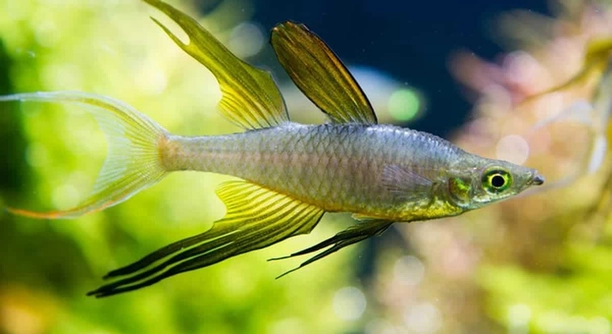
Do you ever find yourself arranging a new aquarium and wondering how to make it ideal for your threadfin rainbowfish? The choice of substrate can affect both the health of the fish and the overall look of the tank.
The best substrate for threadfin rainbowfish tanks is fine, smooth gravel or sand. These options reduce the risk of injury to delicate fins, support natural foraging behavior, and maintain water quality, promoting a stable and healthy aquatic environment.
Choosing the right substrate may seem simple, but it plays a key role in creating a balanced and thriving tank for your fish. Proper selection ensures comfort and well-being.
Why Substrate Choice Matters
Choosing the right substrate for threadfin rainbowfish is more than a decorative decision. It impacts water chemistry, fish behavior, and the growth of plants in the tank. Fine gravel or sand is preferred because it allows these delicate fish to swim and forage without risk of injury. Rough or sharp substrates can damage their fins, which may lead to infections or stress. Additionally, the substrate affects how waste settles and how easy it is to clean the tank. A proper substrate can also support live plants by anchoring roots and retaining essential nutrients, helping create a more natural environment. I have found that when the substrate complements the fish’s natural behavior, they appear more active and healthy. The color of the substrate also matters, as lighter tones tend to highlight the fish’s vibrant colors, while darker tones can create a more subdued appearance.
Substrate impacts both fish health and aquarium maintenance, making it a crucial choice for a balanced tank.
Proper substrate selection influences water quality, fish activity, and plant growth. In a tank with fine sand, threadfin rainbowfish explore naturally, sifting through the substrate as they would in rivers. Sand prevents injuries while allowing plants to root securely. A well-chosen substrate minimizes debris accumulation, making maintenance easier. The visual contrast between the fish and the substrate enhances their appearance, creating a more pleasing display. Substrate depth also matters; two to three inches are sufficient to support plants and allow fish to interact naturally. Avoid mixing rough materials, as it can disrupt the balance. Regular cleaning preserves substrate integrity and prevents harmful buildup. Over time, a stable, well-chosen substrate contributes to the overall ecosystem, supporting healthy bacteria, oxygen circulation, and nutrient retention. By considering these factors, you ensure a thriving tank environment. Threadfin rainbowfish exhibit less stress, show more natural behaviors, and appear brighter in properly selected substrates.
Types of Substrate Options
Fine sand is soft and prevents fin injuries. Gravel can support plants but should be smooth and uniform to avoid hazards.
Gravel offers benefits for planted tanks, providing stability for roots and allowing water flow to nutrients. It is easier to shape and clean than sand, especially when creating slopes or decorative areas. Gravel also supports beneficial bacteria colonies, aiding in biological filtration. However, it can trap waste in crevices, requiring occasional stirring or vacuuming. Sand is preferable for natural foraging behavior because fish can sift through it safely. Combining both types can work, with sand in main swimming areas and gravel around plants. Choosing the right size and texture ensures a balance between aesthetics, safety, and tank maintenance. Observation is key—if fish avoid an area or show stress signs, adjusting the substrate may be necessary. Proper substrate enhances both functionality and the visual appeal of the tank, ensuring threadfin rainbowfish remain healthy, active, and vibrant.
Cleaning and Maintaining Substrate
Regular cleaning prevents debris buildup and maintains water quality. Sand and fine gravel need gentle vacuuming to avoid disturbing beneficial bacteria while removing waste.
Frequent substrate maintenance is essential for a healthy tank. Threadfin rainbowfish are sensitive to poor water conditions, which can lead to stress or illness. Using a siphon or gentle vacuum ensures that debris is removed without displacing too much substrate. Stirring the substrate lightly during cleaning helps release trapped detritus, allowing the filter to remove it. Over time, this keeps the tank clean, prevents harmful ammonia spikes, and maintains a balanced environment for fish and plants alike. Maintaining the substrate is as important as monitoring water parameters.
Substrate cleaning also helps prevent algae growth. Uneaten food and decaying plant matter accumulate in the substrate, creating nutrients for algae. By vacuuming regularly, the tank remains clear, supporting both aesthetic appeal and fish health. For planted tanks, it is important to avoid uprooting plants while cleaning. In addition, choosing the right cleaning frequency depends on tank size, stocking density, and feeding habits. Over-cleaning can disturb beneficial bacteria, while under-cleaning allows waste buildup. Balancing these factors ensures a thriving and visually pleasing aquarium, where threadfin rainbowfish can display natural behaviors.
Choosing Substrate for Planted Tanks
Plant growth relies on nutrient-rich substrate that anchors roots and supports development. Fine gravel or sand can be layered with specialized plant substrates.
Planted tanks require substrates that provide stability and nutrients. Many aquarists use a combination of nutrient-rich layers beneath sand or gravel to support root systems while keeping the surface smooth for fish activity. This layered approach prevents plant roots from being uprooted by swimming fish and allows nutrients to remain accessible. Threadfin rainbowfish benefit from open swimming areas while plants anchor securely. Selecting substrates that retain minerals without compacting ensures water circulation and root health. Observation is key—if plants struggle, adjusting the substrate composition or depth can improve growth and tank balance.
When planning a planted tank, substrate depth should range from two to three inches. This depth accommodates root systems without creating anaerobic zones. Layering techniques help maintain nutrient availability and prevent compacted areas that can hinder plant development. A light top layer of sand or fine gravel provides a smooth surface for fish activity, reducing fin injuries. Choosing appropriate substrates for plants also supports beneficial bacteria, which enhances water quality. Threadfin rainbowfish interact with the substrate naturally, so selecting safe and effective materials is essential. Regular observation and minor adjustments keep plants healthy while allowing fish to thrive.
Substrate Color and Aesthetics
Lighter substrates highlight the vibrant colors of threadfin rainbowfish, making them stand out. Darker substrates create a more subdued, natural look and can reduce stress for shy fish.
Matching substrate color with plants and decorations enhances the tank’s visual appeal. I often choose tones that complement the fish while keeping the environment natural and balanced.
Avoiding Sharp or Rough Substrates
Sharp gravel or coarse materials can injure fins, especially in delicate fish like threadfin rainbowfish. Smooth sand or fine gravel is safer and encourages natural foraging behavior.
Layering Substrate for Functionality
Layering substrates can combine benefits. A nutrient-rich base supports plant growth, while a smooth top layer protects fish and provides a clean surface for waste removal. This method maintains both aesthetics and functionality in planted or mixed aquariums.
Substrate Depth Considerations
Two to three inches of substrate is usually sufficient for plant roots and fish activity. Too shallow or too deep can impact plant stability and water flow, affecting the tank’s overall balance.
FAQ
What type of substrate is safest for threadfin rainbowfish?
The safest substrates are fine sand or smooth, small-grain gravel. These prevent injuries to delicate fins and allow the fish to display natural foraging behavior. Sharp or coarse materials can tear fins and lead to infections, so avoiding them is crucial for maintaining healthy fish.
Can I mix sand and gravel in the same tank?
Yes, mixing sand and gravel can work if done carefully. A common approach is to place sand in open swimming areas and gravel around plants or decorations. This keeps fish safe while supporting plant roots. Ensure the materials are smooth and compatible in size to prevent debris buildup.
How deep should the substrate be?
A depth of two to three inches is generally sufficient. This allows plants to root securely and gives fish space to forage naturally. Too shallow a layer may not support plant growth, while excessive depth can trap debris and reduce water flow, leading to poor water quality.
Do substrate colors affect fish behavior?
Yes, substrate color can influence stress levels and aesthetics. Light-colored substrates highlight the fish’s vibrant colors, while darker substrates create a more natural, calming environment. I have noticed my threadfin rainbowfish appear more relaxed on medium-to-dark tones, which mimic riverbeds in their natural habitat.
How often should I clean the substrate?
Cleaning frequency depends on tank size, fish population, and feeding habits. Generally, vacuuming every one to two weeks is sufficient. Light stirring during cleaning releases trapped detritus, helping the filter remove it. Over-cleaning can disturb beneficial bacteria, while under-cleaning allows waste accumulation.
Can I use nutrient-rich substrates for plants?
Yes, nutrient-rich substrates support plant growth, especially in planted tanks. A common method is layering the nutrient-rich substrate beneath a thin layer of sand or gravel. This keeps roots stable while providing essential minerals. Threadfin rainbowfish remain safe on the smooth top layer and can forage without risk.
Will the substrate affect water quality?
Absolutely. Substrate interacts with fish waste, leftover food, and plant decay. A clean, well-maintained substrate reduces ammonia spikes and maintains water clarity. Properly chosen sand or gravel prevents compaction, allows water flow, and supports beneficial bacteria, all contributing to a stable, healthy tank environment.
Is it okay to change substrate after setting up the tank?
Changing substrate is possible but requires care. Removing or replacing substrate can disturb plants and beneficial bacteria. It’s best done gradually or during a tank renovation. Threadfin rainbowfish can be stressed by sudden changes, so ensuring minimal disruption and monitoring water parameters is essential during the process.
How do I prevent algae growth in the substrate?
Regular cleaning, avoiding overfeeding, and maintaining proper lighting are key. Uneaten food and plant debris accumulate in the substrate and fuel algae growth. Lightly vacuuming the surface and stirring occasionally prevents trapped debris while keeping fish safe. Balancing nutrients and lighting also reduces excessive algae.
Can I use decorative stones or shells?
Decorative stones or shells are fine if they are smooth and free from sharp edges. Some materials can alter water chemistry, so testing pH and hardness is important. I prefer using natural, inert stones that complement the substrate color and maintain a safe environment for threadfin rainbowfish.
Does substrate type affect fish breeding?
Yes, certain substrates encourage natural spawning behavior. Fine sand or smooth gravel allows threadfin rainbowfish to forage and interact naturally, which can trigger breeding. Avoid substrates that are sharp or uneven, as they can stress fish and interfere with egg-laying behavior.
How do I know if the substrate is harming my fish?
Watch for torn or frayed fins, unusual behavior, or hesitation to forage. Fish that avoid certain areas may be uncomfortable with the substrate. Adjusting to a smoother, safer material often resolves these issues and restores normal activity and health.
Can I use the same substrate for different tank setups?
Yes, but consider the needs of all inhabitants. Fine sand is versatile, safe for most small fish, and supports plants with layering. Avoid mixing aggressive fish with delicate substrates. Ensuring compatibility prevents injuries, maintains water quality, and allows all species to thrive together.
Are there substrates that promote plant growth without harming fish?
Yes, layered substrates work best. A nutrient-rich base topped with fine sand or smooth gravel provides minerals for plants while keeping the surface safe for fish. Threadfin rainbowfish can explore and forage naturally without injury, and plants root securely, supporting a healthy ecosystem.
What is the best way to transition fish to a new substrate?
Introduce changes gradually. Move a portion of the substrate at a time, monitor water quality, and observe fish behavior. Sudden changes can stress fish, disturb beneficial bacteria, and affect plants. Gradual adjustments allow fish to adapt, maintaining a balanced environment and minimizing risk of injury or illness.
This FAQ covers the most common concerns regarding substrate selection and maintenance. Proper choices ensure threadfin rainbowfish remain healthy, active, and vibrant while supporting plant growth and a clean, balanced tank.
Final Thoughts
Choosing the right substrate for a threadfin rainbowfish tank is an essential part of creating a healthy and balanced environment. The substrate impacts water quality, fish behavior, and plant growth, so it should never be overlooked. Fine sand and smooth gravel are usually the safest options, providing a surface that allows fish to forage naturally while reducing the risk of injury. Sharp or rough materials can damage fins, leading to stress or infections, so they should be avoided. The choice of substrate also affects the visual appeal of the tank. Light-colored substrates highlight the fish’s vibrant colors, while darker tones create a more natural and calming setting. By paying attention to these details, the tank becomes not just a container for fish, but a stable habitat that promotes health and longevity. When I first switched to smooth sand in my own tank, I noticed the fish exploring more actively and appearing less stressed, showing how even small adjustments can make a difference.
Maintenance is another critical aspect of substrate care. Regular cleaning removes waste, leftover food, and decaying plant material, which helps prevent harmful spikes in ammonia and nitrites. It is important to clean the substrate gently, using a siphon or vacuum to remove debris without disturbing too much of the surface or beneficial bacteria. Over-cleaning can disrupt the balance of the tank, while neglecting it can allow waste to accumulate, creating a hazardous environment. Substrate depth and layering also influence tank health. Two to three inches of sand or gravel provides enough space for plant roots to anchor and allows fish to forage naturally. In planted tanks, a nutrient-rich base layer under a smoother top layer combines the needs of both plants and fish. By carefully monitoring the substrate and making adjustments as necessary, the tank can remain a safe, attractive, and functional space for threadfin rainbowfish.
Finally, selecting the right substrate involves considering multiple factors together. Safety, aesthetics, plant growth, and maintenance all play interconnected roles in tank success. Threadfin rainbowfish benefit from a substrate that allows natural behaviors, while plants require stability and nutrients to thrive. The balance between these needs ensures a healthy ecosystem where fish appear vibrant and active. Substrate color, texture, and depth are all small decisions that have significant impact over time. Proper planning and consistent maintenance reduce stress for the fish, prevent common problems, and create an environment that supports long-term health. Observing fish behavior and making thoughtful changes when necessary allows for continuous improvement. In my experience, paying attention to substrate details not only enhances the appearance of the tank but also contributes to happier, more active fish. Thoughtful substrate choices ultimately create a thriving, balanced aquarium that remains visually appealing and healthy for all its inhabitants.

Hello,
If you enjoy the content that we create, please consider saying a "Thank You!" by leaving a tip.
Every little bit helps us continue crafting quality advice that supports the health, happiness, and well-being of pets around the world, for pets of all shapes, sizes, and species.
We really appreciate the kindness and support that you show us!